
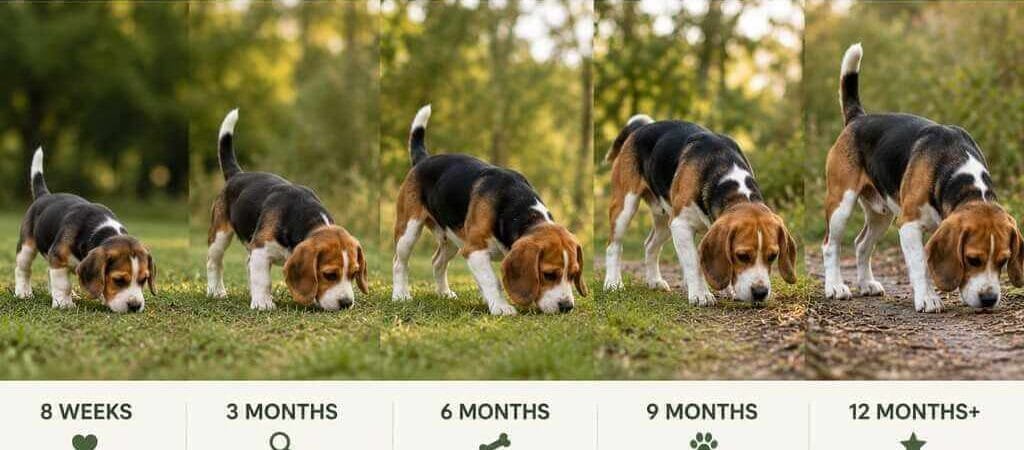
This beagle puppy guide walks you through everything that happens during your dog’s first 12 months, from a blind, scentless newborn to a nose-driven, food-motivated almost-adult who has probably already tried to escape the yard at least once.
Beagles pack a distinct personality into a small package, and their first year comes with its own set of breed-specific quirks. Rapid early growth, a famously stubborn streak, an unmatched sense of smell, and a genuine talent for finding trouble all overlap in ways that catch first-time owners off guard.
Quick answer: Expect the fastest physical growth between 8 and 16 weeks, most height gained by 10 months, and full physical maturity by around 18 months. Emotionally, Beagles often stay playful and puppy-like well into their second year, and their nose-driven instincts around scent, howling, and escaping never fully disappear.
Preparing for Your Beagle Puppy
Before diving into the month-by-month breakdown, it helps to understand what makes this breed different from many others covered in a typical first-year guide. This beagle puppy guide assumes you already have your puppy, but a little context up front makes the rest of the year easier to navigate.
Beagles were bred as scent hounds, working independently to follow a trail rather than staying close to a handler. That independent streak, combined with an extraordinary nose, shapes almost everything about raising this breed, from training challenges to escape attempts to the vocal habits they are famous for.
Have a crate, a properly sized collar and leash, a small-breed puppy food, secure fencing already checked for gaps, and a few scent-based enrichment toys ready before your puppy comes home. Beagles respond especially well to food-based training and scent games, so having these on hand from day one gives you a head start.
Beagle Puppy Month-by-Month Overview
Every puppy develops on their own timeline, but this general pattern shows up consistently across the breed.
| Age | What’s Happening |
|---|---|
| 0-8 weeks | With mother and littermates, eyes and ears open, sense of smell develops rapidly |
| 2-3 months | Home with you, fastest growth phase, weight can double monthly |
| 3-6 months | Teething, nipping, early nose-driven behaviors like howling and wandering |
| 6-12 months | Sexual maturity, near-adult size, continued strong-willed independence |
| 12 months and beyond | Close to full physical maturity, though emotional puppyhood often lingers |
Weeks 1-8: Before They Come Home
Newborn Beagle puppies are born blind, deaf, and without a working sense of smell, completely dependent on their mother for warmth and food. Hearing and scent develop within the first couple of weeks, followed shortly after by sight.
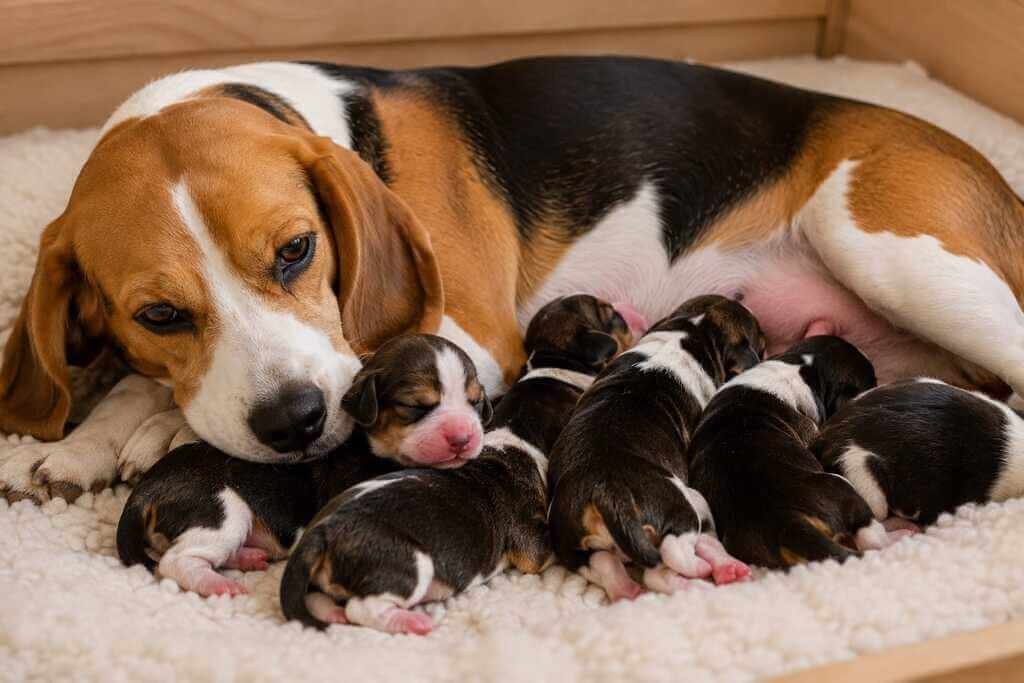
By 3 to 4 weeks, puppies are standing, walking, and starting to interact with littermates, which is where early social skills begin forming. By 8 weeks, most Beagle puppies are eating solid food, walking confidently, and ready to leave for their new homes.
Months 2-3: Settling In and Starting Training
The first weeks home set the tone for the rest of the year. There is no reason to wait for full vaccination before starting basic training and socialization, and for a breed known for independence, early consistency matters more than usual.
This is also when the fastest physical growth begins. Many Beagle puppies effectively double their weight month over month during this stretch, so do not be surprised by how quickly your puppy starts looking noticeably bigger.
Socialization Starts Now
The early weeks, roughly 8 to 14 weeks old, are considered the most important socialization window. For Beagles specifically, early positive exposure to a range of people, sounds, and safe environments helps balance out their independent nature and reduces the odds of fear-based reactivity later on.
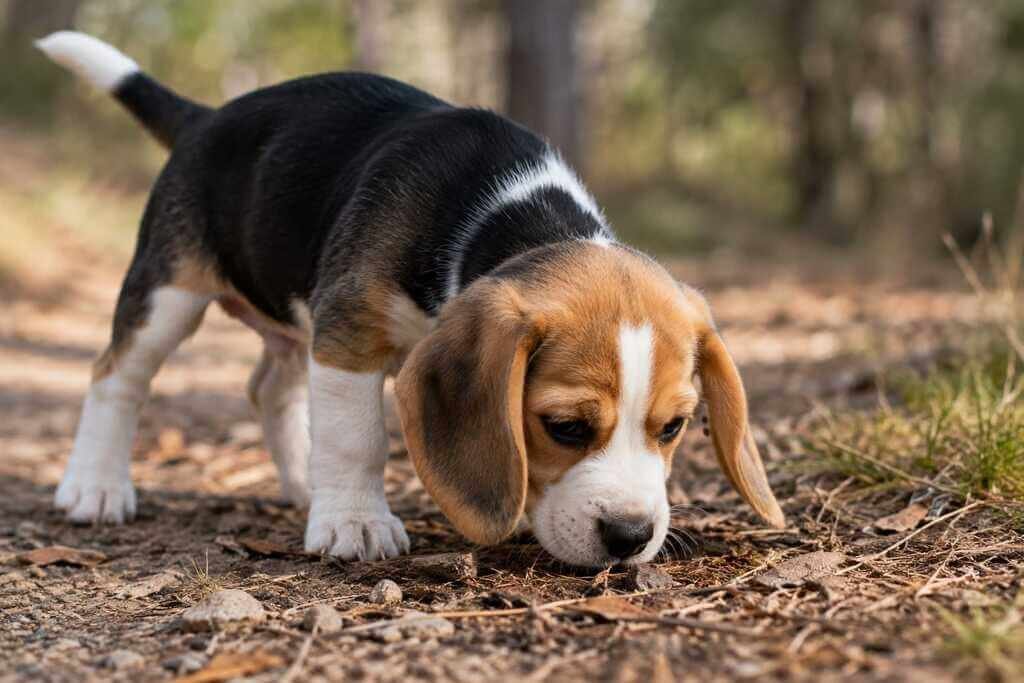
Months 3-6: Teething, Nose-Driven Behavior, and Early Escapes
This stretch brings both rapid physical change and the first real signs of the instincts this breed is famous for.
Why Is My Puppy So Vocal All of a Sudden?
Around this age, many owners notice their puppy howling, baying, or barking far more than expected. This is not misbehavior. It is a deeply bred scent hound instinct, originally used to alert hunters to a found trail. Our Beagle Puppy Howling and Barking guide covers exactly why this happens and how to manage it.
Potty Training Takes Longer Than You Might Expect
This is also the stage where potty training challenges tend to show up most clearly. A Beagle’s powerful nose can actually work against consistent housetraining, since lingering scent from a previous accident can pull them right back to the same spot. Our Why Are Beagle Puppies So Hard to Potty Train? guide covers the breed-specific reasons and how to speed up the process.
Feeding During Rapid Growth
A quality small-breed puppy formula supports steady development during this fast-growing stretch. Most puppies do well on 3 to 4 small meals a day early on, gradually shifting to 2 meals a day by around 6 months.
Months 6-12: Sexual Maturity and Growing Independence
By 6 months, your Beagle puppy is approaching sexual maturity. Females often experience their first heat cycle somewhere around 9 months, while unneutered males become increasingly interested in scent trails left by females, sometimes to a genuinely inconvenient degree.
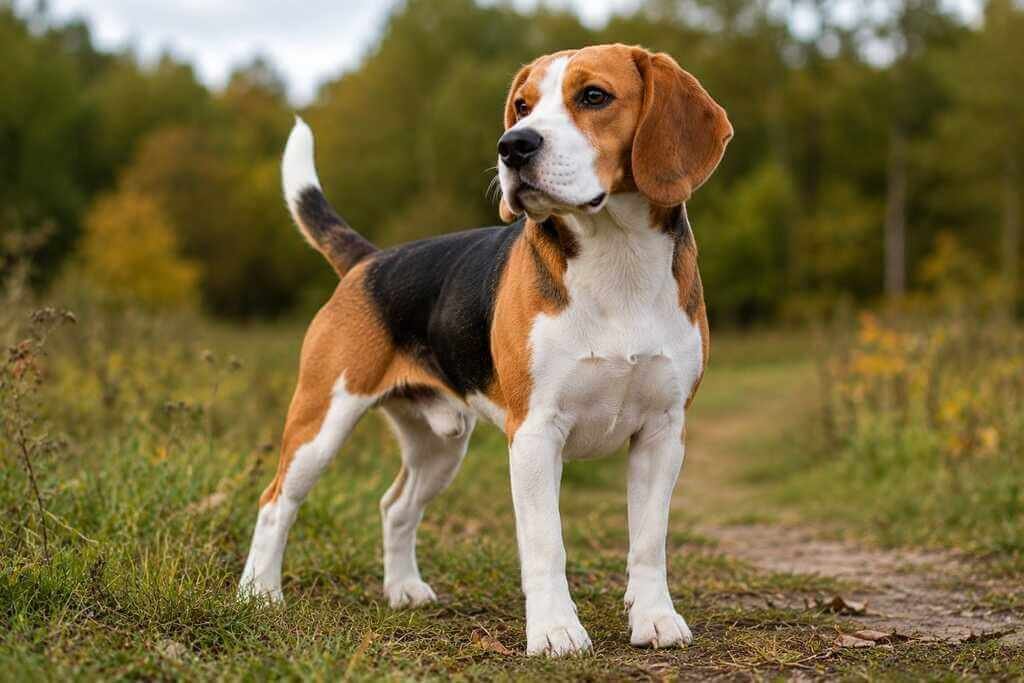
Physically, growth slows down significantly after 10 months, with most of the visible height gained by then, though some filling out continues until closer to 18 months. Behaviorally, this is often when a Beagle’s independent streak becomes most obvious, and it is exactly the stage where escape attempts tend to peak.
Watch for Scent-Driven Escapes
A Beagle puppy’s nose can detect scents from roughly a mile away, and that pull can override recall training in an instant. Our Why Do Beagle Puppies Run Away? guide covers how to prevent this and what to do if it happens anyway.
Exercise Needs During This Stage
Beagle growth plates typically stay open until close to 12 months, so avoiding excessive jumping or rough impact activity still matters even though your puppy is approaching full size. A mix of physical exercise and scent-based mental enrichment tends to work best for this breed, since a bored Beagle is far more likely to look for trouble.
Spaying and Neutering Timing
Most vets recommend discussing spay or neuter timing somewhere between 6 and 12 months old, though the right timing depends on your individual dog. For males especially, neutering can meaningfully reduce mating-driven escape attempts, though it will not eliminate every instinct-driven behavior this breed is known for.
Around 12 Months: Approaching Adulthood
Most Beagles reach close to their adult height by 10 months old, according to breed growth patterns, with continued filling out until around 18 months. The American Kennel Club recognizes two size classes for the breed: Beagles 13 inches and under at the shoulder, typically weighing up to 20 pounds, and those between 13 and 15 inches, usually weighing 20 to 30 pounds.
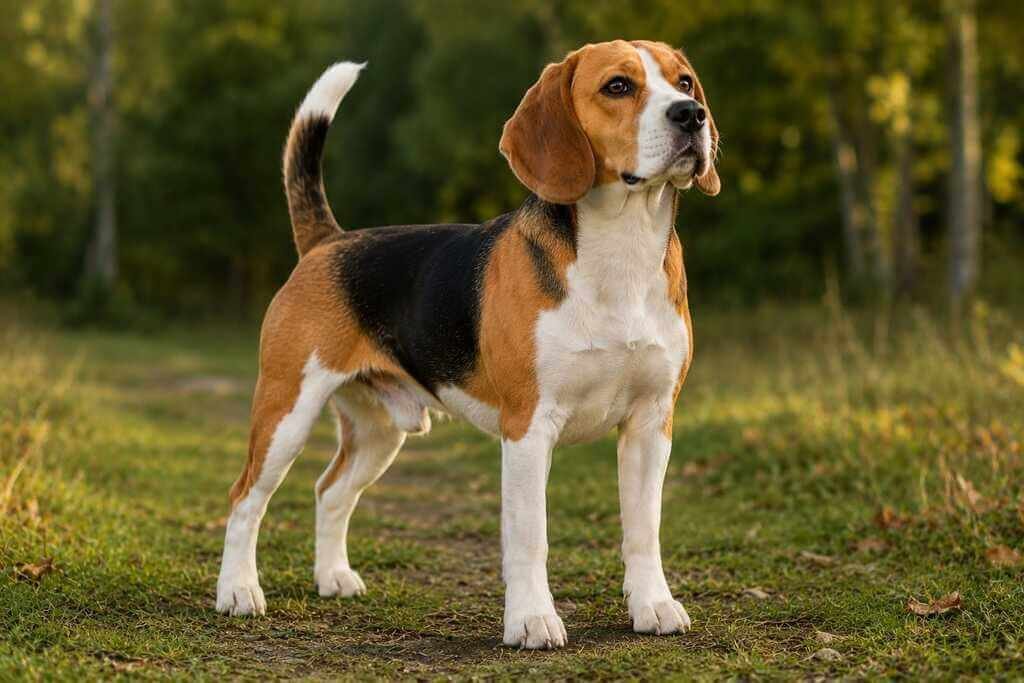
What sets this breed apart from many others covered in a typical beagle puppy guide is how much personality persists well past physical maturity. A 1-year-old Beagle is usually done teething and closer to their adult size, but the playful, occasionally mischievous energy that defines this breed rarely fades on any predictable schedule.
Common First-Year Challenges
A few issues come up again and again during a Beagle’s first year, and this beagle puppy guide would not be complete without covering them in more detail.
The Independent Streak
Unlike breeds bred to work closely with a handler, Beagles were bred to think for themselves while following a scent. This translates into a strong-willed puppy who does not always prioritize pleasing you the way some other breeds naturally do. Patience and high-value food rewards go a long way here.
Food Motivation and Weight Management
Beagles are famously food-driven, which makes training easier in some ways but also makes this breed prone to weight gain if portions are not watched closely. Measuring meals and accounting for training treats in daily totals matters throughout the entire first year and beyond.
Vocal Habits
Beyond the howling covered earlier, Beagles simply tend to be a more vocal breed overall. Managing this with consistent training rather than trying to eliminate it entirely leads to more realistic expectations and less frustration.
Wandering and Escape Attempts
A nose this powerful means recall training will only go so far. Secure fencing and supervised outdoor time remain important well past puppyhood, not just during the first few months home.
Beagle Puppy Training Milestones by Month
Training goals shift as your puppy grows. This table gives a general sense of what is realistic to work on at each stage.
| Age | Training Focus |
|---|---|
| 2-3 months | Name recognition, sit, gentle handling, early socialization |
| 3-4 months | Bite inhibition, potty training routine, basic house manners |
| 4-6 months | Come, leave it, impulse control basics, continued socialization |
| 6-9 months | Recall reinforcement, loose-leash walking, scent-based enrichment games |
| 9-12 months | Polishing all commands around real-world distractions, introduction to structured activities like tracking |
Health and Vet Checkpoints
Regular veterinary care matters throughout the first year, not just for vaccinations. Beagles are prone to certain breed-specific conditions, including some eye issues and, in rare cases, neurological concerns, so routine wellness exams help catch potential problems early.
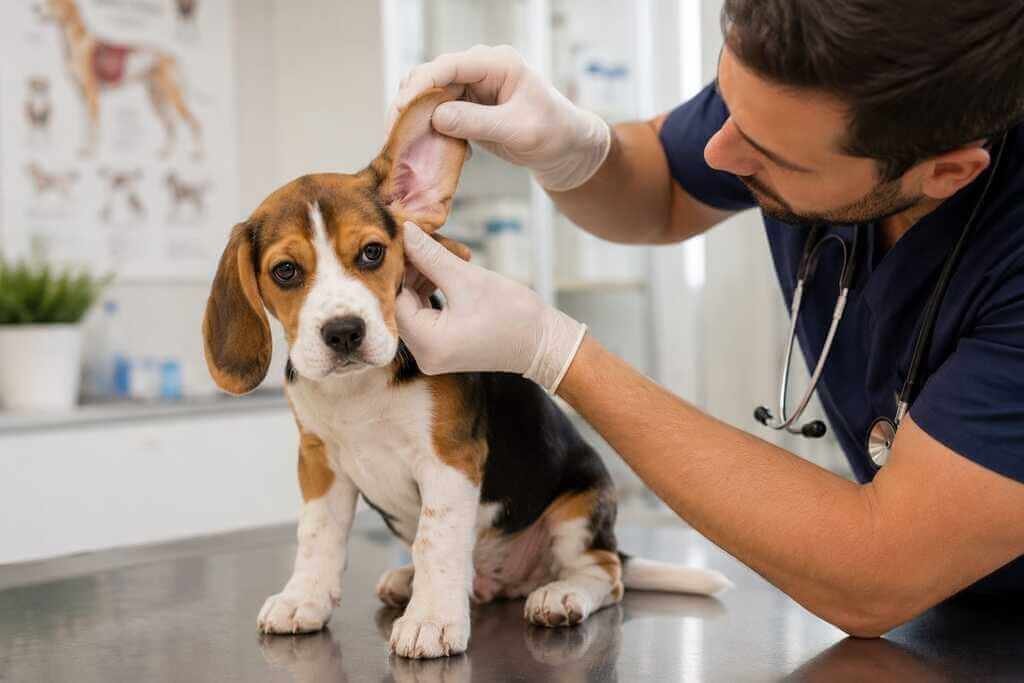
The VCA Animal Hospitals recommends ongoing weight monitoring for Beagles specifically, given how prone this breed is to obesity if exercise and portion control are not managed consistently from puppyhood onward. Keep an eye on body condition, energy levels, and any unusual behavior changes, especially during the fastest growth months.
How Beagle Development Compares to Other Breeds
If you have raised a larger working breed before, some parts of this beagle puppy guide may look different from what you are used to. Physically, Beagles mature faster than large breeds, generally reaching close to full size by 10 to 18 months rather than the 2 to 3 years common in bigger dogs.
Where Beagles genuinely stand apart is in how much their instincts, rather than their size, shape daily life. A Labrador or German Shepherd puppy’s challenges tend to center around size, strength, and energy. A Beagle’s challenges center almost entirely around their nose: the howling, the wandering, the potty training struggles, all trace back to the same scent-driven instinct. Understanding that connection makes the whole first year easier to navigate.
Beagle Puppy Guide: First-Year Checklist
Use this beagle puppy guide checklist as a quick reference throughout the year.
- Start training and socialization from day one
- Feed a quality small-breed puppy formula and watch portions closely
- Expect vocal behavior like howling and baying to intensify around 3 to 6 months
- Secure your fencing before escape attempts become a problem
- Use enzymatic cleaner and a consistent routine for potty training
- Follow age-appropriate exercise guidelines until growth plates close near 12 months
- Discuss spay or neuter timing with your vet around 6 to 12 months
- Prepare for playful, independent puppy energy to last well past physical maturity
Frequently Asked Questions
How big will my Beagle puppy get?
Most adult Beagles fall into one of two size classes: 13 inches and under at the shoulder weighing up to 20 pounds, or 13 to 15 inches weighing 20 to 30 pounds.
Why does my Beagle puppy howl so much?
Beagles are scent hounds bred to howl and bay when they find a scent trail, alerting hunters to their location. This instinct is genetic and shows up even in Beagles who have never hunted.
Why is my Beagle puppy so hard to potty train?
Their powerful nose keeps drawing them back to spots where accidents have happened, and their independent nature makes them less naturally focused on pleasing you during training.
Why does my Beagle puppy keep trying to run away?
A Beagle’s nose can detect scents from roughly a mile away, and that pull can override training in the moment. This is instinct, not disobedience.
When do Beagle puppies stop growing?
Most reach close to their adult height by around 10 months, with some continued filling out until 18 months old.
Do Beagles make good family pets?
Yes, especially in households prepared for their vocal nature and strong nose-driven instincts. Our Best Dog Breeds for Families guide covers how Beagles compare to other family-friendly breeds.
Final Takeaway
Raising a Beagle puppy through their first year means navigating rapid early growth, an independent streak, and a nose that seems to run the show more often than you would like. This beagle puppy guide is meant as a starting point, and consistency in training, containment, and routine throughout the year makes the biggest difference in how your dog turns out.
For the full breakdown of each stage, our Beagle Puppy Howling and Barking, Why Do Beagle Puppies Run Away?, and Why Are Beagle Puppies So Hard to Potty Train? guides go deeper into each instinct covered here.
Author Bio
David Jason is the founder of My Pet Care Tips and writes practical, research based guides to help pet owners raise healthier, happier dogs and cats. His content focuses on clear, beginner friendly advice backed by trusted veterinary resources and real world pet care best practices.