
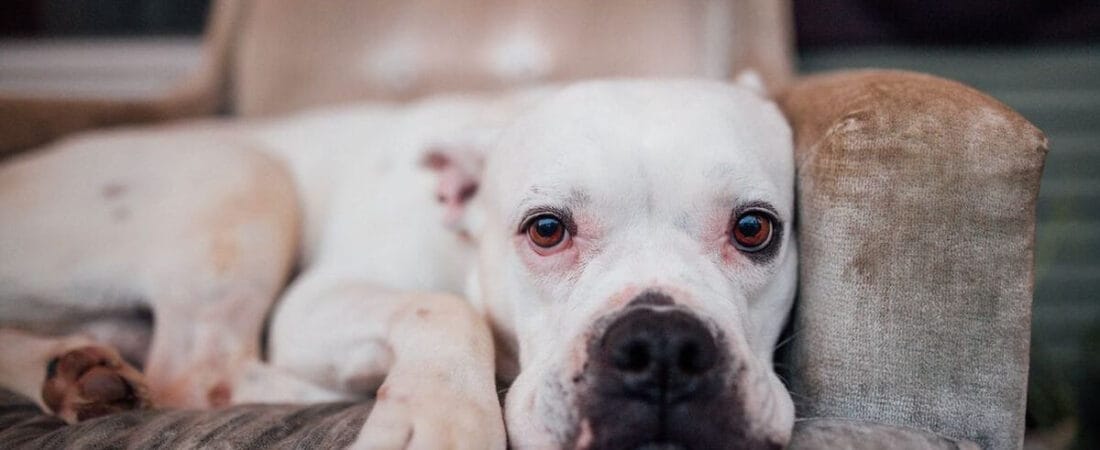
The first time Bruno tore up my couch cushion, I did not understand why. I had only left for grocery shopping. Just thirty minutes away.
When I came home, stuffing was everywhere. Bruno was shaking near the door. That was my first real lesson about dog separation anxiety.
If your dog barks, whines, or destroys things when you leave, you are not alone. This guide covers the real signs, causes, and fixes that actually help.
Short Answer
Dog separation anxiety happens when your dog feels real fear or panic when left alone. It is not bad behavior, it is genuine stress.
The key is spotting the signs early and building your dog’s confidence slowly. Once you understand the cause, the fix usually becomes clear.
Punishment never solves this problem. It only makes the fear worse.
10 Signs and Fixes for Dog Separation Anxiety
1. Barking or Howling Right After You Leave
This is one of the most common signs. Your dog starts barking the moment the door closes.
Neighbors often notice this before you do. If you get complaints about noise while you are out, this could be the reason.
Fix: Practice short departures. Leave for just a few minutes, then return calmly. Slowly build up the time you are gone. If your dog also struggles with basic commands, our guide on how to train a puppy at home is a good place to build foundational obedience first.
2. Destructive Chewing
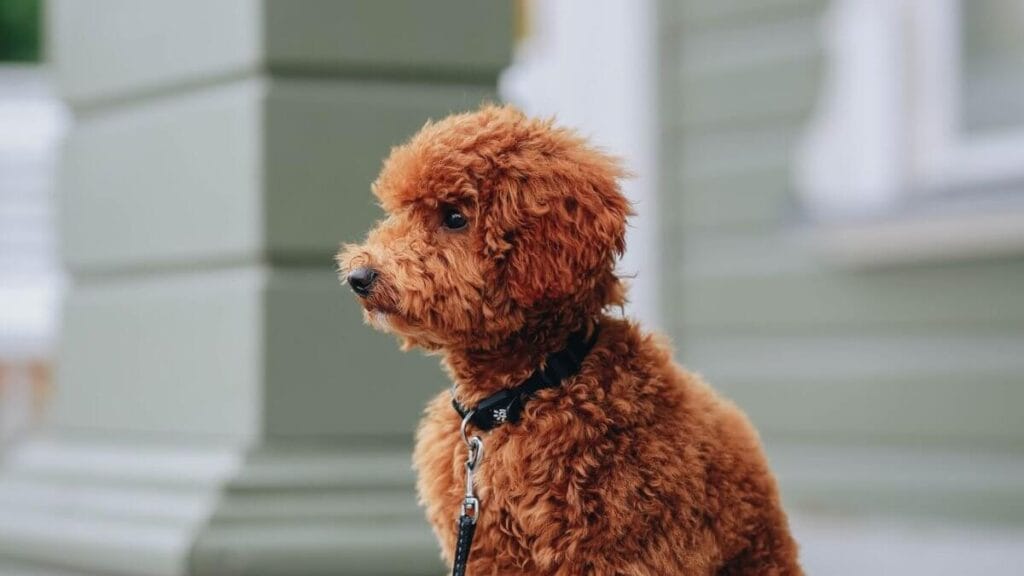
Milo used to chew through door frames whenever we left him alone too long. He was not being naughty, he was panicking.
Destructive chewing usually happens near exits like doors and windows. This is your dog trying to escape or cope with stress.
Fix: Give a KONG toy filled with peanut butter or wet food before you leave. Freeze it first so it lasts longer and keeps your dog busy. For more ideas, check our list of best dog toys for active dogs to keep your pup mentally engaged.
3. Scratching at Doors or Windows
Some dogs try to physically escape the house. This can lead to broken nails or damaged door frames.
This is a clear sign of panic, not curiosity. Your dog genuinely believes something is wrong.
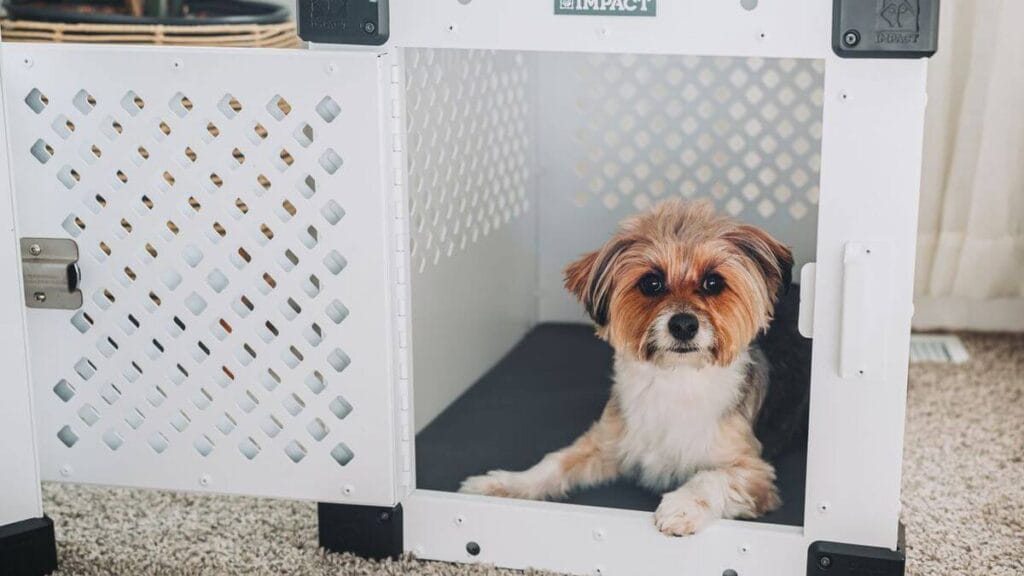
Fix: Create a safe space like a crate or a quiet room with their bed and a worn t shirt with your scent on it. If your dog is new to crates, our crate training tips for puppies walk you through making it a comfortable space, not a punishment.
4. Accidents Indoors
A house trained dog suddenly having accidents while alone is often stress related. It is not a training failure.
Anxiety affects a dog’s body the same way it affects ours. Stress can genuinely cause loss of bladder control.
Fix: Rule out medical causes with your vet first. If it is anxiety related, focus on gradual departure training. The ASPCA notes that sudden behavior changes like this should always be checked against underlying health issues before assuming it is purely behavioral.
5. Pacing Before You Leave
Some dogs sense you are about to leave and start pacing near the door. Milo used to do this every single morning.
Dogs pick up on small cues like picking up keys or putting on shoes. These become anxiety triggers over time.
Fix: Practice these cues without actually leaving. Pick up your keys, then sit back down. This breaks the anxious association.
6. Drooling More Than Normal
Excess drooling during alone time is a physical stress response. You may notice wet spots near the door when you return.
This sign is easy to miss if you are not looking for it. It often shows up alongside pacing and whining.
Fix: Keep departures low key and calm. Big emotional goodbyes actually increase your dog’s stress hormones.
7. Following You From Room to Room
If your dog cannot relax unless they are physically near you, this is called hyperattachment. It often gets worse right before you leave.
This is common in dogs who bond strongly with just one person in the house.
Fix: Build confidence with other family members too. Have them handle feeding and walks sometimes, not just you. If leash walks are part of the issue, our guide to help you stop your dog from pulling on the leash can make those walks calmer for everyone involved.
8. Separation Anxiety at Night
Some dogs are calm all day but panic when left alone at night. This often happens after a dog suddenly loses access to your bedroom.
Nighttime anxiety usually needs a predictable bedtime routine to fix.
Fix: Keep bedtime consistent every night. A comfort item like a blanket that smells like you can help a lot.
9. Trying to Escape the Yard
Dogs with severe anxiety sometimes attempt to dig under fences or jump over them. This is dangerous and needs quick attention.
This level of anxiety usually means the dog feels true panic, not simple restlessness.
Fix: Talk to a certified trainer if escape attempts happen. Severe cases may also need a vet consultation.
For dogs with more severe or reactivity-linked anxiety, it’s also worth reading a broader breakdown of step-by-step separation anxiety protocols, including when medication alongside training may be appropriate.
10. Whining That Does Not Stop
Constant whining, even after you have been gone for a while, signals ongoing distress rather than a quick adjustment.
This is different from a short whine right at the door. Prolonged whining means your dog has not settled at all.
Fix: Add background noise like a TV or calming music. Combine this with daily exercise before you leave.
The 3-3-3 Rule for Dog Anxiety
This rule is mainly used for rescue dogs adjusting to a new home, but it applies to anxiety recovery too.
First 3 days: Your dog feels overwhelmed and may seem withdrawn
First 3 weeks: Your dog starts settling into a routine
First 3 months: Your dog begins to fully trust their environment
Healing from separation anxiety takes time. Small, consistent steps matter more than quick fixes. Watching for other common dog health problems during this period is also smart, since stress can sometimes trigger physical symptoms too.
What Not to Do With Dog Separation Anxiety
- Do not punish anxious behavior, it increases fear
- Do not sneak out without any routine
- Do not ignore early signs, they often get worse
- Do not isolate your dog completely
- Do not use the crate as punishment
Is It Cruel to Leave a Dog With Separation Anxiety?
Leaving your dog alone is not cruel if you prepare them gradually. What matters is training, not the fact that you leave at all.
If your dog shows extreme distress like self injury or nonstop howling, talk to your vet. Severe cases need extra support beyond home training.
Frequently Asked Questions
What can be done for a dog with separation anxiety?
Start with short practice departures and calm goodbyes. Add mental stimulation toys and consider professional training for severe cases.
What is the 3-3-3 rule for dog anxiety?
It describes the adjustment timeline for anxious or rescue dogs. Three days to decompress, three weeks to settle, and three months to fully trust their home.
Is it cruel to leave a dog with separation anxiety?
No, as long as you prepare your dog gradually. Sudden long absences without training cause the most stress.
How do you deal with dog anxiety?
Combine exercise, calm departures, safe spaces, and gradual training. Severe cases may need vet guidance or professional trainers.
How to stop dog separation anxiety?
Practice leaving for short periods and slowly increase time away. Pair departures with positive experiences like treat toys.
What not to do with dog separation anxiety?
Never punish your dog for anxious behavior. This increases fear and can make the anxiety much worse.
What are dog separation anxiety symptoms?
Common symptoms include barking, chewing, pacing, drooling, and indoor accidents right after you leave.
Can puppies get separation anxiety?
Yes, puppies commonly struggle with alone time. Early training and gradual exposure help prevent long term anxiety.
Does exercise help dog anxiety?
Yes, physical activity before alone time reduces excess energy. This often leads to a calmer, more relaxed dog.
When should I see a vet for dog separation anxiety?
If symptoms are severe, like self harm or nonstop distress, consult your vet. They can rule out medical causes and suggest treatment options.
Final Thoughts
Bruno still gets a little anxious sometimes, but nowhere near how he used to be. Patience and consistency made all the difference for us.
Every dog heals at their own pace. Small daily steps add up to big changes over time.
Has your dog struggled with separation anxiety? Share your story in the comments below. I would love to hear what worked for you.
Author Bio
David Jason has over 8 years of experience helping pet owners understand their dogs and cats. He shares practical, real world advice through mypetcaretips.com.