
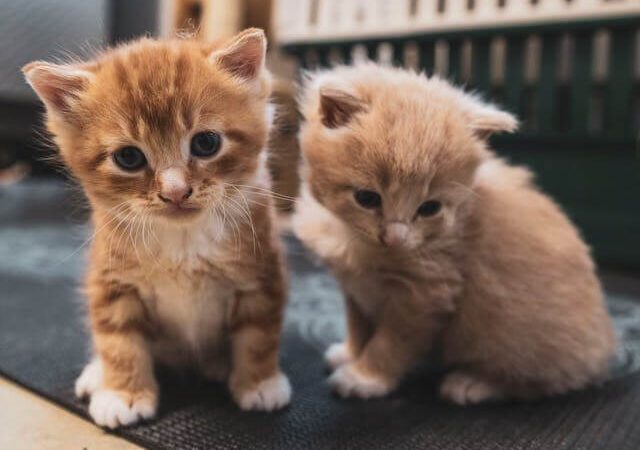
Luna was the tiniest kitten I had ever seen.
When I brought her home at eight weeks old, she fit in the palm of my hand. The vet had one very clear message for me that first visit. What you feed this kitten in the next twelve months will determine her health for the next fifteen years.
That statement changed everything about how I thought about cat food.
The first year of a kitten’s life is the most critical nutritional window they will ever experience. During this period, every organ, muscle, bone, and brain cell is developing at a pace that never happens again. The best cat food for healthy growth gives a kitten everything they n use CTeed to build a strong foundation for a long, healthy life.
In the USA, indoor kittens are increasingly common. Busy families need food that is convenient, affordable, and genuinely nutritious. Rising vet costs make preventive nutrition more important than ever. The wrong food during kittenhood can lead to developmental problems that cost thousands of dollars to manage later.
This guide reviews the top kitten food options for 2026, explains the key nutrients your kitten needs, compares the most popular brands, and gives you a practical feeding schedule to follow from day one.
Why Nutrition is Critical for Kitten Growth

A kitten is not a small adult cat.
Their nutritional needs during the growth phase are dramatically different from what an adult cat requires. Kittens need significantly more protein, fat, calories, and specific micronutrients to support the rapid development happening in their bodies every single day.
In the first twelve months alone, a kitten grows from a few ounces at birth to their full adult weight. Their brain doubles in complexity and immune system builds its entire defensive framework. Their bones and joints reach their final density. And muscles develop the strength they will carry for life.
Feeding a kitten inadequate nutrition during this window does not just cause short-term problems. It creates structural weaknesses in bones, reduces immune function, impairs neurological development, and increases the lifetime risk of conditions like kidney disease, diabetes, and joint problems.
According to the ASPCA, kittens require almost three times more protein per pound of body weight than adult cats. This is not a preference. It is a biological requirement that cannot be substituted.
Getting kitten nutrition right from the start is genuinely one of the highest-return investments you will ever make in your cat’s wellbeing.
What Makes the Best Cat Food for Healthy Growth?
Key Nutrients Every Growing Kitten Needs
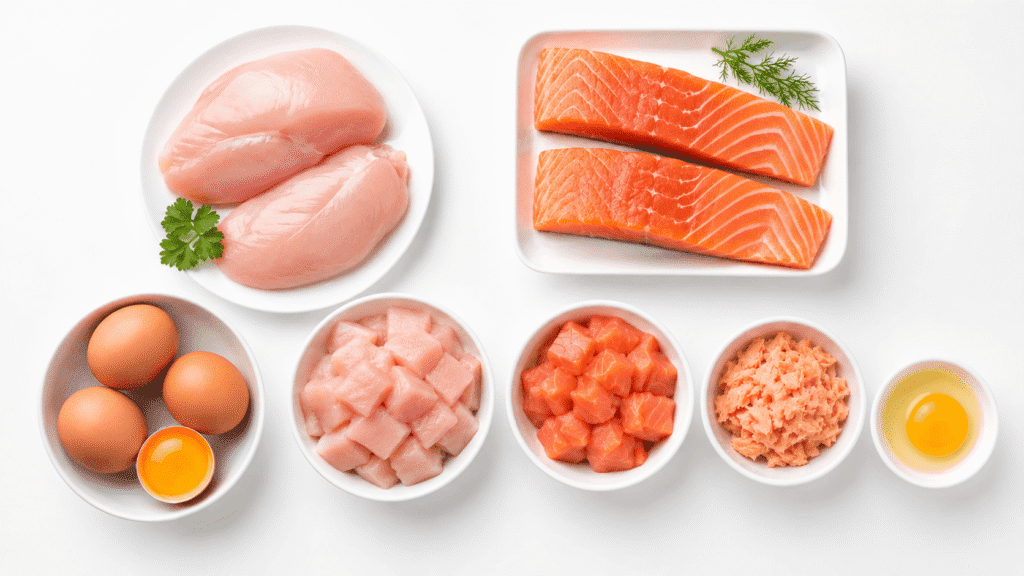
Understanding what to look for in the best cat food for healthy growth starts with knowing which nutrients actually matter.
Protein — The Most Critical Nutrient
Kittens need a minimum of thirty percent protein on a dry matter basis. Premium kitten foods contain forty percent or more. Always look for a named animal protein as the first ingredient. Chicken, turkey, salmon, or beef should appear at the top of the ingredient list. Vague descriptions like “poultry meal” or “meat by-products” as primary ingredients are a quality concern.
DHA — Essential for Brain and Eye Development
Docosahexaenoic acid, commonly known as DHA, is an omega-3 fatty acid that is absolutely essential for kitten brain and vision development. Kittens cannot produce DHA on their own in sufficient quantities. It must come from their diet. Look for foods that list fish oil, salmon oil, or specifically DHA as an ingredient.
Calcium and Phosphorus — For Bone and Teeth Development
The correct calcium to phosphorus ratio supports proper skeletal development. For kittens, AAFCO recommends a calcium level of 1.0 percent on a dry matter basis minimum. Foods formulated specifically for kittens already account for this ratio. This is one reason why adult cat food should never be fed to kittens as the primary diet.
Taurine — Non-Negotiable for Cats
Taurine is an amino acid that cats cannot synthesize on their own. A taurine deficiency causes heart disease and blindness. Every quality kitten food includes adequate taurine. Check the ingredient list to confirm it is present.
Arachidonic Acid — For Skin and Immune Health
Unlike dogs, cats cannot convert linoleic acid into arachidonic acid. It must be present in their food. Animal-based ingredients naturally contain it. Plant-heavy foods often do not provide adequate amounts.
Nutrient Comparison Table
| Nutrient | Minimum for Kittens | Purpose |
| Protein | 30% dry matter | Muscle and tissue growth |
| Fat | 9% dry matter | Energy and brain development |
| DHA | Listed ingredient | Brain and eye development |
| Calcium | 1.0% dry matter | Bone and teeth strength |
| Taurine | Listed ingredient | Heart and vision health |
| Arachidonic Acid | From animal ingredients | Skin and immune function |
Best Wet vs Dry Cat Food for Kitten Growth
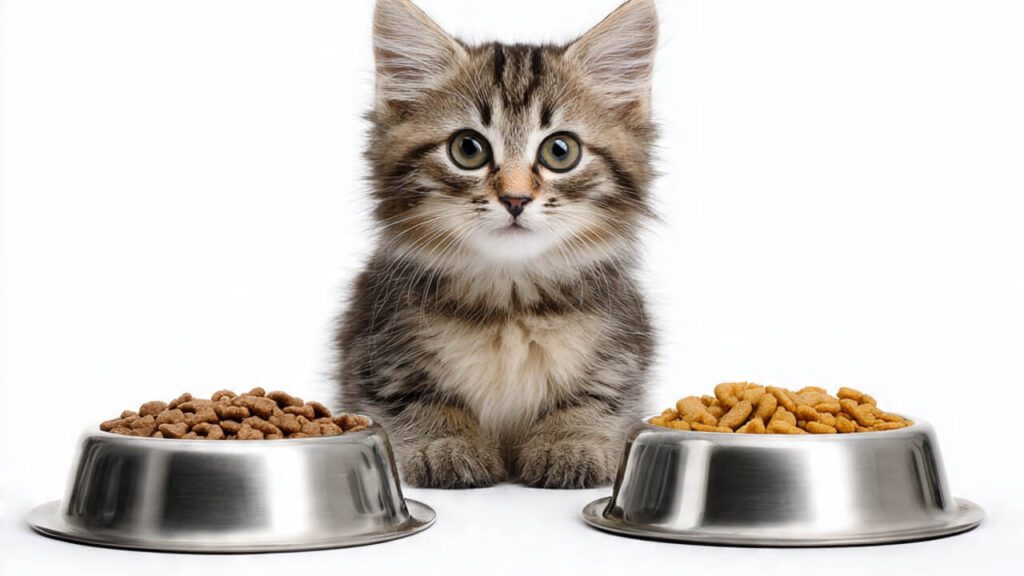
This is one of the most common questions new kitten owners ask.
The honest answer is that the best approach for most kittens is a combination of both.
Wet Food Advantages:
Wet food has a moisture content of around seventy to eighty percent. This is critically important because cats have naturally low thirst drive. They evolved in desert environments and historically obtained most of their hydration from prey. A kitten fed exclusively dry food often does not drink enough water to compensate, which puts early stress on the kidneys. Wet food also tends to be higher in protein and lower in carbohydrates.
Dry Food Advantages:
Dry food is convenient, shelf stable, and more cost-effective. It can be left out without spoiling quickly. Many dental health formulas are available in dry form. High-quality dry kibble with a named protein as the first ingredient provides excellent nutrition at a manageable cost.
The Best Approach:
Offer wet food once or twice daily as the primary meal and keep a small amount of quality dry kibble available throughout the day. This combination provides the hydration benefits of wet food alongside the convenience of dry food.
Top 8 Best Cat Food for Healthy Growth in 2026
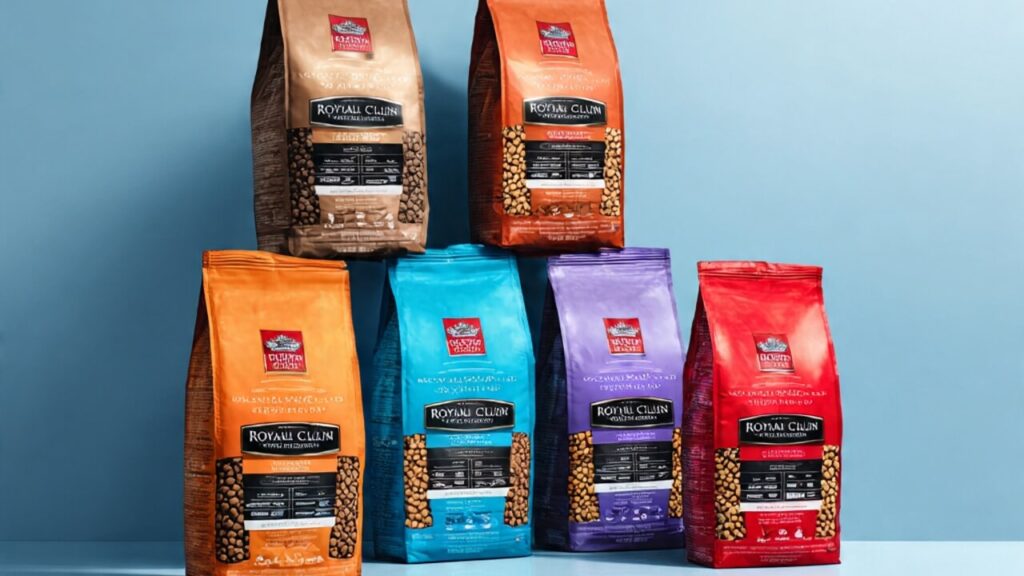
Comparison Table
| Product | Protein | DHA | Type | Price | Rating |
| Royal Canin Kitten | 32% | Yes | Dry/Wet | Medium | 9.5/10 |
| Hill’s Science Diet Kitten | 35% | Yes | Dry/Wet | Medium | 9.5/10 |
| Purina Pro Plan Kitten | 40% | Yes | Dry/Wet | Medium | 9/10 |
| Orijen Cat and Kitten | 40%+ | Yes | Dry | High | 9/10 |
| Wellness CORE Kitten | 38% | Yes | Dry/Wet | Medium/High | 9/10 |
| Blue Buffalo Kitten | 33% | Yes | Dry/Wet | Medium | 8.5/10 |
| Iams Proactive Kitten | 32% | Yes | Dry | Low | 8/10 |
| Smalls Fresh Kitten | 45%+ | Yes | Fresh | Very High | 9.5/10 |
Best Overall Kitten Food for Healthy Growth — Hill’s Science Diet Kitten
When vets in the USA recommend a kitten food without hesitation, Hill’s Science Diet comes up more consistently than any other brand.
It is the best cat food for healthy growth for most kitten owners because it balances scientific rigor, ingredient quality, and accessibility. Every batch is formulated to precise nutritional targets rather than just meeting minimum standards. The protein comes primarily from chicken as the first ingredient. DHA from fish oil supports brain and vision development. Calcium and phosphorus are balanced to support strong bone formation.
Key Features: Chicken as first ingredient, DHA from fish oil, AAFCO certified, no artificial preservatives.
Pros: Widely available across the USA, consistently recommended by veterinarians, highly digestible, available in both dry and wet formulas.
Cons: Contains grains which some owners prefer to avoid. Slightly higher price than grocery store brands.
Real Results: Most kitten owners report healthy weight gain, good coat quality, and solid energy levels within the first two to three weeks of feeding.
Price Range: Medium. Available at Petco, PetSmart, Chewy, and Amazon across the USA.
Best Budget Friendly Cat Food for Healthy Growth — Iams Proactive Health Kitten
Quality kitten nutrition does not have to break the bank.
Iams Proactive Health Kitten formula delivers solid nutritional value at a price point that most families can sustain long term. Chicken is the first ingredient. DHA from fish oil is included for brain development. The formula meets AAFCO standards for kitten growth specifically.
Key Features: Chicken as first ingredient, DHA from fish oil, no artificial preservatives, AAFCO certified.
Pros: Very affordable, widely available including Walmart, easy to find in small town USA locations where premium brands are harder to source.
Cons: Lower protein percentage than premium options. Some kittens with sensitive stomachs do better on more digestible formulas.
Price Range: Low. Available at Walmart, Target, and most US pet stores.
Best Premium Cat Food for Kitten Development — Orijen Cat and Kitten
For owners who want the absolute highest quality ingredients available, Orijen Cat and Kitten is the top choice.
It contains over eighty-five percent animal ingredients including free-run chicken, turkey, whole eggs, and wild-caught fish. The protein content exceeds forty percent. Multiple omega-3 sources including mackerel and herring provide natural DHA. There are no plant proteins artificially inflating the protein number on the label.
Key Features: 85%+ animal ingredients, 40%+ protein, multiple DHA sources, no artificial ingredients.
Pros: Exceptional ingredient transparency, closely mirrors a biologically appropriate diet for cats, excellent for kittens with protein deficiencies or poor coat condition.
Cons: Very expensive. Not widely available in all US states without ordering online. Some kittens transitioning from lower quality food experience digestive upset initially due to the dramatically higher protein content.
Price Range: Very High. Available on Chewy and the Orijen website.
Best High-Protein Kitten Food for Muscle Growth

For kittens that need to build muscle quickly or those that are underweight at adoption, these high-protein options provide superior support.
Purina Pro Plan Kitten contains forty percent protein from real chicken and is one of the most studied kitten foods available. Purina employs over five hundred scientists, veterinarians, and pet care experts and conducts feeding trials rather than just formulation analysis. This level of research backing gives their products consistent real-world performance.
Wellness CORE Kitten is grain-free and protein-focused with thirty-eight percent protein from turkey and chicken. It is an excellent choice for kittens that show signs of muscle underdevelopment or slow weight gain.
Both are available on Chewy with subscription discounts that reduce the monthly cost significantly.
Best Kitten Food with DHA for Brain Development

DHA is the single most important nutrient for kitten cognitive development.
Research consistently shows that kittens fed DHA-supplemented diets during their first months of life perform significantly better on learning and memory tasks than those fed diets without it.
The brands with the highest and most bioavailable DHA sources are:
Royal Canin Kitten uses EPA and DHA from fish oil specifically optimized for kitten absorption. Royal Canin’s nutritional engineering is among the most precise in the industry.
Smalls Fresh Kitten is a newer US-based fresh food brand delivering human-grade ingredients including wild-caught fish that provides naturally occurring DHA at very high levels. It is expensive but the ingredient quality is extraordinary.
Hill’s Science Diet Kitten includes fish oil as a dedicated DHA source with clinically tested absorption rates in kittens.
Royal Canin vs Hill’s vs Purina Pro Plan — Kitten Food Comparison
These three brands dominate vet recommendations across the USA. Here is how they compare directly.
| Factor | Royal Canin | Hill’s Science Diet | Purina Pro Plan |
| Protein | 32% | 35% | 40% |
| DHA Source | Fish oil | Fish oil | Fish oil |
| Research Backing | Extensive | Extensive | Extensive |
| Vet Recommendation | Very High | Very High | High |
| Availability USA | Excellent | Excellent | Excellent |
| Price | Medium/High | Medium | Medium |
| Best For | Precise development | Overall balance | High protein needs |
All three are excellent choices. The honest difference comes down to your kitten’s specific needs and your budget.
Royal Canin is the best choice for breed-specific needs as they make breed-specific formulas for breeds like Maine Coon and Persian kittens.
Hill’s Science Diet is the best all-around choice for most kitten owners, particularly first-time owners.
Purina Pro Plan is the best choice when protein content is the primary concern.
Best Grain-Free and Fresh Food Options for Kittens 2026
The grain-free debate in cat food is less controversial than in dog food.
Cats are obligate carnivores and have limited ability to digest carbohydrates. While grains are not toxic to cats the way they can be problematic for some dogs, a lower-grain or grain-free diet more closely mirrors a cat’s natural nutritional profile.
Best grain-free options:
Orijen Cat and Kitten, Wellness CORE Kitten, and Taste of the Wild Rocky Mountain Kitten are all strong grain-free choices with named protein sources and adequate DHA content.
Fresh food options in 2026:
Fresh cat food delivery services have grown significantly in the USA. Smalls, Nom Nom, and JustCats offer fresh human-grade kitten formulas delivered to your door. These foods have the highest protein bioavailability and fewest processed ingredients. The main barrier is cost, which runs three to five times higher than premium kibble.
If budget allows, mixing fresh food with quality kibble is an excellent middle-ground approach.
How to Transition Your Kitten to New Food Safely
Switching cat food too quickly causes digestive upset in almost every kitten.
The process should take seven to ten days minimum.
Transition Schedule:
| Days | Old Food | New Food |
| Day 1 to 2 | 75% | 25% |
| Day 3 to 4 | 50% | 50% |
| Day 5 to 6 | 25% | 75% |
| Day 7 onwards | 0% | 100% |
If your kitten shows loose stool or vomiting during the transition, slow down and spend more days at each stage. Some sensitive kittens need a two-week transition rather than one.
Never switch food abruptly. Even switching between two high-quality brands without a gradual transition commonly causes digestive problems.
Feeding Schedule and Portion Guide by Age

Complete Feeding Guide for Healthy Kitten Growth
Getting portion sizes and meal frequency right is just as important as choosing the best cat food for healthy growth.
By Age Feeding Guide:
| Age | Meals Per Day | Daily Amount |
| 8 to 12 weeks | 4 meals | Follow label for weight |
| 3 to 6 months | 3 meals | Slightly increase |
| 6 to 12 months | 2 to 3 meals | Per label for weight |
| 12 months plus | 2 meals | Switch to adult formula |
Always follow the feeding guidelines on the specific food label as portions vary significantly between high-calorie premium foods and standard formulas.
Weigh your kitten monthly and adjust portions if weight gain seems too fast or too slow. A healthy kitten should gain approximately one pound per month during the first six months.
Fresh water rule:
Fresh water must be available at all times. If feeding primarily dry food, consider a cat water fountain. Many cats prefer moving water and drink significantly more from fountains than still bowls.
Common Mistakes to Avoid When Choosing Kitten Food
1. Feeding adult cat food to kittens
Adult formulas do not contain adequate protein, fat, or DHA for kitten development. Always use a kitten-specific formula until twelve months of age.
2. Choosing food based on price alone
The cheapest kitten foods often use plant proteins to inflate the protein percentage on the label. Corn gluten and soy protein count toward the total protein number but are far less bioavailable for cats than animal protein.
3. Switching foods too often
Frequent food changes cause digestive instability. Choose a high-quality food and stick with it unless there is a genuine reason to change.
4. Overfeeding treats
Treats should make up no more than ten percent of daily calories. Many kitten treats are low in protein and high in carbohydrates. Overfeeding them disrupts the nutritional balance of an otherwise well-planned diet.
5. Ignoring the AAFCO statement
Always check for the AAFCO nutritional adequacy statement specifically for growth or all life stages. A food without this statement is not a complete diet.
Signs Your Kitten is Growing Healthy

Watching your kitten develop is one of the best parts of kittenhood. Here is what healthy development looks like.
Signs of healthy growth:
- Steady weight gain of approximately one pound per month in the first six months
- Shiny, soft coat with no excessive shedding
- Clear bright eyes with no discharge
- High energy and playful behavior appropriate to age
- Firm well-formed stool with no persistent diarrhea
- Good muscle tone and body condition
Signs nutrition may not be adequate:
- Slow weight gain or weight loss
- Dull or rough coat
- Lethargy or low energy for their age
- Persistent loose stool
- Pot belly appearance with thin limbs
- Poor muscle development
If you notice any of these signs, speak with your veterinarian about a dietary evaluation. Nutritional deficiencies caught early are almost always correctable.
Frequently Asked Questions
What is the best cat food for healthy growth?
Hill’s Science Diet Kitten and Royal Canin Kitten are the top overall recommendations in 2026. Both are extensively researched, vet-recommended, and provide the precise balance of protein, DHA, calcium, and taurine that kittens need for healthy development.
How much protein should kitten food have?
A minimum of thirty percent on a dry matter basis is required for kittens. Premium options provide thirty-five to forty-five percent. Always ensure protein comes primarily from named animal sources rather than plant proteins.
Is wet or dry food better for kitten growth?
A combination of both is ideal. Wet food provides essential hydration and higher protein bioavailability. Dry food is convenient and cost-effective. Feed wet food as the primary meal and offer quality dry kibble alongside it.
What is the best kitten food for brain development?
Foods with DHA from fish oil are essential for brain development. Royal Canin Kitten, Hill’s Science Diet Kitten, and Smalls Fresh Kitten all provide high-quality DHA in bioavailable forms specifically optimized for kitten neurological development.
How often should I feed my growing kitten?
Kittens under three months need four meals daily. From three to six months, three meals daily. From six months onward, two to three meals daily works well for most kittens.
Which brands make the best kitten food in 2026?
Royal Canin, Hill’s Science Diet, Purina Pro Plan, Orijen, and Wellness CORE are the most consistently recommended brands by veterinarians across the USA in 2026.
What food helps kittens gain weight healthily?
High-protein, high-fat kitten formulas like Purina Pro Plan Kitten and Orijen Cat and Kitten support healthy weight gain. Wet food fed multiple times daily also supports healthy weight gain in underweight kittens. Always consult your vet if weight gain is a concern.
When should I switch from kitten to adult cat food?
At twelve months of age for most breeds. Large breeds like Maine Coons may benefit from kitten food until eighteen months due to their extended growth period. Transition gradually over seven to ten days.
Final Thoughts
Luna is seven years old now.
She has never had a major health problem. Her coat is still soft and weight is perfect. Her energy level embarrasses cats half her age. I genuinely believe the foundation was built in that first year of proper nutrition.
The best cat food for healthy growth is not necessarily the most expensive option. It is the one that provides complete and balanced nutrition from high-quality animal protein sources, includes DHA for brain and eye development, and carries an AAFCO nutritional adequacy statement for growth.
Start with Hill’s Science Diet or Royal Canin if you want the safest, most vet-trusted choice. Choose Purina Pro Plan if protein content is the priority. Choose Orijen or Smalls if budget is less of a concern and ingredient quality is everything.
Feed consistently, transition slowly, provide fresh water always, and watch your kitten grow into the healthy adult cat they deserve to be.
Which food are you feeding your kitten right now? Share it in the comments below. And if you are just getting started, read our complete cat care guide for beginners for everything else you need to know about your first year of cat ownership.
Also read:
→ Cat Care Guide for Beginners
→ Why Is My Cat Not Eating
→ Indoor Cat Care Guide
→ Common Pet Health Problems
→ Vet Costs in USA
Author Bio
Written by David Jason
Founder of My Pet Care Tips
Cat and dog owner with over 8 years of hands-on experience caring for pets at every life stage. Every recommendation is thoroughly researched using trusted veterinary and nutritional sources to help US pet owners make confident feeding decisions.
Last Updated: June 3, 2026
Sources: ASPCA, AAFCO, Cornell Feline Health Center, PetMD,Hill’s Pet Nutrition Research
Note: Always consult a licensed veterinarian before making significant dietary changes for your kitten.