

The day I brought my first cat home, I had no idea what I was doing.
I had bought a litter box, some food, and a toy from the pet store. I thought that was enough. Within an hour, Luna was hiding under the bed and refusing to come out. I did not know what to do. I did not even know if that was normal.
It was. But nobody had told me to expect it.
Bringing home your first cat is exciting but can also feel completely overwhelming if you do not know what to expect. This cat care guide for beginners covers everything you need to confidently bring your first cat home in 2026.
Whether you are adopting from a shelter, bringing home a kitten, or giving a senior cat a second chance, this guide walks you through every step. Supplies, feeding, litter training, grooming, daily routine, behavior, and vet care — all in simple language that actually makes sense for real first-time cat owners living busy lives in the USA.
What to Know Before Getting Your First Cat
Cats have a reputation for being independent and low maintenance.
They are more independent than dogs. But low maintenance is a myth that leaves a lot of new owners unprepared.
Cats need daily feeding, fresh water, a clean litter box, regular grooming, veterinary care, and meaningful interaction with you. They also live fifteen to twenty years on average. Getting a cat is a long-term commitment that deserves serious thought before you bring one home.
Key things to consider before getting your first cat:
- Do you have any allergies in your household?
- Can your living space accommodate a cat safely?
- Are you prepared for the monthly cost of food, litter, and vet care?
- Do you travel frequently? If so, who will care for your cat?
- Do you have other pets that will need a careful introduction?
If you rent, check your lease. Many US apartments allow cats but require a pet deposit. Knowing this before bringing a cat home prevents serious problems later.
Adopt vs buy:
The USA has millions of cats in shelters waiting for homes. Adopting from a shelter typically costs between fifty and one hundred and fifty dollars and often includes vaccinations, spay or neuter, and a microchip. Buying from a breeder costs significantly more. For most first-time owners, adoption is the more practical and affordable choice.
Essential Supplies Checklist for New Cat Owners

Must Have Items for Your First Cat
Getting supplies right before your cat arrives makes the first days significantly smoother.
This cat care guide for beginners recommends having everything set up before your cat walks through the door, not after.
| Supply | Purpose | Estimated Cost |
| Litter box | Bathroom needs | 15 to 50 dollars |
| Clumping litter | Easy cleaning | 10 to 20 per month |
| Litter scoop | Daily cleaning | 5 to 10 dollars |
| Food and water bowls | Feeding | 10 to 30 dollars |
| Dry or wet cat food | Nutrition | 20 to 60 per month |
| Cat carrier | Transport and vet visits | 25 to 60 dollars |
| Scratching post | Natural behavior | 15 to 40 dollars |
| Cat bed or blanket | Comfort and security | 15 to 40 dollars |
| Basic toys | Mental stimulation | 10 to 30 dollars |
| Collar and ID tag | Safety | 10 to 20 dollars |
One rule for litter boxes: You need one litter box per cat, plus one extra. One cat means two litter boxes. This prevents accidents and litter box avoidance issues before they start.
Scratching post essentials: Cats scratch to maintain their claws and mark territory. A scratching post is not optional. Without one, your furniture becomes the scratching post.
Bringing Your New Cat Home — First 7 Days Guide

The first week with a new cat sets the tone for everything that follows.
Luna hid under my bed for three days. I thought something was wrong with her. In reality, she was doing exactly what cats do. They need time to decompress in a new environment before they feel safe enough to explore.
Day 1 to 2 — The Decompression Phase:
Set up a single quiet room as your cat’s base. Include the litter box, food and water, a hiding spot, and a few toys. Let them explore that room at their own pace without forcing interaction. The instinct to pick up and cuddle a scared cat is understandable but counterproductive.
Day 3 to 4 — First Exploration:
Start leaving the door to the base room open so your cat can explore other rooms if they choose to. Do not force it. Let them come out on their own terms.
Day 5 to 7 — Building Trust:
Sit on the floor near your cat at their level. Let them approach you rather than reaching for them. Offer treats from your hand. Speak in a calm quiet voice. Trust builds through consistency and patience, not persistence.
Most cats are comfortable in their new home within one to two weeks. Some shy or previously traumatized cats take longer. Give them the time they need.
Best Food for New Cats and Kittens — Feeding Guide

Nutrition is one of the most important aspects of cat care and one of the most confusing for beginners.
Cats are obligate carnivores. This means they require nutrients found only in animal tissue to survive. Unlike dogs, cats cannot thrive on plant-based diets. High-quality protein from named meat sources must be the foundation of every meal.
Kitten vs adult cat food:
Kittens need food specifically formulated for growth. Kitten formulas contain higher levels of protein, fat, and calories to support rapid development. Always feed a kitten-specific formula until your cat reaches twelve months of age.
Dry vs wet food:
Both have advantages. Wet food provides additional hydration which supports kidney health. Cats naturally have low thirst drive and do not drink enough water to compensate for a completely dry food diet. A combination of wet food once or twice daily with dry food available throughout the day works well for most cats.
Feeding schedule for kittens:
- Under 6 months: Three to four small meals daily
- 6 to 12 months: Two to three meals daily
- Over 12 months: Two meals daily
According to the ASPCA, always look for an AAFCO nutritional adequacy statement on the food label. This confirms the food meets minimum standards for complete and balanced nutrition.
Foods to never give cats:
Onions, garlic, grapes, raisins, chocolate, xylitol, alcohol, and raw dough are all toxic to cats. For a complete list, always consult your veterinarian.
Litter Box Training for Beginners — Step by Step
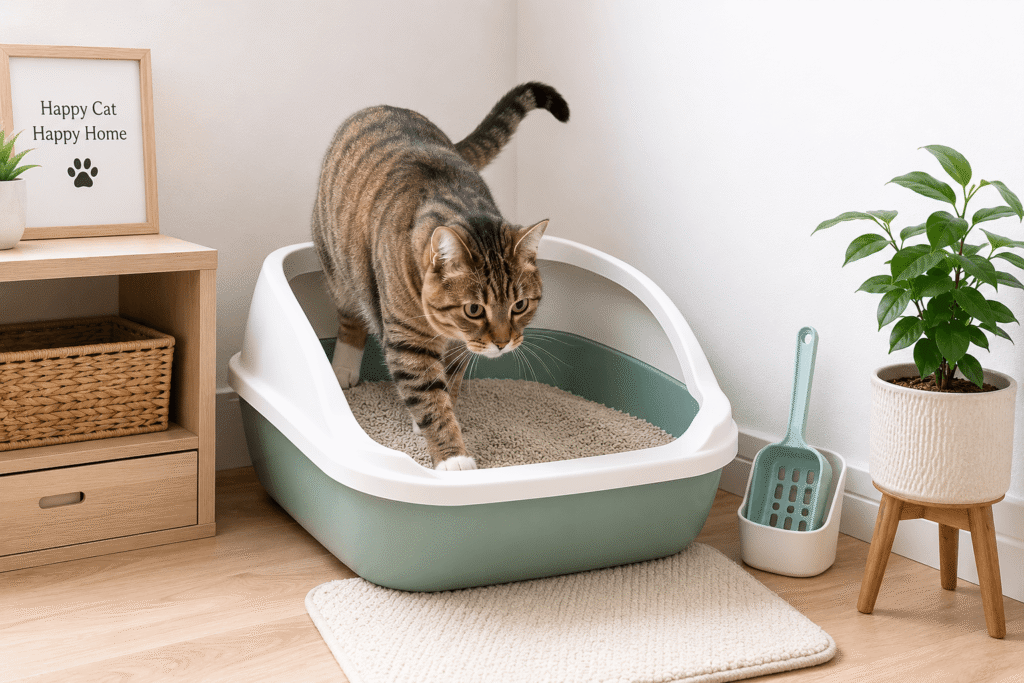
Good news: most cats litter train themselves.Cats have a natural instinct to eliminate in loose substrate and cover it afterward. In the wild, this instinct protects them from predators who might smell their waste. Your litter box simply gives them an appropriate place to follow that instinct.
How to set up litter box training:
- Place the litter box in a quiet, private location away from food and water bowls
- Show your cat the box on their first day home by gently placing them in it
- Do not do anything else. Simply let them sniff and explore
- After meals and naps, gently carry them to the box as a reminder
- Never punish accidents. Simply clean with enzyme cleaner and move on
Most cats take to the litter box within the first day or two with no training required.
Common Litter Box Problems and Solutions
Cat stops using the litter box:
The most common reason is a dirty box. Cats are fastidiously clean animals and will refuse to use a litter box that has not been scooped recently. Scoop at least once daily. Fully replace litter and clean the box weekly.
Cat eliminates just outside the box:
The box may be too small, the sides too high, or the litter too deep. Most cats prefer two to three inches of litter. Try a larger box with lower entry sides.
Cat uses one litter box but not the other:
Location matters. If one box is in a high-traffic noisy area, many cats will avoid it. Move it somewhere quieter.
Grooming, Nails and Bathing for Beginners

Most cats groom themselves thoroughly and efficiently.
This does not mean you can skip grooming entirely. It means your role is to supplement what your cat cannot do on their own.
Brushing:
Short-haired cats need brushing once or twice a week to remove loose fur and reduce hairballs. Long-haired cats like Maine Coons and Persians need daily brushing to prevent painful matting.
Nail trimming:
Cat nails need trimming every two to four weeks. Use cat-specific nail clippers and trim only the sharp transparent tip. Avoid the pink quick which contains blood vessels and nerves. If your cat is resistant, start by simply handling their paws daily during calm moments, pairing it with treats until they tolerate it.
Bathing:
Most cats never need a bath. Their self-grooming routine is highly effective. Exceptions include hairless breeds, cats that get into something sticky or toxic, and cats with certain skin conditions. If a bath is necessary, use a cat-specific shampoo and warm water, and keep the experience as calm and brief as possible.
Dental care:
Dental disease affects over seventy percent of cats by age three. Brush your cat’s teeth at least twice a week with cat-specific toothpaste. Never use human toothpaste as it is toxic to cats.
Indoor Cat Care Routine for Beginners — Daily Schedule
Cat Care Guide for Beginners — Weekly Routine
Structure makes cat ownership easier for both you and your cat.
Cats are creatures of habit. Consistent feeding times, play sessions, and cleaning routines reduce stress and improve behavior.
Daily Cat Care Routine:
| Time | Activity |
| Morning | Fresh food and water, scoop litter box |
| Midday | Check water bowl, 10 min play session |
| Evening | Main feeding, 15 to 20 min interactive play |
| Before Bed | Scoop litter, check for any health changes |
Weekly Routine:
| Day | Task |
| Monday | Brush coat |
| Wednesday | Clean water bowls thoroughly |
| Friday | Full litter box clean and refill |
| Sunday | Check nails, ears, and eyes |
Understanding Cat Behavior for New Owners

Cats communicate constantly. Most new owners just do not know how to read the signals.
Slow blinking: When your cat looks at you and blinks slowly, they are expressing trust and affection. Slow blink back at them. It builds your bond.
Tail up: A tail held high means your cat is happy and confident. A tail tucked low means fear or submission.
Kneading: When your cat pushes their paws rhythmically against you or a soft surface, it is a sign of contentment. It is a behavior that originates from kitten hood nursing.
Chirping at birds: Completely normal hunting behavior triggered by watching prey through a window.
Hiding: A cat that suddenly starts hiding more than usual may be unwell or stressed. Monitor for other symptoms and consult your vet if it continues for more than a day or two.
Health and Vet Care — What Beginners Should Know
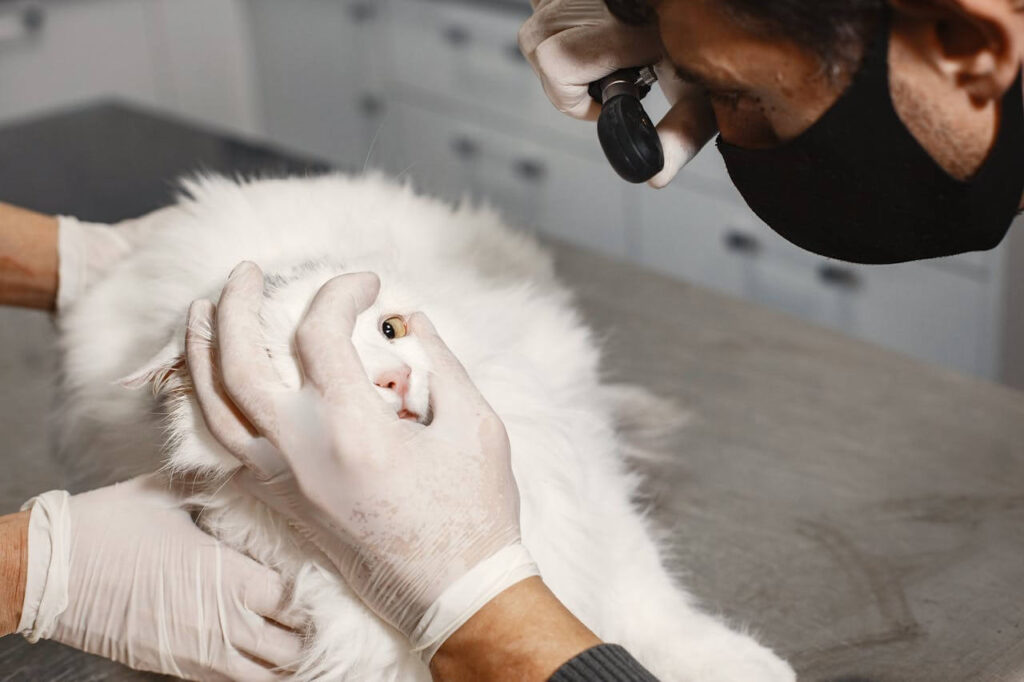
Your cat needs regular veterinary care even when they appear healthy.
Essential first vet visit checklist:
- Complete physical examination
- Core vaccinations (FVRCP and rabies)
- Feline leukemia test
- Parasite screening
- Spay or neuter if not already done
- Microchipping
Vaccination schedule:
Kittens need a series of vaccinations every three to four weeks until sixteen weeks of age. Adult cats need boosters annually or every three years depending on the vaccine. Your vet will advise based on your cat’s indoor or outdoor lifestyle.
Monthly preventive care:
Flea and tick prevention is recommended even for indoor cats. Fleas can enter on clothing, shoes, or other pets. Year-round prevention is far easier than treating an infestation.
Signs your cat needs to see a vet promptly:
- Not eating for more than 24 to 48 hours
- Vomiting multiple times in one day
- Blood in urine or straining to urinate
- Sudden weight loss or gain
- Sneezing with thick discharge
- Lethargy lasting more than a day
Common Mistakes New Cat Owners Make
Knowing what not to do is just as important as knowing what to do.
1. Forcing affection on a new cat
New cats need space to feel safe on their own terms. Forcing cuddles on a scared cat damages trust and slows the bonding process significantly.
2. Using one litter box for multiple cats
3. Feeding only dry food
Cats fed exclusively dry food often do not drink enough water, increasing the risk of urinary and kidney problems over time. Include wet food in the diet regularly.
4. Skipping annual vet visits
Many cat owners only see a vet when something is wrong. Annual wellness exams catch problems before they become expensive emergencies.
5. Ignoring scratching behavior
Scratching is not misbehavior. It is an essential natural need. Provide appropriate scratching surfaces immediately and redirect calmly when they use furniture.
6. Punishing accidents
Punishment after a litter box accident achieves nothing except fear. Find and address the cause instead.
Budget Breakdown — How Much Does It Cost to Own a Cat in the USA?
Monthly Cost Breakdown Table
| Expense | Monthly Cost |
| Cat food wet and dry | 30 to 80 dollars |
| Litter | 15 to 30 dollars |
| Treats and toys | 10 to 20 dollars |
| Flea prevention | 10 to 20 dollars |
| Vet care averaged monthly | 20 to 50 dollars |
| Total Monthly Estimate | 85 to 200 dollars |
One-time startup costs:
Initial supplies, first vet visit, vaccinations, and spay or neuter typically total between three hundred and seven hundred dollars for a new cat owner in the USA.
Pet insurance for cats:
Cat insurance in the USA averages between fifteen and forty dollars per month. It covers unexpected illness and injury costs that can otherwise reach thousands of dollars without warning.
Best Toys, Enrichment and Mental Stimulation for Indoor Cats
Complete Cat Care Guide for Beginners in Apartments
Indoor cats in apartments need environmental enrichment to stay mentally healthy.
Without stimulation, indoor cats become bored, overweight, and sometimes destructive or anxious. The solution is creating an environment that engages their natural instincts every day.
Essential enrichment for indoor cats:
- Window perch — Watching birds and outdoor activity provides hours of mental stimulation at zero cost
- Cat tree or climbing shelf — Cats feel most secure when they can observe their environment from height
- Interactive wand toys — Ten to fifteen minutes of wand toy play daily engages natural hunting behavior and provides real physical exercise
- Puzzle feeders — Replace food bowls with feeders that require problem-solving
- Cardboard boxes — Never underestimate a cardboard box. Most cats find them endlessly entertaining
Play session guidelines:
Two play sessions of ten to fifteen minutes daily is the minimum for indoor cats. Morning and evening sessions that mimic natural hunting patterns work best. Always end play sessions with a small food reward to complete the hunt-catch-eat cycle that cats are wired for.
For cats in apartments specifically, vertical space is critical. Cat trees and wall-mounted shelves allow cats to climb and survey their territory which dramatically reduces stress and boredom in limited spaces.
Frequently Asked Questions
What is the best cat care guide for beginners?
The best starting point is understanding your cat’s basic needs: clean food and water daily, a clean litter box, regular vet care, appropriate scratching surfaces, and daily interaction and play. This cat care guide for beginners covers all of these in practical steps.
What supplies do I need for my first cat?
The essentials are a litter box, clumping litter, food and water bowls, age-appropriate cat food, a carrier, a scratching post, a basic toy, and a cat bed. Have everything set up before your cat arrives home.
How do I litter train a new cat?
Most cats train themselves. Simply show them the box on arrival, scoop daily, and replace fully weekly. Avoid placing the box near food or in high-traffic noisy areas. Clean any accidents with enzyme-based cleaner to remove scent completely.
How much exercise does an indoor cat need?
Indoor cats need two play sessions of ten to fifteen minutes daily using interactive toys that mimic hunting. Without regular play, indoor cats gain weight and develop behavioral problems from boredom.
What should first-time cat owners know?
Cats need time to decompress in a new home. Do not force interaction. Provide hiding spots. Keep a consistent routine. Include wet food alongside dry. Scoop the litter box daily. And book a vet appointment within the first week of bringing your cat home.
How much does owning a cat cost per month?
Most cat owners in the USA spend between eighty-five and two hundred dollars per month on food, litter, preventive care, and supplies. First-year costs are higher due to startup supplies and initial vet visits.
What is the best food for a new kitten?
Choose a kitten-specific formula with a named protein as the first ingredient and an AAFCO nutritional adequacy statement. Include wet food alongside dry kibble to support hydration and kidney health.
How long does it take for a new cat to adjust?
Most cats feel comfortable in their new home within one to two weeks. Shy or previously traumatized cats may take four to eight weeks. Patience and a consistent calm routine speed up the adjustment process significantly.
Final Thoughts
Bringing home your first cat changes things in the best possible way.
Luna came out from under the bed on day four. She walked straight up to me, sniffed my hand, and sat down next to me on the couch. After that, she never left my side.
The cat care guide for beginners in this article gives you everything you need to create that moment with your own cat. Set up the right environment. Feed well. Keep the litter box clean. Visit the vet regularly. And give your cat the time and space they need to show you who they really are.
Be patient in the first weeks. Stay consistent with routines. And remember that every cat is different. Some warm up in days. Some take months. But every single one of them is worth the wait.
Share your first cat experience in the comments below. What was the biggest surprise in your first week? Your story might be exactly what another nervous first-time cat owner needs to hear today.
Also read:
→ Indoor Cat Care Guide
→ Cat Grooming Tips at Home
→ Best Cat Food for Healthy Growth
→ Why Is My Cat Not Eating
→ Cat Behavior Problems Solutions
Author Bio
Written by David Jason
Founder of My Pet Care Tips
Cat and dog owner with over 8 years of hands-on experience caring for pets at home. Every guide is thoroughly researched using trusted sources to help first-time and experienced pet owners make confident decisions.
Last Updated: June 1, 2026
Sources: ASPCA, AKC, Cornell Feline Health Center, PetMD
Note: Always consult a licensed veterinarian for health concerns specific to your cat.