
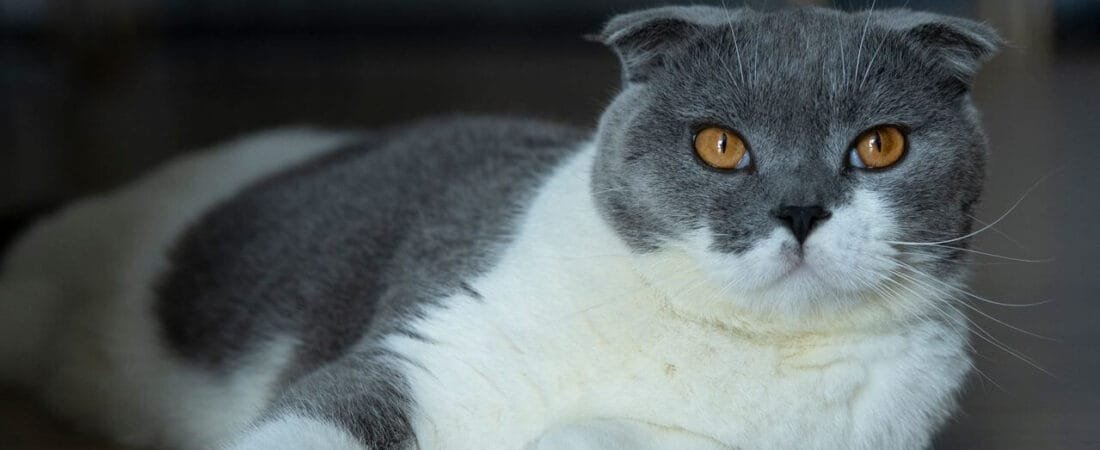
There is nothing more worrying than putting down your cat’s favorite food and watching her just walk away from it.
I have been there. My cat Luna stopped eating one evening out of nowhere. She was just sitting in the corner, staring at her bowl, completely uninterested. I panicked. I did not know if it was something serious or just a mood thing that cats sometimes do.
If you are going through the same thing right now, I want you to take a breath first. Sometimes cats stop eating for very simple reasons that are easy to fix at home. Other times, it can be a sign that something needs medical attention.
This guide will walk you through the 10 most common reasons why your cat is not eating, what you can do about it at home, and most importantly, when it is time to call your vet.
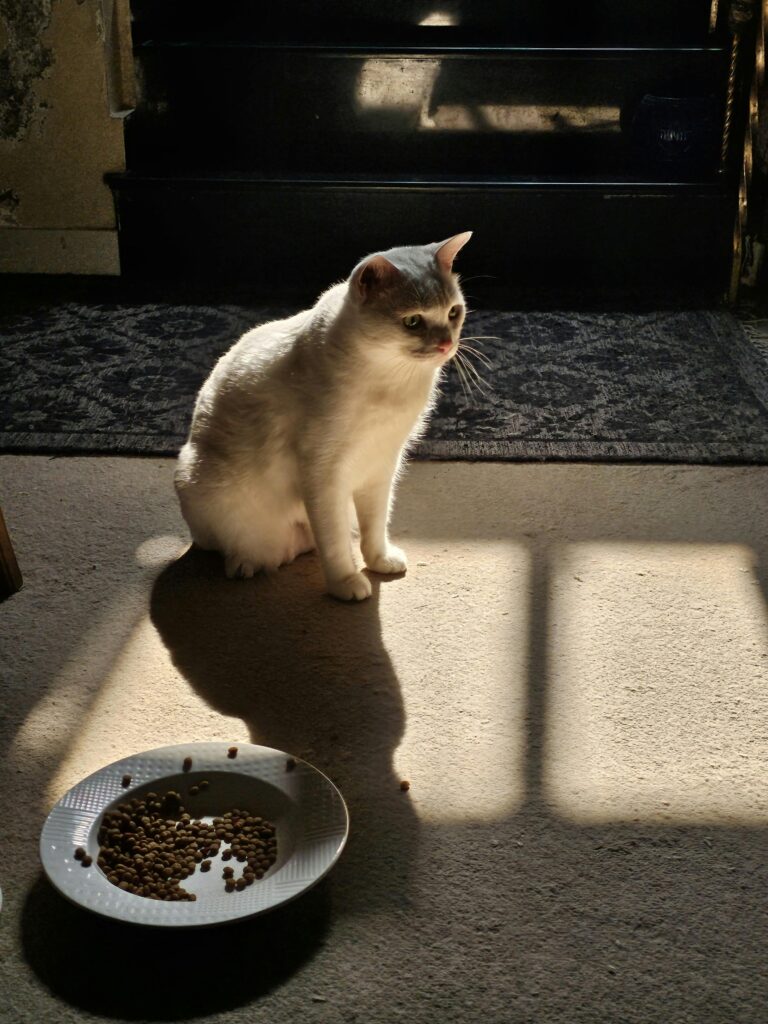
How Long Can a Cat Go Without Eating?
Before we get into the reasons, you need to know this one important thing.
A healthy adult cat can go without food for about 24 to 48 hours without it becoming dangerous. But anything beyond that starts to get risky. Cats that do not eat for more than 48 hours are at risk of developing a serious liver condition called hepatic lipidosis, which is also known as fatty liver disease.
Kittens and senior cats are even more sensitive. If your kitten has not eaten in 12 to 24 hours, that is already a reason to contact your vet.
So while one skipped meal is usually not a big deal, two days of not eating is always a reason to take action.
10 Reasons Why Your Cat Is Not Eating
1. Stress or Anxiety
Cats are creatures of habit. They like their routine, their space, and their people. When something changes in their environment, even something small that we might not even notice, they can become stressed and stop eating.
Common triggers include moving to a new home, a new baby or pet in the house, loud construction sounds nearby, rearranging furniture, or even a change in your own daily schedule.
My neighbor’s cat stopped eating for three days after they got a new puppy. Once they gave the cat her own quiet space away from the puppy, she was back to normal within a day.
If you think stress might be the reason, try to identify what changed recently. Give your cat a quiet, comfortable space, keep her routine consistent, and give her extra gentle attention. Most cats bounce back once the stress is reduced.
2. You Changed Her Food or Brand
This is one of the most common reasons cats suddenly stop eating and most owners never connect the dots.
Cats have a very strong preference for familiar smells and textures. If you switched to a new brand, a new flavor, or even just a new formula of the same brand, your cat might simply refuse to touch it.
This does not mean your cat is being difficult. It is actually built into their biology. Cats are what experts call neophobic when it comes to new foods, meaning they are naturally cautious about unfamiliar things they put in their mouth.
The solution is simple. If you need to change your cat’s food, do it gradually over 7 to 10 days. Start by mixing 25 percent new food with 75 percent old food. Then slowly increase the new food each day until the transition is complete.
3. Dental Pain or Tooth Problem
Imagine trying to eat with a painful toothache. You would probably avoid eating too.
Cats suffer from dental disease more than most people realize. In fact, studies suggest that more than 70 percent of cats show signs of dental disease by the age of three. Tooth pain, gum inflammation, mouth ulcers, or a broken tooth can all make eating extremely uncomfortable.
Signs to look for alongside not eating include drooling more than usual, pawing at the mouth, dropping food while chewing, bad breath that is worse than normal, and chewing only on one side of the mouth.
If you notice any of these signs, a vet visit is the right call. Dental issues do not resolve on their own and your cat will continue to suffer without treatment.
4. Upset Stomach
Sometimes the reason is as simple as an upset stomach. Maybe your cat ate something that did not agree with her, or she ate too fast, or she found something outside that she should not have eaten.
An upset stomach usually comes with other signs like vomiting, diarrhea, or excessive drooling. In most cases, this is temporary and resolves within 24 hours.
During this time, make sure your cat has access to clean fresh water at all times. If the vomiting or diarrhea continues for more than a day, or if your cat seems very weak or in pain, that is when you need to see a vet.
5. Respiratory Infection or Cat Cold
Have you ever had such a bad cold that you could not smell anything? And because you could not smell anything, food tasted bland and unappealing?
Cats experience the exact same thing. A lot of a cat’s appetite is driven by smell. When she has a respiratory infection, a stuffy nose, or even seasonal allergies, the inability to smell her food properly can cause her to stop eating.
Look for signs like sneezing, runny eyes or nose, coughing, or labored breathing alongside not eating. These signs together usually point to a respiratory infection.
Most mild respiratory infections in cats can be managed with supportive care at home, but if symptoms are severe or your cat is very young or old, your vet can prescribe appropriate treatment.
6. Side Effects After Vaccination
If your cat recently had her vaccinations and has now stopped eating, there is a good chance these two things are connected.
Vaccines are important and necessary but they do cause mild side effects in some cats. These can include low energy, mild fever, and reduced appetite. This is actually the immune system doing its job and responding to the vaccine.
The good news is this usually only lasts 24 to 48 hours. As long as your cat is drinking water and is not vomiting or in obvious pain, a little patience is all that is needed.
If the loss of appetite continues for more than two days after vaccination, call your vet just to be safe.
7. Kidney or Liver Disease
This is one of the more serious reasons and one that is unfortunately very common in older cats.
Kidney disease and liver problems can cause nausea, a metallic taste in the mouth, and general feelings of illness that make a cat not want to eat. Other signs include increased thirst and urination, weight loss over time, dull coat, and weakness.
If your cat is older and has gradually been eating less and less over several weeks, this is something that needs a vet visit and blood work to rule out.
Early detection of kidney disease in cats can make a significant difference in treatment options and quality of life, so please do not delay if you suspect this.
8. Depression or Loneliness
Yes, cats can get depressed. And a depressed cat often stops eating.
Common causes of depression in cats include the loss of a companion animal or a person they were close to, a sudden change in the amount of time their owner spends at home, or boredom from lack of stimulation.
Signs of a depressed cat include hiding more than usual, not grooming herself, sleeping excessively, and losing interest in play and food.
If you think your cat is lonely or depressed, spend more dedicated one-on-one time with her. Interactive toys, window perches where she can watch birds outside, and gentle play sessions can help lift her mood. In some cases, getting a companion cat can help, though this should be introduced very carefully.
9. Hairballs
Hairballs are a completely normal part of cat life but they can sometimes cause a cat to stop eating temporarily.
When a cat has a hairball stuck in her digestive tract, she may feel nauseous and full. She might also try to vomit without producing anything, eat grass if she has access to it, or show a hunched posture.
Most hairballs pass on their own. You can help by brushing your cat regularly to reduce the amount of hair she swallows, and there are also hairball remedy treats and gels available that help move things along more smoothly.
If your cat seems to be constantly struggling with hairballs and it is affecting her eating regularly, talk to your vet about a specialized hairball control diet.
10. Old Age
Senior cats, generally those aged 10 years and older, naturally experience a decrease in appetite over time. Their senses of smell and taste become less sharp. Their digestion slows down. And they simply do not require as many calories as they did when they were younger.
This does not mean you should accept significant weight loss as just part of aging. A gradual decrease in interest in food is one thing, but rapid weight loss or complete refusal to eat is always worth a vet visit regardless of age.
For senior cats, warming up food slightly to enhance the aroma can help. Wet food is also generally easier for older cats to eat compared to dry kibble.
What to Do When Your Cat Won’t Eat
Before rushing to the vet, here are some things you can try at home first:
Warm up the food
Heating wet food for about 10 seconds in the microwave releases the aroma and often makes it much more appealing. Always test the temperature before serving.
Try a different texture
If your cat normally eats dry food, try offering wet food and vice versa. Sometimes a different texture is all it takes.
Try hand feeding
Sit with your cat and offer small pieces of food from your hand. The combination of your presence and the direct offering can encourage eating.
Make sure water is fresh
Cats are very sensitive to the smell and taste of their water. Change it daily and keep the water bowl away from the food bowl.
Create a calm eating environment
Make sure her feeding area is quiet, away from loud noises, other pets, and heavy foot traffic.
Home Remedies to Stimulate Cat Appetite
These are gentle, safe things you can try at home to encourage your cat to eat:
Plain chicken broth with no salt, no onion, and no garlic can be warmed slightly and poured over food to make it more enticing.
Tuna water from canned tuna packed in water (not oil) is something most cats cannot resist. Use it sparingly as a topper on regular food.
A small amount of plain cooked chicken can be mixed with regular food to make it more appealing.
Nutritional gel or paste available at pet stores can provide temporary nutrition while you work on getting your cat back to regular meals.
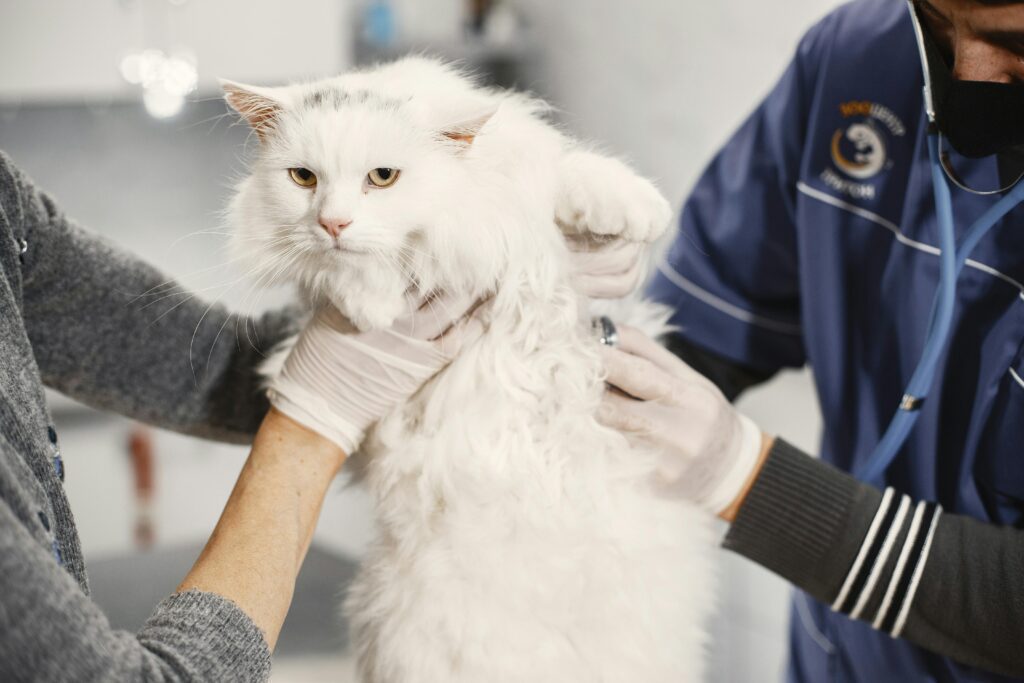
When to See a Vet Immediately
Home remedies and patience have their limits. Please contact your vet right away if:
- Your cat has not eaten anything for 48 hours or more
- Your cat is losing weight rapidly
- Vomiting is happening alongside not eating
- Your cat is lethargic, weak, or unusually quiet
- You notice yellowing of the eyes or skin which can indicate liver problems
- Your cat is a kitten or a senior cat and has not eaten for more than 24 hours
- Your cat is showing signs of pain like hunching, crying, or hiding
Always remember that you know your cat better than anyone. If something feels wrong, trust that instinct and call your vet.
Frequently Asked Questions
Why is my cat not eating but drinking water?
A cat that drinks water but refuses food could be dealing with nausea, dental pain, stress, or an underlying illness. If this continues for more than 24 to 48 hours, contact your vet.
Why is my kitten not eating?
Kittens have very little nutritional reserve and can deteriorate quickly without food. If your kitten has not eaten for 12 hours, contact your vet the same day. Do not wait.
Can I force feed my cat at home?
Force feeding is not recommended at home as it can cause choking and stress. If your cat needs assisted feeding, your vet can show you how to do it safely with a syringe.
What is the best food to offer a sick cat?
Plain boiled chicken, plain chicken broth with no additives, or a vet-recommended recovery food like Hill’s a/d are good options for sick cats with low appetite.
How do I know if my cat’s condition is serious?
Weight loss, yellowing of the eyes or skin, extreme weakness, vomiting with blood, or not eating for more than two days are all signs that require immediate veterinary attention.
Final Thoughts
A cat that stops eating can be completely fine by tomorrow or it can be the first sign of something that needs attention. The key is knowing the difference.
Start with the simple fixes. Check if anything changed recently in her environment. Try warming her food. Give her a quiet space. Most of the time, cats come around within a day or two.
But if 48 hours have passed and she still is not eating, please do not wait any longer. Your vet is always the best resource when it comes to your cat’s health.
Because at the end of the day, our pets cannot tell us when something is wrong. It is up to us to pay attention.
Also read:
→ Common Pet Health Problems
→ Cat Care Guide for Beginners
→ Best Cat Food for Healthy Growth
→ Cat Behavior Problems Solutions
→ Vet Costs in USA
Author Bio
Written by David Jason
Founder of My Pet Care Tips
Cat owner with over 8 years of hands-on experience. I have dealt with my own cats refusing food for more than once, and every tip in this guide comes from real situations I have handled at home, combined research from trusted veterinary sources.
Last Updated: June 16, 2026
Sources: ASPCA, Cornell Feline Health Center,AAFP,VCA hospitals
Note: Always consult a licensed veterinarian if your cat refuses food for more than 24 hours , especially in kittens,senior cats ,or cats with existing health conditions.