

Introduction
Nothing stops your day faster than seeing your pet unwell.
One morning Bruno would not touch his food. He just lay there looking at me with those quiet eyes. By afternoon I knew something was wrong. One vet visit and a blood panel later, we caught a kidney issue early enough to manage it completely.
That early detection made all the difference.
As a pet parent, knowing the most common pet health problems before they become serious can save your pet’s life and save you thousands of dollars in emergency treatment. Most of the conditions that lead to expensive vet visits are preventable or manageable when caught in the early stages.
This guide covers the most common pet health problems affecting dogs and cats across the USA in 2026. You will find clear symptoms, practical prevention strategies, home care advice, and guidance on exactly when to call your vet.
Why Common Pet Health Problems Are Rising in 2026

More pets are living indoors than ever before.
This is wonderful for their safety and lifespan. But indoor living combined with processed diets, reduced physical activity, and the stress of modern households creates conditions where certain health problems are becoming increasingly common.
According to the American Veterinary Medical Association, preventable conditions like obesity, dental disease, and diabetes are rising steadily in US pets. At the same time, advances in veterinary medicine mean that conditions once considered fatal are now manageable when caught early.
The single most powerful tool you have as a pet owner is knowledge. Knowing what to look for before your pet gets seriously ill changes everything.
Most Common Pet Health Problems in Dogs and Cats
Symptom Checklist Table — Dog vs Cat
| Problem | Dog Symptoms | Cat Symptoms |
| Dental disease | Bad breath, dropping food, red gums | Bad breath, drooling, pawing at mouth |
| Skin allergies | Scratching, red patches, hair loss | Over-grooming, skin sores, bald patches |
| Digestive issues | Vomiting, loose stool, bloating | Vomiting, constipation, hairballs |
| Ear infections | Head shaking, scratching ear, odor | Dark discharge, head tilt, scratching |
| Urinary problems | Frequent urination, accidents | Straining, blood in urine, crying |
| Obesity | Ribs not easily felt, low energy | Round belly, reluctance to jump |
| Arthritis | Stiff after rest, limping | Reluctance to jump, changed groom habits |
Dental Problems — Bad Breath, Tartar, and Gum Disease
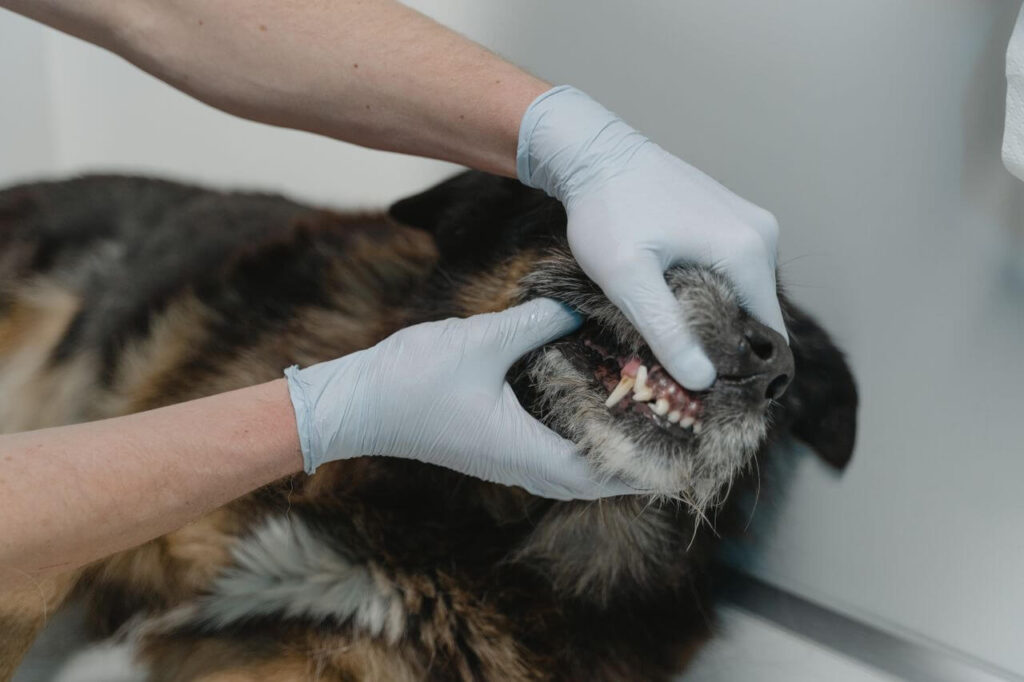
Dental disease is the most common health problem in both dogs and cats in the USA.
By age three, over seventy percent of cats and eighty percent of dogs show signs of some form of dental disease. Most owners never notice because the early stages happen quietly inside the mouth.
The consequences go far beyond bad breath. Bacteria from infected gums enter the bloodstream and travel to the heart, kidneys, and liver. Dental disease that looks like a simple tooth problem can quietly damage internal organs over years.
Warning signs:
- Breath that smells noticeably worse than usual
- Yellow or brown buildup on teeth
- Red, swollen, or bleeding gums
- Dropping food while eating or chewing on one side only
- Pawing at the mouth
Prevention:
Brush your pet’s teeth at least three times per week. Use pet-specific toothpaste only. Human toothpaste contains fluoride and xylitol which are toxic to pets. Annual professional dental cleanings under anesthesia catch and treat what brushing misses. Dental chews approved by the Veterinary Oral Health Council provide additional daily support.
Skin and Allergy Issues

Skin problems are the number one reason dog owners visit the vet in the USA.
Environmental allergens like pollen and dust mites, food ingredients like chicken or wheat, flea bites, and contact with certain cleaning products all trigger reactions in sensitive pets. Cats develop skin issues too, often manifesting as over-grooming that leads to bald patches rather than obvious scratching.
Warning signs in dogs:
- Constant scratching, licking paws, or rubbing face
- Red, inflamed, or flaky skin
- Hair loss in patches
- Recurring ear infections
Warning signs in cats:
- Over-grooming leading to thin or bald areas
- Skin sores or scabs along the back and neck
- Miliary dermatitis which appears as tiny crusty bumps
Prevention:
Year-round flea prevention eliminates one of the most common allergy triggers. A limited ingredient diet can identify and eliminate food allergens. Regular bathing with species-appropriate gentle shampoo reduces allergen contact with the skin. For dogs with seasonal allergies, wiping paws after outdoor walks removes pollen before it triggers a reaction.
Digestive Problems — Vomiting, Diarrhea, and Constipation
Every dog vomits occasionally. Every cat produces hairballs.
The question is knowing when occasional becomes concerning.
Red flag signs:
- Vomiting more than twice in one day
- Blood in vomit or stool
- Diarrhea lasting more than 48 hours
- Straining without producing anything
- Bloated or hard abdomen
- Loss of appetite alongside digestive symptoms
Cats are particularly prone to constipation, especially as they age. Signs include straining in the litter box, producing very small dry hard stools, and crying while attempting to eliminate.
Prevention:
Consistent high quality diet is the foundation of digestive health. Sudden food changes cause upset in most pets — always transition new foods over seven to ten days. Keep garbage, human foods, and foreign objects inaccessible. Regular exercise supports healthy gut motility in both dogs and cats.
For guidance on the best nutrition choices for your cat, read our guide on best cat food for healthy growth.
Ear Infections and Hearing Issues

Ear infections are extremely common in dogs and moderately common in cats.
Dogs with floppy ears like Cocker Spaniels and Basset Hounds are especially prone because the ear canal stays warm and moist. Dogs that swim frequently face similar increased risk.
Warning signs:
- Head shaking frequently
- Scratching at the ear
- Dark discharge or strong unpleasant odor from the ear
- Redness or swelling visible inside the ear flap
- Head tilting or loss of balance in severe cases
Prevention:
Check ears weekly during grooming. Clean with a vet-approved ear cleaning solution monthly. Dry ears thoroughly after swimming or bathing. Address underlying allergies that drive recurring ear infections.
Never insert anything deeper than the visible outer ear canal. Pushing debris deeper or damaging the eardrum causes more harm than the infection itself.
Urinary Tract Problems — Especially in Cats
Urinary problems are a particularly common and serious issue in cats.
Feline Lower Urinary Tract Disease, known as FLUTD, affects a significant percentage of indoor cats, particularly males. Male cats have a much narrower urethra than females, making blockages a genuine life-threatening emergency.
A blocked cat can die within 24 to 48 hours without emergency veterinary intervention.
Warning signs:
- Frequent trips to the litter box producing little or nothing
- Crying or straining while urinating
- Blood in urine
- Urinating outside the litter box
- Lethargy or loss of appetite alongside urinary symptoms
- A distended or painful abdomen
Prevention:
Fresh water always available is the most powerful preventive measure. Consider a pet water fountain since cats drink significantly more from moving water. Including wet food in the daily diet increases hydration. Reduce stress in the environment as stress is a known trigger for FLUTD flare-ups.
Any male cat that appears to be straining without producing urine is a same-day veterinary emergency. Do not wait.
Senior Pet Health Problems — What to Watch For

Pets aged seven and older need extra attention.
Their bodies are changing. Conditions that were absent at age three are now developing quietly. Annual checkups become twice-yearly checkups. Blood work and urinalysis become annual standards rather than occasional tests.
Arthritis and Joint Pain
Arthritis affects over eighty percent of dogs over the age of eight.
It is significantly under diagnosed because dogs do not complain openly and owners attribute the changes to normal aging.
Signs in dogs: Stiff movement after rest, reluctance to climb stairs or jump into the car, limping that worsens in cold weather, reduced interest in play and exercise.
Signs in cats: Reluctance to jump to previously favorite spots, changed grooming habits (older cats with arthritis cannot reach certain areas), altered litter box behavior.
Management:
Joint supplements containing glucosamine and chondroitin, omega-3 fatty acids from fish oil, weight management, gentle daily exercise, and orthopedic bedding all significantly improve quality of life for arthritic pets. Veterinary prescription anti-inflammatory medications are available for more severe cases.
For exercise routines adapted to aging dogs, read our dog exercise routine guide.
Heart Disease and Respiratory Issues
Heart disease affects approximately ten percent of all dogs in the USA.
Small breeds like Cavalier King Charles Spaniels and Dachshunds have significantly higher rates. Large and giant breeds develop different forms of cardiac disease but are also affected.
Warning signs:
- Persistent cough especially at night or after exercise
- Rapid or labored breathing at rest
- Reduced exercise tolerance
- Fainting or collapsing episodes
- Distended abdomen from fluid accumulation
Annual wellness exams include heart auscultation that can detect murmurs before clinical symptoms appear. Early detection allows medication to begin before the heart deteriorates significantly.
Cognitive Dysfunction in Senior Dogs
Cognitive Dysfunction Syndrome is the canine equivalent of dementia.
It affects an estimated twenty-eight percent of dogs aged eleven to twelve and more than sixty-eight percent of dogs aged fifteen to sixteen.
Signs:
- Disorientation in familiar environments
- Getting stuck in corners or behind furniture
- Staring at walls
- Disrupted sleep and nighttime restlessness
- House training regression
- Reduced recognition of family members
- Changes in social interaction
There is no cure but several medications and supplements have shown meaningful improvements in symptoms. A veterinary diagnosis is essential before starting any treatment protocol.
Obesity and Weight-Related Health Problems in Pets

More than fifty percent of dogs and cats in the USA are overweight.
This is the single most preventable health problem in American pets and also one of the most damaging. Obesity directly causes or worsens arthritis, diabetes, heart disease, respiratory problems, and reduces average lifespan by up to two and a half years.
How to check your pet’s weight:
Run your hands along your pet’s ribcage. You should be able to feel individual ribs without pressing hard. If you cannot feel ribs without significant pressure, your pet is likely overweight.
Prevention and management:
Measure food portions precisely with a kitchen scale rather than cup estimates. Limit treats to ten percent of daily calories maximum. Ensure daily exercise appropriate to age and breed. Schedule annual weight checks at the vet.
How to Prevent Common Pet Health Problems

Common Problems vs Prevention Table
| Health Problem | Primary Prevention |
| Dental disease | Regular brushing + annual cleaning |
| Skin allergies | Flea prevention + quality diet |
| Digestive issues | Consistent diet + no sudden changes |
| Ear infections | Weekly checks + monthly cleaning |
| Urinary problems | Fresh water + wet food in diet |
| Obesity | Measured portions + daily exercise |
| Arthritis | Weight management + joint supplements |
| Parasites | Year-round prevention medication |
Daily Preventive Care Routine
For dogs:
- Fresh water changed daily
- Measured meal portions
- At least thirty to sixty minutes of exercise
- Quick coat and paw check after outdoor time
- Teeth brushing three times weekly
For cats:
- Fresh water in a clean bowl or fountain
- Wet and dry food combination
- Two interactive play sessions daily
- Litter box scooped once daily
- Weekly ear and coat check
Best Nutrition and Diet Tips
Quality nutrition prevents more health problems than any single supplement or medication.
Always choose food with a named protein as the first ingredient. Check for an AAFCO nutritional adequacy statement on the label. Avoid foods where corn syrup, artificial preservatives, or unspecified by-products are primary ingredients.
For cats specifically, never feed dog food as a primary diet. Cats require taurine and arachidonic acid that dog food does not provide in adequate amounts.
Vaccination and Parasite Prevention
Keep all vaccinations current. Core vaccines for dogs include rabies, distemper, parvovirus, and adenovirus. Core vaccines for cats include rabies, feline herpesvirus, calicivirus, and panleukopenia.
Use year-round flea, tick, and heartworm prevention. A heartworm infection that costs over two thousand dollars to treat costs approximately fifteen dollars per month to prevent.
According to the ASPCA, preventive care consistently provides the highest return on investment in pet health over a lifetime.
When to Visit the Vet — Red Flag Symptoms
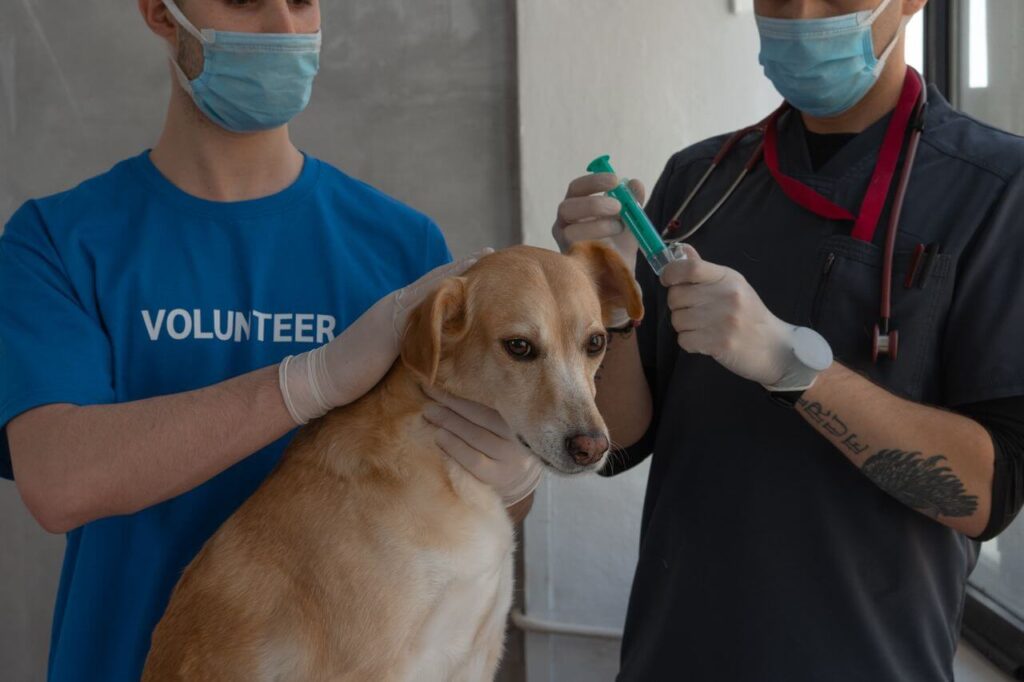
Some symptoms require same-day emergency care. Know these before you need them.
Go to emergency vet immediately:
- Difficulty breathing or choking
- Collapse or inability to stand
- Seizures
- Suspected poisoning
- Male cat straining without producing urine
- Bloated or hard abdomen
- Loss of consciousness
- Pale, white, or blue gums
- Suspected broken bones
See your vet within 24 hours:
- Not eating for more than 24 hours
- Vomiting more than twice in a day
- Blood in urine or stool
- Sudden significant behavior change
- Limping that does not improve after rest
- Swollen or painful areas anywhere on the body
Schedule a regular appointment:
- Gradual weight loss or gain
- Increased thirst or urination over several weeks
- Mild persistent cough
- Coat quality changes
- Gradual reduction in activity or energy
Creating a Pet Health Monitoring System at Home

Consistency in observation catches problems early.
Set a monthly reminder to do a brief home health assessment. The entire check takes under ten minutes but provides invaluable information about your pet’s baseline health.
Monthly home health checklist:
- Weight: Can you feel ribs easily? Has your pet gained or lost visible weight?
- Coat: Shiny and smooth with no excessive shedding, bald patches, or dandruff?
- Eyes: Clear and bright with no persistent discharge or cloudiness?
- Ears: Pink, clean, and odor-free with minimal wax?
- Mouth: Pink gums with no excessive tartar, redness, or bleeding?
- Paws: No cracking, redness, or swelling between toes?
- Energy: Is your pet as active and engaged as their normal baseline?
- Appetite: Eating consistently with no sudden changes?
- Bathroom: Normal frequency, volume, and consistency?
- Behavior: Any new behaviors or changes from their usual personality?
Document any changes in a simple notes app on your phone. When you visit the vet, this record helps your veterinarian identify patterns that a single appointment might miss.
Frequently Asked Questions
What are the most common pet health problems in dogs and cats?
Dental disease, skin allergies, digestive issues, ear infections, and obesity are the most frequently reported common pet health problems in both dogs and cats across the USA. Urinary tract disease is particularly common in cats while arthritis is especially prevalent in senior dogs.
What are early signs of common pet health problems?
Early warning signs include changes in appetite or water consumption, coat quality changes, reduced energy or activity, behavioral changes, altered bathroom habits, and any new lumps or physical changes. Subtle signs noticed early lead to better treatment outcomes than waiting for obvious symptoms.
How can I prevent common health issues in my pet?
Annual wellness exams, current vaccinations, year-round parasite prevention, daily dental care, measured food portions, regular exercise, and consistent health monitoring at home prevent the majority of common pet health problems before they develop into serious conditions.
What are common senior pet health problems?
Arthritis and joint disease, heart disease, kidney disease, dental disease, cognitive dysfunction in dogs, hyperthyroidism in cats, and diabetes are the most common conditions affecting senior pets. Twice-yearly vet visits and annual blood work catch these conditions at their most treatable stages.
How do I know when to take my pet to the vet?
Emergency signs requiring immediate care include breathing difficulty, collapse, seizures, bloating, and blue or white gums. Signs requiring same-day care include not eating for 24 hours, blood in vomit or stool, and sudden severe behavior changes. Gradual changes should be monitored and reported at scheduled appointments.
Are dental problems really that common in pets?
Yes. Dental disease affects over seventy percent of cats and eighty percent of dogs by age three. It is the single most common health problem seen in veterinary practices across the USA and one of the most preventable with regular home dental care.
What should I do if my cat has urinary problems?
A cat straining to urinate, especially a male cat, is a veterinary emergency. Do not wait and do not attempt home treatment. Urinary blockages can be fatal within 24 to 48 hours. A cat urinating outside the litter box or showing blood in urine needs a same-day veterinary appointment.
How much does it cost to treat common pet health problems in the USA?
Dental cleanings run from 300 to 800 dollars. Ear infections cost 100 to 300 dollars per visit. Urinary blockage treatment costs 1,500 to 3,000 dollars. Arthritis management runs 100 to 500 dollars monthly. Cancer treatment ranges from 5,000 to 20,000 dollars. Pet insurance averaging 30 to 100 dollars monthly significantly reduces these out-of-pocket costs.
Final Thoughts
Bruno is nine years old now.
We caught that kidney issue when he was six during a routine wellness visit. Three years of managed diet, regular monitoring, and appropriate supplements later, his kidney function has remained stable. He runs, he plays, and he eats his breakfast with exactly the same enthusiasm he always has.
That early detection happened because I knew what to look for and acted on it quickly.
The most common pet health problems are not inevitable sentences. They are conditions that respond dramatically better to early intervention than delayed treatment. Your job as a pet owner is to know the warning signs, maintain consistent preventive care, and never dismiss changes as just aging or just a phase.
Schedule annual wellness exams. Keep vaccinations current. Brush those teeth. Watch the weight. And pay attention to changes in behavior and energy that your gut tells you are not quite right.
Your pet cannot tell you when something is wrong. But their body always gives signals. Learn to read them.
What health concern are you currently facing with your pet? Share it in the comments below and let us know what breed and age your pet is. You might be dealing with something that another reader needs to hear about too.
Also read:
→ Common Dog Health Problems
→ Cat Behavior Problems Solutions
→ Indoor Cat Care Guide
→ Vet Costs in USA
→ Pet Emergency Signs
Author Bio
Written by David Jason
Founder of My Pet Care Tips
Dog and cat owner with over 8 years of hands-on experience monitoring and managing pet health at home.Every recommendation is researched using trusted veterinary sources to help US pet owners make confident health decisions.
Last Updated: June 10, 2026
Sources: ASPCA, AVMA, AKC,Cornell Feline Health Center,Banfield Pet Hospital Report 2026
Note: This guide is for informational purposes only.Always consult a licensed veterinarian for diagnosis and treatment of health conditions in your pet.