
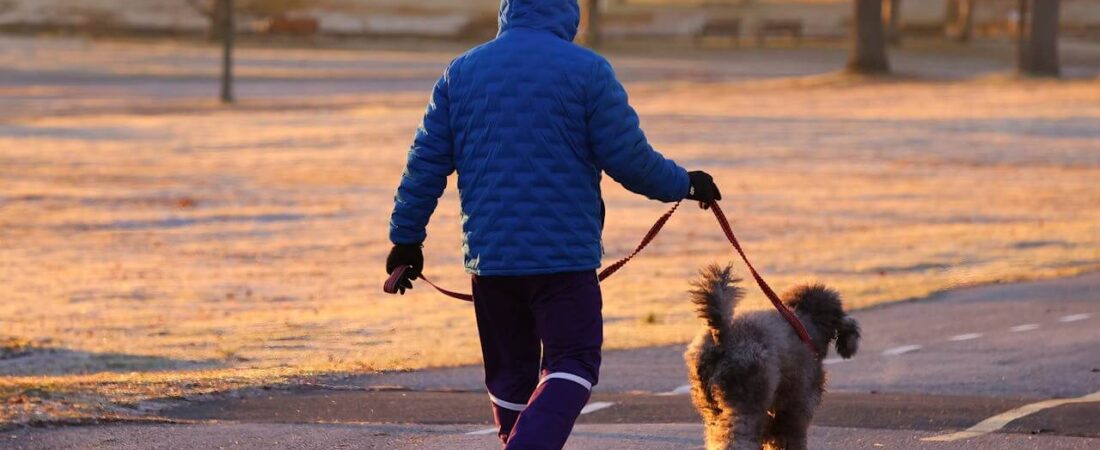
My neighbor’s Labrador Bruno was destroying the house.Couch cushions. Shoes. A remote control that never recovered. His owner was frustrated, exhausted, and genuinely considering rehoming him.
Then a vet gave him one simple piece of advice. Bruno was not a bad dog. He was an under-exercised dog.
Two weeks of a proper daily dog exercise routine later, the destruction stopped completely. Bruno was calm, happy, and well-behaved. Nothing about him had changed except how much physical and mental activity he was getting each day.
This story plays out in homes across the USA every single day.
A proper dog exercise routine is not just about keeping your dog physically fit. It prevents destructive behavior, reduces anxiety, maintains healthy weight, and dramatically improves your dog’s quality of life. For busy families in apartments, suburban homes, and everywhere in between, knowing exactly how much exercise your dog needs changes everything.
A proper dog exercise routine is not just about keeping your dog physically fit. It prevents destructive behavior, reduces anxiety, maintains healthy weight, and dramatically improves your dog’s quality of life. For busy families in apartments, suburban homes, and everywhere in between, knowing exactly how much exercise your dog needs changes everything.
This guide covers everything you need to build the perfect daily dog exercise routine for your specific dog in 2026.
Why a Proper Dog Exercise Routine Matters
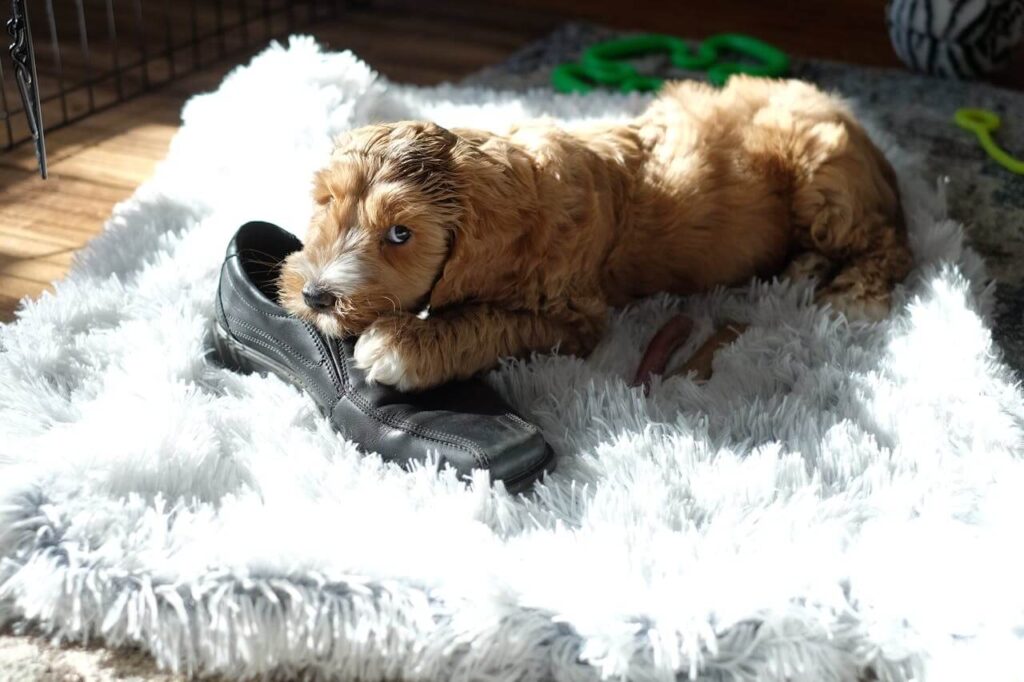
always a sign of an under-exercised
and mentally unstimulated dog
Most dog owners know exercise is important. Very few understand just how much.
An under-exercised dog is not just a bored dog. They are a dog whose body and mind are actively suffering from the lack of stimulation they were literally bred for. The consequences show up in ways that frustrate owners daily.
- Destructive chewing and digging
- Excessive barking
- Hyperactivity indoors
- Difficulty sleeping at night
- Weight gain and obesity-related health problems
- Anxiety and restlessness
- Aggression toward other dogs or people
According to the American Kennel Club, regular exercise reduces the risk of obesity, joint disease, and behavioral problems significantly in dogs of all ages and breeds.
The good news is that building a consistent dog exercise routine does not require hours of your time. It requires the right activities done consistently at the right intensity for your specific dog.
How Much Exercise Does a Dog Need Per Day?
There is no single answer that works for every dog.
A Great Dane and a Jack Russell Terrier are both dogs. But their exercise needs are completely different. Breed, age, size, and health status all play major roles in determining how much daily activity is appropriate.
A general baseline for healthy adult dogs is thirty to sixty minutes of moderate exercise per day. But many high-energy breeds need significantly more than that.
Dog Exercise Needs by Breed
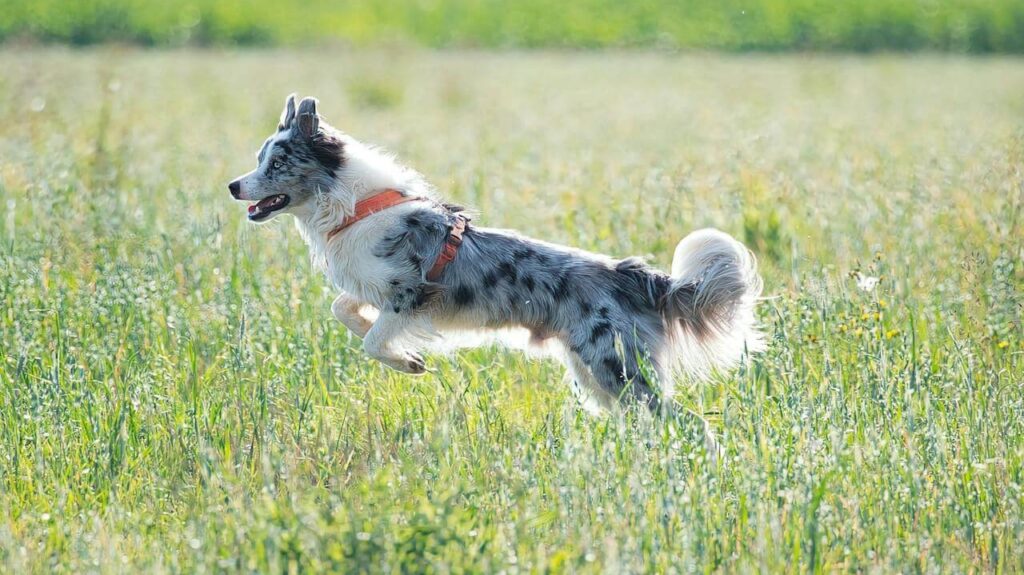
Collies and Labradors need 60
to 120 minutes of daily exercise
to stay calm and healthy
Building the right dog exercise routine starts with understanding your breed’s natural energy level.
High Energy Breeds — 60 to 120 minutes daily:
Border Collie, Australian Shepherd, Labrador Retriever, Golden Retriever, German Shepherd, Husky, Weimaraner, Vizsla, Belgian Malinois.
These breeds were developed for demanding physical work. Without adequate daily exercise, they become difficult to live with regardless of how much training they receive.
Medium Energy Breeds — 30 to 60 minutes daily:
Bulldog, Basset Hound, Shih Tzu, Cavalier King Charles Spaniel, Poodle, Cocker Spaniel, Boxer.
These dogs enjoy daily activity but do not require the intensity that working breeds need.
Low Energy Breeds — 20 to 30 minutes daily:
Chow Chow, Basset Hound, Mastiff, Great Dane, Pekingese.
Larger and more laid-back breeds still need daily movement for joint and cardiovascular health. They just do not need intense sustained activity.
| Breed Category | Daily Exercise | Ideal Activities |
| High Energy | 60 to 120 min | Fetch, running, agility |
| Medium Energy | 30 to 60 min | Walking, swimming, play |
| Low Energy | 20 to 30 min | Gentle walks, short play |
| Senior Dogs | 15 to 30 min | Slow walks, light play |
| Puppies | 5 min per month of age | Short play sessions |
Best Dog Exercise Routine by Age
Age changes everything about what is appropriate for your dog’s activity level.
Puppy Exercise Routine Guide — First 12 Months

sessions — just 5 minutes per
month of age to protect their
developing joints
Puppies need exercise. But they do not need intense sustained exercise.
Their growth plates are still developing until around twelve to eighteen months depending on breed. Over-exercising a puppy before growth plates close can cause permanent joint damage that affects them for life.
The general guideline is five minutes of exercise per month of age, twice daily. A three-month-old puppy needs fifteen minutes twice a day. A six-month-old needs thirty minutes twice a day.
What works for puppies:
- Short play sessions in the yard or living room
- Gentle leash walks on soft surfaces
- Puppy socialization classes
- Light fetch with soft toys
- Mental stimulation through basic training
What to avoid with puppies:
- Long runs or jogs
- Jumping from heights
- Sustained high-impact play on hard surfaces
- Forced exercise on leash at adult pace
Adult Dog Daily Exercise Routine
Adult dogs from one to seven years need consistent daily activity to stay physically and mentally healthy.
For most healthy adult dogs, the ideal daily dog exercise routine looks like this:
- Morning: 20 to 30 minute walk or play session
- Midday: 10 to 15 minutes of mental stimulation or training
- Evening: 20 to 30 minute walk or active play
This routine covers both physical and mental needs. It fits into most busy American schedules. And it provides enough daily activity to prevent the behavior problems that come from boredom and excess energy.
For high-energy breeds, increase each session by fifteen to twenty minutes and add a dedicated fetch or running session several times per week.
Senior Dog Exercise Routine — Low Impact

Senior dogs aged seven and older still need regular movement.
In fact, gentle daily exercise is one of the most powerful tools for managing arthritis, maintaining healthy weight, and supporting cardiovascular health in older dogs. Stopping exercise entirely when a dog gets older is actually counterproductive.
The key is adjusting intensity, not eliminating activity.
Best exercises for senior dogs:
- Slow gentle walks on soft surfaces like grass
- Swimming, which provides resistance without joint impact
- Short play sessions that do not require jumping
- Gentle massage and stretching
Signs a senior dog has done too much:
- Stiffness or limping after exercise
- Reluctance to move the following day
- Excessive panting that takes longer than usual to resolve
If your senior dog shows any of these signs, shorten sessions and speak with your vet about an appropriate exercise plan.
Best Daily Dog Workout Routine for High Energy Breeds
High-energy breeds need more than a twice-daily walk.
They need activities that genuinely challenge their bodies and minds. A thirty-minute slow walk simply does not cut it for a Border Collie, Husky, or working-line German Shepherd.
The most effective activities for high-energy breeds:
- Fetch with a ball launcher — Twenty minutes of active fetch provides more physical output than an hour of leash walking
- Agility training — Combines physical and mental challenge in one activity
- Running or cycling — For breeds built for sustained effort, running alongside a bike is an excellent outlet
- Swimming — Full-body low-impact exercise that tires dogs efficiently
- Flirt pole — Ten minutes of flirt pole exercise matches thirty minutes of regular play in terms of energy expenditure
Dog Exercise Routine for Apartment Living
Living in an apartment with a high-energy dog is absolutely manageable with the right routine.
The key is creative use of limited space and commitment to getting outside for adequate daily activity.
Sample apartment dog exercise routine:
- Before work: 30 minute brisk walk or park visit
- Midday (or lunch break): 15 minute mental stimulation at home
- After work: 30 to 45 minute active session at a nearby park or open space
- Evening: Short 10 minute decompression walk before bed
Inside the apartment, puzzle feeders, frozen KONGs, snuffle mats, and indoor fetch with soft toys keep dogs mentally engaged during the hours when outdoor activity is not possible.
Indoor Dog Exercise Routine for Rainy Days and Busy Owners
Not every day allows for outdoor exercise.
Rain, extreme heat, busy schedules, and illness all create days when your outdoor routine is not possible. Having a go-to indoor routine prevents those days from turning into problem behavior sessions.
Best indoor exercise ideas:
- Stair climbing — Walking up and down stairs repeatedly provides genuine cardiovascular exercise in a small space
- Hide and seek with treats — Hide kibble or treats around the home and let your dog sniff them out
- Indoor fetch in a hallway — Soft balls or fabric toys work well for hallway fetch without risk of breakage
- Training sessions — Teaching new commands or practicing existing ones is mentally exhausting for dogs and can substitute for physical exercise on difficult days
- Tug of war — A ten to fifteen minute tug session provides real physical engagement and also builds focus and impulse control
- Puzzle feeders — Replace the food bowl with a puzzle feeder at every meal on days when outdoor exercise is limited
Mental Stimulation Exercises — The Missing Piece
Most dog owners focus almost entirely on physical exercise.
Mental exercise is just as important and often more tiring for dogs than physical activity alone.
A dog that solves a challenging puzzle for twenty minutes is often calmer afterward than a dog that walked for an hour. This is because mental work engages different neural pathways and provides a type of tiredness that physical activity alone does not create.
Best mental stimulation exercises:
- Nose work and scent games — Hide treats or a favorite toy and ask your dog to find them using their nose
- Training new tricks — Learning a new behavior requires intense concentration from a dog
- Puzzle feeders and slow feeders — Replace regular bowls with feeders that require problem-solving
- Interactive toys — The Nina Ottosson puzzle range and KONG Wobbler treat dispenser are among the most effective
- The shell game — Hide a treat under one of three cups and shuffle them, then let your dog find it
Including at least one mental stimulation activity in your daily dog exercise routine makes the entire routine significantly more effective.
Warm Up and Cool Down Exercises for Dogs
Just like human athletes, dogs benefit from warming up before intense exercise and cooling down afterward.
Skipping warm-ups leads to muscle strains and injuries. Skipping cool-downs can leave joints stiff and sore, especially in older dogs.
Warm-up routine before exercise:
- Five minutes of slow leash walking before increasing pace
- Gentle circular range of motion movements with each leg
- Allow your dog to sniff and explore at their own pace initially
Cool-down routine after exercise:
- Five to ten minutes of slow walking after intense activity
- Fresh water immediately available
- Check paws for cuts, soreness, or debris
- Gentle massage along the back and legs for senior dogs
This simple warm-up and cool-down habit reduces injury risk significantly and keeps your dog comfortable for their next session.
Sample Weekly Dog Exercise Routine
For Medium to High Energy Adult Dogs
| Day | Morning | Midday | Evening |
| Monday | 30 min walk | 15 min training | 30 min fetch |
| Tuesday | 20 min walk | Puzzle feeder | 40 min park play |
| Wednesday | 30 min walk | 15 min hide and seek | 30 min walk |
| Thursday | 20 min walk | Puzzle feeder | 45 min run or cycling |
| Friday | 30 min walk | 15 min training | 30 min fetch |
| Saturday | 60 min walk | Midday rest | 30 min evening walk |
| Sunday | 45 min walk | Mental stimulation | 20 min gentle play |
This weekly routine provides variety which prevents boredom, covers both physical and mental needs, and fits into a typical busy American schedule.
Signs Your Dog Needs More or Less Exercise
Your dog communicates their exercise needs clearly once you know what to look for.
Signs your dog needs MORE exercise:
- Destructive chewing or digging
- Hyperactivity indoors that does not settle
- Barking excessively without obvious cause
- Difficulty sleeping at night
- Weight gain despite controlled diet
- Jumping on people constantly
- Restlessness and inability to settle
Signs your dog needs LESS exercise:
- Limping or stiffness after walks
- Extreme exhaustion that lasts hours after activity
- Reluctance to move the day following exercise
- Sore paw pads after outdoor sessions
- Loss of appetite combined with fatigue
Both under-exercise and over-exercise create problems. Finding the right balance for your specific dog is the goal of a sustainable daily dog exercise routine.
Common Mistakes to Avoid in Dog Exercise Routine
Even well-intentioned owners make these mistakes regularly.
1. Doing the same activity every day
Dogs get bored with identical routines just like people do. Rotate activities throughout the week to keep engagement high and work different muscle groups.
2. Skipping exercise on busy days without a backup plan
One missed day is fine. Several missed days in a row create noticeable behavioral changes in high-energy dogs. Always have an indoor backup routine ready.
3. Walking only and calling it enough
For most active breeds, leash walking is not sufficient as the sole form of exercise. It provides basic movement but does not challenge the cardiovascular system or drain energy adequately.
4. Over-exercising puppies
This is one of the most common and most damaging mistakes new owners make. Follow the five-minute-per-month-of-age guideline strictly until your vet confirms growth plates have closed.
5. Ignoring mental stimulation entirely
Physical exercise without mental engagement only addresses half of your dog’s needs. Include at least one mental activity in every daily routine.
6. Not adjusting for heat and weather
In summer especially, intense exercise during peak heat hours is dangerous. Read our complete guide on dog summer care tips to understand how to adjust your routine safely during hot weather.
Frequently Asked Questions
How much exercise does a dog need per day?
Most healthy adult dogs need thirty to sixty minutes of moderate exercise daily. High-energy working breeds need sixty to one hundred and twenty minutes. Senior dogs and puppies need shorter, gentler sessions. Always match exercise to your dog’s specific breed, age, and health status.
What is the best dog exercise routine for high energy breeds?
The most effective dog exercise routine for high-energy breeds combines morning and evening walks with at least one high-intensity activity daily such as fetch, running, swimming, or agility. Mental stimulation through puzzle toys and training sessions should be included alongside physical activity.
How do I create an indoor dog exercise routine?
Indoor routines work best when they combine physical and mental activities. Stair climbing, indoor fetch with soft toys, tug of war, hide and seek with treats, training sessions, and puzzle feeders are all highly effective for days when outdoor exercise is not possible.
What exercises are safe for senior dogs?
Slow gentle walks on soft surfaces, swimming, short play sessions that do not require jumping, and gentle stretching are the safest options for senior dogs. Avoid high-impact activities, prolonged sustained exercise, and anything that requires jumping from heights.
How much exercise does a Labrador need daily?
Labradors are high-energy working dogs and need at least sixty to ninety minutes of active exercise daily. This should include a combination of walking, fetch, and mental stimulation. Without adequate daily activity, Labradors tend to become destructive and overweight.
Can I over-exercise my dog?
Yes. Over-exercise causes muscle strains, joint damage, paw injuries, and heat exhaustion. Signs include limping after exercise, prolonged fatigue, reluctance to exercise the following day, and loss of appetite. Puppies are most vulnerable to over-exercise damage. Always monitor your dog’s response after sessions and adjust accordingly.
Final Thoughts
The right dog exercise routine does not have to be complicated.
It just has to be consistent, appropriately matched to your dog’s needs, and varied enough to stay engaging for both of you.
Bruno’s story is not unique. Thousands of dogs across the USA are labeled as problem dogs when all they actually need is a proper daily exercise plan. Physical activity, mental stimulation, and consistent routine are the three pillars of a happy, well-behaved dog.
Start with where you are today. If your dog currently gets fifteen minutes of activity, add fifteen more tomorrow. Build gradually. Find activities your dog genuinely loves. And make the routine sustainable for your lifestyle.
Your dog cannot tell you what they need. But their behavior tells you everything. Listen to it.
What does your dog’s current daily routine look like? Drop it in the comments below and let us know what is working and what is not. And if you found this guide helpful, share it with another dog owner who might need it.
Also read: How to Train a Puppy at Home , Best Dog Toys for Active Dogs and Dog Summer Care Tips , Common Dog Health Problems and Best Dog Breeds for Families
Author Bio
Written by David Jason
Founder of My Pet Care Tips
Dog owner and animal care enthusiast with over 8 years of hands-on experience with dogs of all breeds energy levels and ages. Every guide is thoroughly researched using trusted veterinary sources to help everyday US dog owners make the best decisions for their pets.
Last Updated: May 30, 2026
Sources: AKC, ASPCA, Veterinary Partner, Journal of Veterinary Behavior
Note: Always consult a licensed veterinarian before starting any new exercise program for dogs with existing health conditions.