US dog summer care begins with planning safe outdoor activity, cool indoor rest, hydration and prevention of heat injury. Dogs can overheat even outside peak afternoon hours.
Heat illness can be serious, and local conditions vary throughout the country.
Heat, humidity, direct sunshine, warm surfaces and limited ventilation can all increase risk. Individual dogs vary in tolerance.
In this guide, you will find everything you need to keep your dog safe this summer. We cover warning signs, safe walking times, cooling products, emergency steps, and breed-specific advice. All in simple, practical language you can act on today.
Why Dog Heat Safety Matters
Recognize the conditions that increase a dog’s risk.
Even relatively short exposure or exertion can cause heat-related illness. Individual risk depends on conditions and health.
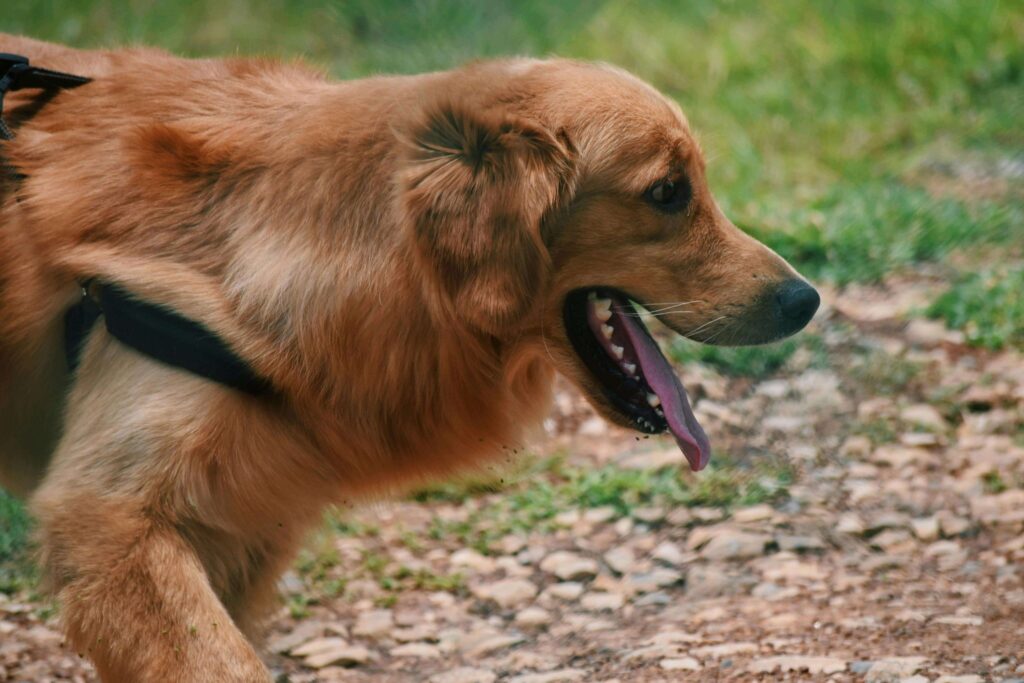
Unlike humans, dogs cannot sweat through their skin. They cool themselves almost entirely through panting. When the air around them is already hot and humid, panting becomes far less effective. Their body temperature rises fast. And it can reach dangerous levels before you even notice something is wrong.
Sunlit pavement and sand may become much hotter than surrounding air. Choose cooler surfaces and avoid contact if they feel hot.
This is why having a solid plan for summer is not optional anymore. It is genuinely life-saving knowledge.
When Is It Too Hot to Walk Your Dog?
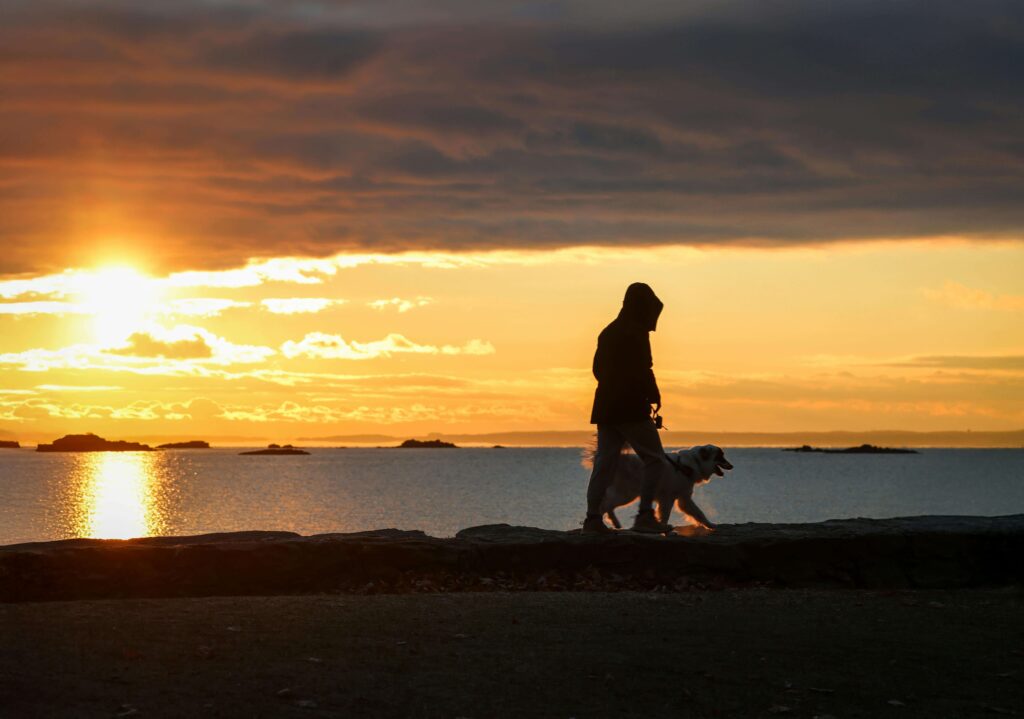
This is one of the most common questions dog owners ask every summer.
There is no universal safe temperature for every dog. Consider actual conditions, individual risk and surface temperature; choose indoor enrichment when outdoor exercise is unsafe.
But air temperature is only part of the picture.
Understanding Dog Summer Care Tips for Different US Climates
The USA has wildly different summer conditions depending on where you live.
In Arizona and Nevada, dry desert heat hits 110 degrees or more. The air is hot but low in humidity. Dogs dehydrate faster than usual in these conditions.
In Florida and the Gulf Coast states, summer brings extreme humidity alongside heat. High humidity makes panting far less effective because the air is already saturated with moisture. A 90-degree humid day in Miami is actually more dangerous than a 100-degree dry day in Phoenix.
In Texas, you get both. Intense heat and high humidity in the eastern part of the state. Dry scorching heat in the west.
In California, the coast is manageable but inland valleys hit dangerous temperatures fast. The Central Valley regularly sees 105 to 115 degrees in July and August.
The key dog summer care tips vary slightly by region. But the foundation is the same everywhere. Avoid peak heat hours, protect paws from hot pavement, and always ensure access to fresh water.
Essential Dog Summer Care Tips Every Owner Should Know
Before we get into specific topics, here are the most important dog summer care tips to keep close at all times.
- Choose the coolest actual conditions; skip walks if heat or humidity makes exercise unsafe
- Always carry water and a collapsible bowl on walks
- Never leave your dog in a parked car for any amount of time
- Check pavement temperature with your bare hand before walking
- Watch for early signs of overheating constantly
- Provide shade and cool water in the yard at all times
- Avoid unnecessary outdoor play in peak heat; use indoor enrichment
- Freeze treats and toys to help your dog cool down at home
Signs of Heatstroke and Heat Exhaustion in Dogs
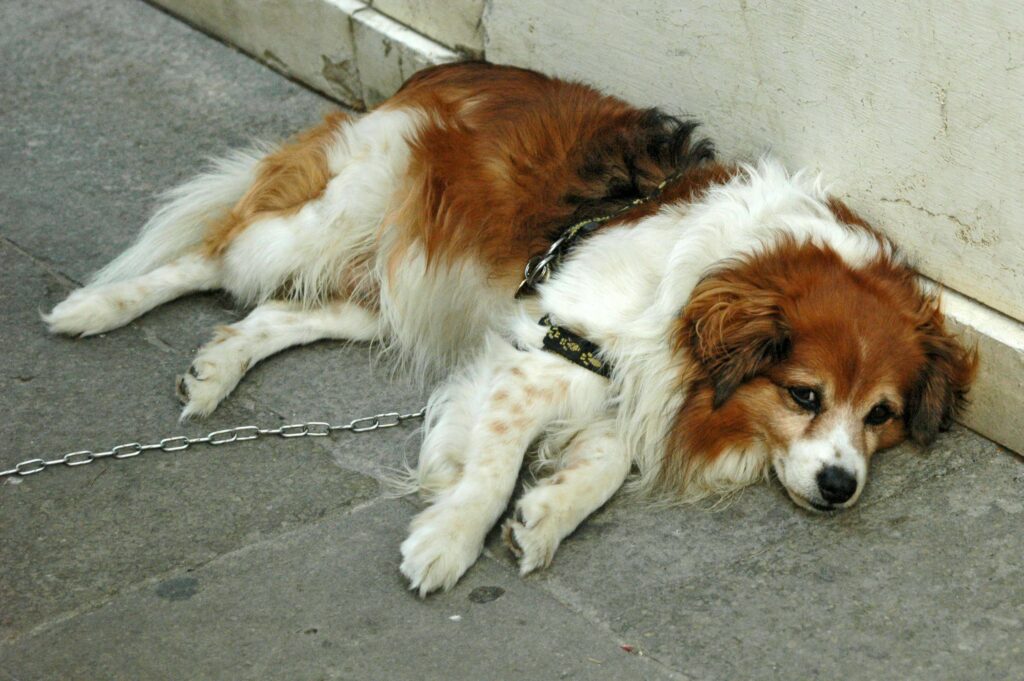
Knowing the difference between a hot dog and a dog in crisis could save their life.
Symptom Comparison Table
| Symptom | Heat Exhaustion | Heatstroke Emergency |
| Panting | Heavy | Extreme and desperate |
| Gum color | Pink but dry | Bright red or pale |
| Drooling | Excessive | Thick and ropy |
| Energy level | Tired and slow | Collapsed or unable to stand |
| Eyes | Glassy | Glazed or unfocused |
| Vomiting | Possible | Likely with blood |
| Body temperature | Do not wait for a temperature reading | |
What to Do Immediately
If your dog shows signs of heatstroke, act within seconds. Every minute matters.
Step 1: Move your dog to a cool shaded or air-conditioned space immediately.
Step 2: Start cooling immediately with water cooler than your dog, poured over the body while avoiding the head. Combine with airflow. Do not delay cooling while looking for a specific water temperature.
Step 3: Place a fan near them if available.
Step 4: Offer small sips only if your dog is alert and swallowing normally. Do not force water.
Step 5: Call your vet or emergency animal hospital immediately. Do not wait to see if they improve on their own.
Step 6: Transport them to the vet even if they seem to recover. Internal damage from heatstroke is not always visible from the outside.
According to the ASPCA, heatstroke can cause organ failure even after a dog appears to have recovered. Immediate veterinary care is non-negotiable.
Best Ways to Keep Dogs Cool in Extreme Heat 2026
Keeping your dog cool is not complicated. But it does require some planning.
Practical Dog Summer Care Tips for Hot Pavement and Paw Burns
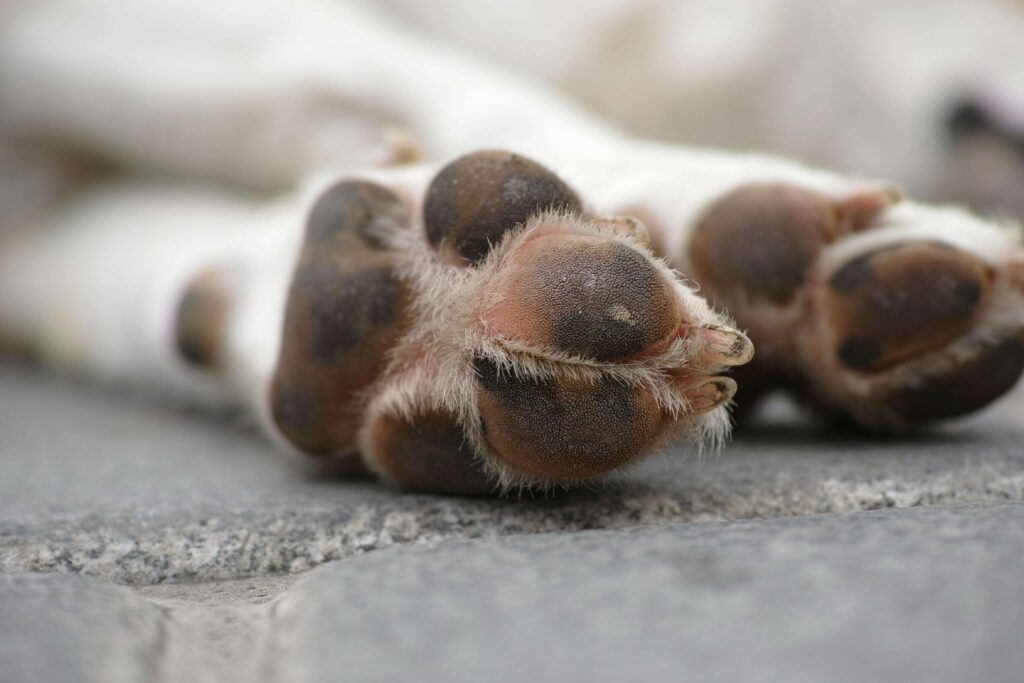
Paw burns are one of the most overlooked summer injuries in dogs.
Hot surfaces can injure paw pads. Avoid them and contact a veterinarian if the paws become painful, blistered or damaged.
A hand check can identify uncomfortable surfaces, but it does not guarantee safety. Prefer cooler shaded ground and avoid hot surfaces entirely.
To protect paws:
- Walk on grass whenever possible instead of pavement
- Use dog booties for pavement walks during summer
- Avoid hot surfaces; paw balm does not protect against unsafe pavement temperatures
- Walk during early morning or evening when pavement has cooled
- Check paws after every walk for redness, blistering, or raw patches
At home cooling tips:
- Set up a paddling pool in a shaded area of the yard
- Place cooling mats in your dog’s favorite resting spots
- Keep blinds closed during the hottest part of the day to reduce indoor temperature
- Run a fan near their sleeping area
- Give frozen treats throughout the day
Cooling Product Examples and Safety Limitations
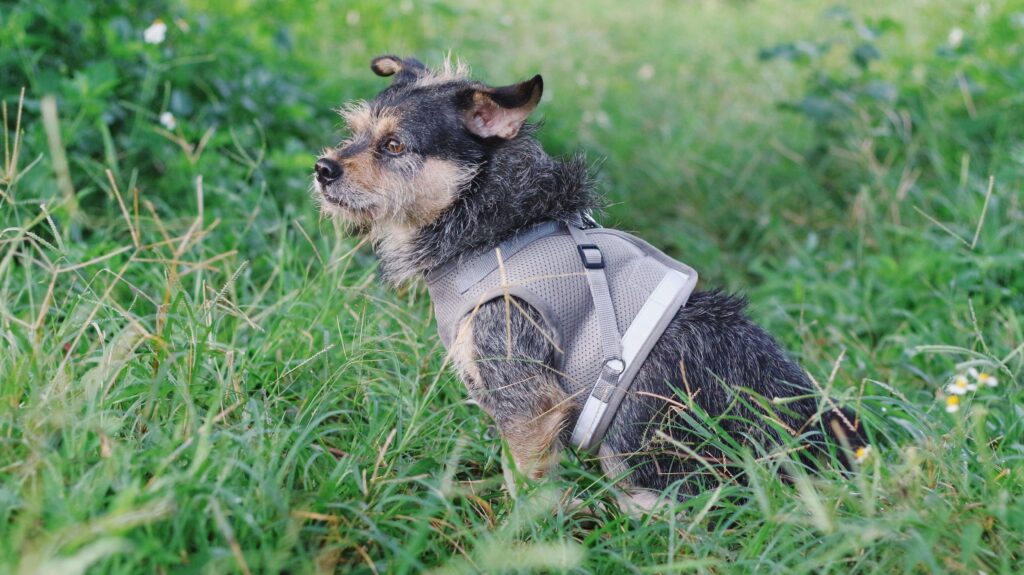
Comparison Table
| Product | Type | Best for | Price Range | Use limitation |
| Ruffwear Swamp Cooler Vest | Cooling Vest | Active outdoor dogs | High | Optional aid; not treatment |
| The Green Pet Shop Cooling Mat | Cooling Mat | Indoor use | Medium | Optional aid; not treatment |
| Kurgo Cooling Bandana | Bandana | Quick portable relief | Low | Optional aid; not treatment |
| KONG H2O Portable Fountain | Water Bottle | Walks and hiking | Medium | Optional aid; not treatment |
| Chillz Cooling Mat | Pressure Activated Mat | Budget-friendly option | Low | Optional aid; not treatment |
An evaporative vest is an optional comfort accessory; fit and humidity affect its performance. It does not make unsafe exercise safe.
A cooling mat may provide an optional resting surface. Check product instructions, supervise use and discard damaged mats.
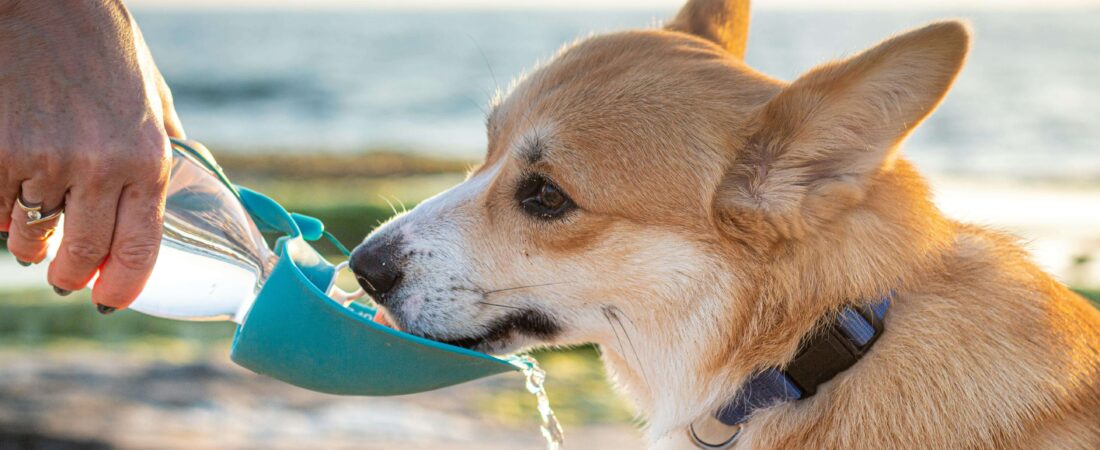
A portable bottle and bowl can make fresh water easier to carry, regardless of brand.
Check current retailer listings, sizing and availability.
Breed Specific Dog Heat Safety Advice
Not all dogs handle heat the same way. Some breeds are significantly more vulnerable than others.
Brachycephalic Breeds — Bulldogs, Pugs, French Bulldogs
These dogs have short flat faces and narrow airways.
They struggle to breathe normally even in cool weather. In summer heat, their already limited ability to pant means they overheat in a fraction of the time other breeds do. A Bulldog can develop heatstroke in temperatures that a Labrador would handle easily.
For these breeds, outdoor time during summer should be extremely limited. Air conditioning is not optional. It is essential.
Double-Coated Breeds — Huskies, Golden Retrievers, German Shepherds
common myth is that shaving a double-coated breed helps them stay cool in summer.
It actually makes things worse. The double coat insulates against both cold and heat. Shaving it removes that natural protection and exposes the skin to direct sun, which increases the risk of sunburn and overheating. Brush regularly to remove loose undercoat instead.
Senior Dogs
Older dogs regulate body temperature less efficiently.
Their cardiovascular systems are not as strong. They tire more quickly. They may also be on medications that increase heat sensitivity. Senior dogs need shorter outdoor sessions, more frequent water breaks, and extra monitoring during hot weather.
Puppies
Young puppies cannot regulate body temperature as effectively as adult dogs.
They also do not know when to stop playing. They will keep running and playing even when they are dangerously overheated because they simply do not know any better. Keep outdoor play sessions under ten minutes during summer and watch them closely.
Never Leave Your Dog in a Car During Summer
This section could save a dog’s life.
On a 90-degree day, the inside of a parked car reaches 130 degrees within minutes. Cracking a window makes almost no difference. The temperature inside continues to climb regardless.
Dogs left in parked cars during summer die every year in the USA. Every. Single. Year.
There is no acceptable reason to leave a dog in a parked car during summer in the USA. Not even for five minutes. Not even in the shade. Not even with a window cracked.
If a dog appears distressed in a parked car, contact local emergency services or animal control immediately and follow their instructions. Laws and procedures vary.
Homemade Ways to Cool Down Your Dog in Summer

You do not need to spend a lot of money to keep your dog cool.
These simple homemade solutions work really well.
Frozen Peanut Butter Kong: Fill a KONG toy with plain peanut butter and freeze overnight. Gives your dog something cold to work on during the hottest part of the day. Always check that peanut butter does not contain xylitol before using it. Read our guide on human foods that are dangerous for dogs to learn more.
Use fresh water as the main hydration source. If offering treats, choose dog-safe ingredients and account for calories; avoid onions, garlic and xylitol.
Offer access to a cool, ventilated resting area. Do not wrap an overheated dog in wet towels or rely on a mat to treat heat illness.
A shallow pool can be an optional supervised activity for dogs who enjoy water. Do not force swimming or leave dogs unattended.
Senior Dog Summer Care Tips During Heatwaves
Senior dogs need extra attention during summer heatwaves.
Choose cooler actual conditions and keep outings short if an older dog tires easily. Ask your veterinarian about medical risks.
Make sure their sleeping area is the coolest room in your home. A cooling mat under their bed adds extra relief. Fresh water should be available in multiple locations so they do not have to walk far to stay hydrated.
If your senior dog takes any medications, ask your vet whether any of them increase heat sensitivity. Some heart and blood pressure medications do exactly that.
Dog Hydration Tips During Heatwaves
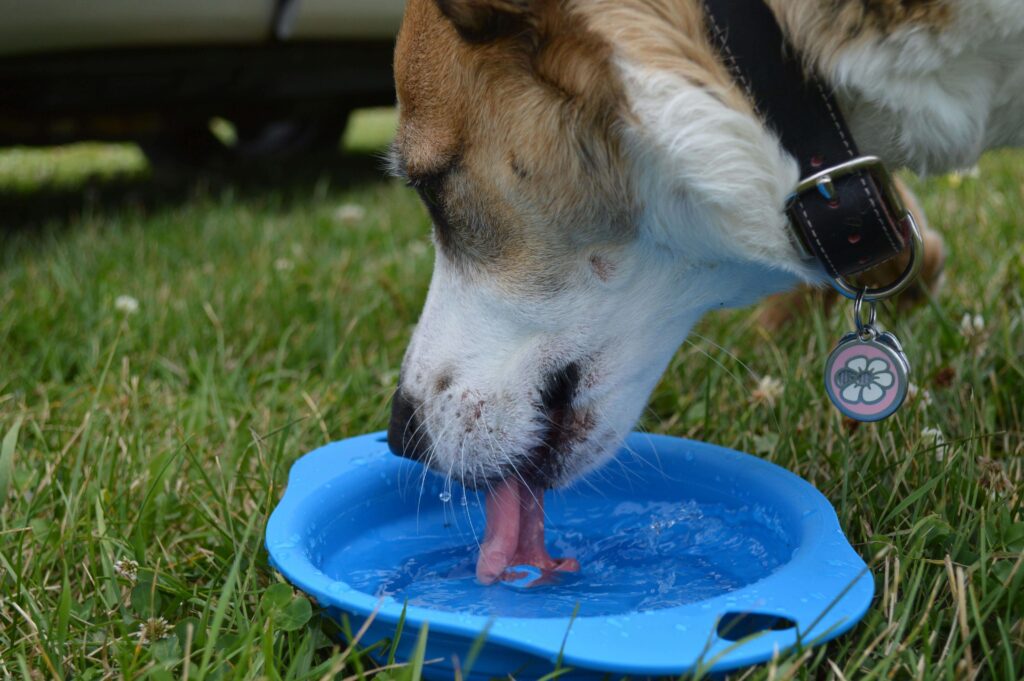
Dehydration sneaks up on dogs faster than most owners realize.
Offer frequent access to fresh water rather than waiting for obvious signs of distress.
- Provide fresh cool water in multiple locations around your home
- Change water at least twice daily during summer
- Add ice cubes to water bowls to keep them cool longer
- Bring water on every outing no matter how short
- Offer water proactively every thirty minutes during outdoor activity
- Seek veterinary advice for unusual drinking or persistent refusal of water
Skin return is only a clue and cannot rule out dehydration. Contact your veterinarian if concerned.
For more detail guide read our artical : Dog dehydration symptoms
Choosing an Optional Cooling Mat
Cooling mats are optional comfort products. No comparative testing supports a universal best choice in this guide.
Follow the specific product instructions, inspect for damage and allow your dog to choose whether to lie on it.
Check the dimensions, material and care instructions rather than choosing by brand alone.
Check current availability and price.
Why Home Remedies Are Not Heatstroke Treatment
For suspected heat illness, use prompt water-based cooling and seek veterinary assessment; home remedies are not treatment.
Do not rely on coconut water or electrolyte drinks to treat overheating. Offer plain water only if the dog is alert and swallowing normally.
Do not apply aloe or home remedies to suspected paw burns. Avoid further heat exposure and contact a veterinarian.
Do not give herbal drinks as heatstroke treatment.
Begin cooling and seek emergency veterinary help promptly if heat illness is suspected.
Summer Safety Tips for Bulldogs and Pugs
Bulldogs and Pugs need a completely different summer plan compared to other breeds.
Keep short-nosed dogs in comfortably cool environments and avoid exertion in warm or humid conditions. No fixed clock time or temperature guarantees safety.
Signs of overheating in flat-faced breeds appear faster and escalate quicker than in other dogs. Loud, raspy breathing that suddenly gets worse, blue-tinged gums, or sudden collapse require emergency vet care within minutes.
Pet Insurance and Heatstroke Coverage in the USA
Emergency treatment costs vary with clinic, region and severity. Ask your veterinarian or insurer for current estimates and policy details.
That includes IV fluids, oxygen therapy, bloodwork, organ function monitoring, and potentially overnight hospitalization. Most pet owners are not financially prepared for that bill.
Premiums, exclusions, waiting periods and coverage differ by policy. Confirm whether heat illness is covered before relying on insurance.
If you live in a high-heat state like Texas, Arizona, or Florida and have a breed that is vulnerable to heat, pet insurance is genuinely worth serious consideration before summer arrives.
A practical US summer care routine for dogs
Before an outing, review local heat and humidity, avoid sun-heated surfaces, check your dog’s comfort and take water. At home, give your dog access to cool rooms, fresh water and a non-slip resting surface. Schedule gentle sniffing games or short reward-based sessions indoors instead of high-intensity exercise during unsafe weather.
For swimming, supervise closely, choose safe clean water and exits, and stop when the dog tires. Avoid water with suspected harmful algal blooms. A pool or cooling product is not treatment for a dog showing heat illness. AVMA warm-weather safety guidance supports cool-time activities, water access and precautions for vulnerable dogs. If your dog overheats: Stop activity and move your dog to a cool, ventilated place. Begin cooling promptly by pouring water cooler than the dog over the body, avoiding the head, and use airflow if available. Offer small sips only if alert and able to swallow; never force drinking. Contact an emergency veterinarian and transport promptly as advised, continuing safe cooling where practical. Do not wait for collapse, a thermometer reading or apparent recovery. See heat stroke prevention and emergency guidance, Texas and Florida summer planning, senior dog care and the dog health overview.
Frequently Asked Questions
What are the most important dog summer care tips in 2026?
The most critical dog summer care tips are walking only during early morning or evening hours, never leaving your dog in a parked car, providing constant access to fresh water, recognizing heatstroke symptoms early, and knowing your specific breed’s heat vulnerabilities.
What are the signs of heatstroke in dogs?
Excessive panting, abnormal drooling, vomiting, weakness, confusion or collapse can be signs of heat illness. Begin cooling and seek emergency veterinary advice; do not wait for a particular body temperature.
When is it too hot to walk your dog in summer?
There is no universally safe walking temperature. Check humidity, sun, surface temperature and individual risk; use cooler times or indoor enrichment.
How can I protect my dog’s paws from hot pavement?
Choose cool shaded surfaces or postpone the walk. Well-fitting booties may help in appropriate conditions, but they do not make dangerous heat safe. Contact a veterinarian for painful or damaged pads.
What are the best cooling products for dogs?
Cooling mats, vests and portable water bowls are optional aids. No product makes hazardous heat safe.
How do I keep my senior dog safe in summer heat?
Keep outdoor time to early morning only, provide cooling mats, ensure water is accessible in multiple locations, monitor for subtle overheating signs, and check with your vet whether any medications increase heat sensitivity.
Is pet insurance worth it for heatstroke emergencies?
Insurance may help with eligible expenses; verify exclusions, deductibles and waiting periods before buying.
What should I do if my dog shows signs of overheating?
Stop activity and move your dog to a cool, ventilated place. Begin cooling promptly by pouring water cooler than the dog over the body, avoiding the head, and use airflow if available. Offer small sips only if alert and able to swallow; never force drinking. Contact an emergency veterinarian and transport promptly as advised, continuing safe cooling where practical. Do not wait for collapse, a thermometer reading or apparent recovery.
Final Thoughts
Summer in the USA is beautiful.
Backyard barbecues, beach trips, long evenings on the porch. Your dog wants to be part of all of it. And they absolutely can be, as long as you stay one step ahead of the heat.
The dog summer care tips in this guide are not complicated. They just require awareness and a little preparation. Know your dog’s limits. Know your local climate. Act before problems start rather than after.
Keep water cold and accessible. Walk early. Watch for warning signs. And never underestimate how fast extreme heat can become dangerous.
Your dog is counting on you to know these things. Now you do.
Share your own summer safety routine in the comments below. And if you found this guide helpful, send it to another dog owner before summer peak heat arrives in your area.
Also read: Heat Stroke Prevention in Dogs , Dog Summer Care Texas Florida and Pet Emergency Signs , Dog Exercise Routine Guide and Vet Costs in USA
Editorial information
My Pet Care Tips Editorial Team. This guide is educational and does not claim article-specific veterinary review. Suspected heatstroke requires urgent veterinary assessment.