

Introduction
Typical veterinary costs vary by service, location, clinic, species and individual needs. Treat the estimates below as planning information, not a quote or a precise national 2026 average.
Plan for routine visits separately from diagnostic tests, emergency treatment and follow-up.
The guide compares common cost categories, explains what to ask when requesting estimates and shows how to plan a yearly veterinary budget.
Why Vet Costs Are So High in the USA in 2026

Before the numbers, it helps to understand why veterinary care costs what it does.
Staffing, equipment, medications, diagnostic capability, facility overhead and the complexity of care can influence pricing.
Prices vary over time; request an up-to-date itemized estimate from your clinic.
Costs differ substantially among clinics and treatment plans.
Typical Vet Visit Costs in the USA — Planning Estimates
Cost Breakdown Table
| Service | Dog planning estimate | Cat planning estimate |
| Annual wellness exam | 50 to 100 dollars | 50 to 100 dollars |
| Core vaccinations | 75 to 200 dollars | 75 to 150 dollars |
| Blood work panel | 150 to 300 dollars | 150 to 300 dollars |
| Flea and tick prevention | 15 to 30 per month | 10 to 20 per month |
| Heartworm prevention | 5 to 15 per month | Ask your vet about year-round feline prevention and quote |
| Dental cleaning | 300 to 800 dollars | 300 to 700 dollars |
| Spay surgery | 200 to 600 dollars | 200 to 500 dollars |
| Neuter surgery | 150 to 400 dollars | 150 to 300 dollars |
| Emergency visit | 100 to 350 per visit | 100 to 350 per visit |
| X-ray | 150 to 400 dollars | 150 to 400 dollars |
| Ultrasound | 300 to 600 dollars | 300 to 600 dollars |
| Overnight hospitalization | 600 to 1,500 per night | 600 to 1,500 per night |
Routine Checkup and Vaccination Costs
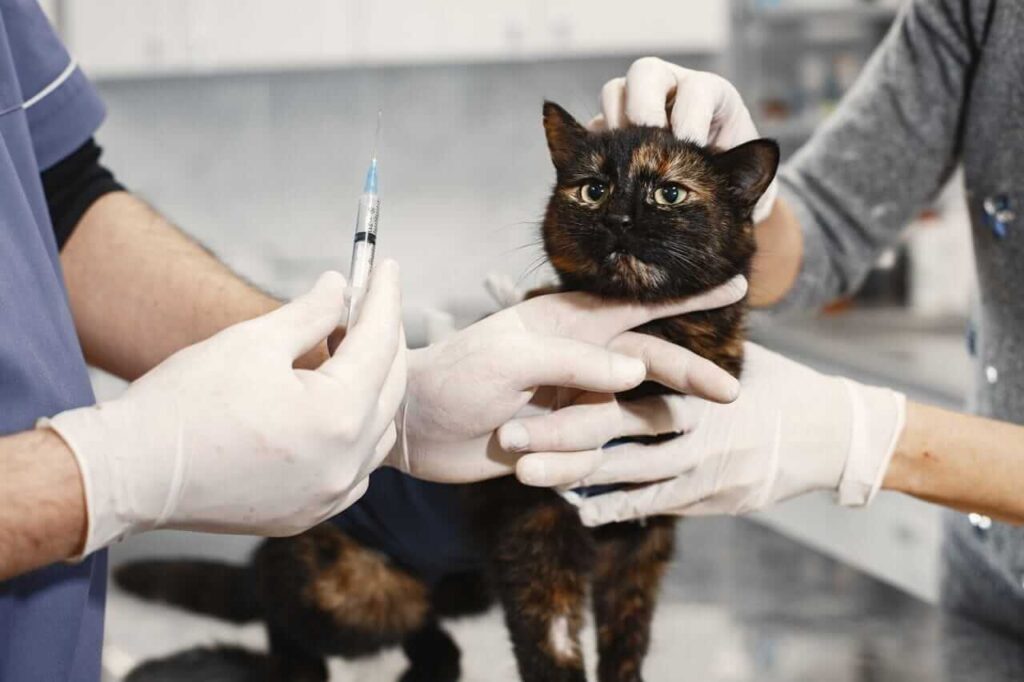
A standard annual wellness exam in the USA costs between fifty and one hundred dollars for the exam itself.
Vaccinations may be billed separately. Core and risk-based vaccines depend on species, age, history and local requirements; ask which doses and fees are included.
Many veterinary practices offer wellness packages that bundle the exam and vaccinations at a slight discount. These range from one hundred and fifty to three hundred and fifty dollars total and are worth asking about at your first visit.
Your veterinarian determines which blood tests or screening are appropriate; ask for an estimate before nonurgent procedures.
Emergency Vet Visit Costs

Emergency veterinary care is where costs genuinely shock most pet owners.
An emergency clinic visit in the USA starts at one hundred to three hundred and fifty dollars just to walk through the door, regardless of what treatment follows. The emergency consultation fee alone is typically higher than a standard daytime appointment.
Common emergency scenarios and their costs:
- Bloat in dogs — one thousand five hundred to seven thousand dollars, often requires emergency surgery
- Urinary blockage in cats — one thousand five hundred to three thousand dollars
- Foreign object ingestion — one thousand to five thousand dollars depending on whether surgery is needed
- Trauma from accident or fall — one thousand to eight thousand dollars
- Suspected poisoning — five hundred to three thousand dollars
- Seizure episode — five hundred to two thousand dollars
Twenty-four hour emergency animal hospitals charge significantly more than daytime practices. Weekend and holiday rates are typically higher. Emergency care in major US cities costs more than rural areas.
Specialist Consultation Fees
When your primary vet refers you to a specialist, expect costs to increase substantially.
Veterinary specialists in the USA including dermatologists, cardiologists, neurologists, oncologists, and orthopedic surgeons charge between two hundred and five hundred dollars for an initial consultation. Treatment from there depends entirely on the condition.
A veterinary cardiologist echocardiogram for suspected heart disease runs five hundred to eight hundred dollars. A veterinary neurologist MRI runs two thousand to four thousand dollars. Veterinary oncologist chemotherapy protocols for cancer run one thousand to over five thousand dollars per month.
Specialist consultation, tests, treatment and follow-up may be billed separately.
Common Procedures Cost Breakdown — Dogs vs Cats
Spay and Neuter Surgery Costs
Spaying and neutering are among the most important health investments you make in your pet’s life.
Sterilization can prevent unwanted litters and certain diseases; discuss timing and individual risks and benefits with your veterinarian.
Dog spay surgery: Two hundred to six hundred dollars depending on size and location.
Dog neuter surgery: One hundred and fifty to four hundred dollars.
Cat spay surgery: Two hundred to five hundred dollars.
Cat neuter surgery: One hundred and fifty to three hundred dollars.
Low-cost spay and neuter clinics exist across the USA and offer these procedures for fifty to one hundred and fifty dollars. The ASPCA operates spay and neuter services and maintains a database of low-cost providers across the country.
Dental Cleaning and Tooth Extraction
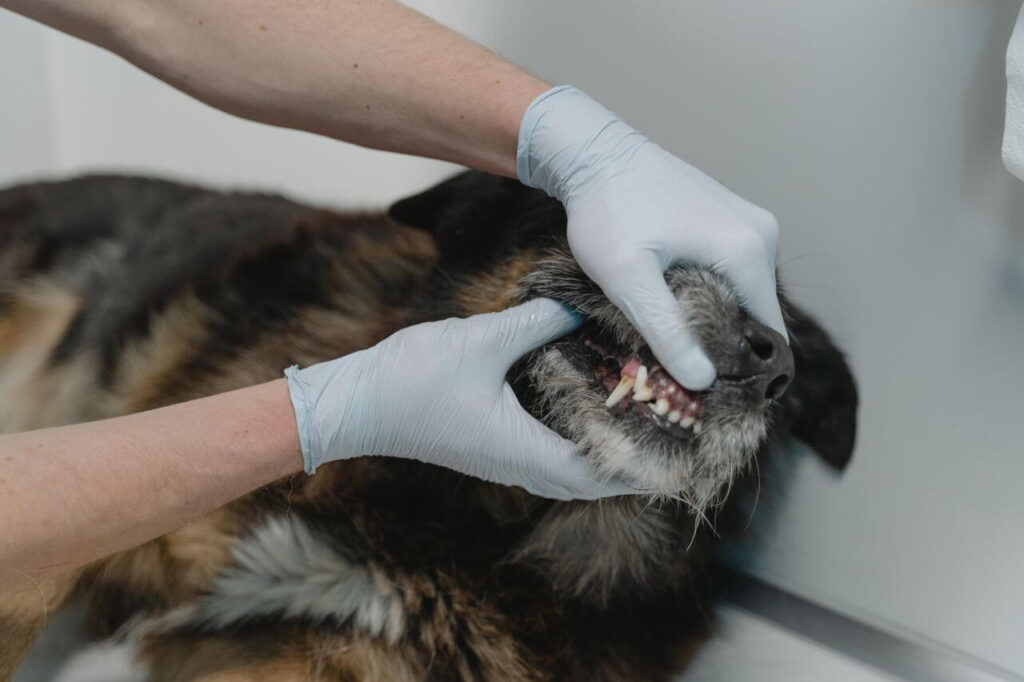
Dental care is consistently among the most underfunded areas of pet health in America.
Dental cleaning estimates may include or exclude pre-anesthetic testing, anesthesia monitoring, radiographs and extractions. Request an itemized quote.
Tooth extraction adds cost depending on the tooth and difficulty. Simple extractions cost fifty to one hundred and fifty dollars per tooth. Complicated extractions or surgical extractions cost one hundred and fifty to four hundred dollars per tooth.
Dental treatment frequency depends on the individual examination; brushing and veterinary assessment support oral care.
Common Illness Treatments
These are the most frequent reasons pet owners visit the vet outside of wellness exams.
Urinary tract infection in dogs: One hundred and fifty to four hundred dollars including exam, urine analysis, and antibiotics.
Skin allergies: Two hundred to one thousand dollars per year for management depending on severity and treatment approach.
Ear infections: One hundred to three hundred dollars per episode.
Digestive upset: One hundred and fifty to five hundred dollars for exam, diagnostic tests, and medication.
Respiratory infection: One hundred and fifty to three hundred dollars.
Senior Pet Health Treatments
Older pets face conditions that require ongoing management rather than one-time treatment.
Arthritis management: One hundred to five hundred dollars monthly for medication, joint supplements, and monitoring blood work.
Kidney disease management in cats: Two hundred to eight hundred dollars monthly for prescription food, fluids, and monitoring.
Hyperthyroidism in cats: One hundred to two hundred dollars monthly for medication, or one thousand to one thousand five hundred dollars for radioactive iodine treatment as a one-time cure.
Cancer treatment: Varies enormously from five hundred to over ten thousand dollars depending on cancer type, treatment protocol, and specialist involvement.
Regional Vet Cost Differences Across the USA

Where you live significantly affects what you pay for veterinary care.
Illustrative Regional Cost Comparison
| Region | Cost Level | States | Routine Exam |
| High cost | Very Expensive | California, New York, Massachusetts | 100 to 250 dollars |
| Mid-high cost | Expensive | Texas, Florida, Washington | 75 to 150 dollars |
| Mid cost | Average | Illinois, Colorado, Georgia | 60 to 120 dollars |
| Lower cost | Affordable | Midwest, Southeast, Plains | 45 to 90 dollars |
Regional labor, rent and service availability can affect prices. The regional ranges below are illustrative only, not verified state-level averages.
This regional difference affects every service from basic exams through emergency care. Pet owners in high-cost metro areas should account for this in their healthcare budget and insurance planning.
How to Reduce Vet Costs in USA — Practical Tips
Preventive Care Strategies
Preventive care may reduce some risks and costs, but not all conditions can be prevented.
Regular wellness exams, suitable preventive care and dental care may help identify or reduce some health problems.
Ask your veterinarian about species-appropriate parasite prevention and its cost. Cats also require protection against heartworm, including indoor cats, as recommended by CAPC.
For more on preventive daily habits, read our complete guide on common pet health problems and how to prevent them before they develop.
Pet Insurance — Is It Worth It in 2026?

Insurance Plans Comparison Table
| Plan Type | Monthly Cost | What It Covers | Deductible |
| Accident only | 10 to 25 dollars | Injuries and accidents | 100 to 500 dollars |
| Accident and illness | 30 to 70 dollars | Most conditions | 100 to 500 dollars |
| Comprehensive | 50 to 100 dollars | Including wellness | 0 to 500 dollars |
| Wellness add-on | 15 to 30 extra | Vaccines, checkups | None |
Pet insurance in the USA operates on a reimbursement model. You pay the vet bill, submit a claim, and receive reimbursement based on your policy.
Reimbursement percentages, deductibles, exclusions, waiting periods, caps and definitions of pre-existing conditions depend on the contract.
Insurance may help with eligible unexpected expenses but is not guaranteed to save money. Compare actual quotations and terms.
The financial outcome depends on premiums, covered services, deductible, reimbursement and limits.
Compare policy terms and quotes instead of relying on an unsupported provider ranking.
Low-Cost and Non-Profit Vet Clinics

Many US cities have low-cost veterinary clinics operated by non-profits, humane societies, and veterinary schools.
Some teaching hospitals have assistance programs, while referral and specialist services may cost more. Ask the facility about eligibility and actual fees.
The ASPCA, Humane Society, and local shelters often run low-cost vaccination clinics and spay and neuter programs. Search your zip code at the ASPCA website for nearby low-cost resources.
Community health fairs in many cities offer free or discounted vaccinations several times per year.
At-Home Care and Telemedicine Options
Veterinary telemedicine has grown significantly since 2023 and provides a genuinely useful lower-cost option for non-emergency consultations.
Remote veterinary advice may be useful for some nonurgent questions, depending on local rules and the veterinarian-client-patient relationship. It cannot replace emergency or necessary physical assessment.
Home treatment may be appropriate only when prescribed by a veterinarian who provides training and ongoing monitoring.
Creating a Realistic Pet Healthcare Budget for 2026

Planning ahead makes vet costs manageable rather than shocking.
Annual budget for a healthy adult dog:
| Expense | Annual Cost |
| Wellness exam | 75 to 150 dollars |
| Vaccinations | 100 to 200 dollars |
| Heartworm and flea prevention | 180 to 480 dollars |
| Dental care reserve (frequency as advised) | 150 to 400 averaged annually |
| Unexpected illness buffer | 500 to 1,000 dollars |
| Illustrative annual budget | 1,005 to 2,230 dollars |
Annual budget for a healthy adult cat:
| Expense | Annual Cost |
| Wellness exam | 75 to 150 dollars |
| Vaccinations | 75 to 150 dollars |
| Flea prevention | 120 to 240 dollars |
| Dental cleaning every 2 years | 150 to 400 averaged annually |
| Unexpected illness buffer | 500 to 1,000 dollars |
| Total Annual Estimate | 920 to 1,940 dollars (plus any separate heartworm cost) |
Set a monthly amount based on your actual routine-care estimates, insurance and emergency savings goal. An emergency fund is not a guarantee of affordability.
When Vet Costs Are Worth Paying

Not every health concern requires an immediate emergency visit. But some always do.
Emergency signs — seek care immediately:
- Breathing difficulty
- Collapse or inability to stand
- Any cat straining with little or no urine
- Bloated or distended abdomen
- Suspected poisoning
- Seizures
- Pale or blue gums
Other symptoms — call promptly for veterinary triage:
- Reduced or absent appetite (prompt advice, especially cats and young pets)
- Blood in stool or urine
- Repeated vomiting or inability to keep water down
- Sudden significant behavior change
- Limping that does not improve with rest
Observation only if your veterinary team advises it:
- Mild single episode of vomiting
- Slight changes in stool consistency
- Minor skin irritation without open sores
- Early signs of ear sensitivity without discharge
Do not delay treatment to seek a cheaper price when your pet has an emergency. See pet emergency signs.
Average veterinary costs in the USA: consultation, emergency treatment and surgery
For a sourced price reference, the CareCredit veterinary procedure cost guide reports national estimates for selected services. These are provider-published estimates, not a guaranteed 2026 clinic quote. The figures below are for individual service categories; they should not be added as though every treatment requires all of them.
| Example service | Dog | Cat |
|---|---|---|
| Emergency exam/base visit | $135 | $143 |
| Chemistry blood panel | $164 | $144 |
| X-rays (two to three views) | $172 | $158 |
| Ultrasound | $483 | $323 |
| Emergency surgery example (pyometra) | $1,218 | $2,116 |
All values are in US dollars. An actual emergency bill may contain examination, diagnostics, stabilization, anesthesia, surgery, hospitalization and follow-up. Ask for a written estimate with expected low and high scenarios, what is included, and how the clinic will communicate if additional care is necessary. The earlier ranges and budget examples are illustrative, not independently verified national or state averages.
How to calculate yearly vet costs for a dog or cat
Separate known annual routine charges from optional or risk-based preventive care, prescribed treatment, and an emergency savings reserve. Divide planned annual costs by twelve, add monthly premiums if applicable, and avoid double-counting a reserve as money already spent. For example, a hypothetical $600 routine-care budget plus $300 in preventive care and a $600 savings reserve gives a $1,500 annual target, or $125 per month; these are arithmetic assumptions, not price statistics.
If paying for veterinary care is difficult, Humane World for Animals’ financial assistance resources describes ways to find local programs and discuss payment options. The NAPHIA 2026 industry report provides insurance-market data, not clinic treatment quotes. Review contract terms, not just premiums. For health priorities see common pet health issues and emergency warning signs; never postpone urgent care solely to compare costs.
Frequently Asked Questions
How much do vet visits cost in the USA on average?
Routine exam charges vary. Ask whether vaccines, diagnostics and parasite prevention are included. Emergency consultations are separate from stabilization and treatment.
What are the average emergency vet costs in the USA?
Emergency bills vary with examination, diagnostic tests, medication, surgery and hospitalization. The published procedure examples below provide context, not a guaranteed total.
Is pet insurance worth it for covering vet costs?
Insurance is a personal budgeting decision. Compare premiums, deductibles, limits, reimbursement and exclusions; savings are not guaranteed.
How can I reduce high vet bills in the USA?
Ask about routine preventive care, local assistance programs, itemized estimates and payment arrangements for eligible services. Do not delay an emergency.
What is the average cost of spay and neuter surgery?
Dog spay costs two hundred to six hundred dollars. Dog neuter costs one hundred and fifty to four hundred dollars. Cat spay costs two hundred to five hundred dollars. Cat neuter costs one hundred and fifty to three hundred dollars. Low-cost clinics and non-profit programs offer these procedures for fifty to one hundred and fifty dollars.
How much does dental cleaning cost for dogs and cats?
Dental cleaning costs depend on anesthesia, diagnostic imaging, extractions and other findings. Ask what the estimate includes and how additional procedures are authorized.
Why are vet costs so high in certain states?
Costs vary by local staffing, overhead, clinic and service. Compare equivalent services rather than assuming a state-wide price.
What should be included in a monthly pet healthcare budget?
Budget for routine exams, vaccines, parasite prevention including heartworm where prescribed, dental care, insurance and an emergency reserve. Use actual quotes rather than a fixed national monthly amount.
Final Thoughts
Understanding vet costs in USA is not about being pessimistic about your pet’s health. It is about being genuinely prepared so that when something happens, you can focus entirely on your pet’s recovery instead of the financial shock.
Plan ahead. Consider insurance while your pet is healthy. Use preventive care consistently. Know where your nearest emergency clinic is before you need it.
Planning may help you manage financial uncertainty, although unexpected costs are still possible.
What was your most expensive vet bill and what was the condition? Share in the comments below. Your experience might help another pet owner know what to expect or plan for in advance.
Also read:
→ Common Pet Health Problems
→ Pet Emergency Signs
→ Dog Exercise Routine Guide
→ Best Cat Food for Healthy Growth
→ Indoor Cat Care Guide
Editorial information
My Pet Care Tips Editorial Team. This guide is educational and does not claim article-specific veterinary review. Consult your veterinarian for individual medical advice.