
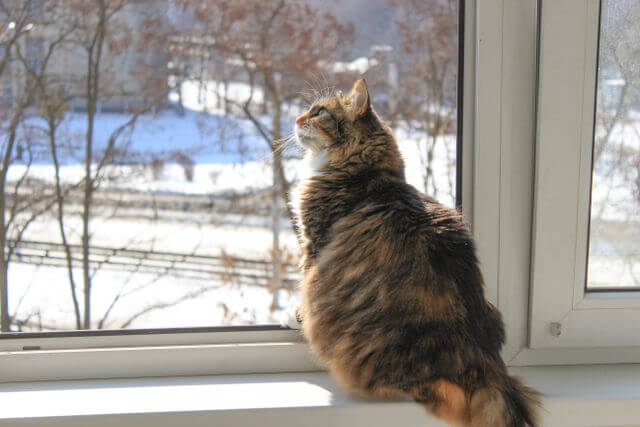
Introduction
Luna has never been outside a single day in her life.
She has never chased a bird in a real garden. Never felt grass under her paws. Never explored beyond the front door. And she is genuinely one of the happiest cats I have ever known.
Millions of cats across the USA live exactly this way. Indoor-only lives that are safe, comfortable, and full. The American Veterinary Medical Association consistently recommends indoor living for domestic cats because it protects them from traffic, predators, disease, and injury. Indoor cats live an average of twelve to eighteen years compared to just two to five years for outdoor cats.
But keeping an indoor cat truly happy requires more thought than simply closing the front door.
This indoor cat care guide covers everything you need in 2026. From setting up your space and building a daily routine to preventing boredom, managing litter boxes, and keeping your cat mentally and physically healthy in an apartment or house without outdoor access. Whether you are a first-time owner or transitioning an outdoor cat indoors, this guide gives you a complete and practical plan.
Why Indoor Cat Care is Different from Outdoor Cats
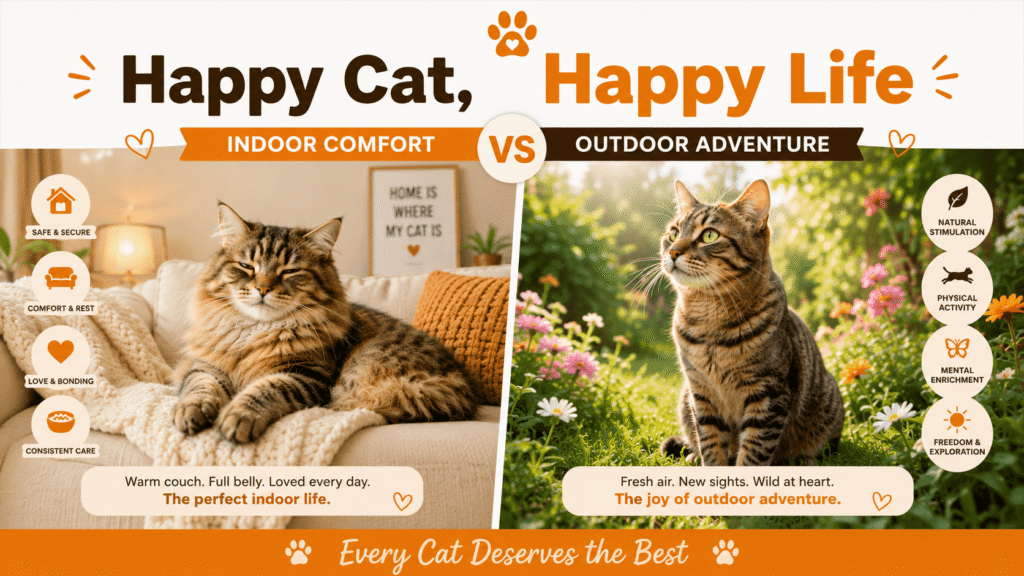
Outdoor cats self-regulate in ways indoor cats cannot.
They hunt, which provides intense physical and mental engagement. And patrol territories, which gives them purpose and stimulation. They encounter new smells, sounds, and textures daily. And choose when to be active and when to rest based on natural rhythms.
Indoor cats have none of this built in.
Everything they need to stay mentally and physically healthy must be provided by you deliberately and consistently. Without that intentional effort, indoor cats become bored, overweight, anxious, and sometimes destructive. Not because they are difficult. Because their needs are not being met.
The good news is that meeting those needs is genuinely manageable. It just requires understanding what indoor cats actually need versus what most owners assume they need.
Essential Setup for Indoor Cat Care — Apartment Living
Must-Have Items for Indoor Cat Care Guide for Beginners
Getting the setup right before your cat arrives prevents problems before they start.
This indoor cat care guide recommends treating the setup phase as seriously as you would childproofing a home for a toddler.
| Item | Purpose | Estimated Cost |
| Cat tree with multiple levels | Climbing vertical space security | 50 to 200 dollars |
| Window perch or suction cup shelf | Bird watching mental stimulation | 20 to 60 dollars |
| Litter box and clumping litter | Hygiene bathroom needs | 20 to 60 dollars |
| Food and water bowls | Daily nutrition | 10 to 30 dollars |
| Interactive wand toy | Daily play hunting simulation | 8 to 20 dollars |
| Puzzle feeder or slow feeder | Mental stimulation at meals | 15 to 40 dollars |
| Scratching post or pad | Natural behavior outlet | 15 to 50 dollars |
| Cat carrier | Vet visits and transport | 25 to 60 dollars |
| Cozy bed or blanket | Rest and security | 15 to 40 dollars |
The vertical space rule:
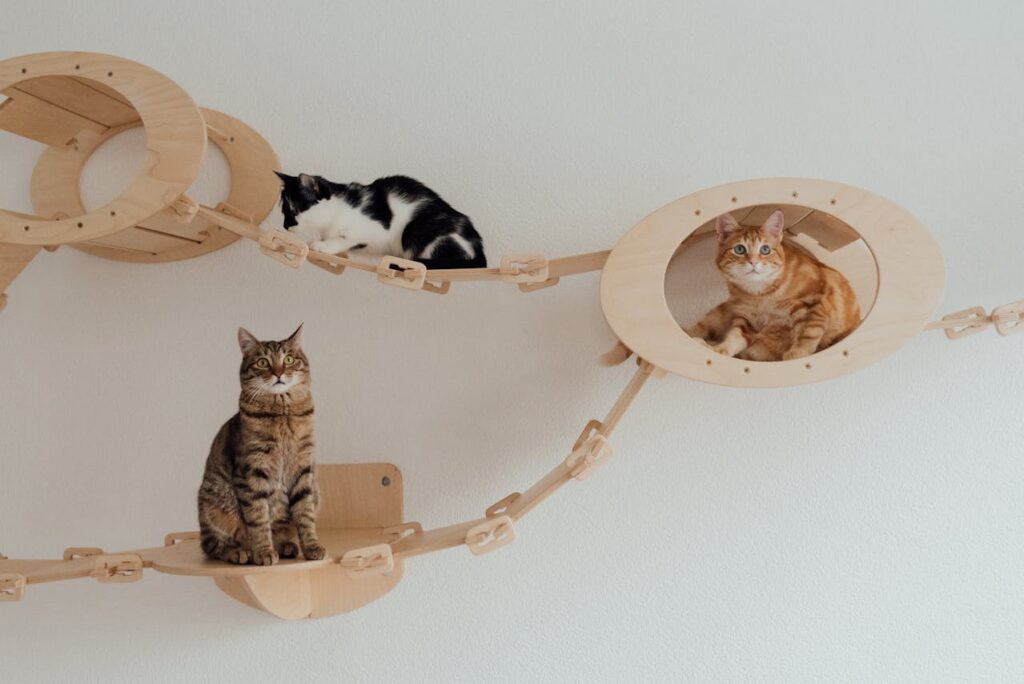
Cats feel safest when they can observe their environment from height. A home with no climbing options forces your cat to stay at ground level, which is actually stressful for them. A cat tree, wall shelves, or even a cleared bookshelf gives them the elevated vantage point they need instinctively.
The scratching surface rule:
You need at least one scratching surface per cat plus one extra in a different location. Without appropriate scratching options, your furniture becomes the scratching post. This is not misbehavior. It is a natural need for claw maintenance and territorial marking.
Indoor Cat Care Routine — Daily Schedule
Best Indoor Cat Care Routine for a Happy Cat
Consistency is the foundation of indoor cat wellbeing.
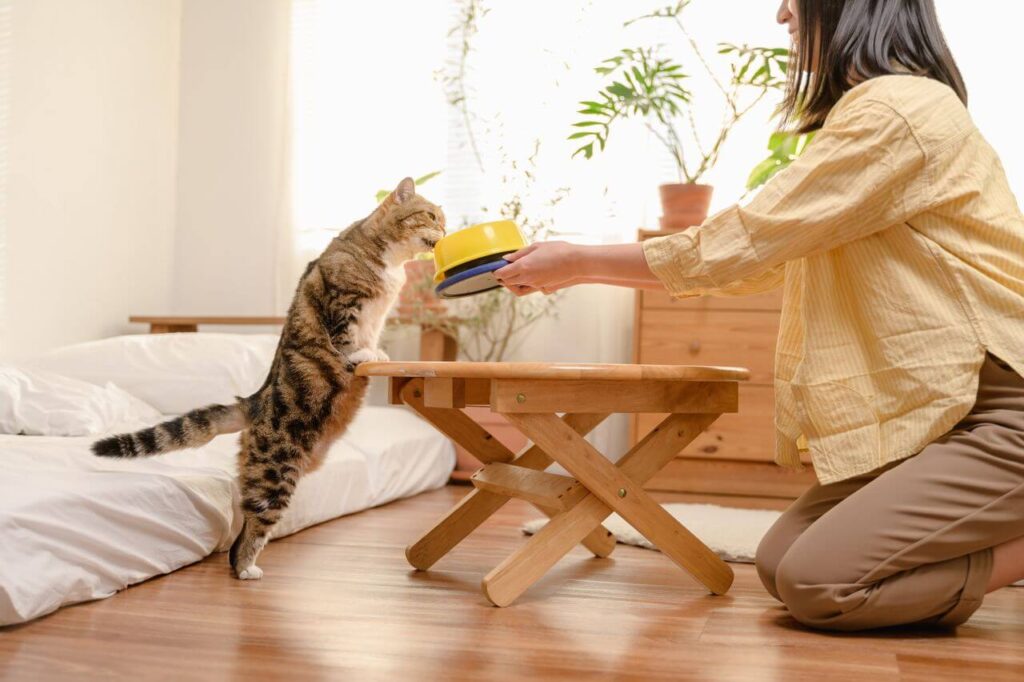
Cats are creatures of habit. When feeding, play, and interaction happen at predictable times, cats feel secure and content. Unpredictable routines create low-level anxiety that shows up as hiding, over-grooming, and appetite changes.
Daily Indoor Cat Care Routine Table
| Time | Activity |
| Morning 7 AM | Fresh food and water, clean litter box |
| Morning 7:30 AM | 10 to 15 minute interactive play session |
| Midday 12 PM | Check water bowl, offer treat or puzzle feeder |
| Afternoon 3 PM | 10 minute play or training session |
| Evening 6 PM | Main meal, fresh water |
| Evening 7 PM | 15 to 20 minute active play session |
| Before Bed 10 PM | Small treat, scoop litter box, quiet settle time |
Why two play sessions daily:
Play mimics hunting. A complete hunt cycle for a cat involves stalking, chasing, catching, and then resting after the catch. Indoor cats that never complete this cycle remain in a state of low-level arousal that contributes to restlessness and anxiety. Morning and evening play sessions that end with a small food reward complete this cycle naturally.
How to Keep Indoor Cats Happy and Healthy
Happy indoor cats share several things in common.
They have predictable routines. And have enough vertical space. They have meaningful daily play. They have opportunities to watch the world from a safe window. And they have a human who pays attention to subtle changes in their behavior.
The five foundations of indoor cat happiness:
1. Physical Safety
Every indoor space should be checked for hazards. Toxic plants, exposed wires, small spaces where a cat can become trapped, windows without screens, and cleaning products stored accessibly are all risks that need addressing before your cat arrives.
2. Mental Stimulation
Boredom is the single biggest welfare problem for indoor cats in the USA. A cat that has nothing to engage their mind will find their own entertainment, usually at the expense of your furniture, your sleep, or their own health through over-grooming.
3. Social Connection
Cats are more social than their reputation suggests. Most indoor cats want interaction with their humans daily. Some prefer controlled, predictable interaction. Some are highly affectionate. Know your individual cat’s social needs and meet them consistently.
4. Physical Health Management
Indoor cats are more prone to obesity than outdoor cats because their activity level is naturally lower. Weight management through portion control and daily play is essential for long-term health.
5. Environmental Control
Indoor cats cannot escape stressors the way outdoor cats can. Loud music, arguments, renovation noise, and visitor chaos all affect indoor cats more intensely. Providing a quiet retreat space where your cat can decompress is not optional.
Preventing Boredom in Indoor Cats — Mental Stimulation Ideas
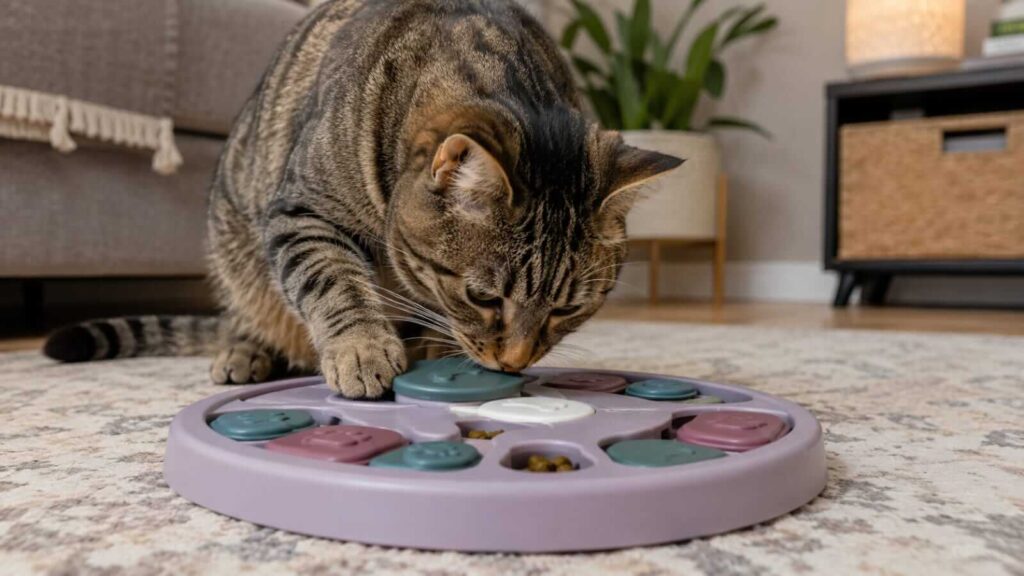
Boredom in indoor cats shows up in ways that frustrate owners.
Knocking things off shelves at 3 AM. Excessive meowing. Destructive scratching. Over-grooming leading to bald patches. Aggression toward other pets. These behaviors are not personality problems. They are communication. Your cat is telling you they need more.
The most effective mental stimulation ideas:
Window access with bird feeders outside:
This is free, requires no daily effort, and provides hours of entertainment. Place a bird feeder or bath outside a window your cat can access. The movement and sounds engage their natural hunting instincts without any action required from you.
Food puzzles and slow feeders:
Replace your cat’s food bowl with a puzzle feeder. Every meal becomes a problem-solving exercise. The Nina Ottosson range and KONG feeders are highly rated. Even a muffin tin with kibble in different cups provides basic foraging enrichment.
Hiding kibble around the home:
Once or twice a week, hide portions of your cat’s dry food in five to ten locations around your home. Let them sniff it out. This engages natural foraging behavior and provides twenty to thirty minutes of focused mental activity.
Paper bags and cardboard boxes:
Never underestimate these. Fresh cardboard boxes provide exploration, hiding, and scratching opportunities. Most cats find a new box more interesting than expensive toys.
Training sessions:
Yes, cats can learn tricks. Sit, high five, spin, and target training all engage your cat’s mind intensely. Five minutes of clicker training tires a cat mentally more than thirty minutes of passive play.
Exercise Ideas for Indoor Cats — No Yard Needed
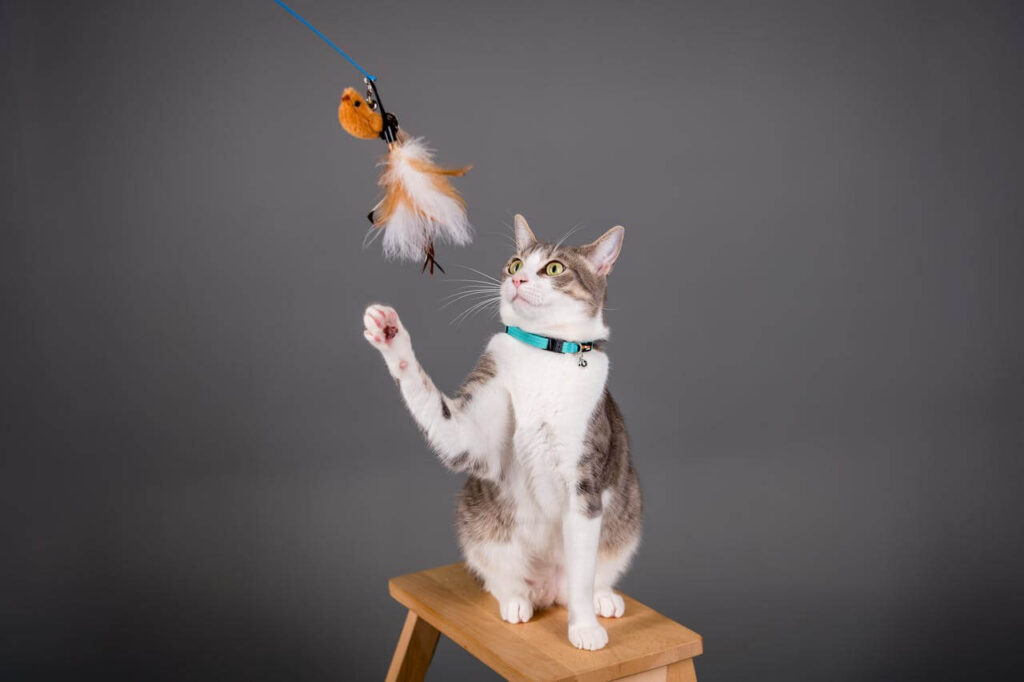
Indoor cats need exercise. They just need it delivered differently.
Best exercise options for indoor cats:
Wand toys:
A fifteen-minute wand toy session provides more genuine cardiovascular exercise than most other indoor options. Move the lure like real prey: slow and sneaky, then sudden fast bursts, then still. This mimics real hunting movement and engages your cat completely.
Laser pointer with physical reward:
Laser pointers are great for exercise but always end the session with a physical toy or treat your cat can actually catch. A laser session that never ends in a catch leaves cats in a state of frustration.
Cat wheel:
Cat exercise wheels look unusual but many high-energy cats use them enthusiastically. The Ferris Cat Wheel and One Fast Cat wheel are popular in the USA. Not every cat takes to them but for cats that do they provide excellent sustained exercise.
Chase toys:
Battery-operated moving toys that simulate prey movement work well for cats that play better independently. The Hexbug Nano and Petlinks electronic toys are highly rated and keep cats active without requiring your direct participation.
Stair exercise:
If your home has stairs, encourage your cat to run up and down by tossing a toy from the bottom. Even three to four trips up and down a full staircase provides significant exercise in a short time.
Litter Box Management and Cleaning Tips for Indoor Cats
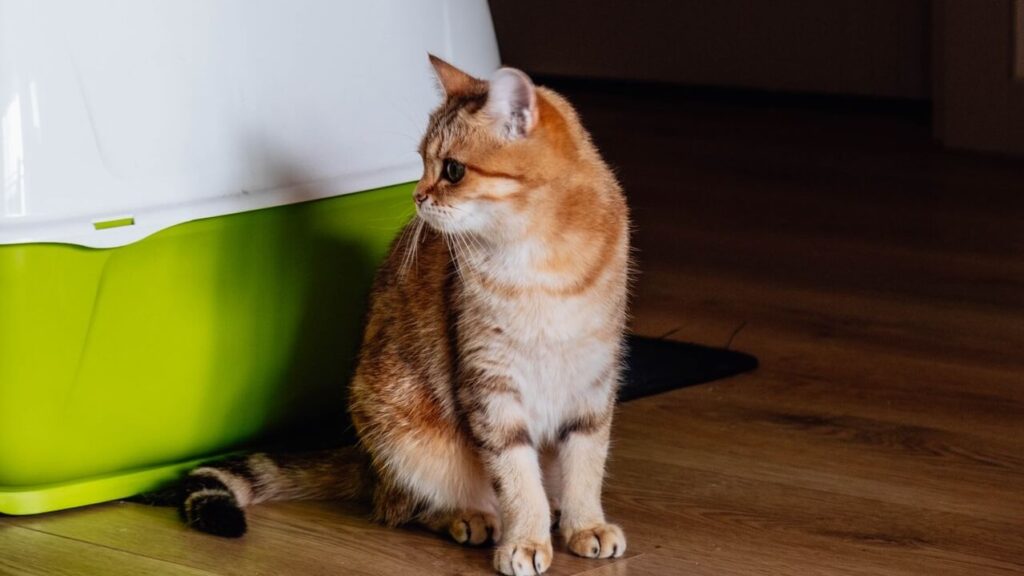
Litter box problems are the number one behavioral complaint from indoor cat owners.
Almost all of them are preventable with the right setup.
The non-negotiable rules:
One litter box per cat plus one extra. Two cats means three boxes. One cat means two boxes. This rule prevents territorial litter box guarding and gives your cat options when one box is recently used.
Location matters enormously. Cats need privacy when eliminating. Place boxes in quiet low-traffic areas away from food and water bowls. Avoid placing boxes near appliances that make sudden loud noises like washing machines and dryers.
Scooping frequency:
Scoop at least once daily. Twice daily is better. Cats are fastidious and will avoid a dirty box, eliminating on your floor instead.
Full litter change schedule:
Replace all litter and wash the box with mild soap and hot water every one to two weeks. Avoid strong-smelling disinfectants as residual scent deters cats from using the box.
Litter depth:
Most cats prefer two to three inches of litter. Too shallow makes covering difficult. Too deep is uncomfortable for smaller cats.
Automatic litter boxes:
Self-cleaning automatic litter boxes have improved significantly in 2026. The Litter-Robot 4 and PetSafe ScoopFree are the top-rated options in the USA. They reduce the daily scooping commitment significantly and some cats adapt to them very well. Others find the mechanical movement startling and refuse to use them.
Grooming, Shedding and Hygiene in Indoor Cat Care
Indoor cats shed year-round.
Unlike outdoor cats whose shedding patterns follow seasonal daylight changes, indoor cats with consistent artificial lighting shed continuously throughout the year at a moderate rate.
Managing indoor shedding:
Brush your cat at least twice weekly to capture loose fur before it reaches your furniture and floors. During seasonal transitions in spring and fall, increase to daily brushing. A FURminator deshedding tool used once weekly dramatically reduces the volume of loose fur in your home.
For the complete step-by-step grooming guide for your indoor cat, read our dedicated cat grooming tips at home guide.
Hairball prevention:
Indoor cats that groom themselves heavily can develop hairballs that cause vomiting and in severe cases intestinal blockage. Regular brushing, hairball prevention treats, and adding a small amount of fish oil to the diet all reduce hairball frequency.
Litter tracking management:
Indoor cats track litter through your home after every box visit. A litter-catching mat placed outside the box entrance captures most loose litter before it spreads. Silica gel or pellet litters track significantly less than clay clumping varieties.
Enriching Indoor Environment — Vertical Space and Toys
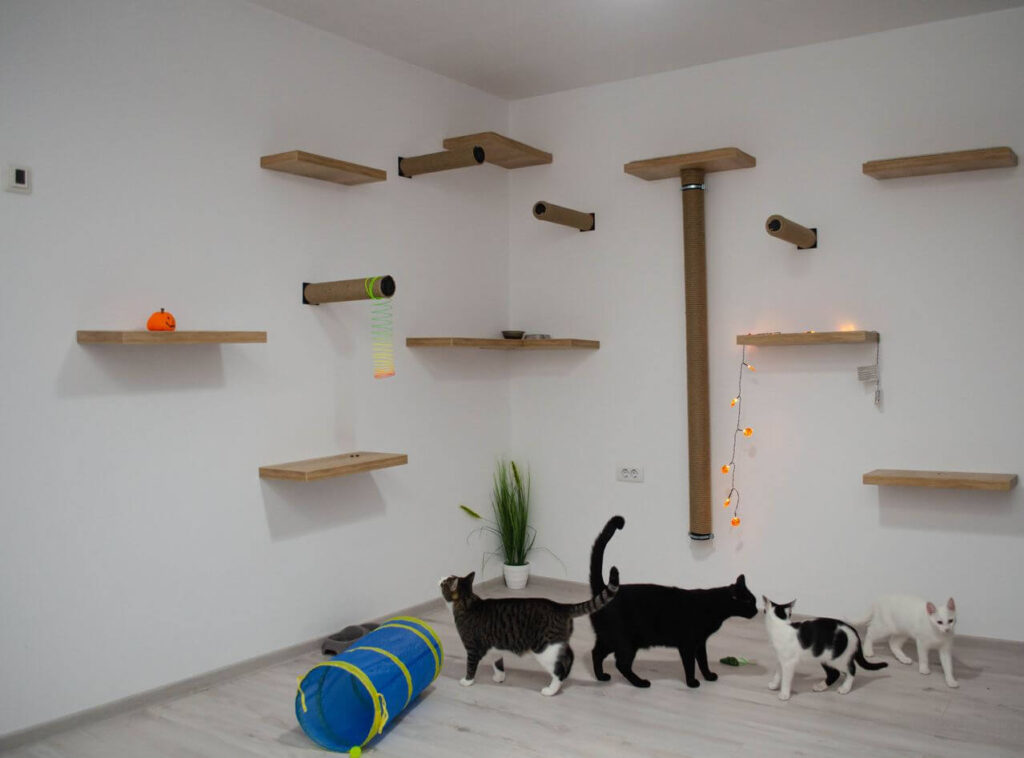
Complete Guide to Indoor Cat Care Tips for Apartment Living
The physical environment you create for your indoor cat determines their baseline happiness more than almost anything else.
Most apartment cats live in environments designed entirely for humans. Furniture at human height. No vertical access. No hiding spots and no textural variety. For a cat, this is genuinely impoverishing.
Creating vertical space:
- Install wall-mounted cat shelves in a climbing path from floor to ceiling
- Place a cat tree near a window so climbing is rewarded with a view
- Clear a specific bookshelf level exclusively for your cat
- Add a cat hammock near a heat vent for the ultimate winter nap spot
Creating hiding and retreat spaces:
- Place cat caves or covered beds in quiet corners
- Leave a cardboard box accessible at all times
- Ensure at least one space in every room where your cat can retreat and feel hidden
Rotating toys:
Do not leave all toys out permanently. Rotate them on a weekly basis. A toy that disappears for two weeks feels brand new when it returns. This keeps engagement levels high without constantly buying new things.
Enrichment Ideas Comparison Table
| Enrichment Type | Cost | Effort | Benefit |
| Window bird feeder | Low | None daily | Very High |
| Puzzle feeders | Medium | Low | Very High |
| Cat tree | Medium/High | Setup only | Very High |
| Wall shelves | Medium | Setup only | High |
| Wand toy play | Low | 15 min daily | Very High |
| Cardboard boxes | Free | None | Medium/High |
| Cat wheel | High | None daily | High |
| Training sessions | Free | 5 min daily | Very High |
Common Problems with Indoor Cats and Solutions
Problem and Solution Table
| Problem | Likely Cause | Solution |
| Destructive scratching | No appropriate surface | Add more scratching posts |
| 3 AM zooming and noise | Insufficient daily play | Add evening play session |
| Overweight | Overfeeding or low activity | Portion control and daily play |
| Litter box avoidance | Dirty box or bad location | Scoop daily and move box |
| Excessive grooming | Stress or boredom | More enrichment and routine |
| Aggression toward owner | Overstimulation | Learn cat body language signals |
| Hiding constantly | New stressor in environment | Identify and remove stressor |
| Not drinking enough | Preference for moving water | Add a pet water fountain |
Nutrition and Feeding Guide for Indoor Cats
Indoor cats have lower calorie needs than outdoor cats.
They are less active overall and do not need the extra calories that outdoor cats burn through territory patrol, hunting, and exposure to weather. Overfeeding an indoor cat is extremely easy and obesity is one of the most common health problems in the USA’s indoor cat population.
Calorie guidelines for indoor cats:
Most adult indoor cats need between 200 and 250 calories per day. Check the specific feeding guidelines on your cat’s food label and follow them precisely using a kitchen scale rather than cup measurements.
Wet food for indoor cats:
Including wet food in an indoor cat’s diet provides additional hydration that supports kidney health. Indoor cats that eat exclusively dry food often consume less water than their bodies need. Aim for at least one wet food meal daily.
For detailed product recommendations, read our guide on best cat food for healthy growth.
Fresh water:
Indoor cats benefit enormously from pet water fountains. Moving water encourages significantly higher water intake than still bowl water. The Catit Flower Fountain and PetSafe Drinkwell are consistently top-rated options in the USA.
Health Monitoring and When to Visit the Vet
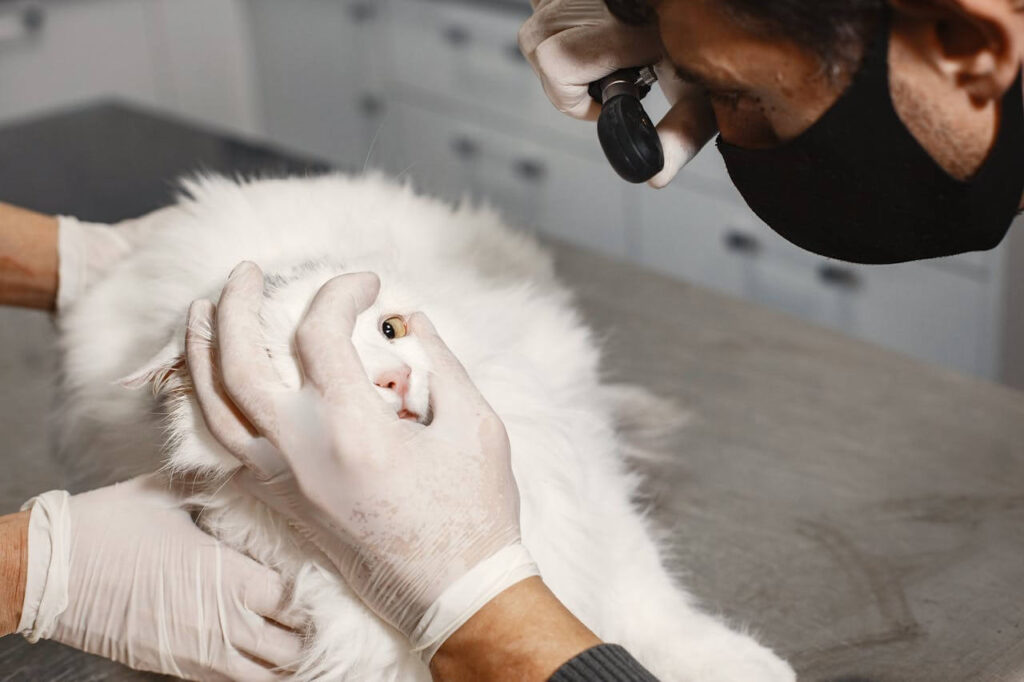
Indoor cats need annual wellness exams even when they appear completely healthy.
Many serious conditions including kidney disease, hyperthyroidism, diabetes, and dental disease show no obvious symptoms until they are significantly advanced. Blood work and physical examination during annual visits catch these conditions when treatment is most effective.
Monthly at-home health checks:
Set a reminder to do a brief health assessment once monthly.
- Check body condition: can you feel ribs without pressing hard? Weight is appropriate.
- Check coat: shiny and soft with no bald patches or dandruff
- Check eyes: clear and bright with no discharge
- Check ears: pink and odor-free with minimal wax
- Check mouth: pink gums and no obvious dental buildup
- Check litter box output: consistent in frequency, volume, and appearance
Signs that need prompt veterinary attention:
- Not eating for more than 24 hours
- Straining to urinate or blood in urine — always an emergency
- Sudden weight loss without dietary change
- New lumps or bumps anywhere on the body
- Persistent sneezing or eye discharge
- Sudden behavior changes
Best Toys, Furniture and Enrichment Products for Indoor Cats 2026
Top Recommended Products:
Cat Trees:
The Feandrea Multi-Level Cat Tree provides multiple platforms, hammocks, and scratching posts in one unit. It is among the most stable and well-rated options on Chewy for 2026. For larger cats, the Go Pet Club 62-inch tree provides more robust construction.
Interactive Toys:
The SmartyKat Hot Pursuit electronic wand toy moves independently under a fabric cover, simulating prey movement without requiring your direct participation. The PetFusion Ultimate Cat Scratcher doubles as a lounge and scratching surface in one.
Water Fountains:
The Catit Flower Fountain is the most popular cat water fountain in the USA with over forty thousand positive reviews on Amazon. Its quiet operation and flower-shaped water stream attract even picky cats to drink more.
Automatic Feeders:
For busy owners, an automatic feeder maintains consistent meal timing even when schedules vary. The PETLIBRO Air is highly rated for reliability and portion accuracy.
All products are available through Chewy and Amazon with regular subscription discounts.
Transitioning an Outdoor Cat to Indoor Only Lifestyle
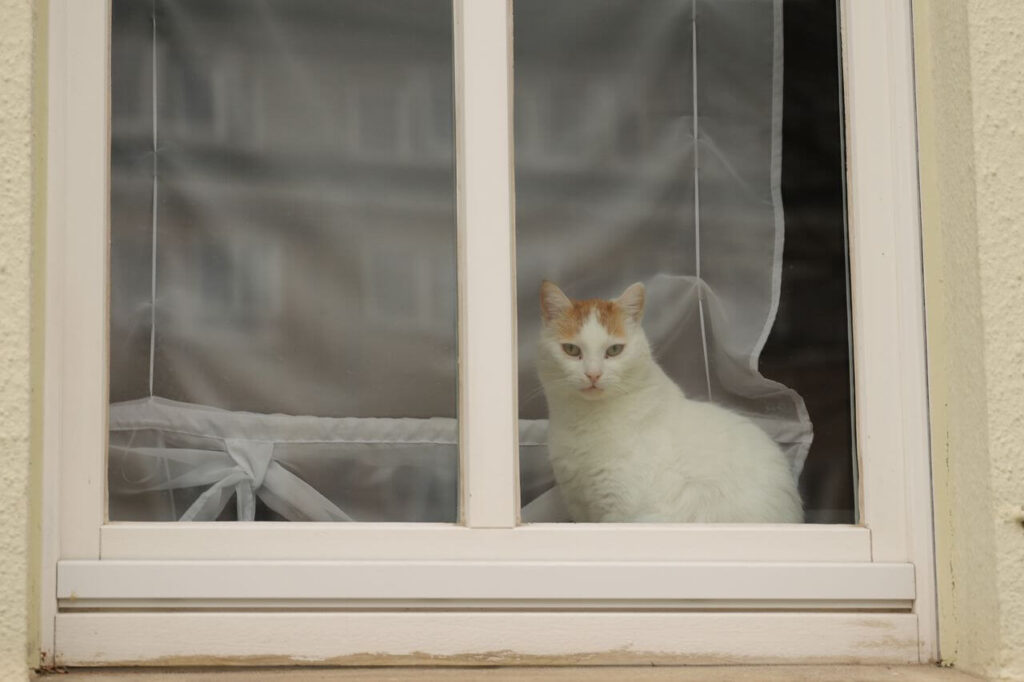
This is one of the most challenging situations in indoor cat care.
A cat that has experienced outdoor freedom does not immediately accept being kept inside. The transition requires patience, persistence, and deliberate enrichment increases to compensate for what they are losing.
Week 1 to 2:
Limit outdoor time gradually rather than stopping abruptly. Increase indoor enrichment simultaneously. Add new toys, climbing options, and extended play sessions to make the indoors more rewarding.
Week 3 to 4:
Begin keeping your cat inside overnight. Create a rich nighttime environment with puzzle feeders and new sleeping spots.
Month 2:
Transition to fully indoor with access to a secure catio or screened porch if possible. Catios are enclosed outdoor structures that allow cats to experience fresh air and outdoor sensory input safely. They are increasingly popular across the USA and significantly ease the outdoor to indoor transition.
Most important:
Never punish attempts to escape. Simply redirect and enrich. An escape attempt means your cat needs more indoor stimulation, not less freedom.
Frequently Asked Questions
What is the best indoor cat care guide for beginners?
This indoor cat care guide covers everything beginners need. Start with setting up vertical space, establishing a consistent daily routine, including two play sessions daily, managing the litter box properly, and providing window access for mental stimulation.
How to keep indoor cats happy and healthy?
Indoor cats need consistent routine, daily interactive play sessions, vertical climbing space, mental stimulation through puzzles and foraging, regular grooming, annual vet care, and a diet appropriate for their lower activity level. Meeting these needs consistently creates a genuinely happy indoor cat.
What do indoor cats need to be happy?
Indoor cats need vertical space to climb and observe from height, window access for visual stimulation, daily play that simulates hunting, puzzle feeders for mental engagement, regular human interaction, clean litter facilities, and a safe retreat space for decompression.
How much exercise does an indoor cat need daily?
Indoor cats need two play sessions of ten to fifteen minutes daily at minimum. High-energy breeds may need more. Play should simulate hunting movement to be truly effective. An evening play session that ends with a meal completes the natural hunt-catch-eat cycle that keeps cats content.
How to prevent boredom in indoor cats?
Rotate toys weekly, provide window access with outdoor bird feeders, use puzzle feeders at meals, conduct short daily training sessions, provide fresh cardboard boxes regularly, and ensure adequate vertical climbing space. Boredom is prevented through variety and consistent daily engagement.
What is the best indoor cat care routine?
The best routine includes morning play and feeding, midday enrichment or puzzle feeder, evening active play session, consistent feeding times, daily litter box scooping, and ending each day with a small treat and calm settle time.
How to set up an enriching indoor environment for cats?
Install vertical climbing options like cat trees and wall shelves. Place a window perch with an outdoor bird feeder visible. Provide multiple scratching surfaces. Rotate toys weekly. Keep at least one cardboard box available at all times. Create quiet retreat spaces in multiple rooms.
Is it cruel to keep a cat indoors only?
No. When done thoughtfully with adequate enrichment, vertical space, daily play, and mental stimulation, indoor living is significantly safer and often leads to longer healthier lives. The cruelty would be keeping a cat indoors without meeting their behavioral and environmental needs.
Final Thoughts
Luna has never been outside.
And she has never shown the slightest sign of being unhappy about it. She has her window, her cat tree, her evening play sessions, and her puzzle feeder at breakfast. She is healthy, active, and entirely content.
Indoor cat care done well is not a compromise. It is a genuine choice to keep your cat safe, healthy, and mentally stimulated in an environment where you control every variable.
This indoor cat care guide gives you the complete framework. The setup, the routine, the enrichment, the health monitoring, and the problem-solving. What happens next depends on your consistency.
Start with one thing today. Add a window perch. Begin a daily play session. Switch to a puzzle feeder at breakfast. Small consistent changes compound over weeks into a significantly richer life for your indoor cat.
What does your indoor cat’s daily routine look like right now? Share it in the comments. And if this guide helped you, pass it along to another indoor cat owner who might need it.
Also read:
→ Cat Care Guide for Beginners
→ Cat Grooming Tips at Home
→ Best Cat Food for Healthy Growth
→ Why Cats Scratch Furniture
→ Cat Behavior Problems Solutions
Author Bio
Written by David Jason
Founder of My Pet Care Tips
Cat and dog owner with over 8 years of hands-on experience caring for indoor cats in apartment and home environments. Every recommendation in this guide comes from real experience and trusted veterinary sources.
Last Updated: June 7, 2026
Sources: ASPCA, AVMA, CornellFeline Health Center, PetMD
Note: Always consult a licensed veterinarian for health concerns specific to your cat.