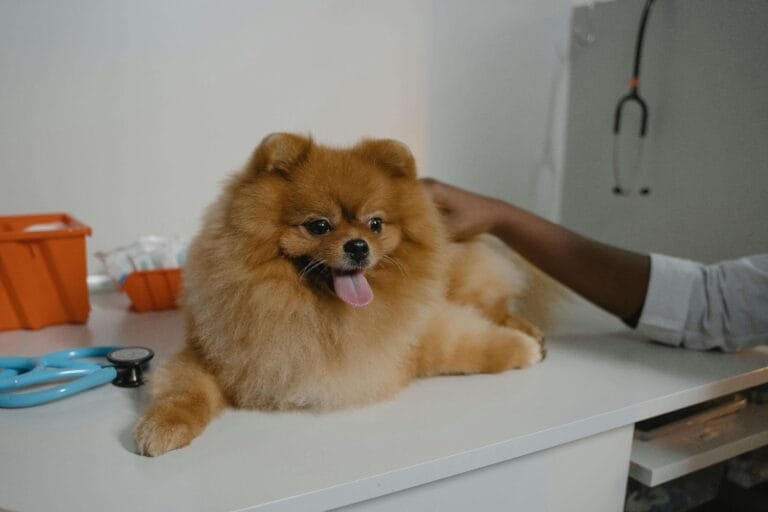
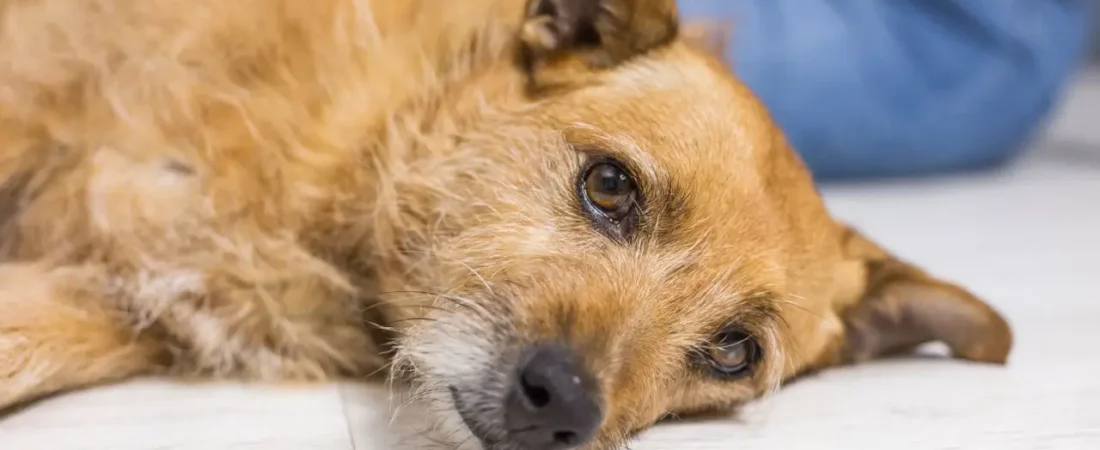
Dehydration occurs when fluid losses exceed intake. Dry gums, reduced energy, sunken eyes or changes in urination may indicate a problem, but home checks cannot establish its severity. Contact a veterinarian promptly if dehydration is suspected.
Why Dehydration is Dangerous for Dogs
Water supports temperature regulation, normal circulation and organ function. Vomiting, diarrhea, reduced intake, excessive panting and certain diseases can cause fluid loss. Significant deficits can require veterinary fluid therapy.
Possible Early Dog Dehydration Symptoms
Mild Dehydration Signs
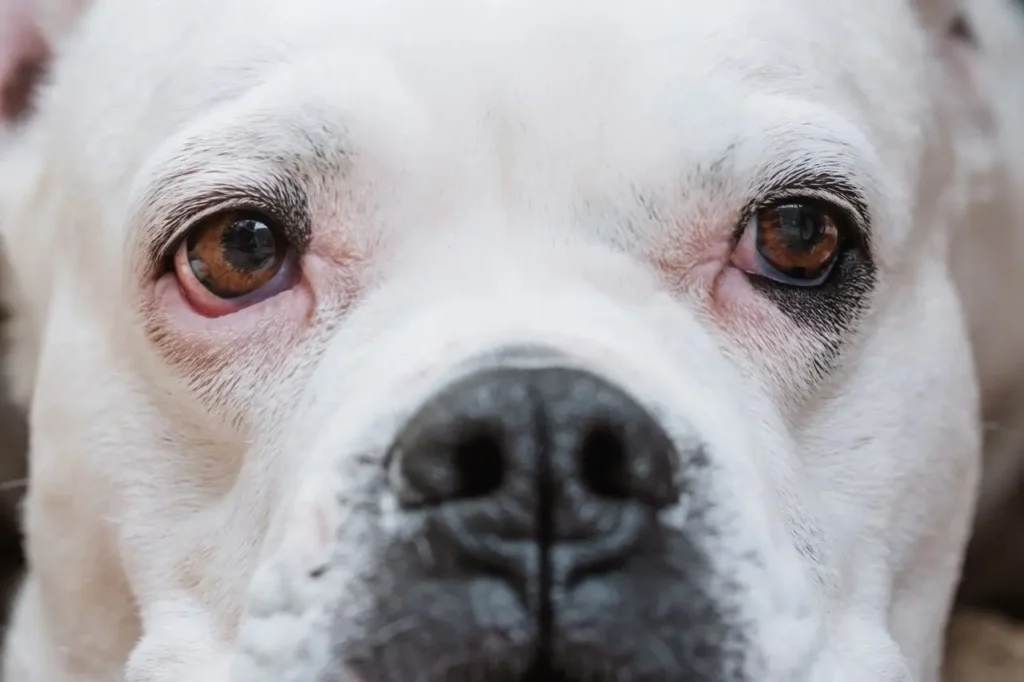
Possible signs include reduced energy, tacky gums, sunken eyes, reduced urine output or altered appetite. They can occur for other reasons too and do not prove mild dehydration or suitability for home treatment.
Moderate Dehydration Signs
These findings may indicate dehydration or another medical problem. Contact a veterinarian promptly.
- Skin tenting — pinched skin does not spring back immediately
- Visibly sunken eyes — a noticeable change from your dog’s normal appearance
- Dry nose — a consistently dry nose alongside other signs
- Thick or ropy saliva
- Lethargy that does not improve with rest
- Significant reduction in urination
How to Check for Dehydration in Dogs at Home
Skin Tent Test
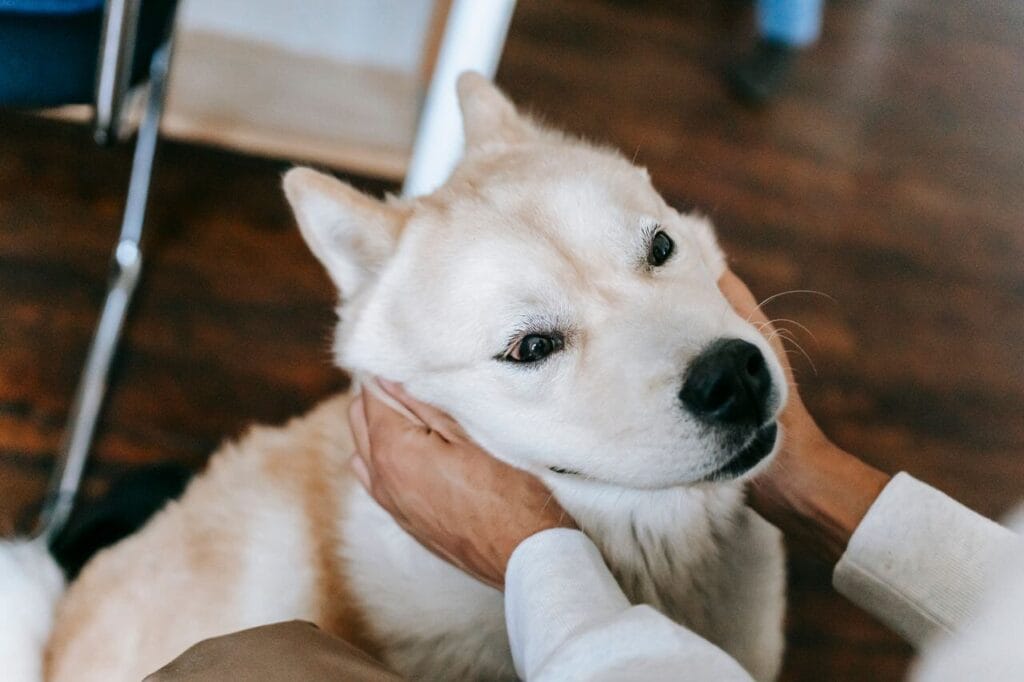
Gently lift and release a small fold of skin if your dog tolerates handling. A slow return can suggest fluid loss, but age, body condition and skin characteristics affect the result. A normal result does not rule out dehydration.
- Quick return: Does not rule out a fluid deficit
- Slow return: May suggest dehydration; ask your vet
- Persistent tenting: Seek prompt assessment
- Practice this test when your dog is healthy so you know what their normal response looks like.
Gums and Eyes Check
Gum moisture and color can provide clues; pigmentation, shock and other conditions can affect appearance. Refill time is not a dehydration percentage or a reliable home severity score. Pale, blue or abnormal gums with illness warrant urgent care.
- Moist gums and normal color do not rule out illness
- Tacky gums or delayed refill warrant assessment
- Pale or abnormal gums with illness require urgent care
Sunken eyes can occur with dehydration and other conditions. Compare with normal appearance and consult your veterinarian if concerned.
Other Easy Tests
Thick saliva and changes in urination may be clues, not diagnostic tests. Difficulty urinating, absent urine with straining, severe weakness or abnormal breathing needs urgent assessment.
Severe Dog Dehydration Symptoms — Emergency Signs
Warning Signs Table — Not a Home Diagnosis
| Symptom | Mild | Moderate | Severe — Emergency |
| Energy level | Slightly low | Noticeably low | Collapsed or unresponsive |
| Gums | Slightly tacky | Dry | Pale, white, or bluish |
| Skin tent | Skin response varies; no reliable home severity cutoff | Persistent tenting or other severe signs require assessment | |
| Eyes | Slightly dull | Slightly sunken | Visibly sunken |
| Urination | Slightly reduced | Significantly reduced | None |
| Heart rate | Normal | Slightly elevated | Rapid and weak |
Go to the emergency vet immediately if your dog shows:
- Complete collapse or inability to stand
- Pale, white, or bluish gums
- Rapid, weak heartbeat
- Unresponsiveness or confusion
- Eyes that appear visibly sunken in the socket
- Inability to urinate or a marked reduction in urine with illness
For more on recognizing critical symptoms, read our guide on pet emergency signs.
Common Causes of Dehydration in Dogs
Understanding causes helps prevent future episodes.
Hot weather and heat exposure: Dogs lose enormous amounts of fluid through panting during summer heat, particularly in humid climates where panting is less efficient.
Vomiting and diarrhea: Fluid loss during illness is one of the most common causes of acute dehydration. Even a few hours of vomiting can significantly dehydrate a dog.
Inadequate water access: Dogs often do not drink enough if water is stale, placed in an inconvenient location, or their bowl is too small.
Fever: Any illness causing elevated body temperature increases fluid loss.
Increased exercise: Active dogs in hot weather can lose fluids faster than they drink, particularly during long hikes or intense play sessions.
Kidney disease: Kidney problems cause excessive urination which leads to chronic fluid loss.
For summer-specific dehydration risks, read our complete guide on heat stroke prevention in dogs.
What to Do While Arranging Veterinary Advice
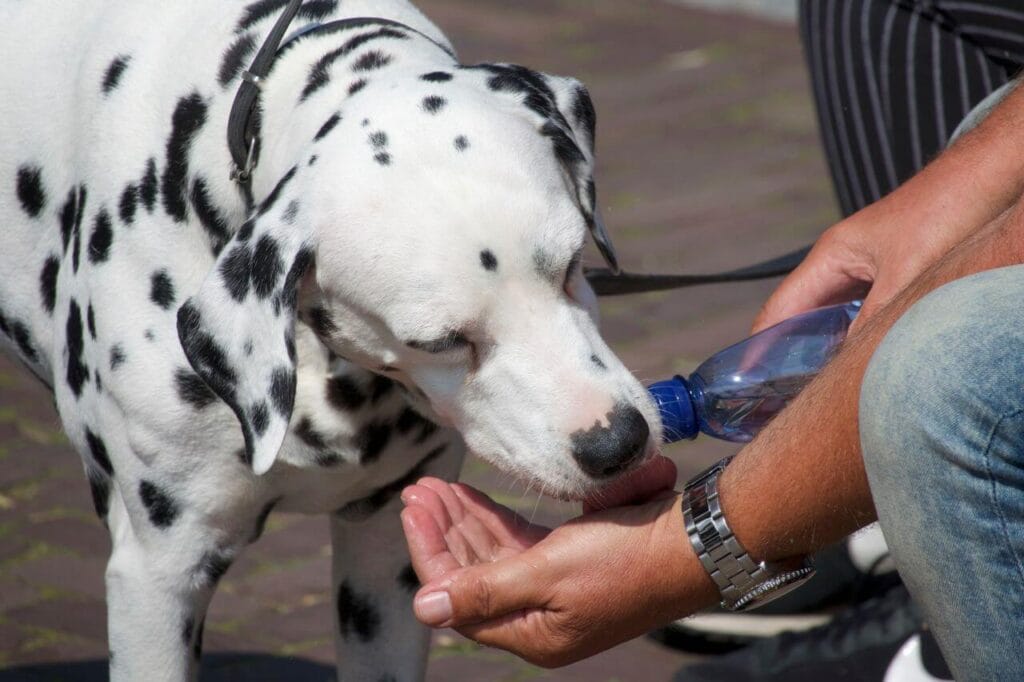
Move your dog to a comfortable cool environment and offer access to fresh water if alert and swallowing normally. Do not force water, give electrolyte products or broth as treatment, or delay contacting a veterinarian. If vomiting, unable to swallow, weak or collapsed, seek immediate veterinary care.
When to Take Your Dog to the Vet Immediately
Do not attempt home treatment for moderate to severe dehydration.
Go to the vet same day if:
- Unusual skin tenting or other concerning symptoms
- Gums are dry, pale, or tacky
- Abnormal gum color or delayed refill
- Your dog is not drinking even when water is offered
- Dehydration is occurring alongside vomiting or diarrhea
- Your dog is a puppy, senior, or already unwell from another condition
Go to the emergency vet right now if:
- Any severe signs from the table above are present
- Your dog has collapsed
- Gums are pale, white, or bluish
- Your dog is unresponsive
A veterinarian chooses fluids and administration route according to the cause, severity, oral tolerance and underlying health. Severe deficits may require intravenous therapy. Request a current cost estimate from the treating clinic.
Best Ways to Prevent Dehydration in Dogs
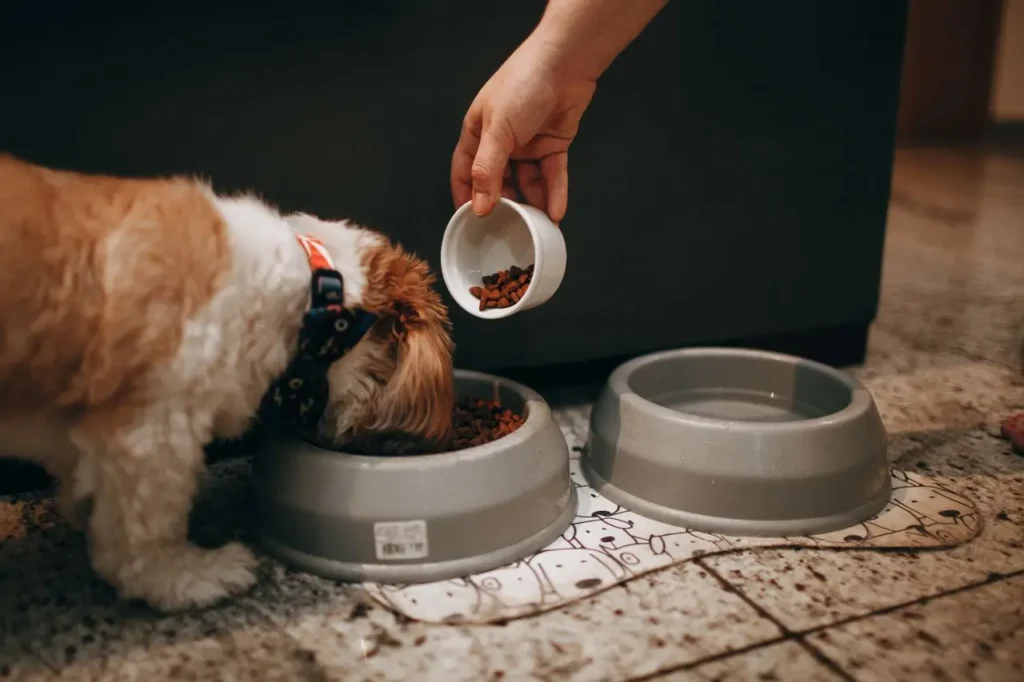
Prevention is always simpler than treatment.
- Provide fresh water in multiple locations throughout your home
- Change water at least once daily and clean bowls weekly
- Consider a pet water fountain as many dogs drink significantly more from moving water
- Carry water on every outdoor outing regardless of expected duration
- Offer water proactively every twenty to thirty minutes during outdoor activity
- During illness involving vomiting or diarrhea, contact your vet early before dehydration sets in
- Monitor water intake during hot weather and increase access points
For complete warm weather prevention strategies, read our article on dog summer care tips.
How long before a dog gets dehydrated, and how is it treated?
There is no safe universal number of hours. A sick dog losing fluid through vomiting or diarrhea, a puppy or a dog experiencing heat illness may deteriorate quickly. Normal activity and a normal-looking skin tent do not guarantee adequate hydration. Call your veterinary clinic for guidance when intake drops or losses occur, and seek emergency care for collapse, breathing difficulty, inability to swallow or severe weakness.
The 2024 AAHA fluid therapy guidance explains why oral, subcutaneous and intravenous fluids have different indications; the veterinarian assesses the deficit and cause rather than using a fixed home recipe. The Merck Veterinary Manual emergency overview describes possible dehydration signs. If overheating is suspected, follow heatstroke first-aid guidance and arrange veterinary care immediately. For ongoing wellness see common dog health problems.
Frequently Asked Questions
What are the main dog dehydration symptoms?
Possible signs include tacky gums, reduced activity and changes in urination. Home observations are not sufficient to confirm or grade dehydration.
How do you check if your dog is dehydrated?
Skin return and gum moisture are clues only. Normal skin return does not exclude dehydration; age and body condition affect the result.
What should I do if my dog shows signs of dehydration?
Offer fresh water if alert and able to swallow, move to a cool area and contact your veterinarian for advice. Severe illness, collapse or inability to drink requires urgent care.
Can a dog recover from dehydration at home?
Some dogs can tolerate oral rehydration, but the correct approach depends on the cause and severity. Do not rely on a fixed waiting period when dehydration is suspected.
How much water should a dog drink daily?
Water needs vary with diet moisture, body size, activity, environment and health. Provide unrestricted fresh water unless your veterinarian has given specific medical instructions. Record unusual increases or decreases and discuss them with your veterinarian.
Final Thoughts
Monitor normal drinking and toileting patterns and provide accessible fresh water. Seek veterinary guidance promptly if intake drops or illness develops.
Also read: Pet Emergency Signs and Heat Stroke Prevention in Dogs and Dog Summer Care Tips and Vet Costs in USA
Editorial information
My Pet Care Tips Editorial Team. This guide provides general education and does not claim article-specific veterinary review. Consult a licensed veterinarian for individual advice.