
Introduction :
Last summer I watched a dog collapse after a short walk in the Texas heat.It was not even midday. The owner had taken him out for what should have been a fifteen-minute walk around the block. By the time they got back, he was lying on the porch, panting desperately, barely able to lift his head. Neighbors helped get him into an air-conditioned car and to the emergency vet within minutes. He survived, but it was close enough to genuinely scare everyone who saw it.Heat stroke prevention in dogs is not complicated. But it does require knowing exactly what puts your dog at risk and acting before symptoms escalate, not after.Heatstroke can develop in as little as fifteen minutes under the wrong conditions.
It affects dogs left in cars, dogs walked at the wrong time of day, brachycephalic breeds with compromised airways, senior dogs, and overweight dogs at significantly higher rates than the general population.
This guide gives you everything you need for genuine heat stroke prevention in dogs. Early warning signs, proven prevention strategies, cooling methods that actually work, special considerations for high-risk dogs, and exactly what to do if prevention fails and you are facing a real emergency.
Why Heat Stroke Prevention in Dogs Matters So Much
Dogs cannot cool themselves the way humans do.
Humans sweat across most of their skin surface, which is a highly efficient cooling mechanism. Dogs sweat only through their paw pads, which provides minimal cooling. Their primary cooling method is panting, which moves air across moist tissue in the mouth and respiratory tract to dissipate heat through evaporation.
This system works reasonably well in dry, moderate conditions. It becomes far less effective when humidity is high, because there is less capacity for additional moisture to evaporate into already-saturated air. This is why heat plus humidity together is significantly more dangerous than heat alone.
According to the American Veterinary Medical Association, a dog’s normal body temperature sits between 101 and 102.5 degrees Fahrenheit. Once core body temperature exceeds 106 degrees, cellular damage begins occurring throughout the body, including the brain, kidneys, and gastrointestinal tract.
Dogs at highest risk include:
- Brachycephalic breeds with flat faces and compromised airways
- Senior dogs with reduced cardiovascular efficiency
- Puppies with immature temperature regulation
- Overweight dogs carrying excess insulating body fat
- Dogs with thick double coats
- Dogs with any history of heatstroke, which increases future susceptibility
Understanding your specific dog’s risk level shapes how cautious you need to be throughout summer.
Early Signs of Heatstroke in Dogs — Catch It Before It Is Too Late
Heatstroke Signs Table — Mild vs Severe
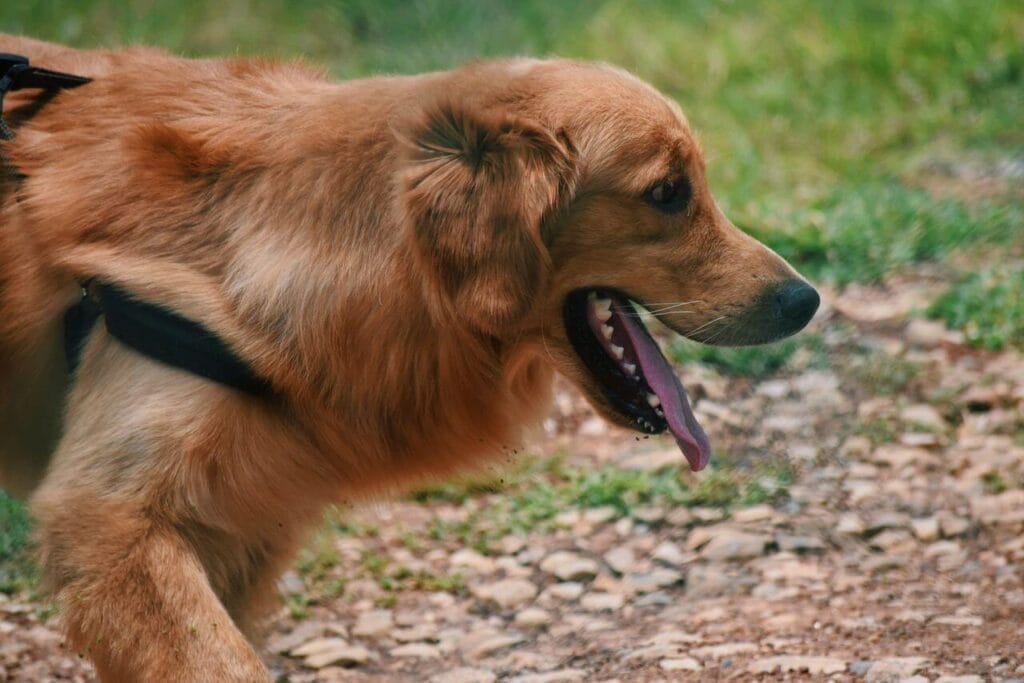
| Sign | Mild (Heat Exhaustion) | Severe (Heatstroke Emergency) |
| Panting | Heavy but controlled | Extreme, desperate |
| Gums | Pink, slightly dry | Bright red, pale, or blue |
| Drool | Increased | Thick and ropy |
| Energy | Tired, seeking shade | Weak, stumbling, collapse |
| Behavior | Restless | Disoriented, unresponsive |
| Body temp | Up to 103°F | Above 104°F |
| Vomiting | Rare | Common |
| Coordination | Normal | Staggering or seizures |
Mild Warning Signs You Should Never Ignore
These signs mean it is time to stop activity and cool your dog down immediately, even though it is not yet a true emergency.
Heavy panting that does not slow within a few minutes of rest. Excessive drooling beyond normal. Seeking shade repeatedly or trying to lie on cool surfaces. Slowing pace or reluctance to continue walking. Bright pink gums that are slightly tacky or dry to the touch.
Catching your dog at this stage and intervening immediately almost always prevents progression to true heatstroke.
Severe Emergency Signs — Act Immediately
These signs mean your dog needs emergency veterinary care right now.
Extreme uncontrolled panting that sounds desperate. Gums that have turned very red, very pale, or bluish. Thick, ropy saliva. Vomiting or diarrhea. Visible weakness, stumbling, or inability to stand. Disorientation or apparent confusion. Collapse. Seizures.
Do not wait to see if these symptoms improve on their own. Begin cooling immediately and go to the emergency vet without delay.
Best Ways to Prevent Heatstroke in Dogs
Safe Walking and Exercise Rules
The single most effective heat stroke prevention strategy is timing.
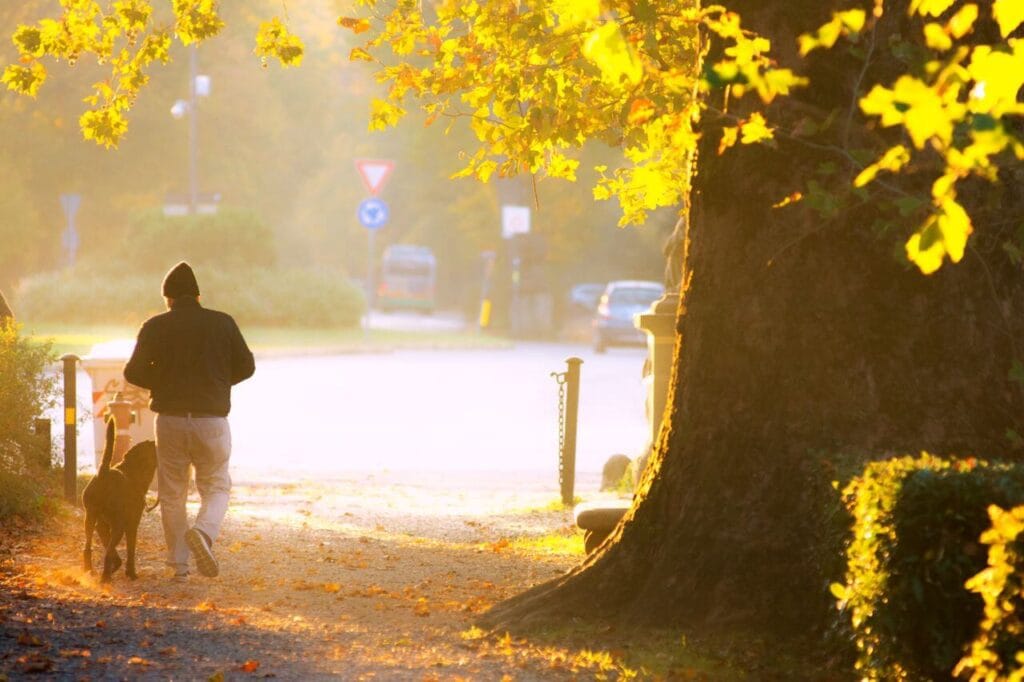
Walk and exercise your dog before 8 AM or after 7 PM during peak summer months. Avoid exercise entirely between 10 AM and 5 PM when temperatures and UV exposure peak. Always test pavement temperature with the back of your hand before walking on it. If you cannot hold your hand on the pavement comfortably for seven seconds, it is too hot for paws.
Shorten walks significantly once temperatures exceed ninety degrees Fahrenheit. Above one hundred degrees, move exercise indoors entirely regardless of time of day.
Always carry water on any outdoor outing, even short ones, and offer it every fifteen to twenty minutes during activity.
Never Leave Your Dog in a Car
This deserves repeating every single summer because dogs continue dying from it every year.
On an eighty-degree day, the inside of a parked car reaches one hundred degrees within ten minutes. By thirty minutes, interior temperatures can exceed one hundred and twenty degrees. Cracking windows makes negligible difference to this process.
There is no errand short enough to justify leaving a dog in a parked car during warm weather. None. If you see a dog in apparent distress inside a parked vehicle, note the location and vehicle details and call 911 immediately. Many states have laws protecting people who break windows to rescue animals in genuine distress.
Creating Cool Indoor Spaces
Heat stroke prevention does not stop at the front door. Indoor environments without adequate cooling pose real risk too, particularly during power outages or in homes without central air conditioning.
Ensure your dog has access to the coolest room in your home during peak heat hours. Tile and hardwood floors stay naturally cooler than carpet and many dogs instinctively seek them out. Keep blinds or curtains closed during the hottest part of the day to reduce indoor heat gain. A dedicated fan directed at your dog’s resting area provides meaningful relief even with central air conditioning running.
For region-specific guidance, particularly for owners in extreme climates, read our complete guide on dog summer care in Texas and Florida heat.
Practical Cooling Methods That Actually Work
Best Cooling Products for Dogs in 2026
Cooling Methods Comparison Table
| Method | Effectiveness | Cost | Best For |
| Evaporative cooling vest | High in dry climates | Medium/High | Active outdoor dogs |
| Pressure-activated cooling mat | High indoors | Low/Medium | Resting and sleeping |
| Frozen treats | Moderate, supportive | Low | All dogs as supplement |
| Kiddie pool | High for water-loving dogs | Low | Yard time |
| Portable misting fan | High in humid climates | Medium | Patio and outdoor areas |
| Cooling bandana | Moderate, short-term | Low | Quick walks and outings |
The Ruffwear Swamp Cooler Vest works through evaporative cooling and performs best in drier climates where evaporation occurs efficiently. The Green Pet Shop Cooling Mat uses pressure-activated gel technology and works consistently regardless of humidity, making it a reliable choice anywhere.
Natural and Free Cooling Techniques
Not every effective cooling method requires purchasing a product.
A damp towel placed in the freezer for fifteen minutes and then laid in your dog’s resting area provides genuine relief at zero cost. Wetting your dog’s ears, paws, and belly with cool water before any outdoor activity helps pre-cool their body. A simple kiddie pool filled with a few inches of water lets dogs self-regulate their temperature on their own terms throughout the day.
Hydration Tips for Extreme Heat
Water intake needs increase substantially during hot weather, sometimes nearly doubling compared to cooler months.
Always provide fresh, cool water in multiple locations. Adding ice cubes keeps water appealing and cool for longer periods. Carry a portable water bottle and collapsible bowl on every outing regardless of expected duration. Offer water proactively during activity rather than waiting for your dog to show signs of thirst, since dogs often do not seek water until they are already somewhat dehydrated.
For more detail guide read our artical :dog dehydration symptoms
Special Heat Stroke Prevention for High-Risk Dogs
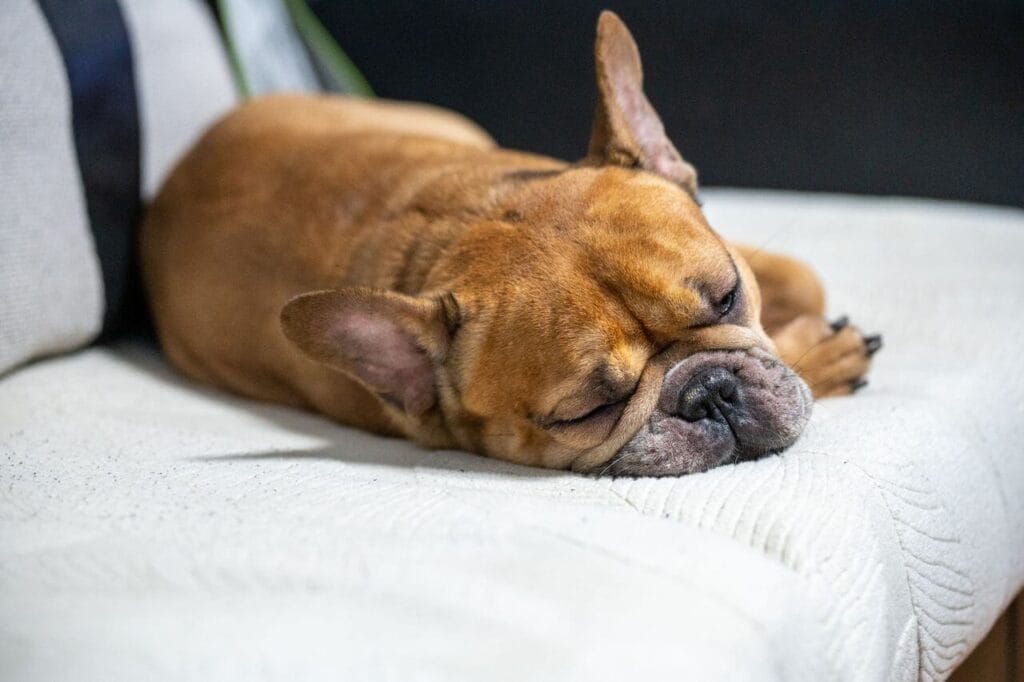
Brachycephalic Breeds — Bulldogs, Pugs, French Bulldogs
These breeds face dramatically elevated heatstroke risk due to their compromised airway structure.
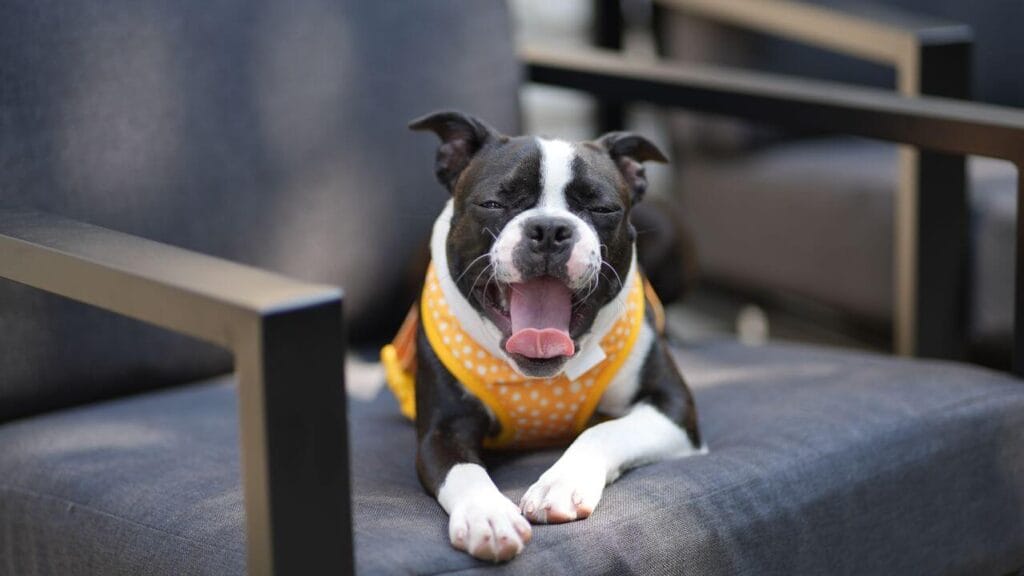
Their flat facial structure restricts airflow even in normal conditions, making their already-limited panting efficiency far less effective when temperatures rise. Outdoor time for these breeds should be minimal during summer, with bathroom breaks kept under five minutes during peak heat hours. Air conditioning is essential, not optional, for these breeds throughout summer months.
Senior Dogs and Puppies
Senior dogs have less efficient cardiovascular systems and may be on medications that increase heat sensitivity. They need shorter outdoor exposure, closer monitoring, and immediate access to cool spaces.
Puppies have immature temperature regulation systems and tire without recognizing the danger themselves. They require active supervision during any outdoor activity in warm weather, as they will often continue playing well past the point where an adult dog would seek rest.
Overweight Dogs
Excess body fat acts as insulation, trapping heat and making it harder for the body to cool efficiently. Overweight dogs overheat faster and recover more slowly than dogs at a healthy weight. Weight management is genuinely a component of heat stroke prevention, not just general health.
For more on weight management and overall health, read our guide on common pet health problems.
What to Do If You Suspect Heatstroke — Emergency Steps
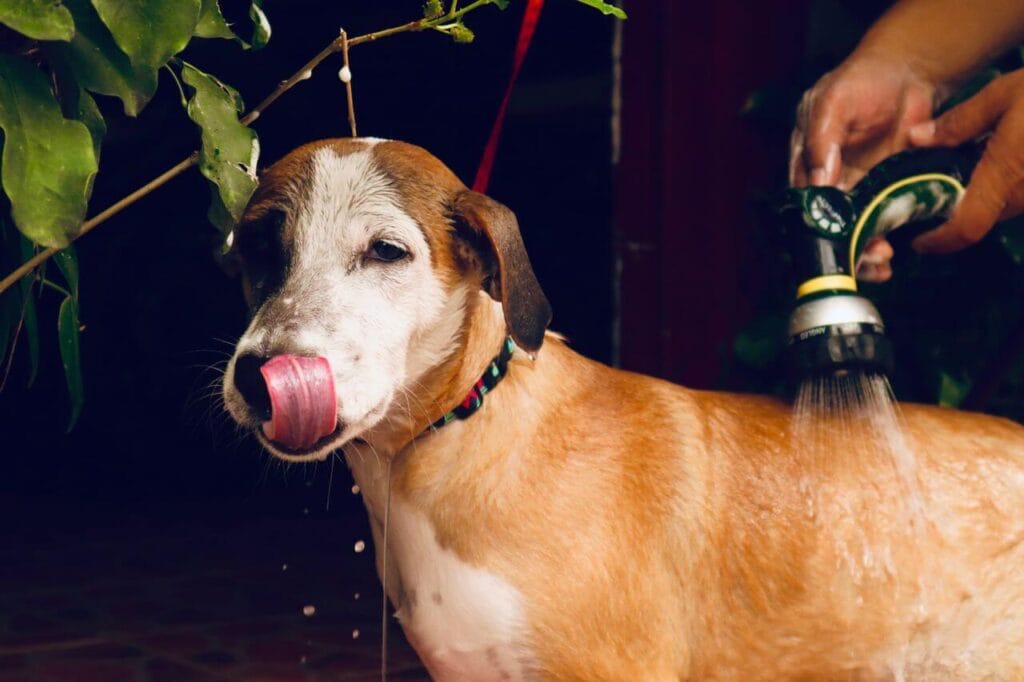
If your dog shows severe heatstroke signs, every minute matters.
Immediate first aid actions:
Step 1: Move your dog to shade or air conditioning immediately.
Step 2: Apply cool, not ice cold, water to the neck, armpits, and groin area. Cold water constricts blood vessels and slows cooling, making lukewarm to cool water more effective.
Step 3: Use a fan to increase evaporative cooling if available.
Step 4: Offer small sips of water if your dog is conscious and able to swallow safely.
Step 5: Check gum color and note it for the vet.
When to rush to the vet:
Any dog showing severe heatstroke signs needs emergency veterinary care immediately, regardless of whether symptoms appear to be improving with cooling efforts. Internal organ damage from heatstroke is not visible externally and can continue progressing even after surface symptoms seem to resolve.
Call ahead to your emergency vet so they can prepare for your arrival. For a complete guide on recognizing all critical pet symptoms, read our article on pet emergency signs.
Daily Summer Routine to Prevent Heatstroke
Morning (before 8 AM): Exercise and walks during the coolest hours. Test pavement before heading out.
Midday (10 AM to 5 PM): Keep your dog indoors with air conditioning or in deeply shaded, well-ventilated outdoor space only. Limit outdoor time to brief bathroom breaks.
Afternoon to evening: Continue monitoring as heat lingers even as direct sun decreases.
Evening (after 7 PM): Second exercise session once temperatures have genuinely dropped.
All day: Fresh water always accessible. Never leave your dog unattended in a parked car under any circumstances. Watch continuously for early warning signs during any outdoor exposure.
Frequently Asked Questions
What are the early signs of heatstroke in dogs?
Early signs include heavy panting that does not slow with rest, excessive drooling, seeking shade repeatedly, reluctance to continue activity, and bright pink or dry gums. Catching these signs early and cooling your dog immediately almost always prevents progression to severe heatstroke.
How can I prevent heatstroke in dogs during summer?
Walk only during cool morning and evening hours, never leave your dog in a parked car, provide constant access to fresh water, create cool indoor resting spaces, and know your specific dog’s individual risk factors including breed, age, and weight.
When is it too hot to walk my dog?
Above ninety degrees Fahrenheit, walks should be brief with relief breaks. Above one hundred degrees, move exercise entirely indoors. Always test pavement temperature with the seven-second hand test before any walk regardless of air temperature.
Can dogs get heatstroke indoors?
Yes, particularly in homes without adequate air conditioning, during power outages, or in poorly ventilated spaces. Indoor heatstroke is less common than outdoor cases but remains a genuine risk, especially for brachycephalic breeds and senior dogs in hot climates.
What should I do if my dog shows signs of heatstroke?
Move to a cool area immediately, apply cool water to the neck, armpits, and groin, offer small sips of water if conscious, and go to the emergency vet right away even if symptoms seem to improve with initial cooling efforts.
Are cooling vests effective for heat stroke prevention?
Evaporative cooling vests like the Ruffwear Swamp Cooler are effective, particularly in drier climates where evaporation occurs efficiently. In high humidity environments, cooling mats and direct water-based methods tend to provide more consistent relief.
How much water does a dog need in hot weather?
Water needs can nearly double during extreme heat compared to cooler months. A general guideline is one ounce per pound of body weight daily under normal conditions, increasing significantly with heat and activity level. Always offer water proactively rather than waiting for signs of thirst.
Final Thoughts
That dog I watched collapse on the Texas sidewalk recovered fully. But the experience stuck with everyone who witnessed it.
Heat stroke prevention in dogs is genuinely achievable with consistent awareness and a few simple habits. Timing your walks correctly. Never leaving your dog in a car, even briefly. Knowing the early warning signs well enough to act before they escalate. Keeping cooling resources accessible throughout summer.
Most heatstroke cases are preventable. The dogs who suffer the worst outcomes are almost always the ones whose owners did not recognize the danger until symptoms were already severe.
You now know exactly what to watch for and exactly what to do. That knowledge is the most powerful prevention tool you have.
Share your best heat prevention tip in the comments below. What has worked for keeping your dog safe and cool during the hottest months? Your experience might help another owner avoid a genuine emergency this summer.
Also read:
→ Dog Summer Care Texas Florida
→ Dog Summer Care Tips
→ Pet Emergency Signs
→ Common Pet Health Problems
→ Vet Costs in USA
Author Bio
Written by David Jason
Founder of My Pet Care Tips
Dog owner with over 8 years of hands-on experience managing pet safety through extreme summer conditions. Every strategy in this guide is based on real experience and trusted veterinary sources.
Last Updated: June 16, 2026
Sources: AVMA, ASPCA, VCA Hospitals, Veterinary Emergency Group
Note: Always consult a licensed veterinarian immediately for any suspected heatstroke emergency.