

Finding the perfect dog for your family is one of the most exciting decisions you will ever make.I have seen families bring home high-energy working breeds that left their apartment in ruins within a week. I have seen gentle giants overwhelm toddlers unintentionally. And I have seen tiny dogs struggle to keep up with rowdy kids who just wanted a playmate.The best dog breeds for families are not simply the cutest or the most popular. They are the breeds that genuinely match your family’s lifestyle, your home size, your children’s ages, and the amount of time you realistically have for exercise, training, and care.
In the USA, family circumstances vary enormously. Busy parents in New York apartments need a completely different breed than active families in Texas suburbs with a large yard. Parents with toddlers need different traits than families with teenagers.
What Are the Best Dog Breeds for Families?
Some of the best dog breeds for families include Labrador Retrievers, Golden Retrievers, Beagles, Poodles, and Cavalier King Charles Spaniels. The right choice depends on your family’s routine, children’s ages, living space, and the time you can give to exercise, training, and grooming.
Active families may enjoy a Labrador or Golden Retriever, while households looking for a smaller companion may consider a Cavalier King Charles Spaniel or Bichon Frise. Every dog is different, so consider the individual dog’s temperament, health, and care needs before making a decision.
How to Choose the Best Dog Breeds for Families

Key Factors Every Family Should Consider
Before looking at specific breeds, be honest about these five factors.
Energy level match: A high-energy dog in a low-energy family is a recipe for behavior problems. Your dog’s energy level should match the activity level your family realistically maintains year-round, not just in summer.
Size and living space: Large dogs can thrive in apartments with enough daily exercise. Small dogs can struggle in chaotic homes with young children who do not know their own strength. Size alone is not the deciding factor.
Shedding and allergies: Low-shedding breeds may be worth considering if someone in your family has pet allergies, but no dog is completely hypoallergenic. Allergens can come from a dog’s skin, saliva, and other sources, so shedding alone does not determine whether someone will react. Consider the specific dog’s coat care needs and speak with a healthcare professional if allergies are a concern.
Trainability: First-time dog owners need a breed that responds well to basic training. Some breeds are brilliantly intelligent but require experienced handling. Others are eager to please from day one.
Temperament with children: Look for a dog whose individual temperament, energy level, and socialization suit your household. Some breeds have traits that may make them a good match for family life, but no breed guarantees a particular behavior. Children should learn to handle dogs gently, and an adult should always supervise interactions with young children.
Questions to Ask Before Choosing a Breed
Ask yourself these questions honestly before committing.
- How many hours per day can we realistically spend exercising a dog?
- Do we have outdoor space or are we apartment-based?
- What are the ages of our children?
- Does anyone in the family have pet allergies?
- Can we afford grooming costs for long-coated breeds?
- Are we first-time dog owners?
- Are we open to adopting from a shelter?
Your answers should guide every breed decision that follows
Top 12 Best Dog Breeds for Families in 2026
Breed Comparison Table
Breed Comparison Table
| Breed | Size | Energy Level | Grooming Needs | Best Suited For |
|---|---|---|---|---|
| Labrador Retriever | Large | High | Moderate | Active families prepared for daily exercise |
| Golden Retriever | Large | High | Moderate to high | Families who enjoy outdoor activities |
| Cavalier King Charles Spaniel | Small | Moderate | Regular brushing | Families seeking a smaller companion |
| French Bulldog | Small | Low to moderate | Low to moderate | Households prepared for breed-specific health care |
| Beagle | Small to medium | Moderate to high | Moderate | Families ready for training and daily activity |
| Poodle | Toy, Miniature, or Standard | Varies | High | Families prepared for regular coat care |
| Boxer | Large | High | Low to moderate | Active families with time for training |
| Bichon Frise | Small | Moderate | High | Families comfortable with frequent grooming |
| Border Collie | Medium | Very high | Moderate | Very active households with time for mental stimulation |
| Bernese Mountain Dog | Large | Moderate | High | Families with enough space and time for care |
| Goldendoodle | Varies | Varies | Varies | Families willing to assess the individual dog’s coat and needs |
| Irish Setter | Large | High | Moderate to high | Active households prepared for exercise and grooming |
Energy and grooming needs can vary with age, health, coat type, and the individual dog. Use these categories as a starting point, not a guarantee of temperament or suitability.
Labrador Retriever — The Ultimate Family Dog
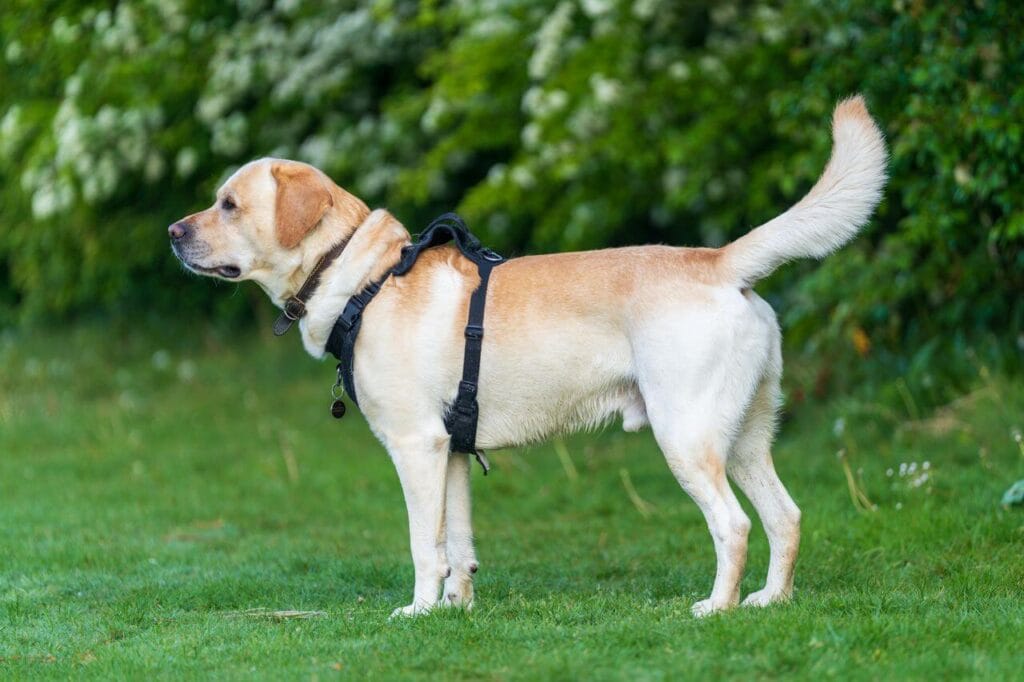
The Labrador Retriever has been the most popular dog breed in the USA for over thirty consecutive years.
That consistency is not an accident. Labs are genuinely exceptional family dogs. They are patient with young children, enthusiastic with teenagers, gentle with seniors, and adaptable to almost any family dynamic. They are also among the easiest breeds for first-time owners to train.
Labs come in three colors yellow, chocolate, and black with identical temperaments regardless of color. They are large dogs typically weighing fifty-five to eighty pounds at adulthood.
Energy level: High. Labs need sixty to ninety minutes of exercise daily. Without it, they become restless and destructive.
Best for: Active families with children of any age, first-time owners, families with yards.
Watch out for: Shedding is moderate to heavy. Weight gain is common without portion control and daily exercise. Their exuberance can accidentally knock over very small toddlers.
Pros: Gentle, trainable, patient, loves water, excellent with children, widely available.
Cons: Heavy shedding, needs significant daily exercise, prone to weight gain.
Golden Retriever — Gentle and Patient Family Companion

If Labs are the reliable family dog, Golden Retrievers are the gentle souls.
Goldens are famously patient, soft-mouthed, and tolerant of the kind of enthusiastic handling that young children inflict. They rarely react aggressively even when startled. And they are deeply affectionate and form strong bonds with every family member including the youngest ones.
They are also highly trainable and eager to please, which makes them forgiving for first-time dog owners who make training mistakes.
Energy level: High. Goldens need sixty to ninety minutes of active exercise daily.
Best for: Families with young children, families wanting a deeply affectionate companion, first-time owners.
Watch out for: Golden Retrievers have one of the highest cancer rates of any breed. Health screening when choosing a breeder is important. They shed heavily and require regular grooming.
Pros: Incredibly gentle, patient, loving, highly trainable, excellent with all ages.
Cons: Heavy shedding, high cancer rate, needs daily active exercise.
Cavalier King Charles Spaniel — Best for Apartments and Toddlers
The Cavalier is one of the best-kept secrets in the family dog world.
They are small enough for apartment life, gentle enough for toddlers, adaptable enough for busy schedules, and sweet-tempered enough that even novice owners rarely struggle. They are affectionate without being demanding and calm without being boring.
Cavaliers typically weigh twelve to eighteen pounds and reach around twelve inches in height. They are happy with moderate daily exercise and genuinely content to cuddle for hours.
Energy level: Low to moderate. A thirty to forty minute walk daily keeps most Cavaliers happy.
Best for: Apartment families, families with toddlers, families with older or less active members, first-time owners.
Watch out for: Cavaliers are prone to heart disease, particularly mitral valve disease, which affects most of the breed by age ten. Regular cardiac screening is essential. They should not be left alone for extended periods as they are sensitive to isolation.
Pros: Gentle, quiet, apartment-friendly, loving, excellent with young children.
Cons: Significant health concerns, cannot be left alone long periods, moderate grooming needs.
Best Dog Breeds for Families with Young Children

When choosing a dog for a family with young children, temperament, size, energy level, and supervision all matter. Some breeds may be a good fit for family life, but the individual dog’s personality and history are just as important as its breed.
Breeds Families May Want to Consider
Golden Retriever: Often considered by active families looking for an affectionate companion. Golden Retrievers need regular exercise, training, and grooming, and their size can be challenging around toddlers.
Cavalier King Charles Spaniel: A smaller companion that may suit families looking for a less physically demanding dog. Consider the breed’s health needs and the importance of gentle handling.
Beagle: Playful and curious, Beagles may suit families who can provide daily activity and consistent training. Their scent-driven nature can make recall training challenging.
Bernese Mountain Dog: A large, often gentle breed that may suit households with enough space and time for grooming and exercise. Its size alone can create challenges around very young children.
Bichon Frise: A small companion with a coat that requires regular grooming. Children need to handle this breed gently, and adults should supervise interactions.
No breed is automatically safe with children. Teach children to respect a dog’s space, avoid disturbing it while eating or sleeping, and never climb on or pull at a dog. Always supervise young children around dogs, even when the dog is familiar with the family.
According to the American Kennel Club, proper socialization during puppyhood is as important as breed temperament for determining how well any dog interacts with children.
Best Dog Breeds for Families Living in Apartments

Apartment living does not mean you cannot have a dog.
Choosing a dog for a small home involves more than size. Consider barking, exercise needs, training, and how much time the dog will spend alone. For more options, see our guide to best apartment dog breeds.
It means you need to be more intentional about breed selection and more committed to daily outdoor exercise. Several breeds thrive in apartments with the right routine.
French Bulldog and Other Small Family-Friendly Breeds
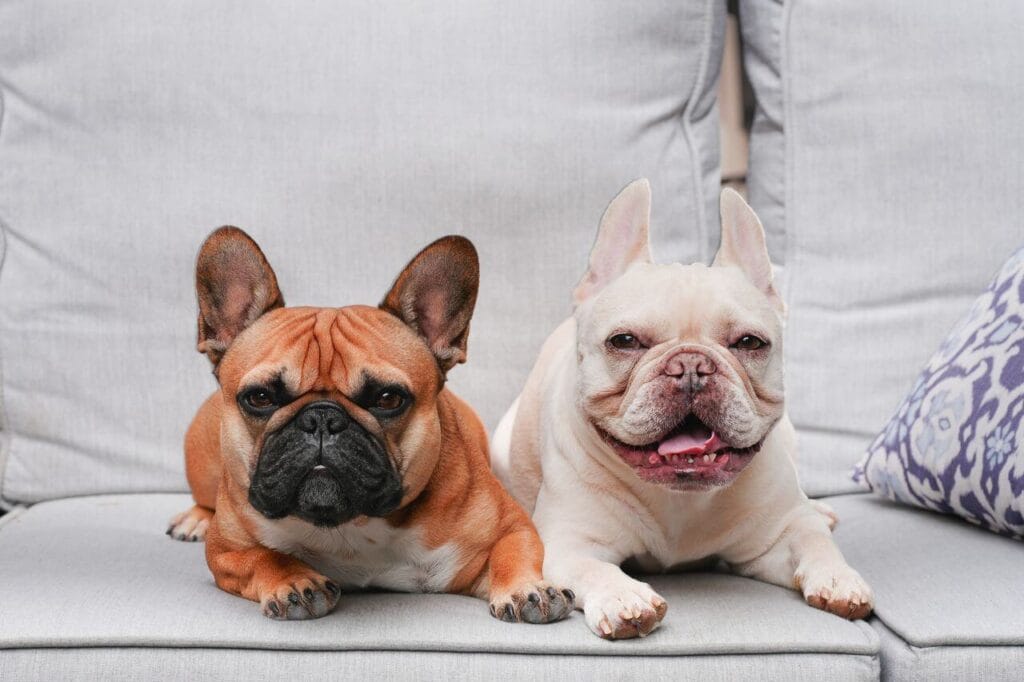
They are quiet, rarely bark excessively, have low exercise requirements, and adapt beautifully to apartment living. They weigh under twenty-eight pounds and are genuinely affectionate and playful with children.
Energy level: Low. Two short walks daily satisfies most French Bulldogs.
Best for: Apartment families, busy parents, families with limited outdoor access.
Watch out for: French Bulldogs have a flat-faced structure that can cause breathing difficulties. They may also struggle in hot weather and need careful monitoring during exercise. Discuss the breed’s health risks and potential veterinary costs before choosing one.
Other great apartment breeds:
- Cavalier King Charles Spaniel
- Bichon Frise
- Pug (with awareness of similar breathing concerns)
- Shih Tzu
- Maltese
For exercise ideas that work in limited spaces, read our dog exercise routine guide.
Best Hypoallergenic and Low-Shedding Dog Breeds for Families

If someone in your family has pet allergies, coat type and grooming are worth considering before choosing a dog. However, no breed is completely hypoallergenic, and low shedding does not guarantee that a person will have fewer allergy symptoms.
Breeds to Consider
Poodle: Available in Toy, Miniature, and Standard sizes. Poodles shed relatively little, but their coats need regular brushing and professional grooming.
Goldendoodle: A cross between a Golden Retriever and a Poodle. Coat type and shedding can vary, so do not assume every Goldendoodle will be low-shedding or suitable for someone with allergies.
Bichon Frise: A small breed that generally sheds relatively little. Regular brushing and grooming are still necessary to maintain its coat.
Portuguese Water Dog: An active, medium-sized breed with a coat that needs consistent care. It is generally better suited to families who can provide regular exercise and training.
Schnauzer: Available in different sizes, with coat care requirements that depend on the variety and grooming routine.
If allergies are a concern, spend time around the specific dog before making a long-term commitment and consult a healthcare professional for advice. For a more detailed comparison, read our guide to dogs that don’t shed.
Best Dog Breeds for Busy Families with Limited Time

Honest answer: no dog is suitable for a household that cannot consistently meet its basic needs.
Some dogs may need less intense exercise than others, but every dog still needs daily care, attention, appropriate activity, and training. Grooming, health needs, and the time required to help a dog settle into family life also matter.
French Bulldog: Low exercise needs, easy grooming, content with apartment life.
Cavalier King Charles Spaniel: Adapts to your pace. Active days and quiet days both work.
Shih Tzu: Calm, small, and happy with moderate interaction. Does not require extensive daily exercise.
Basset Hound: Famously laid-back. Content with moderate walks and significant couch time.
Greyhound: Surprisingly low-energy indoors despite their racing reputation. They are gentle, quiet house dogs that require one good daily run.
The most important rule for busy families is this. Even the lowest-energy breed needs daily interaction, daily exercise, and daily connection with their humans. If your family truly cannot commit to that consistently, the timing may not be right for a dog.
If you are comparing dogs based on everyday care requirements, our guide to best low-maintenance dog breeds explains the trade-offs between exercise, grooming, and daily attention.
Pros and Cons Comparison Table
| Breed | Main Advantage | Main Consideration | Best Match |
|---|---|---|---|
| Labrador Retriever | Trainable and active | Exercise and shedding | Active families |
| Golden Retriever | Affectionate and trainable | Grooming and exercise | Families with time for outdoor activities |
| Cavalier King Charles Spaniel | Small companion | Breed-specific health risks | Families prepared for regular care |
| French Bulldog | Compact size | Breathing and heat concerns | Families prepared for extra health care |
| Beagle | Playful and curious | Training and scent-driven behavior | Active households |
| Poodle | Low-shedding coat | Regular grooming and stimulation | Families prepared for coat care |
| Boxer | Energetic and playful | Exercise and training | Active households |
| Bichon Frise | Small and low-shedding | Frequent grooming | Families prepared for coat maintenance |
| Bernese Mountain Dog | Often calm and affectionate | Size, grooming, and health needs | Households with sufficient space |
| Goldendoodle | Coat and temperament may suit some families | Traits vary between individual dogs | Families who assess each dog’s needs |
These comparisons are general guides. A dog’s individual temperament, health, and needs should always be considered before adoption.
Important Considerations Before Adopting

Cost Reality
Bringing home a dog is a financial commitment that extends far beyond the initial purchase or adoption fee.
Annual costs for a medium to large dog in the USA range from one thousand to three thousand dollars including food, veterinary care, grooming, and supplies. Emergency vet situations add significantly to this. For a complete breakdown of what to budget, read our guide on vet costs in USA explained.
Training Commitment
Every dog on this list is trainable. But training requires consistent daily effort for the first six to twelve months. First-time dog owners should factor in the time and potentially the cost of puppy classes.
Enrolling in puppy training classes typically costs one hundred to two hundred dollars for a six to eight week course and significantly accelerates the training process for new owners.
Breeder vs Shelter
Millions of wonderful dogs wait in US shelters every year including purebred and breed-mix dogs of every size and temperament.
Adopting from a rescue or shelter costs fifty to three hundred dollars and often includes vaccinations, microchipping, and spay or neuter surgery. Buying from a breeder costs between eight hundred and five thousand dollars depending on breed and breeder reputation.
Both routes can lead to an excellent family dog. Whichever you choose, prioritize health screening and avoid pet stores and puppy mills.
Frequently Asked Questions
What are the best dog breeds for families with kids?
Golden Retrievers, Labrador Retrievers, Beagles, Cavalier King Charles Spaniels, and Bichon Frises are among the breeds families often consider. The right choice depends on the individual dog’s temperament, exercise needs, size, and health. Children should always be supervised around dogs, regardless of breed.
Are Labrador Retrievers good for families?
Yes, Labs are among the best family dogs in existence. They are patient, gentle, highly trainable, and adaptable to children of all ages. Their main requirements are daily exercise and portion-controlled feeding to prevent obesity.
What is the best family dog for apartment living?
The French Bulldog, Cavalier King Charles Spaniel, Bichon Frise, and Shih Tzu are the top apartment-friendly family breeds. All four adapt well to limited space with appropriate daily walks.
Which dog breeds are best for first-time owners?
Labrador Retrievers, Golden Retrievers, and some smaller companion breeds may suit first-time owners, but every dog requires patience, training, and daily care. Consider your available time, budget, and living space before choosing. If you are bringing home a puppy, our guide to how to train a puppy at home can help you prepare for the early stages of training.
Are French Bulldogs good family dogs?
Yes, French Bulldogs are affectionate, playful, and gentle with children. Their main drawbacks are significant veterinary costs related to their brachycephalic structure and sensitivity to heat, which requires careful management in warm US climates.
What are the best low-shedding dog breeds for families?
Poodles, Bichon Frises, Portuguese Water Dogs, and some Schnauzers are commonly considered low-shedding options. Coat type and grooming needs vary, and no breed is completely hypoallergenic. If someone in your family has allergies, spend time around the individual dog and seek medical advice when needed. See our guide to dogs that don’t shed for more details.
How do I choose the right dog breed for my family?
Match the dog’s energy level to your family’s activity level. Match size to your living space, keeping in mind that exercise commitment matters more than yard size. Prioritize temperament with children over appearance. Be honest about grooming time and budget. And consider adopting a breed-specific rescue before committing to a breeder.
Are Goldendoodles good for families?
Goldendoodles can be good companions for some families, but their size, energy, coat type, and temperament can vary. They need appropriate exercise, training, and grooming. Families should assess the individual dog rather than assume every Goldendoodle will have the same temperament or shedding level.
Final Thoughts
The best dog breed for your family is not necessarily the most popular breed or the cutest one at the shelter.
It is the one whose energy level, temperament, size, and care requirements genuinely fit the life your family actually lives. Not the life you wish you lived. The one you actually live.
Take your time. Do your research. Visit breeds in person at shelters, breed events, or reputable breeders before committing. If you have children, involve them in the process and observe how specific dogs interact with them.
And when you do bring your new dog home, invest in training early, commit to daily exercise, and read everything you can about their health needs. A well-matched and well-cared-for dog becomes one of the most rewarding relationships your family will ever have.
Which breed are you leaning toward for your family? Share it in the comments below. And if you are still deciding, tell me about your family situation and I will give you my honest recommendation.
Also read:
→ How to Train a Puppy at Home
→ Best Dog Toys for Active Dogs
→ Common Dog Health Problems
Author Bio
Written by David Jason
Founder of My Pet Care Tips
Dog and cat owner with hands-on experience with multiple breeds in both apartment and home environments. Every recommendation is based on real experience and trusted sources including AKC breed standards and owner feedback.
Last Updated: Oct 16, 2026
Sources: AKC, ASPCA, American Veterinary Medical Association,breed health surveys 2026
Note: Every dog is an individual.Spend time with any dog before adopting to ensure a good matchfor your specific family.