
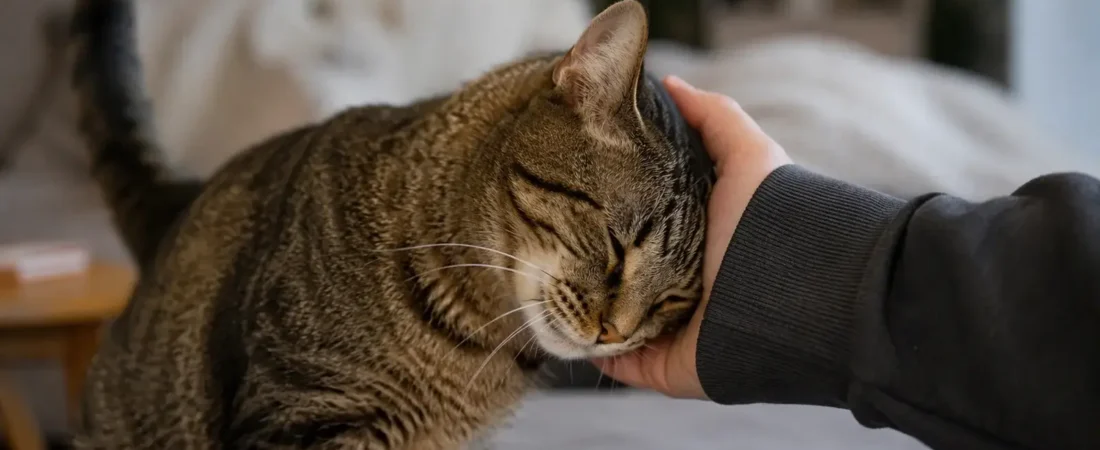
You’re relaxing on the couch when your cat walks over and gently bumps their head against your hand. A minute later, they do it again, harder this time. If you’ve ever wondered why does my cat keep headbutting me, you’re asking one of the most common questions cat owners have.
The short answer is that headbutting is almost always a good thing. It’s called bunting, and it’s one of the clearest signs your cat trusts you.So why does my cat keep headbutting me? Here are the nine most common reasons, plus a few cases that need a closer look.
Quick Answer
Why does my cat keep headbutting me? Your cat is bunting. That means it rubs scent glands on your skin to mark you as safe and familiar. It also shows trust and affection. This is normal in healthy cats. Hard, repeated head pressing against walls or objects is different and needs a vet.
What Does It Mean When a Cat Headbutts You?
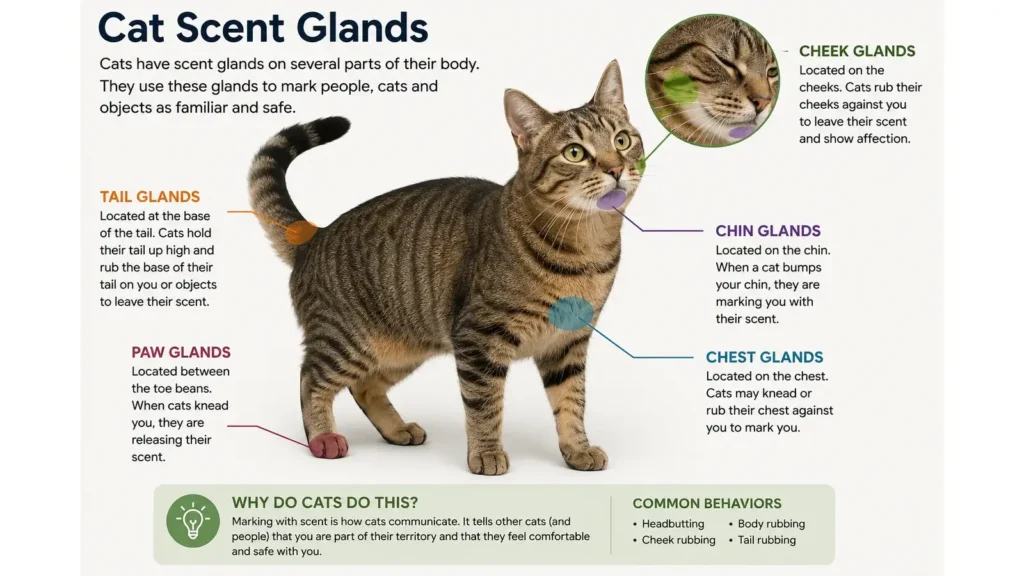
Cats have scent glands located on their forehead, cheeks, and chin. When your cat presses their head against you, they’re depositing pheromones from these glands onto your skin.
This behavior is called bunting. Cats only bunt people, animals, and objects they consider part of their trusted circle.
Bunting does a few important things for your cat:
- Marks you with their scent, blending it with their own
- Builds a shared “colony scent” between you and your cat
- Signals bonding and social trust
- Helps your cat feel calm and secure
According to VCA Animal Hospitals, headbutting isn’t necessarily about love in the human sense, but it is a clear sign of trust, since cats only rub their scent glands on people and things they feel safe around.
9 Reasons Your Cat Keeps Headbutting You
If your cat keeps headbutting you, one of these nine reasons almost always explains it. Many cats headbutt for more than one reason at once.
Your Cat Is Showing Affection
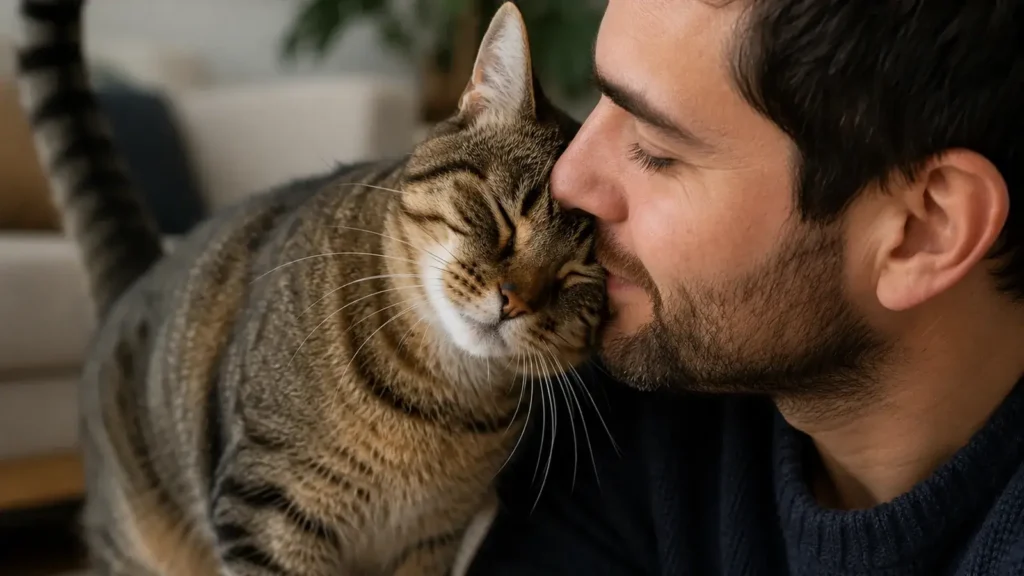
While bunting starts as scent marking, most cats also use it as an expression of warmth toward their favorite people. If your cat headbutts you often, they clearly enjoy your company.
A slow blink or a soft purr often comes with the bump. Licking is another trust signal, and our guide on why your cat licks you explains it.
They’re Marking You With Their Scent
Bunting lets your cat blend their scent with yours. In the wild, cats in the same colony rub against each other to create a shared smell that signals familiarity and safety.
Cats have scent glands on their cheeks, chin, and forehead. Each bump leaves a scent that tells your cat you belong to its safe group.
They’re Asking for Attention
Sometimes a headbutt is simply your cat’s way of saying “notice me.” This is especially common when you’re busy doing something else.
Your cat learns fast. If a headbutt makes you look up, it will repeat the move. A cat that also cries for you may need more play, so read why your cat won’t stop meowing.
They Want Food
Many cats headbutt their owners right before mealtime. It’s a learned behavior. If headbutting gets a food response once, your cat will likely repeat it.
Check the clock. Headbutts near mealtime often mean your cat wants breakfast or dinner. Keep feeding times steady to cut the pestering.
They Feel Safe Around You
Cats are vulnerable when their head is close to another creature. A cat who headbutts you regularly is showing they don’t see you as a threat at all.
A cat only rubs its head on someone it trusts. Bumping you in the open shows your cat feels relaxed around you.
They’re Greeting You
Coming home to a headbutt at the door is common. It’s your cat’s way of saying hello and re-establishing the bond after time apart.
Cats greet friends by touching heads or noses. Your cat may headbutt your hand or leg when you walk in. Treat it as a hello.
They Want Petting
A headbutt can be an invitation. Many cats follow it up by nudging your hand toward their head or cheek, hoping you’ll take the hint and start petting.
Many cats lower their head and push into your hand. That push means keep going. Stop when the tail starts to twitch or the ears flatten.
They’re Seeking Comfort
Bunting can be self-soothing. Cats sometimes headbutt their favorite person during moments of mild stress, like after a loud noise or a change in routine.
Cats seek warmth and calm when they feel uneasy. A move, a new pet, or a loud day can raise the number of headbutts. Give your cat a quiet spot and keep routines steady.
Rarely, It Could Indicate a Medical Issue
Occasional, gentle headbutting is normal. But sudden, obsessive rubbing, especially combined with other symptoms, is worth mentioning to your vet.
Normal headbutts are gentle and short. Call your vet if your cat presses its head hard against a wall for long periods. Also call if you see other changes, such as wobbling or unusual tiredness.
Why Does My Cat Headbutt Me and Purr?
Purring combined with headbutting is one of the clearest signs of contentment in cats. This pairing usually shows up during quiet, relaxed moments, similar to the comfort-driven behavior in Why Does My Cat Sleep on My Chest.
Why Does My Cat Headbutt Me Then Bite Me?
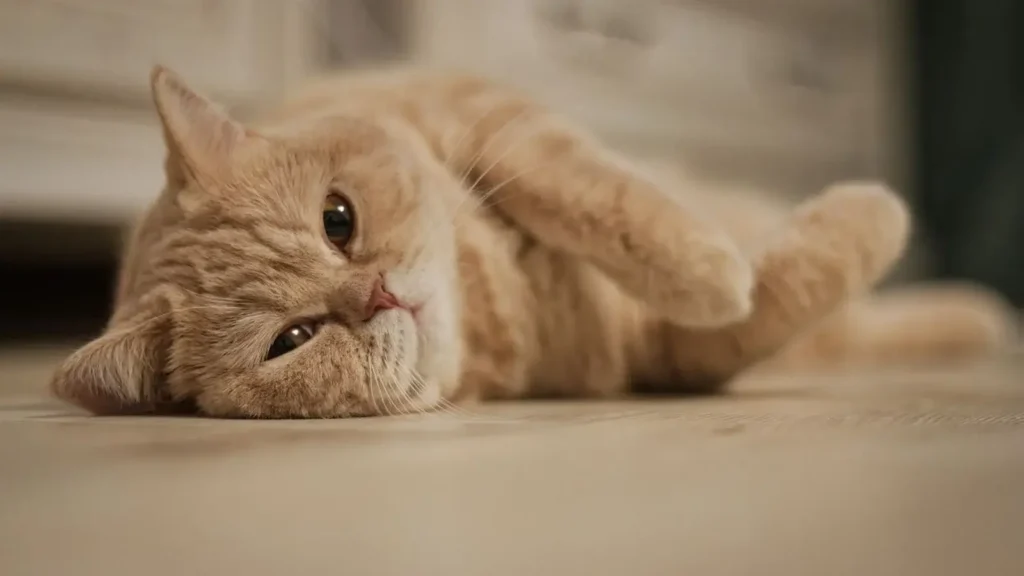
This combination usually comes down to overstimulation. Your cat enjoyed the closeness at first, but too much petting or contact afterward can flip that enjoyment into a mild bite. It’s rarely aggressive. Think of it as your cat’s way of saying “that’s enough for now.”
Some cats bite after a headbutt because they feel overstimulated. Watch for a twitching tail, flat ears, or a sudden stare. Stop petting at the first sign. Our guide on why cats lick you then bite you covers the same pattern.
Why Does My Cat Headbutt Me While I’m Sleeping?
Nighttime and early morning headbutts are common because cats are naturally more active at dawn and dusk. Your cat may be:
- Waking you up for breakfast
- Seeking attention during a quiet moment
- Following their normal sleep and wake rhythm
Why Does My Cat Keep Headbutting Me in the Face?
Face headbutting is one of the most intimate versions of bunting. Cats reserve this for people they trust deeply. It usually means your cat feels completely safe with you and wants to exchange scent up close.
Your face holds strong scent and warmth. Cats often choose the cheek or nose when you lie down, because it is close and easy to reach. Gentle face bumps are a sign of trust. Move your cat away if the bumps wake you at night.
Why Does My Cat Headbutt My Hand?
A headbutt against your hand is often an invitation to pet them. Cats will nudge your palm toward their head or cheek, guiding you toward exactly where they want to be scratched.
Why Does My Cat Keep Headbutting Me While I Work?
A laptop, a keyboard, and your full focus can feel like a closed door to your cat. Headbutting is a polite way to ask you to look up. Warm hands and steady typing also draw cats in.
Try these quick fixes:
- Schedule a 10-minute play session before your work block.
- Give your cat a perch or bed near your desk.
- Use a puzzle feeder at the start of long calls.
Why Does My Cat Keep Headbutting Me Aggressively?
There’s a big difference between an enthusiastic bunt and something more concerning.
Gentle bunting is soft, brief, and happens while your cat is moving around and interacting with you normally. It may feel firm, but it’s quick and followed by cheek rubbing or purring.
Head pressing is very different. This is when a cat pushes their head against a wall, floor, or furniture for a long period, often looking dazed or unaware of their surroundings.
Hard, fast headbutts that come with hissing or growling are a different story. Your cat may feel stressed, scared, or overstimulated. Look for a trigger such as a new pet, a loud noise, or too much handling. If it keeps going, see our guide to cat behavior problems and solutions and talk to your vet.
Head pressing is not a form of affection. It’s a neurological warning sign and should be treated as a medical emergency.
Do Cats Headbutt Everything? Furniture, Doors, and Corners
Cats rub their heads on furniture, door frames, and corners to leave scent. This is normal. A familiar scent makes a room feel safe. Some cats also headbutt a door or screen when they want to go outside.
Treat gentle rubbing as healthy marking. Treat hard, steady pressing against a wall as head pressing, which needs a vet. The next section shows the difference.
Normal Headbutting vs Dangerous Head Pressing
| Feature | Normal Headbutting (Bunting) | Dangerous Head Pressing |
| Target | You, other pets, furniture | Usually a wall, floor, or corner |
| Duration | Brief, a few seconds | Prolonged, minutes at a time |
| Behavior | Followed by rubbing, purring | Cat appears dazed or stuck |
| Cause | Bonding, scent marking, comfort | Neurological or metabolic issue |
| Other signs | Relaxed body, normal movement | Circling, seizures, disorientation, vision problems |
| Action needed | None, it’s healthy | Vet visit immediately |
When Should You Be Concerned?
Call your vet immediately if head pressing is combined with any of the following:
- Circling or pacing
- Seizures or twitching
- Confusion or disorientation
- Loss of balance
- Vision problems or bumping into objects
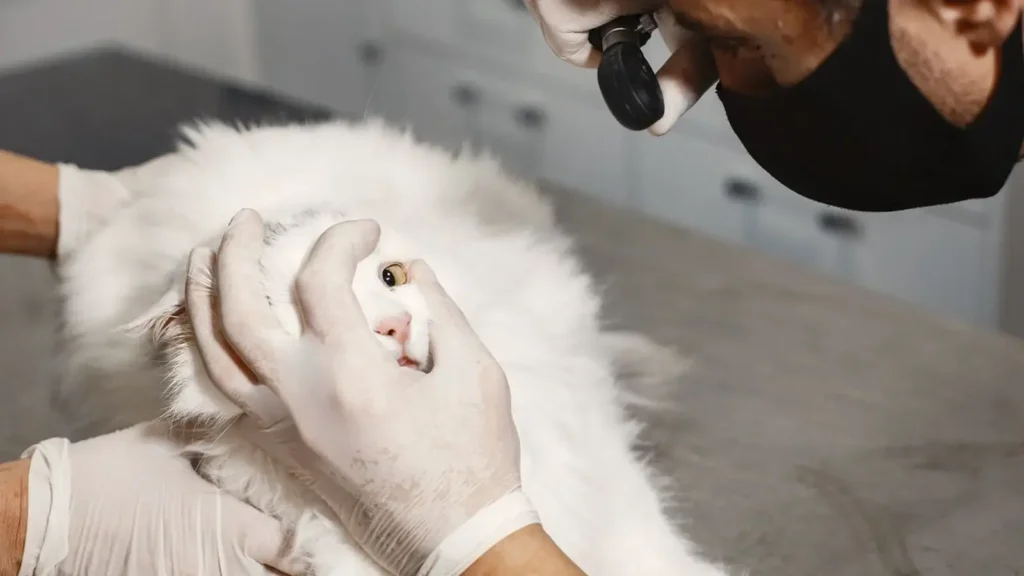
PetMD explains that head pressing in cats is considered a neurological symptom rather than a standalone condition, and it can point to issues ranging from liver problems to toxin exposure or brain disease, all of which need prompt veterinary diagnosis.
How Should You Respond?
When your cat headbutts you normally, here’s how to respond in a way that strengthens your bond:
- Pet them gently in the same area they bunted
- Offer a slow blink back, cats read this as a friendly signal
- Avoid punishing or pulling away suddenly
- Reward calm affection with soft praise or a gentle scratch
Positive, calm responses teach your cat that headbutting is a safe and welcome way to connect with you.
Frequently Asked Questions
Why does my cat nudge me with her head?
It’s a form of bunting. Your cat is marking you with scent from glands on her face and showing trust.
Do cats understand when humans headbutt them?
Cats may not fully understand a human headbutt the same way, but many respond positively to gentle head to head contact from a trusted owner.
Is headbutting always a sign of love?
Not exactly. It’s more accurately a sign of trust and scent bonding, though for most owners, it feels just as meaningful as love.
Why does my cat headbutt only me?
Cats often reserve bunting for the person they feel closest to, especially if that person is calm, consistent, and gentle with them.
Can kittens headbutt?
Yes. Kittens often start bunting early, especially with their mother and littermates, and continue the habit into adulthood with their owners.
Why does my cat keep headbutting me all the time?
Your cat is marking you and asking for contact. Some cats headbutt more than others, and stress or a new routine can add more bumps. Constant forceful pressing against objects is different and needs a vet check.
Is it normal for cats to headbutt objects?
Yes, gentle rubbing on furniture and corners is normal scent marking. Hard pressing against a wall for long stretches is head pressing and needs a vet.
Why does my cat headbutt me when I walk past?
It is a greeting and a scent check. Your cat touches you to say hello and to refresh its scent on you.
Final Thoughts
So, why does my cat keep headbutting me? In almost every case, it’s a compliment. Your cat is marking you as part of their trusted circle and showing you affection in the most feline way they know.
Pay attention to the difference between a quick, friendly bunt and prolonged head pressing against objects. The first is a bond building habit. The second needs a vet’s attention right away.
Has your cat developed a funny headbutting habit? Tell us in the comments below.
For more help with daily cat care, read our cat care guide for beginners.
Author Bio
David Jason
Founder, My Pet Care Tips
David Jason is the founder of My Pet Care Tips, a website dedicated to helping everyday pet owners care for their dogs and cats with practical, easy to follow advice. He works closely with veterinary sources and trusted animal health organizations to keep every article accurate, current, and genuinely useful for beginner pet parents.