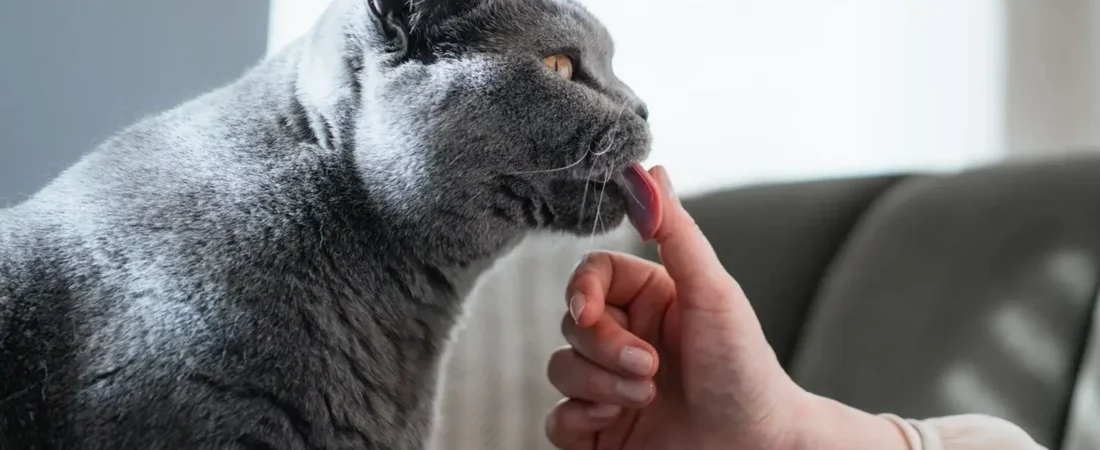
You’re sitting on the couch, half asleep, and suddenly you feel it — that rough little tongue on your hand. Your cat is licking you again. Is it love? Hunger? Stress? Or something else entirely?
If you’ve ever asked yourself why does my cat lick me, you’re not alone. It’s one of the most common questions cat owners search for, and the answer isn’t just one thing. Cats lick people for many different reasons, and most of them are actually good news.
Quick Answer
Cats may lick people during social grooming, to seek attention, investigate taste or scent, or respond to stress or discomfort. Licking alone does not prove affection.
Why Do Cats Lick People?
Licking is one of the oldest ways cats communicate. Kittens are groomed by their mother from birth, so licking becomes tied to comfort and safety early on.
When your adult cat licks you, they’re using that same instinct. Why do cats lick people so often? Because grooming is one of the main ways cats build and maintain social bonds. According to the Cornell Feline Health Center, grooming behaviors like this are rooted in early maternal care and carry over into adult social bonding, including bonds with humans.
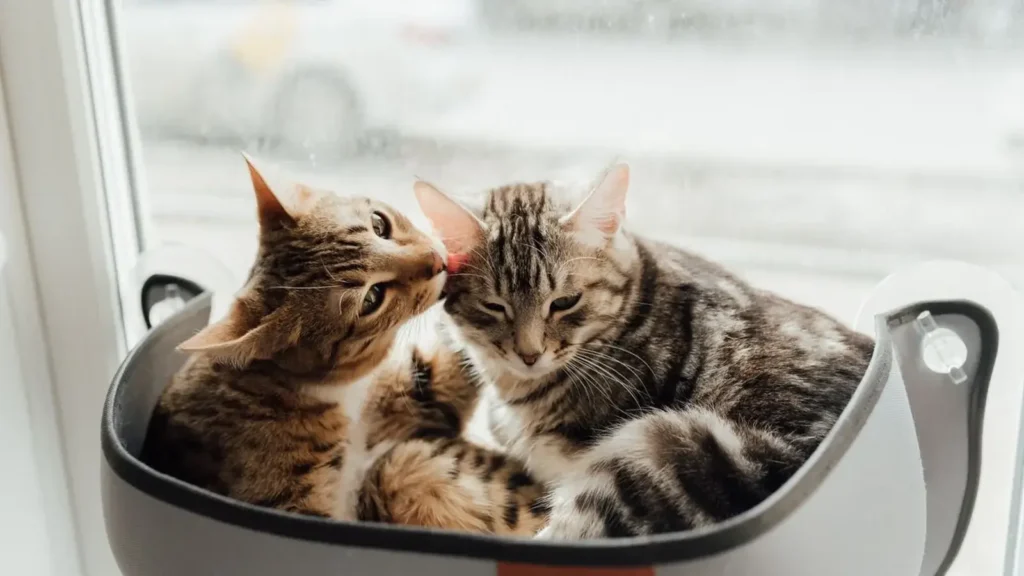
Cats groom each other in a behavior called allogrooming. It’s reserved for cats they trust and feel close to. When your cat licks you, they’re treating you the same way like a member of their colony.
This behavior also has a practical side. It helps cats:
- Strengthen social bonds
- Share scent within a group
- Show submission or affection
- Reduce tension between family members
Social grooming may accompany relaxed contact. See other possible signs of affection.
9 Reasons Why Does My Cat Lick Me So Much
1.Because They Love You
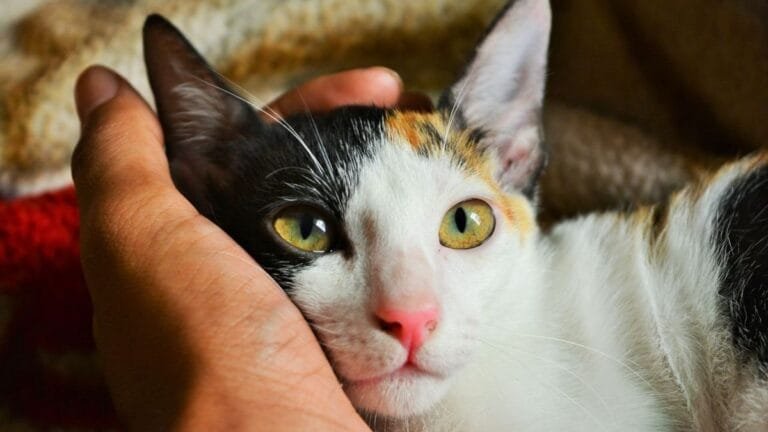
This is the reason most owners hope for, and often, it’s true. Licking is a form of affection in the cat world. When your cat licks your hand, arm, or face, they’re showing love the way they know how.
2. They Are Grooming You
Cats groom the people and animals they consider family. If your cat licks you the same way they lick themselves or another cat, they may simply be including you in their grooming routine. Check out Cat Grooming Tips at Home to understand feline grooming habits better.
3. They Trust You
A relaxed posture can suggest comfort, but licking alone cannot establish whether a cat feels safe.
4. To Mark You With Their Scent
Cats have scent glands in their mouths. Licking transfers their scent onto you, which tells other animals, “This person is mine.” It’s a subtle form of ownership and belonging.
5. They Want Attention
Sometimes licking is simply a way to say, “Notice me.” If your cat licks you right before mealtime or when you’re busy on your phone, they may be asking for interaction.
6. They Like the Taste of Your Skin
The taste of skin may attract licking. Do not let cats lick lotions, medications, hair products or other topical substances; some are toxic to cats.
7. Habit From Kittenhood
Kittens who were licked by their mother, or who were bottle-fed by humans, sometimes carry the behavior into adulthood. It becomes a soothing, familiar habit.
8. Stress or Anxiety
Licking can be a self-soothing behavior. If your cat licks you excessively during stressful moments, like when guests arrive or during a move, anxiety could be the cause. This overlaps with other behavior changes described in Cat Behavior Problems Solutions.
9. Medical or Behavioral Issues
In rare cases, excessive licking is linked to compulsive disorders or underlying pain. The AAFP (American Association of Feline Practitioners) notes that sudden or repetitive licking can sometimes signal an underlying medical condition, so a vet visit is the safest next step if it becomes constant or intense.
Why Does My Cat Lick Me and Purr?
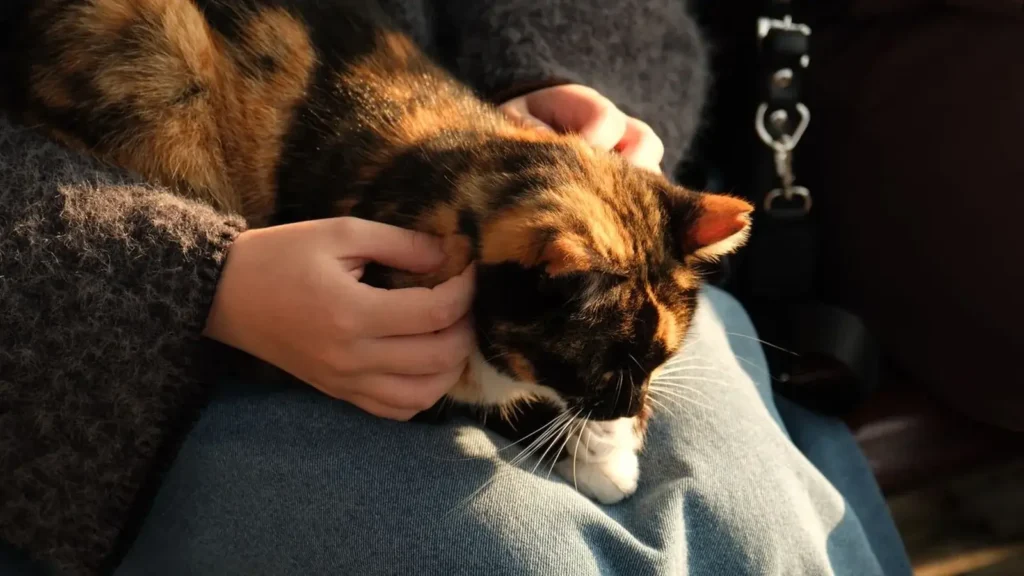
Licking and purring can occur in relaxed contact, but purring can also occur with pain or stress.
Why Does My Cat Lick Me Then Bite Me?
This pattern, often called a “love bite,” is common and usually harmless.
Common causes:
- Overstimulation from too much petting
- Play behavior left over from kittenhood
- A way of saying, “That’s enough for now”
Cats have sensitive nerve endings. What starts as affectionate grooming can quickly become overstimulating, leading to a gentle nip.
Why Does My Cat Lick My Hand Then Bite Me?
Hands are a common target because they smell like food and get the most direct contact. Licking your hand, then biting, often means your cat enjoyed the attention but has now reached their limit. Watch their tail and ears. Flicking or flattened ears are early warning signs before a bite.
Why Does My Cat Lick Me So Much at Night?
Nighttime licking is common because cats are naturally more active at dawn and dusk. Your cat may lick you at night to:
- Get your attention while you’re still
- Bond during quiet, calm hours
- Seek comfort before sleep
If it disrupts your sleep, a consistent bedtime routine and evening play session can help reduce it.
Why Does My Cat Lick Me in the Morning?
Morning licking is often a wake-up call. Your cat may be hungry, wanting playtime, or simply excited that you’re awake. It’s one of the most common ways cats greet their favorite person.
Why Does My Cat Lick Me After I Shower?
This one surprises a lot of owners, but it makes sense once you know why.
Possible reasons:
- Salt – Your skin may taste saltier after sweating in a hot shower.
- Soap smell – New scents can be unfamiliar or intriguing to your cat.
- New scent – Your cat may be trying to re-mark you with their own scent after washing yours away.
Why Is My Cat Licking Me So Much All of a Sudden?
A sudden increase in licking deserves attention. It can be harmless, but it can also point to an underlying issue.
Watch for these warning signs:
- Excessive or nonstop licking
- Sudden changes in behavior
- Signs of stress, like hiding or pacing
- Pain or discomfort while being touched
VCA Animal Hospitals advises that any sudden change in a cat’s grooming or licking habits is worth mentioning to your vet, since it can be an early indicator of stress, pain, or skin problems.
Why Does My Cat Lick Me Aggressively?
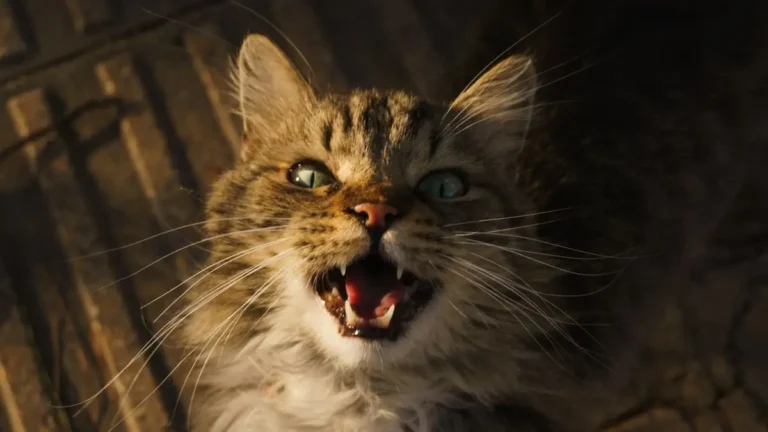
Aggressive or intense licking is different from gentle grooming licks. It can feel rougher, faster, or paired with biting.
Common causes:
- Overstimulation
- Compulsive licking behavior
- Underlying stress or anxiety
If this happens often, try shorter petting sessions and give your cat more control over when contact starts and stops.
Should You Let Your Cat Lick You? Is It Safe?
Benefits:
- Strengthens your bond
- Reduces stress for your cat
- Shows trust and affection
Risks:
- Cat saliva can carry bacteria
- Open wounds or scratches increase infection risk
- Excessive licking can irritate your skin
PetMD notes that while occasional licking is safe for most healthy people, it’s best to avoid letting cats lick broken skin, wounds, or areas near the eyes or mouth.
When to stop: Gently redirect your cat if licking becomes rough, prolonged, or targets broken skin.
When Should You Be Concerned?
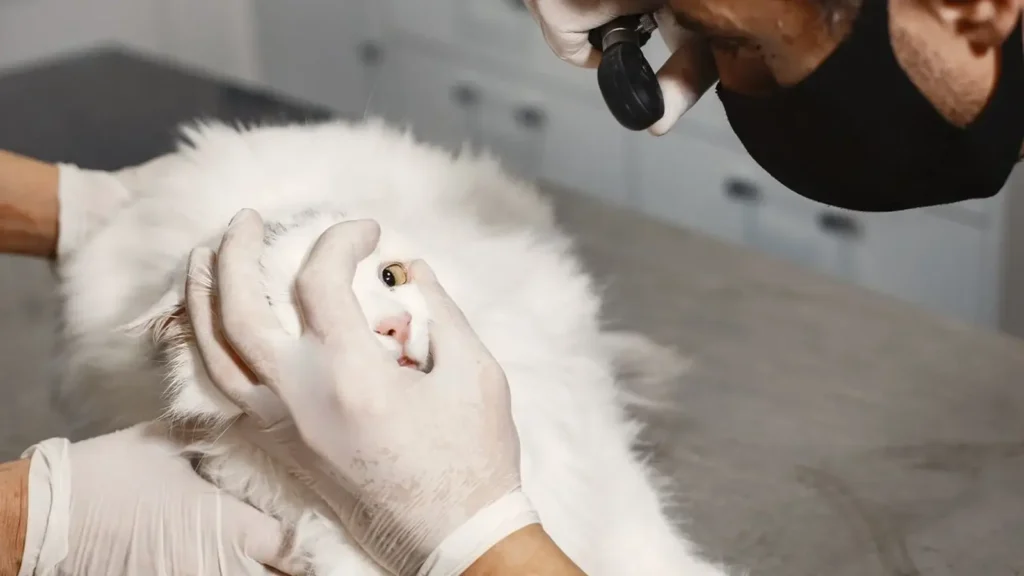
Most licking is normal. But certain signs mean it’s time to pay closer attention.
| Warning Sign | What It Might Mean |
| Excessive licking | Stress, anxiety, or compulsive behavior |
| Sudden behavior change | Illness, pain, or environmental stress |
| Skin irritation on your cat | Allergies or skin conditions |
| Loss of appetite | Underlying medical issue |
| Signs of pain | Injury or illness needing vet care |
If your cat is also eating less, this guide on Why Is My Cat Not Eating can help you spot related warning signs early.
How to Respond When Your Cat Licks You
Do’s:
- Stay calm and let them finish
- Offer gentle praise or a soft voice
- Redirect with a toy if it becomes too intense
Don’ts:
- Don’t pull your hand away quickly
- Don’t punish or yell
- Don’t ignore repeated signs of overstimulation
If licking is unwanted, calmly pause contact, protect skin and offer play or other suitable activities; reward relaxed interaction without licking.
Why does my cat or kitten lick me so much when I pet them?
During petting, a cat may lick your hand in response to social interaction, skin scent or a learned association with attention. Try a brief stroke and pause. If your cat moves away, stiffens, flicks its tail or starts mouthing, stop and allow space. When intense licking appears suddenly or interferes with eating, rest or play, contact your veterinarian. The PetMD veterinary behavior guide discusses possible causes and warns against licking topical skin products.
Avoid allowing licking around eyes, mouth or cuts. If a bite breaks the skin, wash it promptly and seek medical advice; see CDC cat hygiene and injury guidance. If licking regularly turns into biting, read why cats lick then bite for a separate petting-related explanation, and the cat behavior overview for other changes.
Frequently Asked Questions
What does it actually mean when a cat licks you?
Possible reasons include grooming-related contact, attention, taste or stress. Consider the context.
Why do cats lick their favorite person?
Cats often groom the person they feel closest to as a way of including them in their social group.
Is it okay to let my cat lick me?
Avoid saliva contact with broken skin, eyes and mouth, and prevent licking of topical products. People with increased infection risk should discuss precautions with their healthcare professional.
Why does my kitten lick me?
Kitten licking may reflect grooming-related interaction, exploration or attention. It is not by itself evidence of early weaning.
Can cats lick because of anxiety?
Yes. Stress and anxiety can cause excessive licking, both on themselves and on their owners.
Should I stop my cat from licking me?
Not unless it becomes excessive, aggressive, or targets broken skin. Occasional licking is a healthy bonding behavior.
Final Thoughts
Observe context and changes. Occasional licking may occur during social contact, while persistent or newly excessive licking warrants veterinary advice.
Editorial information
My Pet Care Tips Editorial Team. This guide is educational. It does not claim article-specific veterinary review or firsthand product testing. Consult a licensed veterinarian about new or concerning changes.