
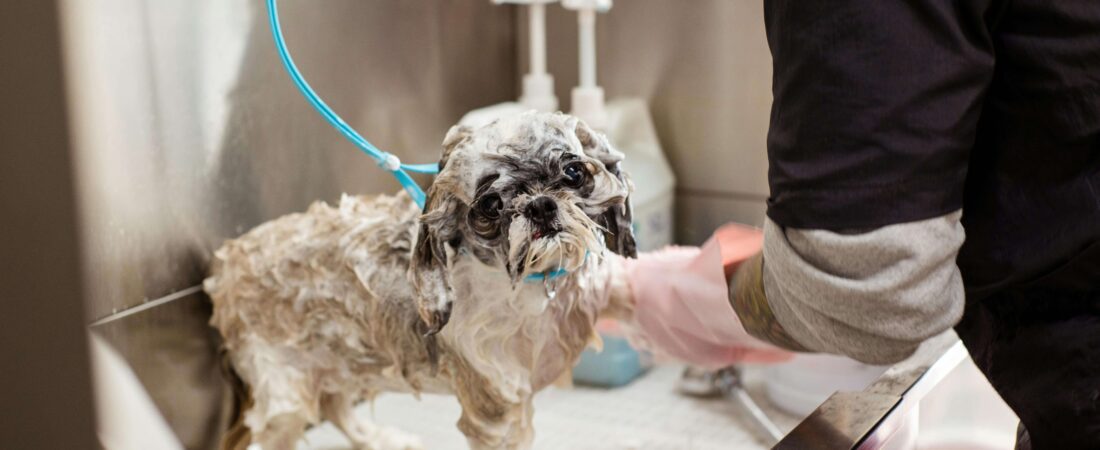
Introduction:
My dog Bruno would not stop scratching.
Every single night, the scratching would wake me up. His skin was red and irritated. He had patches of hair missing near his belly. I tried three different shampoos from the grocery store and none of them helped.
Then a friend recommended switching to the best dog shampoo for skin care that her vet suggested. Within two weeks, Bruno’s scratching dropped by half. Within a month, his coat was soft and his skin looked completely normal.
That experience changed how I think about dog shampoo entirely.
If your dog is constantly itching, licking their paws, or has dry flaky skin, the shampoo you are using might actually be making things worse. Most cheap shampoos contain harsh chemicals that strip the natural oils from your dog’s skin, leaving it more irritated than before.
Finding the best dog shampoo for skin care is not just about cleaning your dog. It is about protecting their skin barrier, reducing inflammation, and giving them real relief from daily discomfort.
In this guide, I have reviewed the best dog shampoo for skin care options available in 2026. You will find recommendations for every type of skin problem, a simple buying guide, and expert bathing tips that actually make a difference.
Why Choosing the Right Dog Shampoo Matters for Skin Care
Common Skin Problems in Dogs

reason dog owners visit the vet
in the USA every year
Skin problems are the number one reason dog owners visit the vet in the USA.
And most of them start small. A little scratching here. Some redness there. Before you know it, your dog has a full-blown skin infection that costs hundreds of dollars to treat.
The most common skin issues dogs face include:
- Dry and flaky skin from lack of moisture
- Allergic reactions to food, pollen, or dust
- Hot spots that appear suddenly and spread fast
- Seborrheic dermatitis causing greasy or scaly patches
- Yeast infections on skin folds and paws
- Bacterial infections from open wounds caused by scratching
Using the wrong shampoo does not just fail to help. It can actively make all of these conditions worse.
How Often Should You Bathe Your Dog?
Most dogs do well with a bath every four to six weeks.
Dogs with skin allergies or infections may need more frequent bathing, sometimes every one to two weeks, using a medicated formula recommended by their vet.
Bathing too often strips natural protective oils from the skin. Bathing too rarely allows bacteria, yeast, and allergens to build up on the coat. Finding the right frequency for your specific dog makes a big difference.
Benefits of Using a Good Dog Shampoo for Sensitive Skin
However the right shampoo does several things at once.
It cleans the coat without stripping natural oils and soothes irritated skin and reduces redness. It helps maintain the skin’s natural pH balance. And it creates a protective barrier that keeps allergens and bacteria from penetrating deeper into the skin.
A quality shampoo is not just a cleaning product. It is actually part of your dog’s skin health routine.
Key Ingredients to Look For in Dog Shampoo for Skin Care
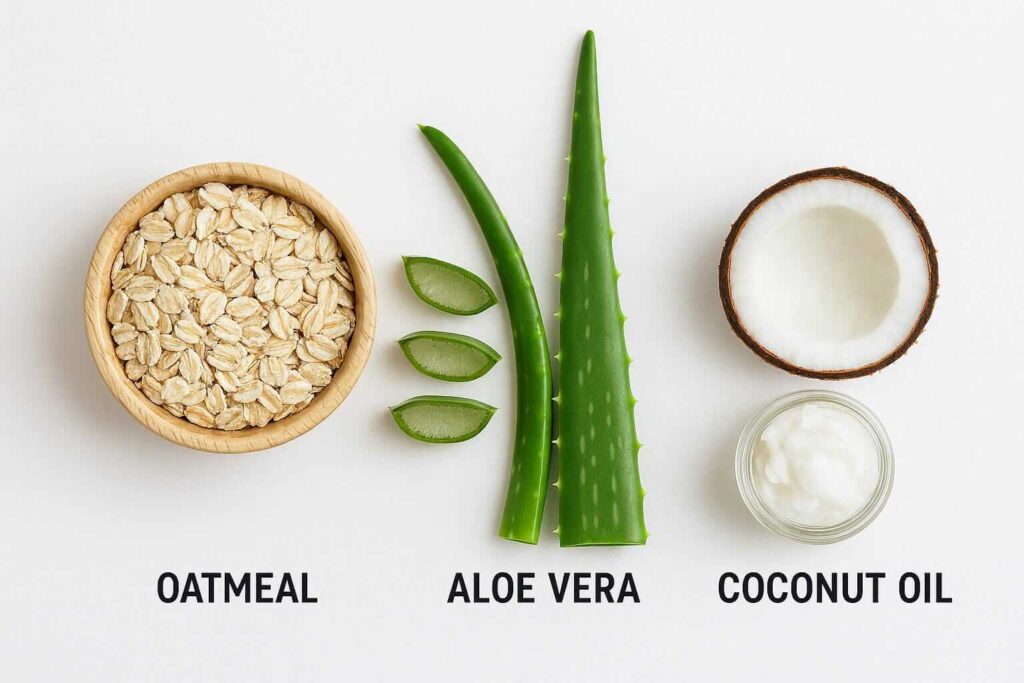
when choosing the best dog shampoo
for skin care and sensitive skin
Colloidal Oatmeal — Best for Itchy Skin
your dog has itchy skin, colloidal oatmeal is the single most important ingredient to look for.
Colloidal oatmeal is finely ground oat that dissolves in water and coats the skin with a thin protective layer. It reduces itching, locks in moisture, and soothes inflammation almost immediately after application.
It is gentle enough for daily use and safe for dogs of all ages including puppies.
Aloe Vera and Coconut Oil for Moisturizing
Aloe vera is one of the best natural ingredients for dry irritated skin.
It penetrates deep into the skin, delivers moisture, and has natural antibacterial properties. Coconut oil works similarly, sealing moisture into the skin and creating a soft, healthy coat that is less prone to dryness.
These two ingredients together are ideal for dogs with naturally dry skin or dogs living in cold, dry climates.
Ceramides and Chlorhexidine for Medicated Needs
Ceramides are lipid molecules that form part of the skin’s natural protective barrier.
When a dog has chronic skin problems, their ceramide levels drop. Shampoos containing ceramides help rebuild this barrier and reduce the frequency of flare-ups over time.
Chlorhexidine is an antiseptic ingredient used in medicated shampoos. It kills bacteria and yeast on contact. According to PetMD, chlorhexidine is one of the most clinically proven ingredients for treating skin infections in dogs.
Ingredients to Avoid
Not everything on a shampoo label is safe for your dog.Watch out for these and choose products without them:
- Sulfates — like sodium lauryl sulfate strip natural oils aggressively
- Artificial fragrances — a common trigger for allergic reactions
- Parabens — preservatives linked to hormonal disruption
- Artificial dyes — serve no purpose and can irritate sensitive skin
- Alcohol — extremely drying and damaging to the skin barrier
Best Dog Shampoo for Skin Care in 2026 — Top 8 Picks
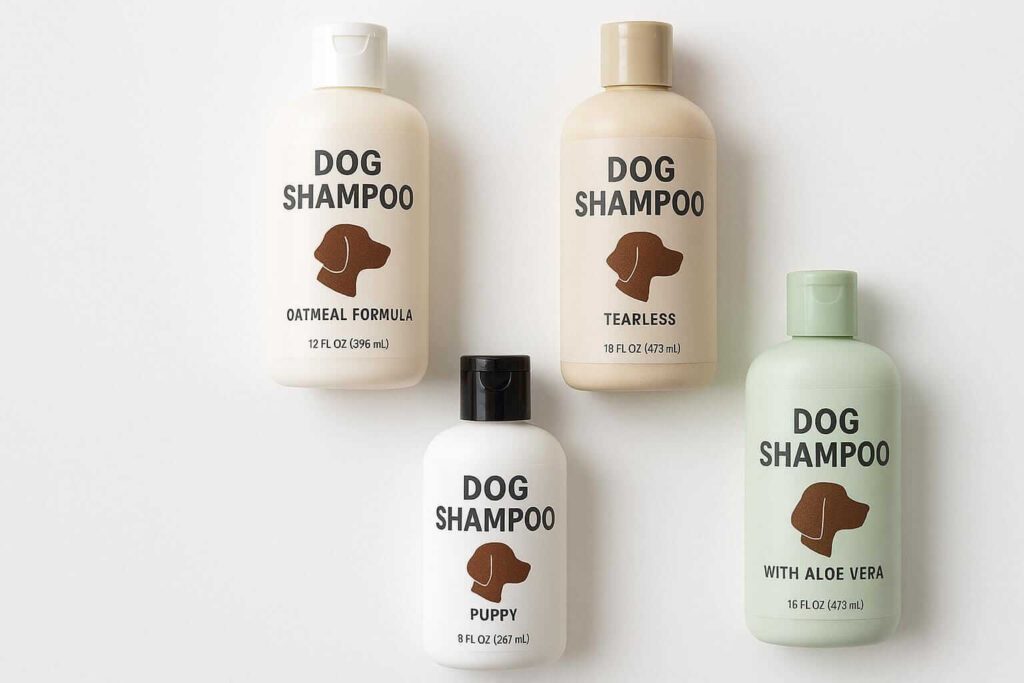
care in 2026 — reviewed and
rated for every skin type
Comparison Table
| Product | Key Ingredient | Best For | Price | Rating |
| Veterinary Formula Clinical Care | Salicylic Acid + Sulfur | Medicated care | Medium | 9.5/10 |
| Burt’s Bees Hypoallergenic | Shea Butter | Sensitive skin | Low | 9/10 |
| Zesty Paws Oatmeal Shampoo | Colloidal Oatmeal | Itchy skin | Medium | 9/10 |
| Douxo S3 Calm | Ophytrium + Niacinamide | Allergies | High | 9.5/10 |
| Wahl Dry Skin and Itch Relief | Oatmeal + Coconut | Dry skin | Low | 8.5/10 |
| Earthbath All Natural Puppy | Aloe Vera + Oatmeal | Puppies | Medium | 9/10 |
| TropiClean Medicated | Salicylic Acid | Flaky skin | Medium | 8.5/10 |
| Dechra MiconaHex+Triz | Chlorhexidine + Miconazole | Yeast and bacteria | High | 9.5/10 |
1. Best Overall — Veterinary Formula Clinical Care Antiparasitic and Antiseborrheic Shampoo
This is the shampoo I recommend first to almost every dog owner dealing with skin problems.
It contains salicylic acid to remove buildup and sulfur to fight bacteria and yeast. It works on hot spots, seborrhea, mange, and general skin infections. Vets recommend it regularly and it is available without a prescription.
Key Features: Salicylic acid, sulfur, coal tar, no parabens.
Best For: Dogs with chronic skin conditions, seborrhea, and recurring infections.
Pros: Works fast, widely available, affordable, vet recommended.
Cons: Strong clinical smell. Not ideal for dogs that just need mild maintenance washing.
Real User Results: Most owners report noticeable improvement in flaking and odor within two to three baths.
Price Range: Low to Medium. Available at Chewy, Amazon, and most pet stores.
2. Best for Itchy Skin and Allergies — Zesty Paws Oatmeal Anti-Itch Dog Shampoo
If your dog cannot stop scratching, this is the one to try first.
It is loaded with colloidal oatmeal, aloe vera, and vitamin E. It rinses clean without leaving residue. The formula is pH balanced specifically for dogs and free from sulfates and artificial dyes.
Key Features: Colloidal oatmeal, aloe vera, vitamin E, sulfate free.
Best For: Dogs with environmental allergies and seasonal itching.
Pros: Immediate soothing effect, smells pleasant, gentle enough for frequent use.
Cons: Not strong enough for active bacterial or yeast infections.
Real User Results: Owners report reduced scratching within the first few uses and noticeably softer coat after two weeks.
Price Range: Medium. Available at Chewy, Petco, and Amazon.
3. Best Medicated Dog Shampoo — Dechra MiconaHex+Triz Shampoo
This is the shampoo vets prescribe most often for bacterial and yeast skin infections.
It contains chlorhexidine as an antibacterial agent and miconazole as an antifungal. Together they tackle the two most common causes of skin infections in dogs. It is especially effective for dogs with skin folds like Bulldogs and Shar-Peis.
Key Features: Chlorhexidine 2%, miconazole 2%, trisEDTA for enhanced penetration.
Best For: Active bacterial and yeast infections, dogs with skin folds.
Pros: Clinically proven, works on resistant infections, recommended by dermatologists.
Cons: Higher price point. Needs to stay on the skin for ten minutes before rinsing.
Real User Results: Most users see significant improvement in skin odor and redness within four to five baths.
Price Range: High. Available through veterinary offices and online pet pharmacies.
4. Best Natural and Hypoallergenic Option — Burt’s Bees Hypoallergenic Shampoo
If you prefer a clean, natural formula with no harsh chemicals, this is the one.
It contains shea butter and honey for moisture, with no colorants, sulfates, or parabens. It is one of the gentlest options available and works well for dogs with mild sensitivities who do not need medicated treatment.
Key Features: Shea butter, honey, no sulfates, no artificial fragrance, pH balanced.
Best For: Dogs with mild allergies and sensitive skin that does not need medicated treatment.
Pros: Extremely gentle, smells wonderful, great for regular maintenance bathing.
Cons: Not effective enough for active infections or severe skin conditions.
Real User Results: Owners with dogs prone to mild reactions report zero irritation and noticeably shiny soft coats.
Price Range: Low. Widely available everywhere.
5. Best Budget Option — Wahl Dry Skin and Itch Relief Pet Shampoo
This shampoo delivers real results without breaking the bank.
It contains oatmeal, coconut oil, and aloe vera in a concentrated formula that lathers well and rinses clean. It is plant-derived, alcohol free, and gentle enough for regular use.
Key Features: Oatmeal, coconut oil, aloe vera, concentrated formula, alcohol free.
Best For: Budget-conscious owners dealing with general dryness and mild itching.
Pros: Great value, pleasant smell, lathers well, gentle formula.
Cons: Not suitable for active infections or severe skin conditions.
Price Range: Low. Available at Walmart, Amazon, and most pet stores.
6. Best for Puppies — Earthbath All Natural Puppy Shampoo
Puppies have much more sensitive skin than adult dogs.This formula is designed specifically for that delicate puppy skin. It contains aloe vera and oatmeal in an ultra-gentle formula that is tearless and completely free from sulfates, parabens, and artificial fragrance.
Key Features: Aloe vera, oatmeal, tearless formula, no sulfates or parabens.
Best For: Puppies with sensitive or delicate skin.
Pros: Completely safe for puppies, tearless, very gentle, pleasant mild scent.
Cons: Not strong enough for adult dogs with skin infections.
Real User Results: New puppy owners report zero skin reactions and soft fluffy coats after first bath.
Price Range: Medium. Available at Petco, Chewy, and Amazon.
7. Best for Dry Flaky Skin — TropiClean Medicated Oatmeal and Tea Tree Shampoo
If your dog has persistent dry flaky skin that looks like dandruff, this formula targets it directly.
Salicylic acid removes dead skin buildup while tea tree oil soothes inflammation and fights bacteria. Oatmeal provides moisture to prevent the dryness from returning after the bath.
Key Features: Salicylic acid, tea tree oil, oatmeal, no parabens.
Best For: Dogs with seborrheic dermatitis and chronic dry flaky skin.
Pros: Addresses flaking and dryness at the same time, pleasant smell, good lather.
Cons: Tea tree oil should be used carefully and always rinsed thoroughly.
Price Range: Medium. Available at most pet retailers.
8. Best Premium Veterinary Formula — Douxo S3 Calm Shampoo
This is the premium choice for dogs with chronic skin allergies.
Douxo S3 Calm contains Ophytrium, a patented natural ingredient derived from a specific plant extract that has been clinically shown to reduce skin inflammation and restore the skin microbiome. It also contains niacinamide which strengthens the skin barrier over time.
Key Features: Ophytrium, niacinamide, no soap, no rinse option available.
Best For: Dogs with chronic allergic skin disease and frequent flare-ups.
Pros: Clinically studied, extremely effective for long-term allergy management, very gentle.
Cons: Expensive. More of a therapeutic product than a regular shampoo.
Price Range: High. Available through veterinary clinics and online.
How to Choose the Best Dog Shampoo for Your Dog’s Skin
Medicated vs Natural Dog Shampoo
Here is the simple way to think about it.
If your dog has an active infection with redness, odor, and discharge, you need a medicated shampoo containing chlorhexidine or antifungal ingredients. Natural shampoos will not resolve an infection.
If your dog has mild itching, dryness, or general sensitivity with no active infection, a natural formula with oatmeal and aloe vera is usually enough.
Sulfate Free Dog Shampoo — Is It Worth It?
Yes, absolutely.
Sulfates are the ingredients that create foam in shampoo. They clean effectively but they do it by stripping everything off the skin, including the protective oils that keep skin healthy. For dogs with any kind of skin sensitivity, sulfate-free formulas are always the better choice.
Breed Specific Recommendations
Different breeds have genuinely different skin needs.
- Bulldogs and Shar-Peis — skin folds trap moisture and bacteria, needs antifungal formula
- Golden Retrievers — prone to environmental allergies, oatmeal formula works best
- Poodles — sensitive skin, natural hypoallergenic formula recommended
- German Shepherds — prone to seborrhea, medicated formula for flaking
How to Read Dog Shampoo Labels
Look for these on every label before you buy.
Check the pH level. Dog skin has a pH between 6.2 and 7.4. Human shampoo has a pH of around 5.5, which is too acidic for dogs. Always choose a shampoo specifically formulated for dogs with a balanced pH.
Check where the active ingredient appears in the list. Ingredients are listed by concentration. If oatmeal or aloe vera appears near the bottom after a long list of chemicals, there is very little of it in the product.
How to Bathe Your Dog Properly for Best Skin Results
Step by Step Bathing Guide
Getting the bathing technique right matters as much as choosing the right shampoo.
- Brush your dog thoroughly before the bath to remove tangles and loose hair
- Use lukewarm water that feels comfortable on your wrist
- Wet the coat completely from neck to tail before applying shampoo
- Apply shampoo and work it into a lather down to the skin using your fingertips
- Leave medicated shampoos on for five to ten minutes before rinsing
- Rinse twice as long as you think is necessary
- Wrap in a large towel and squeeze dry rather than rubbing
Best Water Temperature and Technique
Water that is too hot dries out the skin and can cause irritation.
Water that is too cold stresses your dog and makes them resistant to bathing. Lukewarm water, around the same temperature you would use for a baby, is the perfect choice every time.
After Bath Care for Sensitive Skin
Pat dry gently rather than rubbing vigorously.
If your dog has a dense coat, a low-heat blow dryer kept constantly moving prevents moisture from getting trapped near the skin, which can cause hot spots. Apply a dog-safe skin conditioning spray if your vet recommends one for particularly dry skin.
How Often to Bathe Dogs with Skin Allergies
Dogs with active allergies often benefit from more frequent bathing.
According to the American Kennel Club, bathing an allergic dog once or twice per week with a gentle medicated or oatmeal shampoo can significantly reduce allergen exposure on the skin and provide ongoing relief.
Additional Tips to Improve Dog Skin Health
Combine Shampoo with Good Nutrition
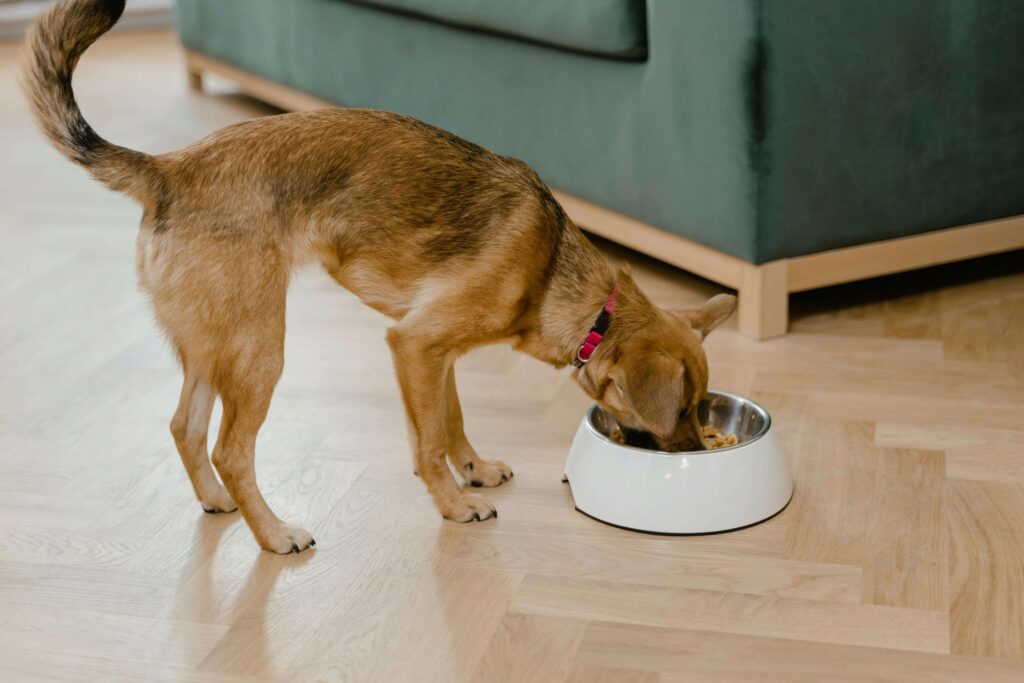
inside to support your dog’s
skin health alongside the
right shampoo
Shampoo works on the outside. Nutrition works from the inside.
A diet rich in omega-3 fatty acids from fish oil significantly improves skin moisture and reduces inflammatory responses. Many dogs with chronic skin problems see remarkable improvement simply by adding a high-quality fish oil supplement to their daily routine.
For more on the best nutrition choices for your dog, read our guide on best dog food for healthy growth and strong bones.
When to Consult a Veterinarian for Skin Issues
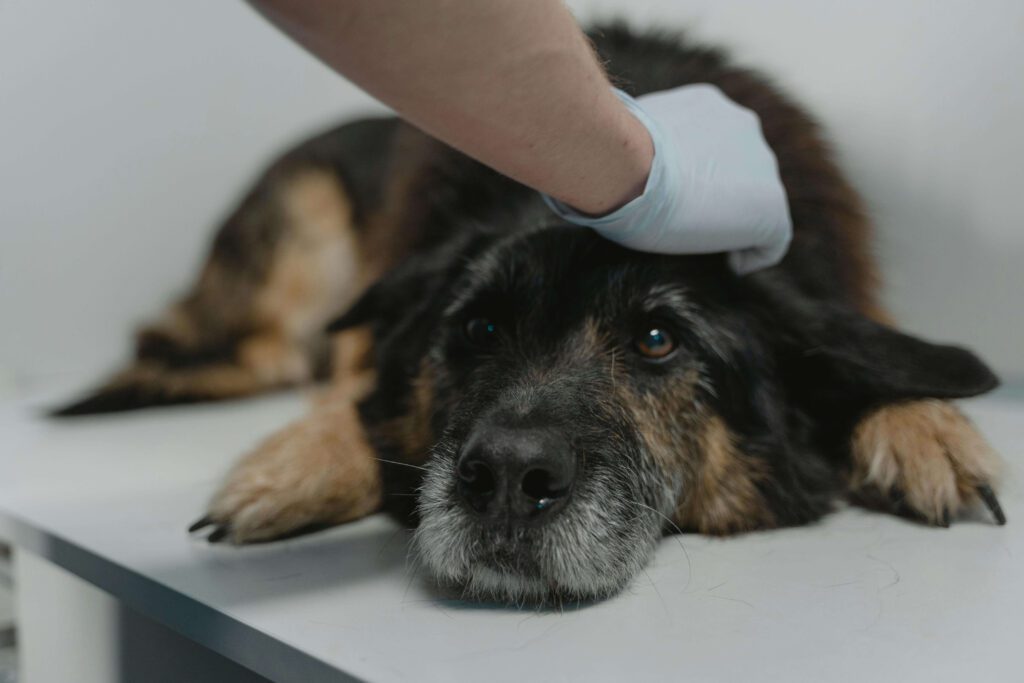
professional veterinary treatment
beyond regular shampooing
Home care and the right shampoo can resolve many minor skin problems.
But some situations always need professional treatment. See your vet if your dog has open wounds or sores on the skin, if there is a strong yeast or bacterial smell that does not improve with medicated shampoo, if your dog is losing significant amounts of hair, or if over-the-counter treatments have not helped after two to three weeks.
Also read our guide on common dog health problems to understand when skin issues are part of a larger health picture.
Frequently Asked Questions
What is the best dog shampoo for itchy skin?
Zesty Paws Oatmeal Anti-Itch Shampoo and Douxo S3 Calm are the top choices for itchy skin. For dogs with active infections causing the itch, Dechra MiconaHex+Triz is the most clinically effective option.
How often should I bathe my dog with sensitive skin?
Every four to six weeks is appropriate for most dogs. Dogs with active allergies or skin infections may need bathing every one to two weeks with a gentle medicated formula. Always follow your vet’s guidance for dogs with diagnosed skin conditions.
Is medicated dog shampoo safe for regular use?
Most medicated shampoos are designed for regular use during flare-ups. However, using a very strong medicated shampoo like chlorhexidine every week without a skin condition to treat can disrupt the natural skin microbiome. Use medicated formulas when needed and switch to a gentle maintenance shampoo when skin is healthy.
What is the best oatmeal dog shampoo for allergies?
Zesty Paws Oatmeal Shampoo and Earthbath Oatmeal and Aloe Shampoo are consistently the top-rated options. Both are sulfate-free, pH balanced, and contain high concentrations of actual colloidal oatmeal rather than just oat extract.
Can I use human shampoo on my dog?
No. Human shampoo is formulated for a skin pH of around 5.5. Dog skin has a pH between 6.2 and 7.4. Using human shampoo disrupts your dog’s skin barrier, strips protective oils, and can cause or worsen skin irritation over time.
Which dog shampoo is best for puppies with sensitive skin?
Earthbath All Natural Puppy Shampoo is the top recommendation for puppies. It is tearless, sulfate-free, paraben-free, and formulated specifically for the more sensitive and delicate skin of young dogs.
How do I know if my dog has skin allergies?
The most common signs are constant scratching, licking paws, rubbing the face on carpet or furniture, red inflamed skin, recurring ear infections, and hair loss in patches. A vet can confirm allergies through elimination diet trials or allergy testing.
Final Thoughts
Skin problems make your dog miserable every single day.
And most of them are manageable with the right shampoo, the right bathing routine, and a little patience. The best dog shampoo for skin care is not necessarily the most expensive one. It is the one that matches your dog’s specific skin needs.
Start with identifying what your dog’s main skin issue is. Dry and flaky? Go with oatmeal. Active infection? Go medicated. Mild sensitivity? Choose a gentle natural formula. Allergies? Oatmeal plus veterinary guidance.
Use the right product consistently, bathe at the right frequency, support skin health from the inside with good nutrition and omega-3 supplements, and you will see a real difference in your dog’s comfort and happiness.
Your dog cannot scratch less on their own. But you can help them get there.
Have you tried any dog shampoo that worked really well for your dog’s skin? Share it in the comments below. I read every comment and genuinely try to help with follow-up advice.
Also read : Dog Grooming Tips at Home , Common Dog Health Problems and Common Pet Health Problems , Dog Summer Care Tips
Author Bio
Written by David Jason
Founder of My Pet Care Tips
Dog owner and animal care enthusiast with over 8 years of hands-on experience.Every article is thoroughly researched using trusted veterinary sources to help everyday pet owners make confident decisions for their dogs.
Last Updated: Aug 17, 2026
Sources: AKC, PetMD, Chewy,Veterinary Dermatology Journal
Note: Always consult a licensed veterinarian for skin conditions that do not respond to home treatment.