
Estimated Read Time: 9 minutes
It was just a normal Sunday afternoon when my neighbor called me sounding completely panicked.
Her dog Bruno had gotten into her purse and eaten a whole pack of sugar free chewing gum. She was freaking out because she had no idea that something like that could be dangerous for dogs. She kept asking whether she should rush him straight to the emergency vet or just wait and see what happens.
Luckily Bruno was okay in the end. But I have seen way too many situations where dogs are not so lucky.
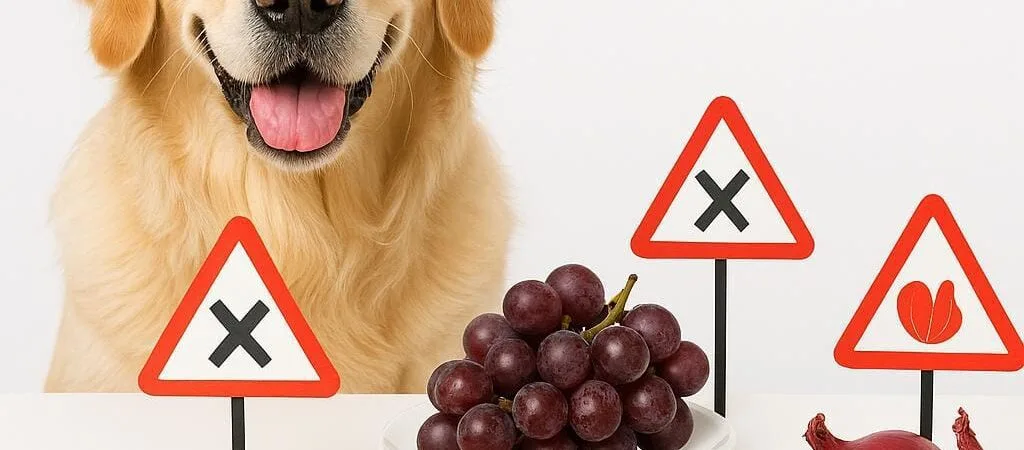
The scary thing is that so many normal human foods we keep around the house can actually be really harmful to dogs. Sometimes even deadly. Their bodies just work differently than ours.
That is why I made this list of the 10 most dangerous human foods for dogs. I have included the warning signs you should watch for what you can do right away if your dog eats something bad and exactly when you need to drop everything and call the vet.
Why Human Foods Hurt Dogs Differently
Before we get into the list, it helps to understand why dogs cannot handle certain foods that humans eat without any problem.
Dogs have a completely different digestive system than we do. Their livers process chemicals differently. Their kidneys filter things differently. And their red blood cells react to certain compounds in ways ours simply do not.
A tiny piece of chocolate that would barely affect a grown adult can cause seizures in a small dog. A handful of grapes that you might snack on without a second thought can shut down a dog’s kidneys within 24 hours.
This is not about being overly cautious. These are real, documented, life-threatening reactions that happen to dogs every single day.
Knowing what foods are toxic to dogs is one of the most important things you can do as a pet owner. So let us go through each one carefully.
10 Most Dangerous Human Foods for Dogs
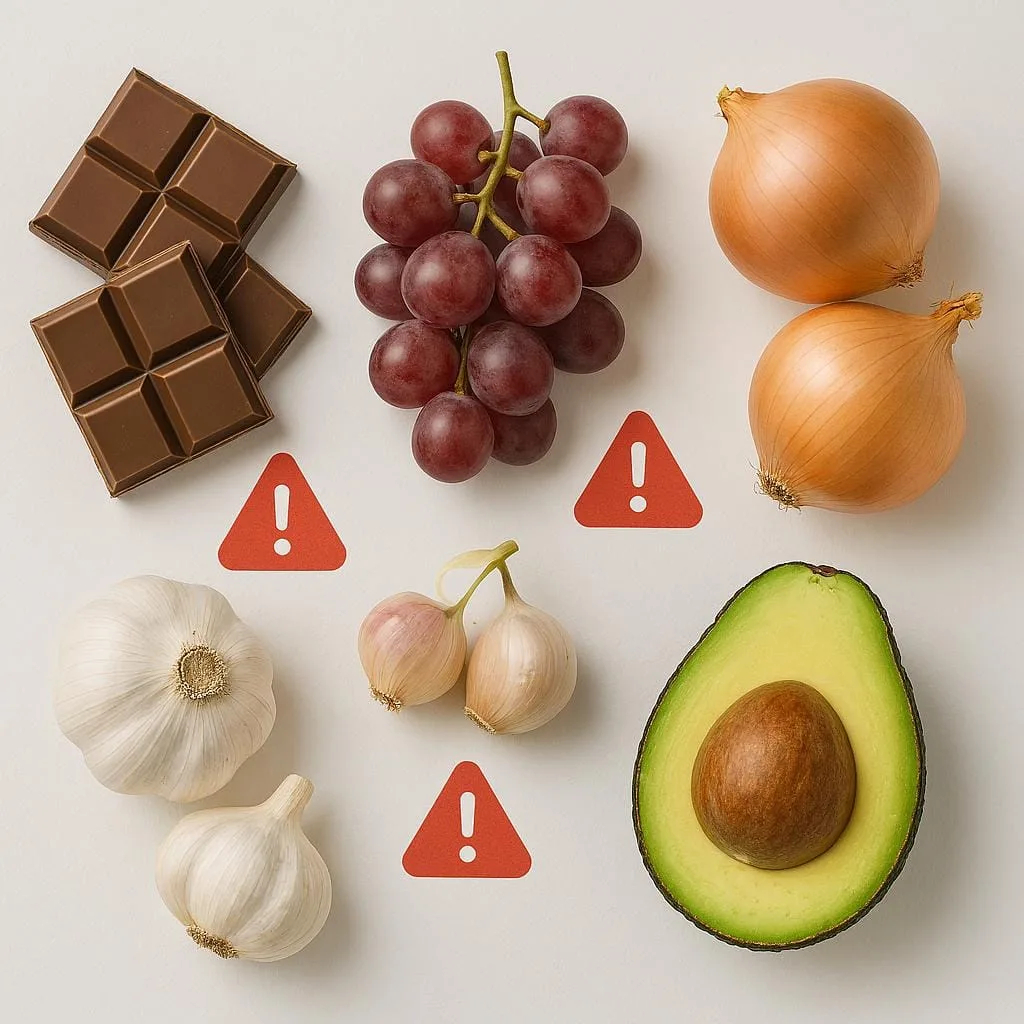
1. Chocolate — The Most Well-Known Killer
Most people have heard that chocolate is bad for dogs, but many do not realize just how serious it is.
Chocolate contains two toxic substances for dogs: theobromine and caffeine. Together these twocompounds overstimulate a dog’s nervous system and heart. The darker the chocolate, the more dangerous it becomes. Baking chocolate is the most toxic, followed by dark chocolate, then milk chocolate. White chocolate contains the least theobromine but is still not safe.
Symptoms of chocolate poisoning in dogs:
- Vomiting and diarrhea within 6 to 12 hours
- Extreme restlessness and hyperactivity
- Excessive thirst and urination
- Tremors and muscle stiffness
- Rapid or irregular heartbeat
- Seizures in severe cases
What to do if your dog eats chocolate:
Do not wait to see if symptoms appear. Call your vet immediately. If it is after hours, call the Pet Poison Helpline at 1-855-764-7661. Time is critical with chocolate poisoning. The faster you act, the better the outcome.
Even a small amount of dark chocolate can be dangerous for a small dog. This is one of those situations where you should never take a wait-and-see approach.
2. Grapes and Raisins — Tiny But Deadly
This one shocks most people. Grapes look harmless. They are a healthy snack for humans. But for dogs, even a few grapes or raisins can cause sudden and complete kidney failure.
What makes grapes and raisins so alarming is that scientists still do not know exactly what substance in them causes the reaction. There is no safe amount. Some dogs have eaten grapes before with no apparent reaction and then been severely poisoned the next time. You cannot predict how your individual dog will respond.
Symptoms of grape or raisin poisoning:
- Vomiting within a few hours of eating
- Unusual quietness and weakness
- Loss of appetite
- Stomach pain if you press on the belly
- Decreased or no urination after 24 hours (sign of kidney failure)
- Trembling
What to do:
This is an emergency. Rush to the vet immediately. Do not wait for symptoms. If your dog ate any amount of grapes or raisins, treat it as a crisis from the very first moment.
Also avoid grape juice, fruit cakes containing raisins, and trail mix. These are just as dangerous as the whole fruit.
3. Onions and Garlic — The Hidden Danger in Your Kitchen
This is the one that catches most people completely off guard because onions and garlic are in almost everything we cook.
Both onions and garlic belong to a plant family called Allium. These plants contain sulfur-based compounds that attack and destroy a dog’s red blood cells. When red blood cells are damaged, the dog develops a condition called hemolytic anemia, which means the body cannot carry enough oxygen to vital organs.
Garlic is actually five times more toxic than onions for dogs. And the powdered versions — garlic powder and onion powder — are even more concentrated and therefore more dangerous than the fresh versions.
The tricky part about onion and garlic poisoning is that symptoms are often delayed. Your dog might eat something containing garlic today and not show signs until several days later. This makes it easy to miss the connection.
Symptoms of onion or garlic poisoning:
- Pale or yellowish gums
- Weakness and exercise intolerance
- Rapid breathing
- Vomiting and diarrhea
- Dark colored urine
- Collapse in severe cases
What to do:
Check every food you share with your dog for onion or garlic content. This includes garlic bread, soups, gravies, baby food, and many packaged foods. If you suspect your dog has eaten a significant amount, contact your vet even if symptoms have not started yet.
4. Xylitol — The Invisible Threat in Everyday Products
Xylitol is an artificial sweetener that is considered perfectly healthy for humans. For dogs, it is one of the most rapidly acting toxins that exists.
When a dog eats xylitol, their body releases a massive surge of insulin. This crashes their blood sugar to dangerously low levels within 30 minutes of eating it. In larger doses, xylitol causes liver failure, which can be fatal within days.
What makes this so dangerous is that xylitol is hiding in products that you would never suspect. Sugar-free chewing gum contains it. So do some brands of peanut butter, sugar-free candy, toothpaste, mouthwash, certain vitamins, and even some baked goods labeled as low-sugar or sugar-free.
Always read ingredient labels. If you see xylitol, birch sugar, or E967 listed, keep that product far away from your dog.
Symptoms of xylitol poisoning:
- Sudden vomiting
- Loss of coordination and wobbling
- Trembling and muscle weakness
- Seizures
- Collapse
What to do:
This is one of the fastest-moving emergencies in dogs. If you know or even suspect your dog ate something containing xylitol, go to the emergency vet immediately. Do not wait even thirty minutes.
5. Avocado — More Dangerous Than People Think
Avocado contains a substance called persin, which is found in the fruit, the skin, the pit, and even the leaves of the avocado plant. Persin damages the heart muscle in dogs and causes fluid to accumulate around the heart and lungs, making it difficult to breathe.
Additionally, the avocado pit is a serious choking hazard and can cause intestinal blockage if swallowed.
Many pet owners share guacamole with their dogs without realizing the danger. Guacamole combines avocado with garlic and onion, making it doubly toxic.
Symptoms of avocado poisoning:
- Difficulty breathing
- Fluid buildup in the chest
- Weakness and fatigue
- Vomiting
- Heart complications
What to do:
Keep avocados completely out of your dog’s reach. If your dog eats a significant amount, contact your vet for guidance.
6. Macadamia Nuts — A Few Can Be Enough
Macadamia nuts are one of the most toxic foods that can cause kidney failure in dogs, and the exact reason is still unknown to scientists. What is known is that even a small number of macadamia nuts can put a midsize dog in serious danger.
These nuts are commonly found in cookies, trail mix, and desserts. If you are baking or snacking on macadamia nuts, make absolutely sure your dog cannot access them.
Symptoms of macadamia nut poisoning:
- Weakness in the back legs specifically
- Vomiting
- Trembling
- Elevated body temperature
- Lethargy and depression
What to do:
Call your vet immediately. Symptoms usually appear within 12 hours of eating and typically resolve within 24 to 48 hours with treatment, but veterinary care is essential.
7. Coffee and Caffeine — Not Just a Morning Problem
Dogs are far more sensitive to caffeine than humans are. What gives you a mild energy boost can cause serious cardiac and neurological problems in your dog.
This goes beyond coffee. Caffeine is found in tea, energy drinks, sports drinks, soda, certain medications, and even some chocolate products. Used coffee grounds and tea bags are particularly dangerous because they contain concentrated amounts of caffeine.
If you have a habit of leaving your coffee cup unattended on a low table, it is worth changing that habit now.
Symptoms of caffeine poisoning in dogs:
- Restlessness and hyperactivity
- Rapid breathing and panting
- Muscle tremors
- Abnormal heart rhythms
- Seizures
What to do:
There is no antidote for caffeine poisoning in dogs. Treatment is supportive care to manage symptoms. Get to a vet quickly.
8. Alcohol — Dangerously Easy to Forget
Dogs are sometimes attracted to the smell of sweet alcoholic drinks like beer or fruity cocktails. Some people think it is funny to let their dog have a small sip. It is not funny at all.
Alcohol affects dogs the same way it affects humans but at a much lower dose and with far more severe consequences. A small dog can go into a coma from a tablespoon of alcohol. Because dogs are smaller and their livers process alcohol much more slowly than ours, even a small amount can be life-threatening.
Do not forget that alcohol is also found in certain mouthwashes, raw bread dough as it ferments, and some cooking sauces.
Symptoms of alcohol poisoning in dogs:
- VomitingLoss of coordination
- Disorientation and confusion
- Slow breathing
- Dangerously low blood sugar
- Coma in severe cases
What to do:
If you believe your dog consumed alcohol, contact your vet immediately. Do not wait for symptoms to develop.
9. Raw Bread Dough — The Underrated Emergency
This one surprises almost everyone. Fully baked bread is generally fine for dogs in small amounts. Raw bread dough is a completely different story.
When a dog eats raw yeast dough, the dough continues to rise inside the warm environment of the stomach. This causes painful bloating and can lead to a life-threatening condition called gastric dilatation volvulus, where the stomach twists on itself.
At the same time, the yeast in the dough ferments and produces ethanol — which is alcohol — leading to alcohol poisoning on top of the bloating emergency.
Symptoms:
- Bloated and distended stomach
- Extreme discomfort and restlessness
- Unproductive attempts to vomit
- Weakness
- Signs of alcohol poisoning
What to do:
This is a surgical emergency. Get to the vet immediately. Do not try to induce vomiting at home for this one.
10. Cooked Bones — A Traditional Treat That Can Kill
Many people grew up giving their dogs bones as a treat. It feels natural. But cooked bones are actually one of the most common causes of emergency vet visits in dogs.
When bones are cooked, they become brittle. They splinter into sharp shards when chewed. These shards can puncture the mouth, throat, stomach, and intestines. They can cause internal bleeding, blockages, and infections that can be fatal.
Raw bones from a vet-approved source are a different discussion, but cooked bones of any kind should never be given to dogs. This includes chicken bones, pork bones, and beef bones from your dinner plate.
Signs of bone-related injury:
- Choking or gagging
- Pawing at the mouth
- Bloody stool
- Vomiting
- Signs of abdominal pain
What to do:
If you suspect your dog swallowed bone fragments, do not wait. Go to the vet. Internal puncture injuries are not always visible from the outside.
Signs of Food Poisoning in Dogs at Home
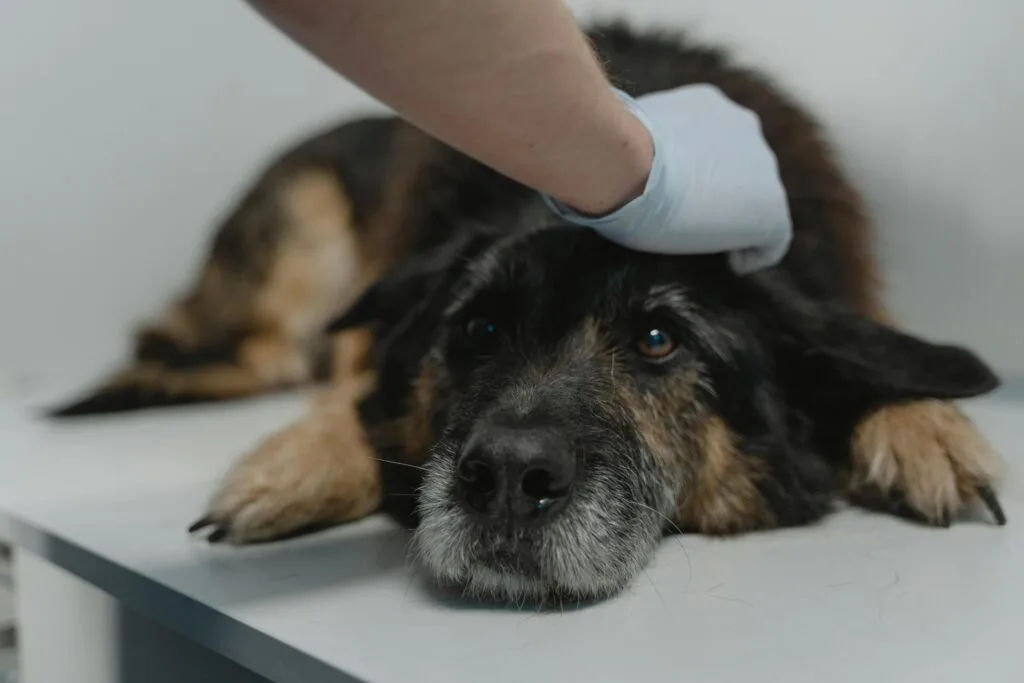
Whether you know what your dog ate or you just noticed something is wrong, these are the warning signs that tell you something is not right:
- Vomiting — especially multiple times in a short period
- Diarrhea — especially if it contains blood
- Extreme weakness or suddenly not being able to stand
- Trembling, shaking, or muscle stiffness
- Pale, white, blue, or yellow gums
- Seizures
- Loss of coordination or falling over
- Rapid or labored breathing
- Unusual drooling
- Collapse
Trust your instincts. If your dog seems off and you know or suspect they ate something from this list, do not wait to see if things improve on their own. Act immediately.
What to Do at Home — Step by Step
Step 1 — Stay Calm
Panicking will not help you or your dog. Take a breath and focus.
Step 2 — Identify What They Ate
If possible, figure out exactly what they ate, how much, and when. Check the packaging if it is still nearby.
Step 3 — Call the Vet or Poison Hotline
Do not wait for symptoms to appear. Call right away.
Step 4 — Do Not Induce Vomiting Without Guidance
Many people try to make their dog vomit at home. This can actually make things worse for certain toxins. Only induce vomiting if your vet specifically instructs you to do so.
Step 5 — Follow Veterinary Instructions
Your vet may ask you to come in immediately or give you specific instructions over the phone. Follow them exactly.
Step 6 — Bring the Packaging to the Vet
If your dog ate a packaged product, bring the wrapper or box with you. This helps the vet identify all the ingredients quickly.
Safe Human Foods Dogs Can Eat
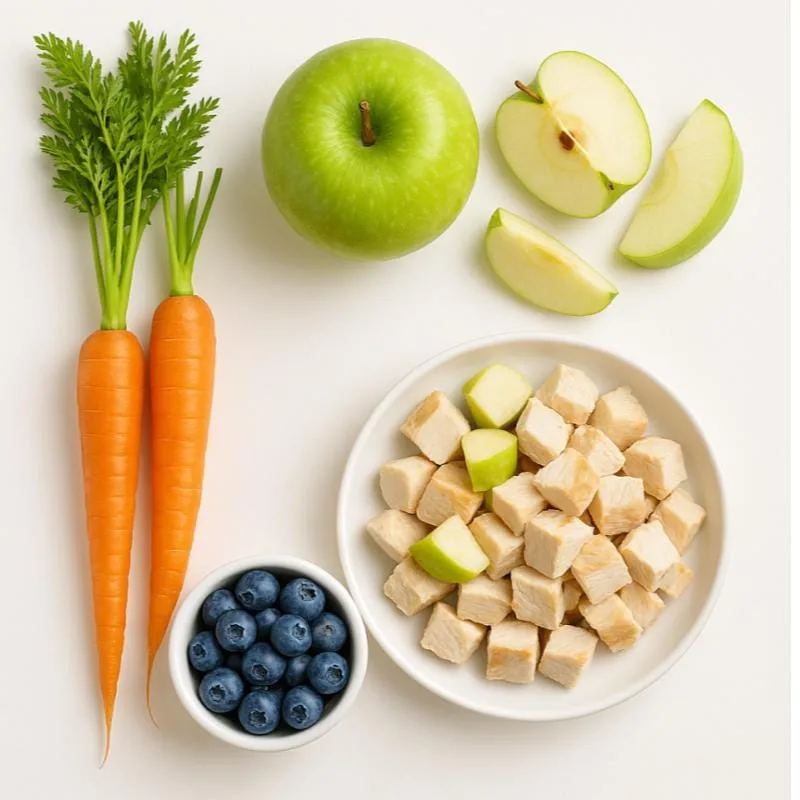
Not everything in your kitchen is off-limits. Here are some human foods that are generally safe to share with your dog in small amounts:
Fruits:
Apples without seeds, bananas, watermelon without rind or seeds, blueberries, strawberries
Vegetables:
Carrots, cooked sweet potatoes, plain cooked pumpkin, green beans, peas, cucumber slices
Proteins:
Plain cooked chicken with no seasoning, plain cooked salmon, fully cooked eggs
Others:
Plain cooked oatmeal, plain cooked rice, xylitol-free peanut butter (always check the label)
Always introduce new foods one at a time in small amounts. What is safe for most dogs may not agree with every individual dog. And keep these treats to less than ten percent of your dog’s daily calories so their regular balanced diet stays intact.
Emergency Numbers to Save Right Now
Before you need them, save these in your phone today:
Pet Poison Helpline: 1-855-764-7661
ASPCA Animal Poison Control Center: 1-888-426-4435
Both lines are available 24 hours a day, 7 days a week. There may be a consultation fee when you call, but that fee is nothing compared to the cost of delayed treatment.
Also locate your nearest 24-hour emergency animal hospital now, before an emergency happens. Knowing exactly where to go in a crisis can save precious minutes.
Frequently Asked Questions
What should I do if my dog ate chocolate right now?
Call your vet or the Pet Poison Helpline immediately at 1-855-764-7661. Do not wait for symptoms. Tell them how much your dog weighs, what type of chocolate it was, and approximately how much was eaten.
How long after eating something toxic will a dog get sick?
It depends on the toxin. Xylitol can cause symptoms within 30 minutes. Chocolate symptoms may appear within 6 to 12 hours. Grape and raisin poisoning can take up to 24 hours to show kidney damage. This is why you should never wait for symptoms before calling your vet.
Can a dog recover from eating grapes?
Yes, if treated immediately and aggressively. But kidney failure caused by grapes can be permanent if treatment is delayed. Speed of treatment is everything with grape poisoning.
Is peanut butter actually safe for dogs?
Regular peanut butter made with only peanuts and salt is generally safe for dogs as an occasional treat. The danger is peanut butter containing xylitol. Always read the ingredient label before giving your dog any peanut butter. Brands like Jif and Skippy regular formulas do not contain xylitol, but always verify before feeding.
What fruits and vegetables can dogs not eat?
Avoid grapes, raisins, cherries with pits, avocado, wild berries, rhubarb, and unripened tomatoes. For vegetables, onions, garlic, chives, leeks, and raw potatoes should all be avoided.
Why can’t dogs eat raisins if they are just dried grapes?
Raisins are actually more dangerous than fresh grapes because the toxic compound is more concentrated after the drying process. Even a small number of raisins can cause kidney failure in dogs.
Final Thoughts
Your dog trusts you completely. They do not know the difference between a food that is safe and one that could put them in the emergency room. That responsibility falls entirely on us as their owners.
The good news is that preventing food poisoning in dogs is straightforward once you know what to avoid. Keep the dangerous foods listed here out of your dog’s reach. Talk to your family members and guests so everyone in your home knows what your dog cannot eat. And save the emergency hotline numbers before you ever need them.
Most food poisoning emergencies happen not because owners are careless, but because they simply did not know. Now you know. And that knowledge could save your dog’s life.
If you found this guide helpful, share it with someone you know who has a dog. You might do them the most important favor of their pet’s life.
For more helpful guides, read our article on :
→ Common Dog Health Problems
→ Pet Emergency Signs
→ Best Dog Food for Bone Health
→ Dog Grooming Tips at Home
→ How to Train a Puppy at Home
Author Bio
Written by David Jason
Founder of My Pet Care Tips
Dog owner with over 8 years of hands-on experience. My own dog have gotten into things they should not have more than once, and that is exactly why I put together this list,so other dog owners can avoid the same scares I have had,
Last Updated: August 16, 2026
Sources: AVMA, ASPCA, Pet poison helpline , VCA Hospitals
Note: If your dog is eaten something on this list, contact your veterinarian or the pet poison helpline immediately. Do not wait for symptoms to appear.