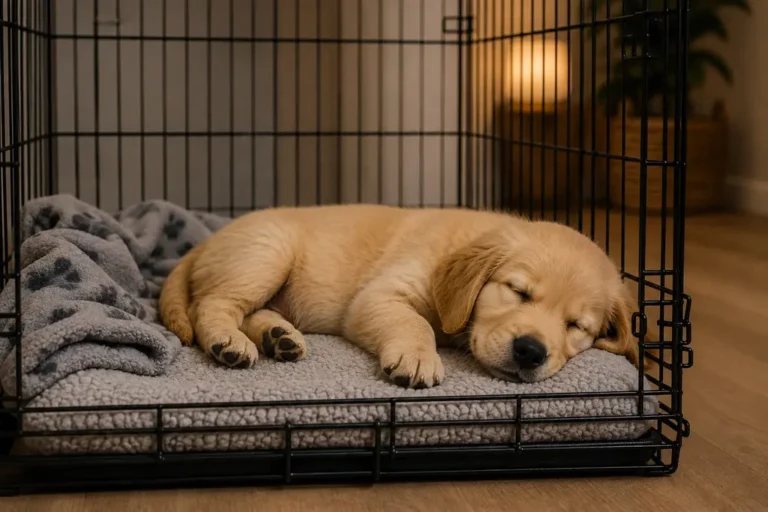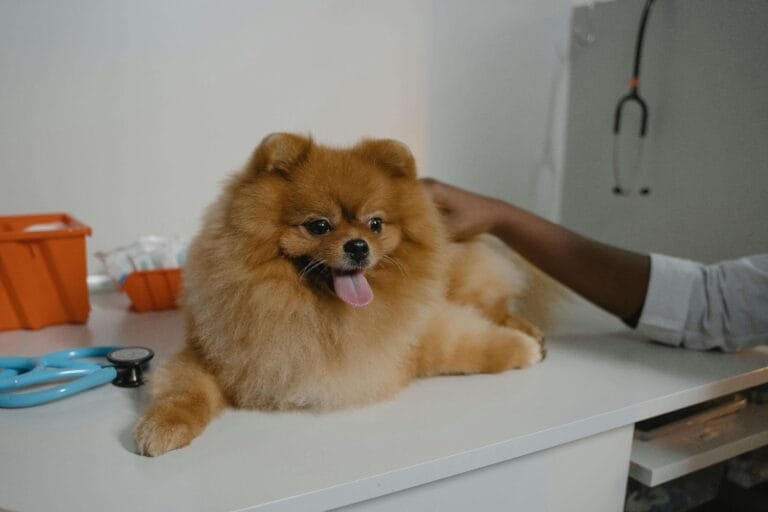
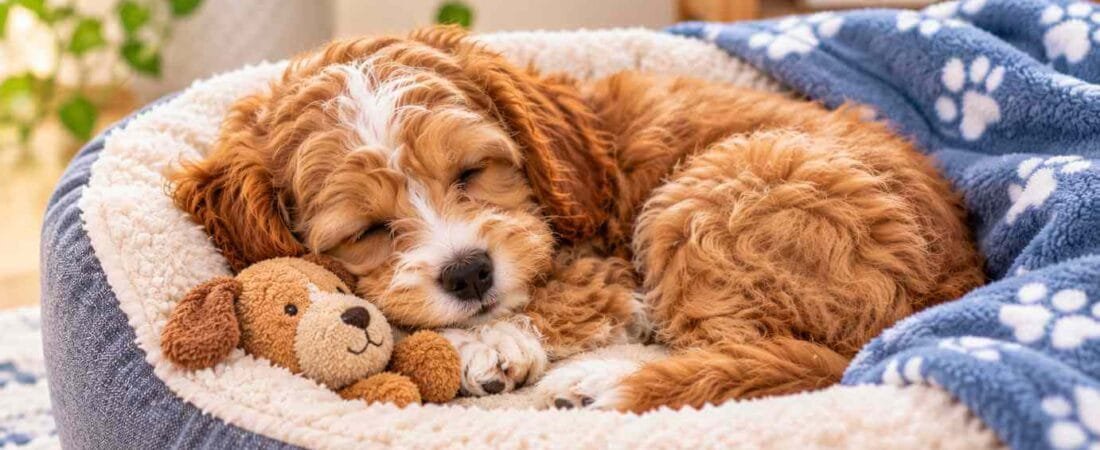
Your puppy just got their shots. Now they are curled up asleep instead of bouncing around the house. A puppy sleepy after vaccine visits is one of the most common reactions new owners see, and in most cases, it is nothing to worry about.
Knowing what counts as normal, and what does not, helps you respond the right way. It also helps you stay calm instead of panicking unnecessarily. Here is what to expect and when to actually call your vet.
Quick answer: Mild tiredness after vaccination can occur and often improves within a day. Your puppy’s body is working to build protection against disease. Watch for severe lethargy, repeated vomiting, facial swelling, or trouble breathing. These signs need immediate veterinary attention.
Why Is My Puppy Sleepy After Vaccine Shots?
Vaccines work by triggering your puppy’s immune system. That process takes energy. It is real, meaningful work happening inside their body. Tiredness can be a temporary side effect, but its presence or absence does not show how well a vaccine works.
This reaction is similar to how people sometimes feel run down after a flu shot. The American Veterinary Medical Association confirms that mild lethargy is one of the most common, expected reactions to routine vaccination. Your puppy’s body is building antibodies. That takes real resources, and rest is a natural part of the recovery process.
How Long Should a Puppy Be Sleepy After Vaccine Appointments?
Mild reactions often settle within 24 hours; contact your clinic if symptoms persist beyond a day or two or worsen sooner. Mild tiredness can be an expected short-term response, but the intensity and other symptoms matter. Some puppies barely seem affected. Others sleep more than usual for a day or two.
If your puppy seems unusually unwell, symptoms worsen, or mild signs are not resolving, contact your veterinarian without waiting for 48 hours. Something beyond a typical vaccine reaction may be going on.
Normal Signs After a Puppy’s Vaccine Appointment
A few mild reactions are expected and do not need treatment. Most puppies show at least one of these signs. That is completely normal.
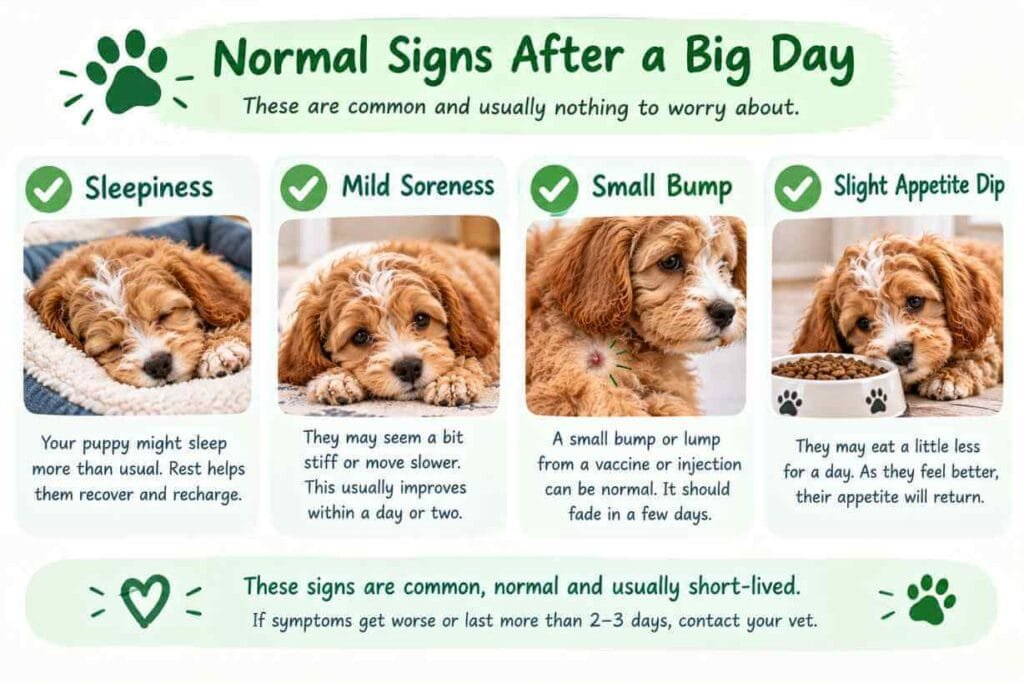
- Increased sleepiness or low energy for a day or two
- Mild soreness at the injection site
- A small, firm bump where the shot was given
- Slight decrease in appetite
- A low-grade fever
- One episode of mild vomiting or diarrhea
These symptoms should improve within a couple of days. Your puppy should still be responsive, drinking water, and acting mostly like themselves, just a little more tired than usual.
Do Some Vaccines Make Puppies More Sleepy Than Others?
Not all vaccines cause the same reaction. Combination vaccines, which protect against several diseases at once, sometimes trigger slightly more tiredness than a single vaccine given alone. This makes sense given how much immune activity is happening at the same time inside your puppy’s body.
The leptospirosis vaccine is sometimes linked to a higher rate of mild reactions compared to some other core vaccines. This does not mean you should skip it. It is still an important vaccine for most puppies. It simply means a bit of extra rest afterward is not unusual. Your vet can walk you through what to expect based on the specific vaccines your puppy receives at each visit.
What Causes a Puppy to Be Sleepy After Vaccine Shots?
The short answer is a healthy, functioning immune system. When a vaccine enters your puppy’s body, their immune cells get to work identifying it and building a defense. This process uses real energy.
Think of it like training for a race. Your puppy’s body is doing hard internal work, even though nothing looks different on the outside except a bit of extra napping. The effort is happening beneath the surface. This is exactly why rest matters so much during the day or two after a vaccine appointment.
Signs That Need Immediate Veterinary Attention
Some reactions are rare but serious. These need urgent care, not a wait-and-see approach.
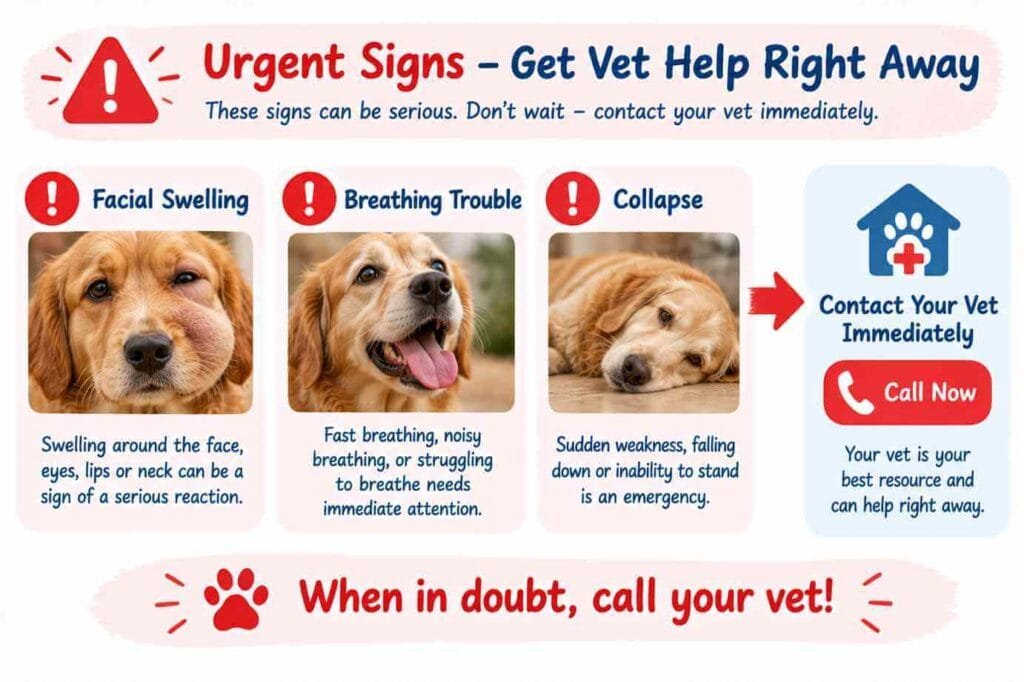
- Facial swelling, hives, or intense itching
- Difficulty breathing or persistent coughing
- Repeated vomiting or diarrhea, not just one episode
- Severe lethargy, or a puppy who will not wake for meals
- Pale gums
- Collapse or seizures
- Non-responsiveness
Any one of these symptoms is a reason to call your vet right away. The VCA Animal Hospitals advises that true allergic reactions to vaccines, while uncommon, can escalate quickly, so do not wait to see if it passes on its own.
How to Care for a Sleepy Puppy After Vaccines
Caring for a puppy sleepy after vaccine visits does not require anything complicated. A few simple steps help your puppy recover comfortably. None of these require special equipment or expense.
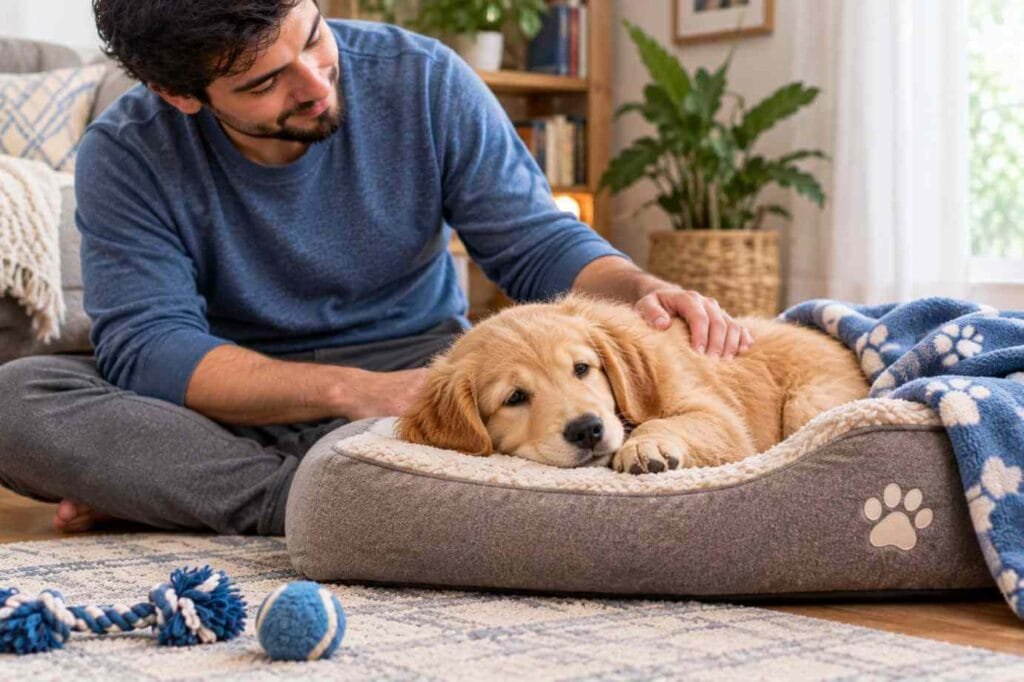
Let Them Rest
Skip vigorous exercise for a day or two. No running, hiking, or intense play sessions. Short, gentle potty walks are fine. Your puppy’s body needs energy for recovery, not exertion.
Keep an Eye on Eating and Drinking
Watch that your puppy is still eating and drinking, even if appetite seems slightly reduced for a day. A puppy who refuses food and water entirely needs a vet call, not just monitoring at home.
Check the Injection Site Gently
A small, firm bump at the injection site is normal and usually shrinks over time on its own. Avoid pressing on it repeatedly, but a quick daily check helps you notice if it grows larger or becomes hot to the touch.
Keep the Environment Calm
A quiet space to rest, away from loud noises or too much excitement, supports recovery. Keep things low-key for a day or two. This is not the day for a busy outing or a trip to a crowded park.
Will My Puppy Be Sleepy After Every Vaccine Visit?
Puppies typically receive a series of vaccines over several visits, not just one. This is standard practice for good reason. It is reasonable to wonder if a puppy sleepy after vaccine appointments will react the same way every time.
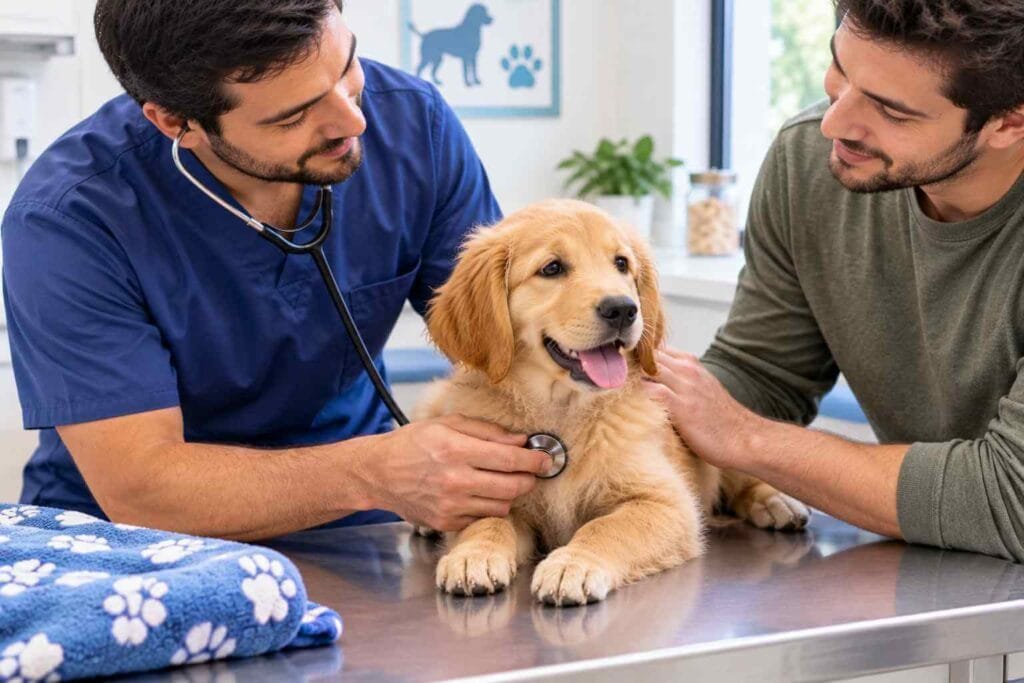
Some puppies show a similar mild reaction at each visit. Others seem unaffected after their first shots but show more tiredness after a later round, especially once combination vaccines are introduced. This is normal too. Every puppy responds a little differently. Reactions can also lessen over time as your puppy’s body becomes more accustomed to routine veterinary care. Keeping a simple note of how your puppy responded after each visit helps you and your vet know what to expect going forward. This small habit takes only a minute. It can genuinely help future visits go more smoothly.
After-vaccine observation checklist for the first two days
A useful approach is to compare your puppy with their normal behaviour instead of counting sleep hours alone. Note when the vaccination was given, which vaccines were administered, and when any change began. Mild sleepiness, soreness at the injection site, and a temporary reduction in appetite can happen after vaccination; symptoms should generally improve rather than worsen.
- Resting but responsive: Offer a quiet space, normal access to water, and gentle monitoring. Your puppy should still be easy to wake and able to move comfortably.
- Symptoms that continue, become more intense, or worry you: Call the clinic that administered the vaccines and describe when the symptoms began.
- Facial swelling, hives, collapse, difficulty breathing, or persistent vomiting/diarrhea: Get emergency veterinary care immediately; these can be signs of a serious reaction.
- Medication question: Never give human pain relievers or leftover pet medicines without your veterinarian’s instructions.
What to tell the clinic: puppy age and weight, vaccine names if available, time since injection, food and water intake, temperature only if safely measured, and whether breathing, walking, or facial appearance has changed. Your vaccination receipt can help staff assess the situation quickly.
Compare the advice from the American Veterinary Medical Association and VCA’s vaccine overview. If the main issue is a complete loss of appetite rather than brief tiredness, use our puppy appetite guide.
Do shots make puppies tired, and will a puppy sleep more after vaccines?
Yes, some puppies sleep more after their shots. Mild sleepiness after puppy vaccines may be accompanied by soreness or a brief reduction in appetite. A puppy should remain responsive, and mild symptoms should improve rather than worsen. Seek immediate veterinary care for collapse, breathing difficulty, facial swelling, hives or persistent vomiting or diarrhea. Contact your clinic promptly about a puppy refusing meals or unusually difficult to wake. The AVMA vaccination guidance distinguishes common short-lived effects from serious reactions. For broader first-week care, see our puppy care guide.
Frequently Asked Questions
Is it normal for a puppy to sleep a lot after vaccines?
Yes, shots can make puppies tired temporarily. Mild sleepiness can occur, but it does not prove that the vaccine is working. Look for normal responsiveness and improvement.
How long does vaccine tiredness last in puppies?
Most puppies recover within 24 to 48 hours. If tiredness continues beyond that window, contact your vet.
Should I be worried if my puppy won’t eat after their shot?
A slightly reduced appetite is normal for a day. Complete refusal to eat or drink, especially paired with other symptoms, is worth a vet call.
Can puppies have a serious reaction to vaccines?
Yes, though it is rare. Facial swelling, difficulty breathing, collapse, or seizures are signs of a serious reaction that need immediate veterinary care.
Is a bump at the injection site normal?
Yes. A small, firm lump is a common reaction and usually shrinks on its own over the following weeks. Contact your vet if it grows larger or seems painful.
Can I give my puppy medication for vaccine soreness?
Do not give any medication without checking with your vet first. Many common pain relievers are unsafe for dogs, and your vet can recommend an appropriate option if your puppy seems genuinely uncomfortable.
Final Takeaway
A puppy tired after a vaccine may be experiencing a mild temporary side effect. Tiredness alone is not proof of immunity or a reason to dismiss other symptoms. Give your puppy rest, watch for the warning signs covered here, and call your vet if anything seems beyond typical mild tiredness.
If you are budgeting for your puppy’s vaccination schedule, our Vet Costs in the USA guide covers what to expect. If your puppy is not yet fully vaccinated, our How to Socialize a Puppy Before Fully Vaccinated guide covers safe ways to continue their early development in the meantime.
This article is for general education and is not a substitute for veterinary diagnosis or advice. Always consult your veterinarian with specific concerns about your puppy’s health.
Editorial information
Published by My Pet Care Tips Editorial Team. This publication byline is not a veterinary qualification or a claim of article-specific veterinary review. Consult a licensed veterinarian for individual medical advice. Read our Editorial Standards for sources and corrections.