
Introduction
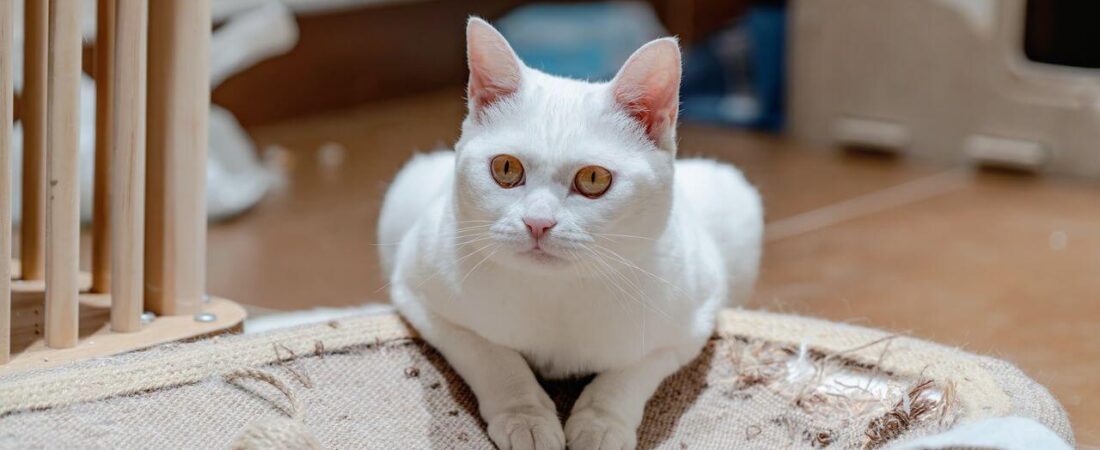
Coming home to find your new sofa shredded can be incredibly frustrating.
You love your cat. You really do. But when you see the corner of your three-hundred-dollar couch looking like it went through a paper shredder, it is hard not to feel a little defeated.
If you are wondering why cats scratch furniture, you are absolutely not alone. Millions of cat owners across the USA deal with this exact problem every year. In apartments from New York to Los Angeles, indoor cats are quietly dismantling sofas, curtains, and carpets while their owners search desperately for answers.
Here is the most important thing to understand before we go any further. Your cat is not doing this to punish you. They are not being spiteful and are not even thinking about your furniture. They are simply following instincts that are millions of years old.
In this guide, you will learn exactly why cats scratch furniture, why your cat ignores their scratching post in favor of your couch, and the most effective strategies to protect your home while keeping your cat genuinely happy. All of it tested and practical for real homes in 2026.
Why Do Cats Scratch Furniture? Understanding the Natural Behavior
It Is Not Rebellion — It Is Instinct
I need to say this clearly because it changes everything about how you approach this problem.Your cat scratching furniture is not a behavioral problem.
It is not disobedience. It is one of the most deeply wired instincts in the entire feline species. Cats have been scratching surfaces for millions of years before sofas existed. Your couch just happens to be the most convenient scratching surface in your home.
Understanding this shifts your entire strategy. You cannot punish a cat out of scratching any more than you can punish them out of breathing. What you can do is redirect that instinct to appropriate surfaces. And that is exactly what this guide will show you.
Cat Claw Maintenance and Sharpening
The outer layer of a cat’s claw is actually a dead sheath that needs to be removed regularly to reveal the sharper, healthier claw underneath.
Scratching is how cats accomplish this. The pulling and dragging motion against a rough surface strips the dead outer layer efficiently. Without a suitable place to do this, your cat will find one. And without intervention, that place will be your furniture.
This is also why declawing is so harmful and why it is now illegal in many US states. Removing a cat’s claws does not remove the scratching instinct. It just removes their ability to meet that need safely.
Stretching and Muscle Exercise
Watch your cat scratch their next target carefully.
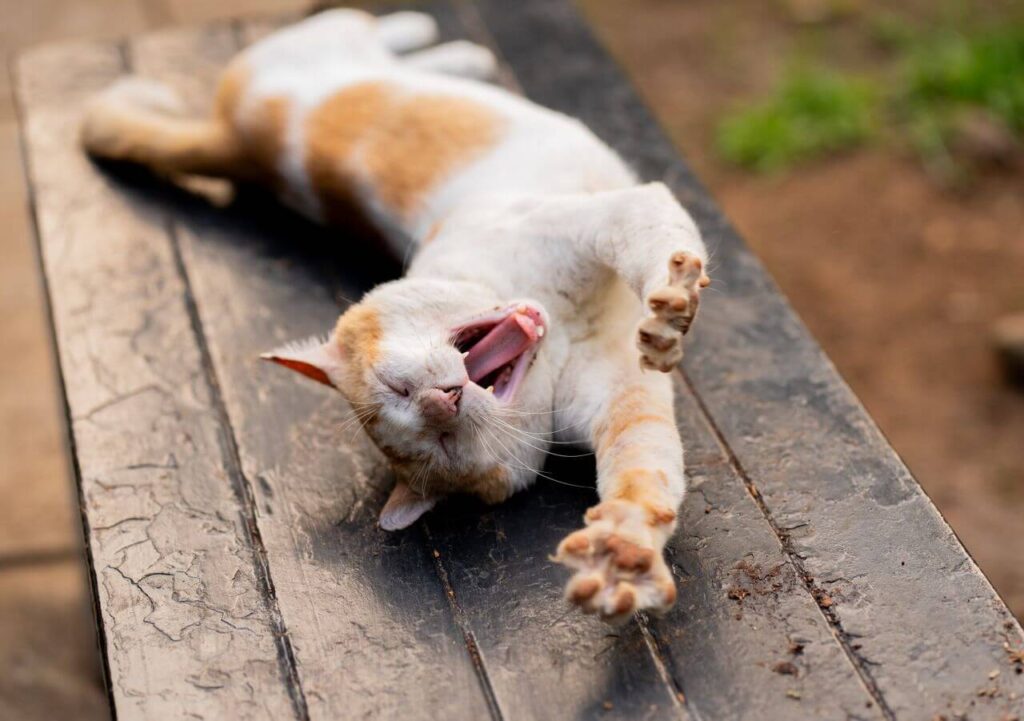
They almost always stretch fully upright or extend their front legs completely before scratching. This is not coincidental. Scratching serves as a full-body stretch that works the muscles from the shoulders through the back and into the spine.
Indoor cats have limited opportunities for the kind of physical extension that outdoor cats get naturally. Your furniture, especially tall surfaces like the arm of a sofa, provides exactly the resistance and height they need for a satisfying full-body stretch.
Cat Territory Marking Through Scent Glands
This one surprises most cat owners.
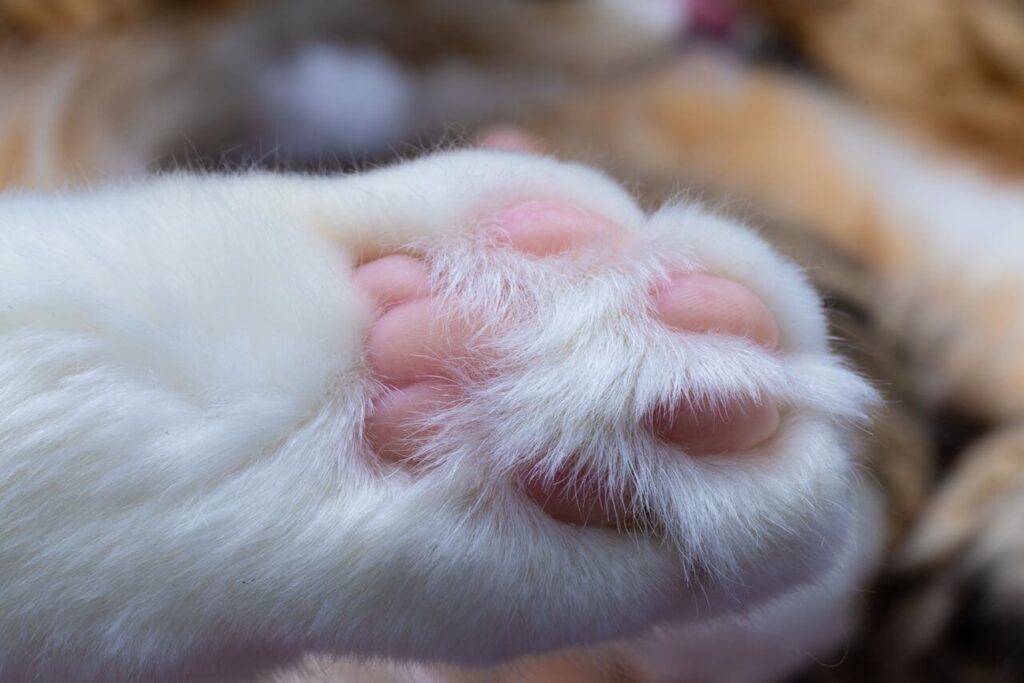
Cats have scent glands in their paw pads. When they scratch a surface, they are not just conditioning their claws. They are depositing their scent and leaving a visible mark that communicates to other animals that this territory belongs to them.
In multi-cat households, you will often see scratching intensity increase during territorial disputes. In single-cat homes, cats will still mark their key locations. The front of your sofa, visible from the room entrance, is prime real estate for territorial marking from your cat’s perspective.
Common Reasons Behind Cat Scratching Behavior
Stress, Anxiety, or Boredom in Indoor Cats
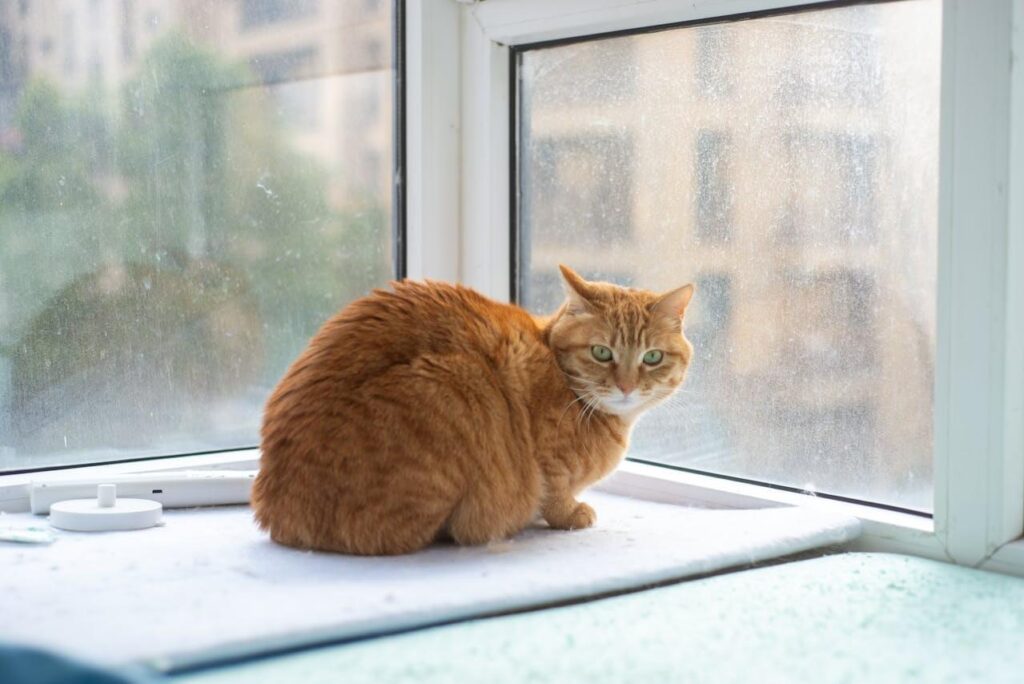
Scratching increases significantly when cats are stressed, bored, or anxious.
My cat Luna barely touched the sofa for the first two years. Then we had some renovation work done in the apartment for three weeks. By the end of the first week, she had scratched a section of the sofa armrest down to the fabric base. The noise and disruption of the renovation was causing her stress, and scratching was how she was managing it.
Indoor cats in the USA are particularly vulnerable to boredom-related scratching. Without the constant stimulation of an outdoor environment, they rely on their owners to provide engagement. When that is missing, scratching becomes an outlet.
New Furniture, Moves, or Changes in Household
New furniture smells unfamiliar to your cat.
To them, an item that does not carry their scent is an intrusion into their territory. The most natural response is to scratch it and deposit their own scent as quickly as possible. This is why brand-new sofas often become scratching targets within days of arriving in your home.
Similarly, moving to a new apartment, adding a new pet, or having a baby can all trigger increased scratching as your cat works to re-establish their territorial markers in a changed environment.
Multi-Cat Homes and Territory Disputes
In homes with more than one cat, scratching frequency almost always increases.
Cats use scratch marks as visual territorial signals. When multiple cats share a space, each will scratch prominent surfaces to assert their presence. This is why multi-cat households need significantly more scratching posts in more locations than single-cat homes.
Kittens vs Adult vs Senior Cat Scratching Patterns
Kittens scratch frequently but often with less force. They are learning the behavior and discovering what surfaces feel satisfying.
Adult cats scratch with purpose and established preferences. By adulthood, your cat has strong opinions about what textures and heights they prefer.
Senior cats may scratch less due to reduced mobility and joint stiffness, but they still need appropriate surfaces available. Forcing an older cat to use a tall vertical post when arthritis makes reaching uncomfortable is a common mistake that leads owners to believe their senior cat has outgrown scratching.
Why Does My Cat Scratch the Couch But Not the Scratching Post?
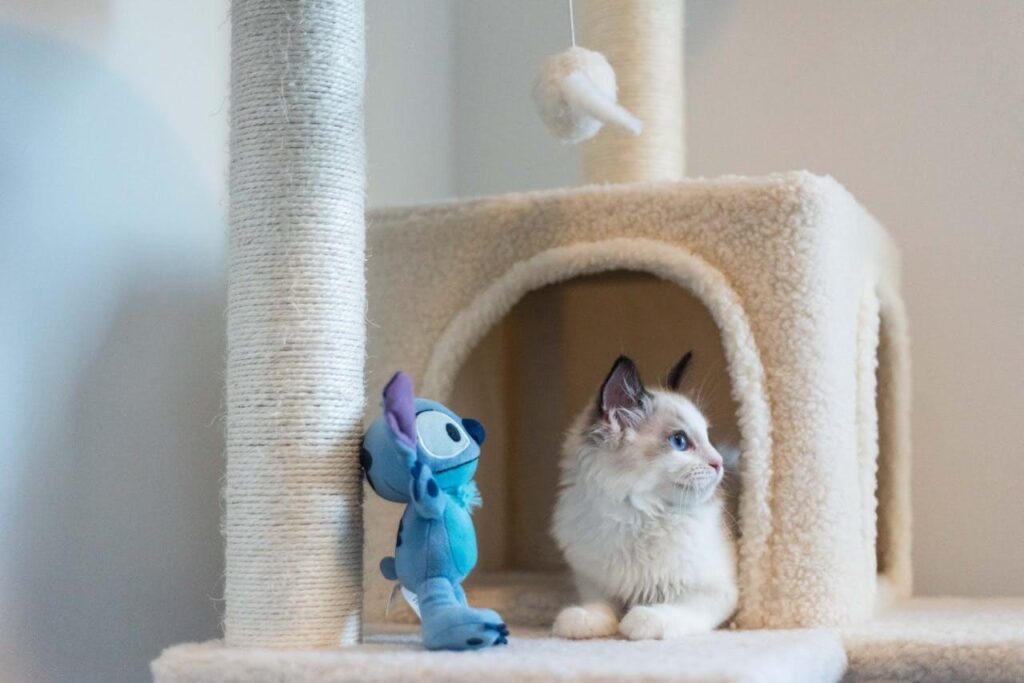
This is the question every frustrated cat furniture owner eventually asks.
You bought the scratching post. You placed it in the room. Your cat walked past it, sniffed it briefly, and went directly to the sofa. Why?
Location, Height, and Texture Preferences
Location is probably the most overlooked factor in scratching post rejection.
Most owners tuck the scratching post in a corner or against a wall where it is out of the way. But cats prefer to scratch in prominent, visible locations. Your sofa arm is scratched because it is highly visible from the room entrance, at a comfortable height, and has a texture that feels satisfying.
Your post in the corner fails on at least two of those criteria. Cats want to scratch in places that maximize the visibility of their territorial marks. Move the post to where your cat actually scratches, and watch the behavior shift.
The Scratching Post Is Not Appealing Enough
Most budget scratching posts sold in the USA are too short, too unstable, or covered in a looped carpet material that cats find unsatisfying.
A proper scratching post for an adult cat needs to be tall enough for full body extension, which is typically at least thirty-two inches. It must be completely stable with no wobble. And it should ideally be covered in sisal rope rather than carpet, as sisal provides the resistance and texture that most cats prefer.
A post that wobbles when your cat leans into it will be abandoned immediately. Stability is non-negotiable.
Training and Redirection Mistakes
The most common training mistake is punishing your cat for scratching furniture.
Spraying water, clapping loudly, or saying “no” firmly does not teach your cat not to scratch. It teaches them to be wary of you. They will simply scratch when you are not watching. Punishment-based approaches make the scratching harder to manage, not easier.
The correct approach is consistent positive redirection, which we will cover in detail below.
How to Stop Cats from Scratching Furniture — Proven Strategies
Best Furniture Scratching Solutions and Deterrents
Start by making your furniture less appealing while simultaneously making appropriate surfaces more appealing.
Double-sided tape applied to the scratched area works extremely well for most cats. They hate the sticky sensation on their paws. The Sticky Paws brand is specifically designed for furniture protection and is widely available across the USA. Once the habit of scratching that surface is broken, the tape can usually be removed.
Aluminum foil over scratched areas also deters most cats effectively. The sound and feel are aversive to them. This is a temporary solution while you establish better scratching habits.
Pheromone sprays like Feliway can reduce stress-related scratching significantly. They mimic natural cat facial pheromones that create a sense of security, reducing the territorial urgency that drives excessive scratching.
Choosing the Right Scratching Posts
Vertical posts:
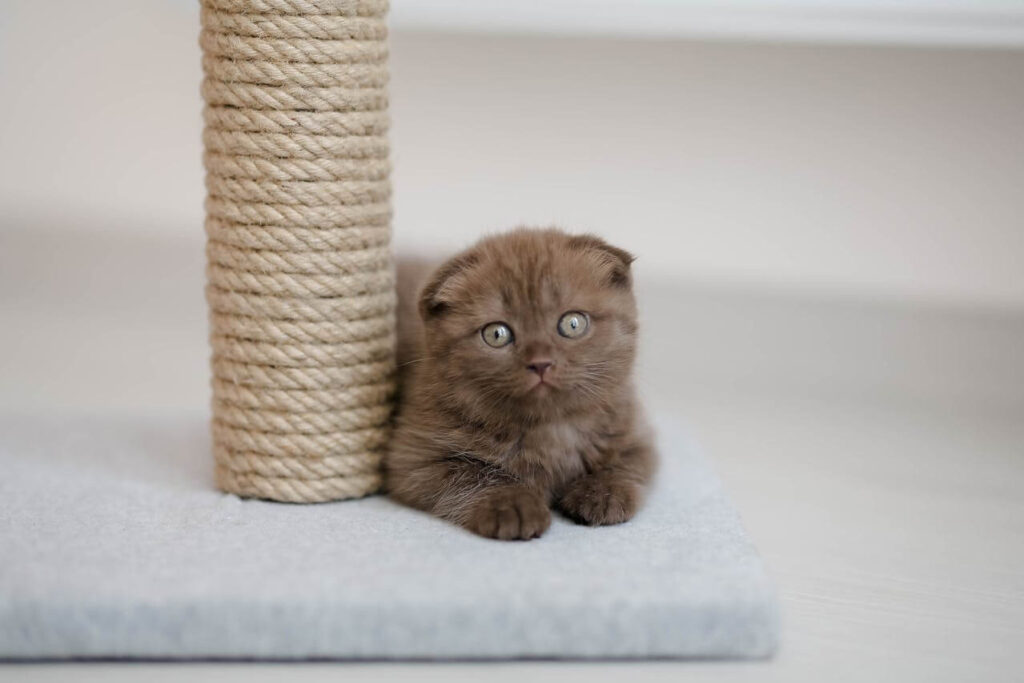
Best for cats that scratch upright surfaces like sofa arms. Must be at least thirty-two inches tall and completely stable. Sisal rope is the preferred covering for most cats.
Horizontal scratchers:
Some cats prefer to scratch flat surfaces. If your cat scratches the carpet or flat areas of furniture, a horizontal corrugated cardboard scratcher placed near the target area will be more effective than a vertical post.
Cat trees with scratching surfaces:
The ideal solution for most indoor cats combines a climbing structure with integrated scratching posts. The Feandrea and Go Pet Club cat trees are consistently top-rated options in the USA with multiple scratching surfaces at different heights.
Using Positive Reinforcement and Redirection
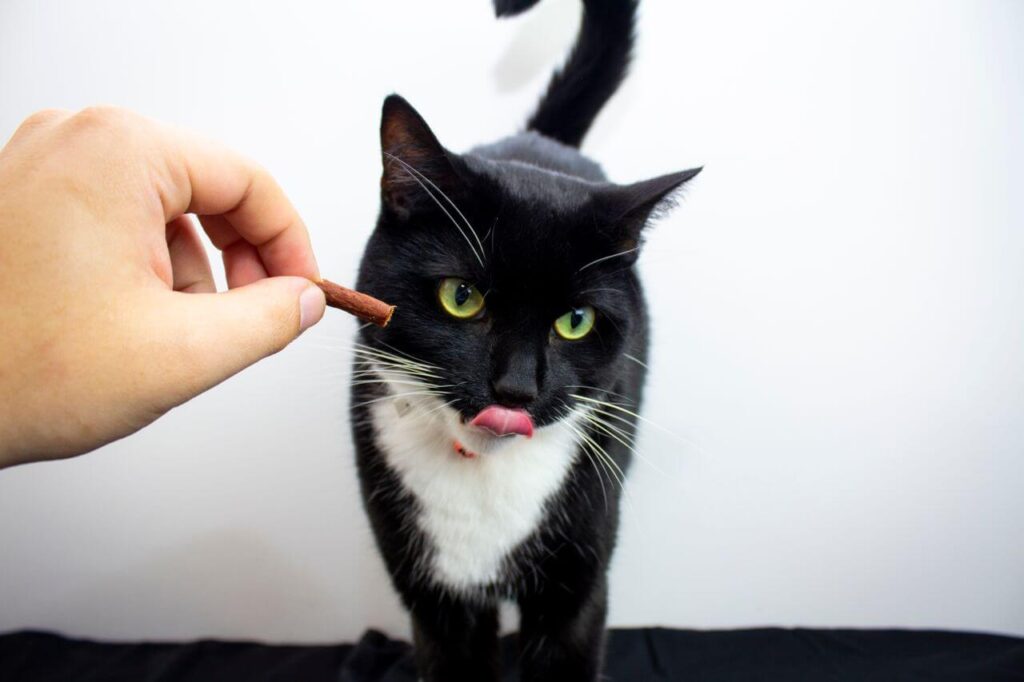
This is the strategy that actually works long-term.
Whenever you see your cat approach the scratching post, interact with it, or especially scratch it, immediately reward them with a small treat and enthusiastic praise. Do this every single time. Without exception.
When you catch your cat scratching furniture, calmly pick them up, carry them to the scratching post, and gently place their paws on the surface. Do not force them to scratch but let them feel the texture. If they engage, reward immediately.
Sprinkle dried catnip on new scratching posts to make them more attractive initially. Most cats find catnip irresistible and will investigate and scratch a catnip-scented post readily.
Safe Deterrents That Work
- Double-sided tape on furniture edges and arms
- Aluminum foil over targeted surfaces temporarily
- Pheromone spray like Feliway for stress-related scratching
- Corner protectors made from clear plastic available on Amazon and Chewy
- Citrus sprays as light deterrents since most cats dislike citrus scent
Never use any deterrent that causes pain, fear, or physical discomfort. Startling devices and punishment-based tools damage your relationship with your cat and increase stress, which actually worsens scratching behavior.
Best Products to Protect Your Furniture in 2026
Comparison Table
| Product | Type | Best For | Price Range | Rating |
| SmartCat Ultimate Scratcher | Vertical sisal post | Upright scratchers | Medium | 9.5/10 |
| Pioneer Pet SmartCat | Horizontal cardboard | Floor scratchers | Low | 9/10 |
| Sticky Paws Furniture Strips | Deterrent tape | Couch protection | Low | 9/10 |
| Feliway Classic Spray | Pheromone deterrent | Stress scratching | Medium | 9/10 |
| Feandrea Cat Tree | Multi-surface tree | Complete solution | Medium/High | 9.5/10 |
| CatScapes Corner Protectors | Plastic protectors | Corner damage | Low | 8.5/10 |
| KONG Naturals Scratcher | Cardboard + catnip | Attracting cats to post | Low | 9/10 |
Budget winner: Pioneer Pet cardboard scratcher plus Sticky Paws tape is under thirty dollars total and solves the problem for most cats.
Premium winner: The Feandrea cat tree combined with Feliway spray addresses both the scratching need and the underlying stress simultaneously.
All products are available on Chewy and Amazon with subscription discounts.
Long-Term Prevention — Building Better Cat Scratching Habits
Creating an Enriched Indoor Environment
Scratching that stems from boredom and stress decreases significantly when your cat’s environment is genuinely enriching.
Window access with bird feeders visible outside, puzzle feeders at mealtimes, vertical climbing space, and regular interactive play all reduce the stress-driven component of excessive scratching. For a complete guide to creating an enriched environment, read our indoor cat care guide
Regular Playtime and Mental Stimulation
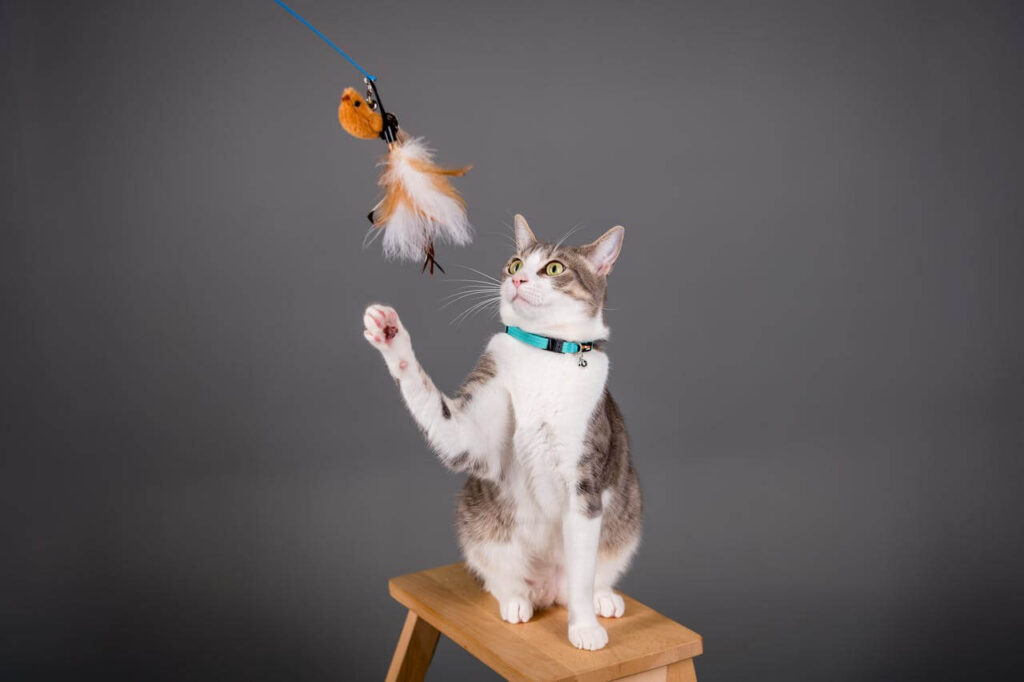
Two fifteen-minute interactive play sessions daily make a measurable difference in furniture scratching frequency.
A cat whose hunting instincts are satisfied through daily play has significantly less need to scratch excessively as a stress outlet. Evening play sessions before bed are particularly effective because they tire your cat naturally and reduce the nighttime scratching activity that many owners find most disruptive.
Nail Care and Maintenance Routine
Regular nail trimming every two to three weeks reduces the damage done when your cat does scratch furniture.
Shorter, blunter nails cause significantly less damage to fabric and wood surfaces. For a complete step-by-step nail trimming guide, read our cat grooming tips at home article.
Soft nail caps like Soft Paws are another option. These are vinyl caps that glue over the nail tips and are completely safe and humane. They need replacing every four to six weeks as nails grow. Many apartment-dwelling cat owners in the USA swear by them as a long-term furniture protection solution.
Frequently Asked Questions
Why do cats scratch furniture and how do I stop it?
Cats scratch furniture to maintain their claws, stretch their muscles, and mark territory through scent glands in their paws. To stop it, provide appropriate scratching surfaces in prominent locations, use deterrents like double-sided tape on furniture, and consistently redirect your cat to the correct surfaces using positive reinforcement.
Why does my cat scratch the couch but not the scratching post?
The most common reasons are poor post location, insufficient post height, an unstable post, or an unappealing texture. Move the post to where your cat actually scratches, ensure it is at least thirty-two inches tall, completely stable, and covered in sisal rope. Add catnip to attract initial interest.
How do I stop my cat from scratching furniture permanently?
Permanent change requires a consistent combination of making furniture less appealing with deterrents, making appropriate surfaces more appealing with catnip and rewarding placement, and using positive reinforcement every time your cat uses the post correctly. This process typically takes two to four weeks of consistency to establish new habits.
What should I do when my cat suddenly starts scratching furniture more than usual?
Sudden increases in scratching usually indicate stress, a change in the household, or a territorial response to something new. Check for recent changes including new furniture, new pets, construction noise, or schedule changes. Address the underlying stressor and consider adding a Feliway diffuser to reduce anxiety-related scratching.
Is it possible to stop cats from scratching furniture without declawing?
Absolutely. Declawing is unnecessary, harmful, and increasingly illegal across the USA. Effective furniture protection is entirely achievable through the right combination of scratching posts, deterrents, positive reinforcement, nail trimming, and soft nail caps. Millions of cat owners successfully protect their furniture without ever considering declawing.
Final Thoughts
Luna destroyed one corner of my sofa before I figured out the right approach.
The solution was not complicated. I moved her scratching post from the corner to right next to the sofa arm she preferred. And added catnip. I rewarded her every single time she used it. Within two weeks, the sofa scratching had stopped almost entirely.
Understanding why cats scratch furniture changes everything. It is not a problem to punish away. It is a need to redirect intelligently.
Place appropriate surfaces where your cat actually wants to scratch. Make those surfaces genuinely appealing. Use deterrents on furniture temporarily while the habit shifts. And reward every single correct choice your cat makes.
Your cat wants to scratch. Your job is simply to give them a better option than your couch.
Start with one thing this week. Move the scratching post. Add catnip. Apply some Sticky Paws tape to the problem area. Small consistent changes create lasting habits.
Share your cat’s scratching story in the comments below. What has worked in your home? What has not? Your experience might be exactly what another frustrated cat owner needs to read today.
Also read:
→ Cat Behavior Problems Solutions
→ Indoor Cat Care Guide
→ Cat Grooming Tips at Home
→ Cat Care Guide for Beginners
→ Best Cat Food for Healthy Growth
Author Bio
Written by David Jason
Founder of My Pet Care Tips
Cat owner with over 8 years of hands-on experience managing indoor cat behavior in apartment living. Every recommendation in this guide comes from real experience and trusted feline behavior sources.
Last Updated: June 9, 2026
Sources: ASPCA, Cornell FelineHealth Center, InternationalCat Care, PetMD
Note: Always consult a licensed veterinarian or certified feline behaviorist for severe or sudden behavior changes in your cat.