
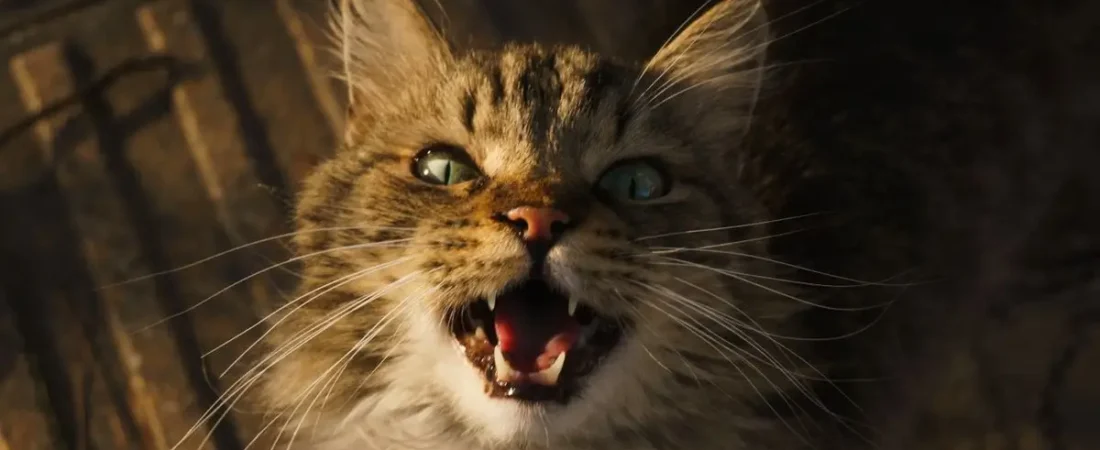
Luna would not stop meowing last winter.
It started at 3 AM. Then again at 5 AM. By morning, I was exhausted and completely confused. She had food. She had water. Her litter box was clean. So why was she meowing like the world was ending?
It took me two weeks of trial and error to figure out what was really going on. And once I did, the meowing stopped almost completely.
If you are wondering why won’t my cat stop meowing, you are in the right place. This guide covers the 10 most common reasons cats meow excessively, what each one means, and exactly what you can do to fix it.
Why Does My Cat Keep Meowing? The Short Answer
Cats meow to communicate with humans. They do not meow at other cats in the wild. So when your cat meows at you, they are trying to tell you something specific.
The key is figuring out what that something is.
Excessive meowing is almost always a sign of an unmet need or an underlying issue. It is rarely random. Once you identify the cause, the solution usually becomes clear.
10 Reasons Why Your Cat Won’t Stop Meowing
Hunger or Thirst
This is the most common reason by far.
If your cat meows loudly near their food bowl or around mealtime, they are probably hungry. Cats are creatures of habit. If their feeding schedule changes even slightly, they will let you know.
Check their water bowl too. A cat that is not drinking enough water will often meow more than usual.
Fix: Stick to a consistent feeding schedule. If you are unsure how much to feed your cat, read our guide on best cat food for healthy growth for portion guidelines by age and weight.
2. Attention Seeking
Cats learn quickly. If meowing got your attention once, they will do it again.
This is especially common in cats that spend long hours alone at home. They are not being bad. They are bored and lonely.
Fix: Set aside 15 to 20 minutes of dedicated playtime every day. Interactive toys and puzzle feeders help a lot. Our indoor cat care guide has great ideas for keeping indoor cats mentally stimulated.
3. Pain or Illness
A cat that suddenly starts meowing more than usual could be in pain.
This is one of the most important reasons to take seriously. Cats hide pain very well. Excessive meowing is sometimes the only visible sign that something is wrong internally.
Watch for other symptoms like loss of appetite, hiding, limping, or changes in litter box habits. If you notice any of these alongside the meowing, call your vet right away.
Fix: Do not wait. Read common signs your cat is not eating to understand when meowing combined with food refusal becomes a red flag. According to Cornell Feline Health Center, sudden behavioral changes in cats often signal medical issues that need prompt attention.
4. Stress or Anxiety
Cats are sensitive to change. A new pet, a new baby, moving furniture, or even a new smell can trigger anxiety-based meowing.
Luna started meowing more when we rearranged the living room. She was stressed about the change in her environment.
Fix: Keep your cat’s routine as consistent as possible during changes. Create a safe quiet space where they can retreat. Our cat behavior problems guide covers stress triggers and how to address them.
5. Wanting to Go Outside
Indoor cats that can see or smell the outdoors will often meow at doors and windows.
This is their way of asking to explore. The instinct to roam is strong in cats, even those raised indoors from birth.
Fix: Enrich their indoor environment with window perches, bird feeders outside the window, and climbing trees. This redirects their outdoor curiosity without the risks.
6. Heat Cycle in Unspayed Females
If your female cat is not spayed, she will meow loudly and constantly when she is in heat.
This meowing is intense, persistent, and often sounds distressing. It is completely normal behavior during the heat cycle but it is also very disruptive.
Fix: Spaying your cat is the most effective long-term solution. It also reduces the risk of certain cancers and infections according to the ASPCA.
7. Old Age and Cognitive Decline
Senior cats sometimes develop cognitive dysfunction syndrome, which is similar to dementia in humans.
An older cat that meows loudly especially at night, seems confused, or appears disoriented may be experiencing cognitive changes. This is more common in cats over 10 years old.
Fix: Talk to your vet about senior cat care options. Night lights, consistent routines, and vet-prescribed supplements can help. Check our cat care guide for beginners for general care routines that support aging cats.
8. Greeting Behavior
Some cats are simply talkers. They meow when you come home, when you walk past them, or when they want to follow you around the house.
This is usually not a problem. It is just their personality.
Fix: If it is not bothering you, there is nothing to fix. If it is excessive, avoid responding every single time. Only give attention when they are quiet to avoid reinforcing the behavior.
9. Dirty Litter Box
Cats are extremely clean animals. A dirty litter box is one of the fastest ways to trigger protest meowing.
If your cat meows near the litter box or refuses to use it, check if it needs cleaning. One box per cat plus one extra is the general rule for multi-cat households.
Fix: Clean the litter box at least once a day. Scoop waste daily and do a full clean weekly.
10. Loneliness or Boredom
A cat left alone for 8 to 10 hours every day will often develop excessive meowing out of pure boredom.
Cats need mental stimulation. Without it, they become restless, anxious, and vocal.
Fix: Rotate toys weekly to keep things fresh. Consider a second cat for company if your schedule keeps you away for long hours.
Why Is My Female Cat Meowing So Much All of a Sudden?
A female cat that suddenly meows excessively is most likely in heat. This is especially true if she is unspayed and the meowing is loud, persistent, and combined with rubbing against everything. Spaying is the permanent solution.
Why Is My Male Cat Meowing So Much All of a Sudden?
Male cats meow excessively when they smell a female in heat nearby. They can detect a female in heat from several blocks away. This meowing is instinctive and usually stops once the female’s heat cycle ends.
Why Won’t My Kitten Stop Meowing?
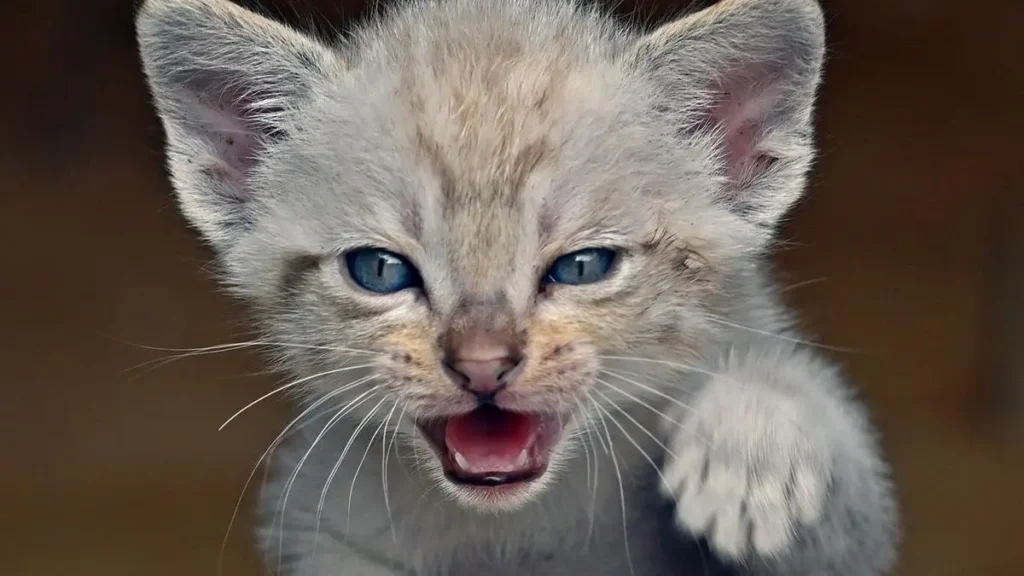
Kittens meow far more than adult cats. This is completely normal.
In the wild, kittens meow to call their mother. When you bring a kitten home, you become their mother. Every need they have gets communicated through meowing.
Is It Normal for Kittens to Meow a Lot?
Yes, it is completely normal for kittens under 6 months to meow frequently. They are still learning how to communicate and how their environment works.
The meowing usually decreases naturally as they mature and feel more secure in their home.
Why Does My Kitten Keep Meowing at Night?
Night meowing in kittens is one of the most common complaints from new cat owners.
Kittens are often most active at night. They may be hungry, scared, lonely, or just full of energy. A tired kitten is a quiet kitten, so increase playtime in the evening before bed.
Milo cried every night for his first two weeks with us. Once we started a 20-minute play session before bedtime, the night meowing stopped almost completely.
How to Calm a Meowing Kitten at Night
Try these steps in order:
- Feed a small meal right before bed
- Do an active play session 30 minutes before sleep
- Place a warm blanket near their sleeping area
- Use a ticking clock wrapped in a towel to mimic a heartbeat
- Leave a low light on so they do not feel scared in the dark
Cat Meowing at Night Specifically? Here Is Why
Night meowing deserves its own section because it is the most disruptive type.
| Reason | Solution |
| Hunger | Feed small meal before bed |
| Boredom | Evening play session before sleep |
| Senior cognitive decline | Night light, vet consultation |
| Pain | Vet visit urgently |
| Heat cycle | Spaying |
| Wants attention | Ignore and reward silence |
If your cat suddenly starts meowing at night after years of sleeping quietly, this is a red flag. A vet visit is recommended within 48 hours.
Why Is My Cat Walking Around Meowing Non-Stop?
A cat that paces and meows at the same time is often in pain, severely anxious, or experiencing cognitive decline if they are older. This is different from regular meowing — it is more urgent. If it continues for more than 24 hours, see a vet immediately.
When to See a Vet for Excessive Meowing
Most meowing has simple fixes. But some situations need professional attention.
Call your vet if your cat:
- Started meowing excessively out of nowhere
- Is meowing and not eating
- Seems confused or disoriented while meowing
- Is meowing and hiding
- Is meowing and straining in the litter box
- Is over 10 years old and meowing has increased
Understanding vet costs beforehand can help you act faster. Our guide on vet costs in the USA explained breaks down what to expect for different types of visits.
Frequently Asked Questions
Why Won’t My Cat Stop Meowing?
Your cat is trying to communicate an unmet need. The most common reasons are hunger, thirst, attention seeking, stress, pain, or a dirty litter box. Check each one systematically to find the cause.
Why Does My Cat Keep Meowing at Me?
Cats only meow at humans, not at other cats. Your cat is specifically trying to get your attention or tell you something. Pay attention to when and where the meowing happens for clues.
Why Won’t My Kitten Stop Meowing?
Kittens meow frequently because they are still learning how to communicate. It is normal and usually decreases as they get older and feel more secure in their home.
Why Does My Kitten Keep Meowing at Night?
Night meowing in kittens is usually caused by hunger, loneliness, fear, or excess energy. A feeding session and active play before bedtime usually reduces nighttime meowing significantly.
Is Excessive Meowing a Sign of Pain?
Yes, it can be. A cat that suddenly meows more than usual, especially if combined with other symptoms like not eating or hiding, could be in pain. See a vet within 24 to 48 hours.
How Do I Get My Cat to Stop Meowing?
First identify the cause. Then fix the underlying issue. Never punish a cat for meowing. It does not work and it damages trust. Reward quiet behavior with attention and treats instead.
Should I Ignore My Cat When It Meows?
It depends on the reason. If it is attention-seeking behavior, ignoring it can help break the habit. If it is meowing from hunger, pain, or illness, you should never ignore it.
Can Stress Cause a Cat to Meow More?
Yes, absolutely. Changes in routine, new people, new pets, or even rearranged furniture can stress cats and cause excessive meowing. A calm consistent environment reduces stress meowing quickly.
What is the 3-3-3 rule for cats?
The 3-3-3 rule describes how cats adjust to a new home. The first 3 days they feel overwhelmed and may hide or meow excessively. After 3 weeks they start feeling more comfortable. After 3 months they feel fully at home. Excessive meowing during the first 3 days is completely normal.
Do kittens grow out of meowing?
Yes, most kittens naturally meow less as they get older and feel more secure. By 6 months most kittens settle into a quieter routine. Consistent feeding schedules and playtime speed up this process significantly.
Should you ignore a crying kitten at night?
It depends on why they are crying. If it is hunger or fear, do not ignore it. If it is purely attention-seeking behavior, brief ignoring can help break the habit over time. Always rule out hunger, pain, and fear first before ignoring night crying.
Final Thoughts
If you are asking why won’t my cat stop meowing, the answer is almost always something specific and fixable.
Start by ruling out hunger, thirst, and a dirty litter box. Then check for signs of pain or stress. If the meowing is sudden and unexplained, always err on the side of a vet visit.
Luna’s mystery meowing turned out to be stress from a new piece of furniture blocking her favorite window spot. Once I moved it, she was back to her quiet self within a day.
Your cat is not meowing to annoy you. They are trying to talk to you. Take a few minutes to listen and you will usually figure out exactly what they need.
Have you figured out why your cat won’t stop meowing? Share what worked for you in the comments below!
Author Bio
Written by David Jason — Pet care writer with 8+ years of experience raising dogs and cats. Trusted advice for USA pet owners at mypetcaretips.com.