

Yesterday your puppy inhaled their food in under a minute. Today the bowl sits completely untouched, and you are starting to worry. A puppy refusing to eat suddenly is different from a puppy who is just being picky, and it deserves faster attention.
This is not the same situation as a dog who happily eats treats but skips their regular kibble. Sudden, total food refusal can sometimes point to something more serious going on. Here is what you need to know and when to act quickly.
Quick answer: Puppies have very limited energy reserves compared to adult dogs. Most cannot safely go more than 24 hours without food, and toy breeds may need attention after just 12 hours due to the risk of low blood sugar. Sudden total refusal, especially paired with vomiting, diarrhea, or lethargy, is a reason to call your vet promptly rather than wait and see.
Puppy Refusing to Eat Suddenly? Here’s Why That’s Different From Picky Eating
Picky eating usually develops gradually. A puppy holds out for treats. They eat less than usual but still show interest in food. Sudden total refusal is a different pattern entirely.
A healthy, thriving puppy loves to eat with genuine enthusiasm. When that changes overnight, it usually means something is genuinely bothering them. This does not automatically mean an emergency situation is unfolding. It does mean the situation deserves closer attention than typical mealtime pickiness would.
How Long Can a Puppy Go Without Eating?
This is the most urgent question to answer first. Puppies do not have the fat reserves adult dogs have. Most puppies should not go longer than 24 hours without eating.
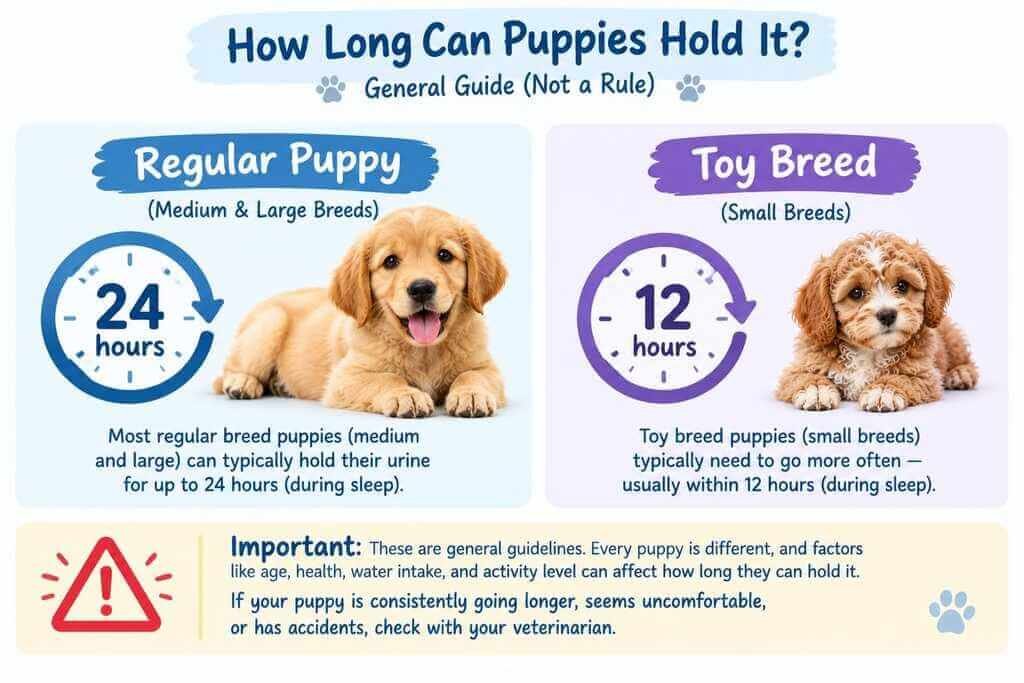
Toy breed puppies face a shorter window than larger breeds. They are prone to hypoglycemia, a dangerous drop in blood sugar. Toy breeds need attention after around 12 hours without food, not 24. Puppies are also more prone to dehydration than adult dogs, which adds another layer of urgency to any prolonged appetite loss situation.
Common Causes of a Puppy Suddenly Refusing to Eat
A puppy refusing to eat suddenly can stem from several different causes, ranging from mild to serious. Understanding the full range helps you gauge how urgently to respond.

- Teething discomfort. Sore gums can make chewing kibble genuinely painful for a few days.
- Stress or environmental change. A new home, new people, loud noises, or a change in routine can all suppress appetite temporarily.
- Recent vaccination. Mild appetite loss for a day after routine shots is common and usually resolves on its own.
- Overfeeding or treats. A puppy who is simply full from too many treats may skip a scheduled meal.
- Food changes. Cold food straight from the fridge, stale kibble, or a recent diet switch can all reduce appeal.
- Gastritis. Stomach inflammation, often from diet changes or eating something they should not have, is one of the most common medical causes of appetite loss.
Serious Causes That Need Immediate Vet Attention
A few underlying causes require prompt veterinary care rather than a wait-and-see approach.
Parvovirus is the top concern vets rule out in young puppies who suddenly stop eating, especially when paired with vomiting or diarrhea. This is a serious, potentially life-threatening illness in unvaccinated or partially vaccinated puppies. Dental pain, digestive obstructions, and other underlying illnesses can also cause sudden appetite loss.
None of this is something to diagnose at home on your own. A vet exam is the only way to know what is actually going on with your individual puppy’s specific situation.
What to Do If Your Puppy Refuses to Eat Suddenly
Start by observing rather than panicking right away. Check whether your puppy seems otherwise normal. Are they playful? Alert? Having normal bowel movements?
If your puppy seems fine aside from skipping one meal, you can monitor them closely for now. Try warming their food slightly, or adding a small amount of low-sodium chicken broth to make it more appealing. Offer the meal again at the next scheduled feeding time rather than leaving food out constantly throughout the day.
If your puppy skips more than one meal, or shows any other symptoms, do not keep waiting. Call your vet.
What Not to Do
A few common reactions can make the situation worse or delay necessary care for your puppy.
- Do not assume it is just pickiness without watching closely. Sudden total refusal is a different pattern than typical fussy eating.
- Do not wait through multiple skipped meals hoping it resolves. Puppies decline faster than adult dogs when they are not eating.
- Do not try unproven home remedies for a puppy who seems genuinely unwell. Vomiting, lethargy, or diarrhea alongside appetite loss calls for a vet, not a home fix.
- Do not force-feed a puppy who is actively vomiting. This can make things worse and should only be done under veterinary guidance.
When to Call the Vet Right Away
Some situations call for immediate veterinary attention rather than a wait-and-see approach at home.
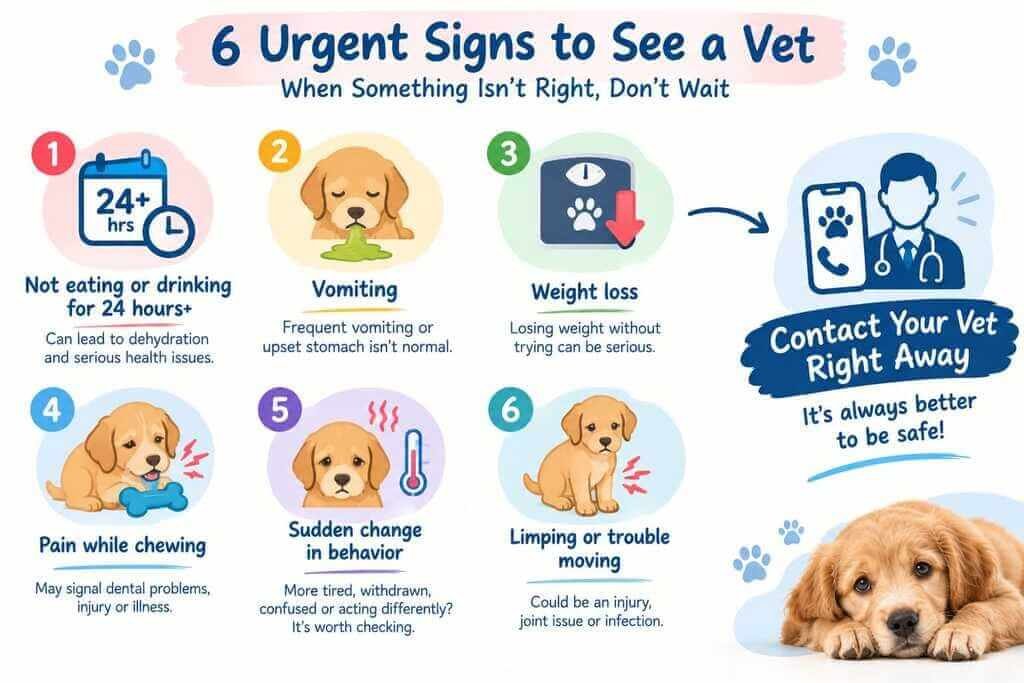
- No food for more than 24 hours, or more than 12 hours for a toy breed puppy
- Vomiting or diarrhea alongside the appetite loss
- Visible lethargy or unusual weakness
- Signs of pain, such as whining or reluctance to move
- Increased thirst or urination alongside reduced appetite
- Any puppy who is unvaccinated or only partially vaccinated showing these signs
The American Veterinary Medical Association recommends prompt veterinary evaluation whenever a puppy shows sudden appetite loss combined with other symptoms, since early intervention often leads to better outcomes. The VCA Animal Hospitals notes that gastritis, or stomach inflammation, is among the most common causes of appetite loss in dogs, though it stresses that any sudden change in a puppy’s eating habits deserves a proper veterinary exam rather than guesswork at home.
Tracking Your Puppy’s Eating Pattern
Keeping a simple log helps you and your vet spot patterns quickly if a puppy refusing to eat suddenly becomes a recurring issue rather than a one-time event. Note the date, how much your puppy ate, and any other symptoms you noticed that day.
This record becomes genuinely useful information during a vet visit. It helps your vet understand whether this is truly sudden and isolated, or part of a slower pattern you had not fully connected until reviewing it together with them.

Frequently Asked Questions
How long can a puppy go without eating before it’s dangerous?
Most puppies should not go more than 24 hours without food. Toy breed puppies need attention sooner, typically within 12 hours, due to their higher risk of low blood sugar.
Is it normal for a puppy to skip one meal?
Occasionally skipping a single meal, especially if your puppy seems otherwise normal and active, is usually not an emergency. Repeated refusal or other symptoms change that picture.
Can vaccines cause a puppy to stop eating?
Yes, mild appetite loss for about a day after routine vaccinations is common and typically resolves on its own without treatment.
What is the most serious cause of sudden appetite loss in puppies?
Parvovirus is the top concern vets check for in young, unvaccinated or partially vaccinated puppies, especially when vomiting or diarrhea are also present.
Should I try home remedies if my puppy won’t eat?
Only if your puppy seems otherwise healthy and has skipped just one meal. Warming food or adding a small amount of low-sodium broth can help. Vomiting, lethargy, or diarrhea call for a vet visit instead.
What is the difference between a picky eater and a puppy suddenly refusing to eat?
A puppy refusing to eat suddenly is a distinct pattern from ordinary picky eating. Picky eating develops gradually and often includes accepting treats while refusing regular food. Sudden total refusal deserves faster attention and closer monitoring.
Final Takeaway
A puppy refusing to eat suddenly is worth taking seriously, especially compared to ordinary picky eating. Watch closely for other symptoms, know the 24-hour rule, and do not hesitate to call your vet if anything seems off.
If your puppy is more of a fussy, gradual picky eater rather than a sudden total refusal, our Puppy Won’t Eat Kibble: 7 Tips That Actually Work guide covers that different situation. Our general guide to Common Pet Health Problems covers broader signs worth watching for, and our How to Take Care of a Puppy guide covers the basics of the first few months home.
This article is for general education and is not a substitute for veterinary diagnosis or advice. Always consult your veterinarian with specific concerns about your puppy’s health.
Author Bio
David Jason is the founder of My Pet Care Tips. He writes practical, research based guides to help pet owners raise healthier, happier dogs and cats. His content focuses on clear, beginner friendly advice backed by trusted veterinary resources and real world pet care best practices.