
Bringing a puppy home is one of the most exciting moments of your life. That little ball of energy will quickly become your best friend.
But those first few weeks are crucial. How you handle them sets the foundation for the rest of your dog’s life.
If you are a first-time puppy owner, you probably have a lot of questions. Should I get a crate? How often do I feed her? When does she need shots? What if she has an accident in the house?
This complete guide answers all of those questions and more. By the end, you will know exactly how to take care of a puppy from day one.
Short Answer
Taking care of a puppy means providing age-appropriate food, fresh water, a safe sleeping area, regular veterinary care, gentle training, daily play, grooming, and positive socialization. Start with a simple daily routine and adjust it as your puppy grows.
Arrange a veterinary checkup soon after bringing your puppy home. Your vet can recommend an appropriate vaccination and parasite-prevention plan, feeding amounts, and safe ways to introduce your puppy to new people and environments.
If you are a first-time owner, focus on five essentials first: safety, nutrition, potty training, rest, and preventive veterinary care.
Puppy Care Checklist Before Bringing Your Puppy Home
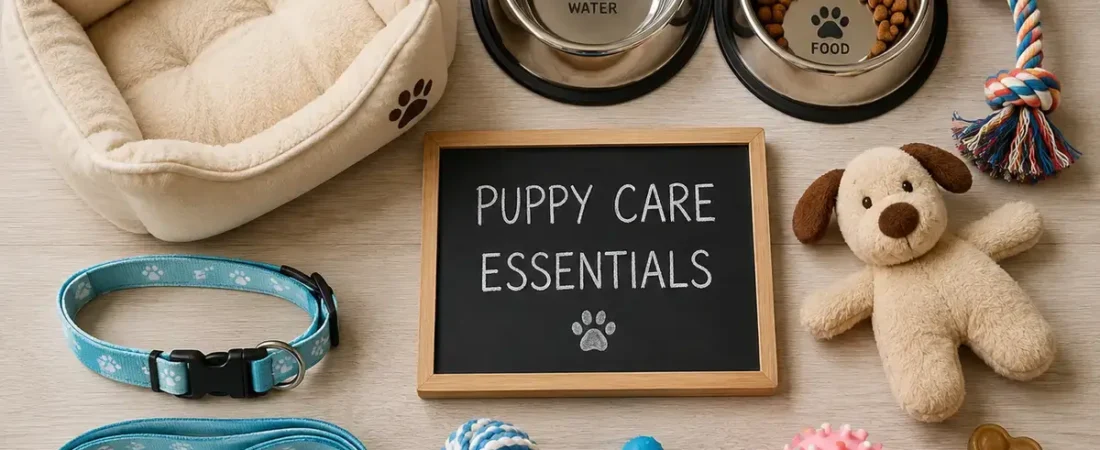
Before your puppy arrives, make sure you have everything ready. Being prepared makes the transition easier for both of you.
Food and Water Bowls
Get two stainless steel bowls, one for food and one for water. Stainless steel is best because it does not stain and is easy to clean. Avoid plastic, which can harbor bacteria.
Crate
A crate becomes your puppy’s safe space. Choose one that is appropriately sized. Your puppy should be able to stand, turn around, and lie down comfortably. Too large and she may use one corner as a bathroom.
Bed and Blankets
Give your puppy a comfortable place to sleep. A dog bed or blankets work well. Include something with your scent on it to help her feel safe during the first nights away from her mother.
Toys
Get a variety of toys for play and mental stimulation. Rope toys, balls, and chew toys are all good options. Rotate toys to keep her interested.
Collar and Leash
Start with an adjustable collar and a 6-foot leash. You will need to replace the collar as your puppy grows, so do not spend too much at first.
Puppy-Proofing Supplies
Baby gates help confine your puppy to safe areas. Outlet covers and cord covers prevent dangerous chewing.
How to Prepare Your Home for a Puppy
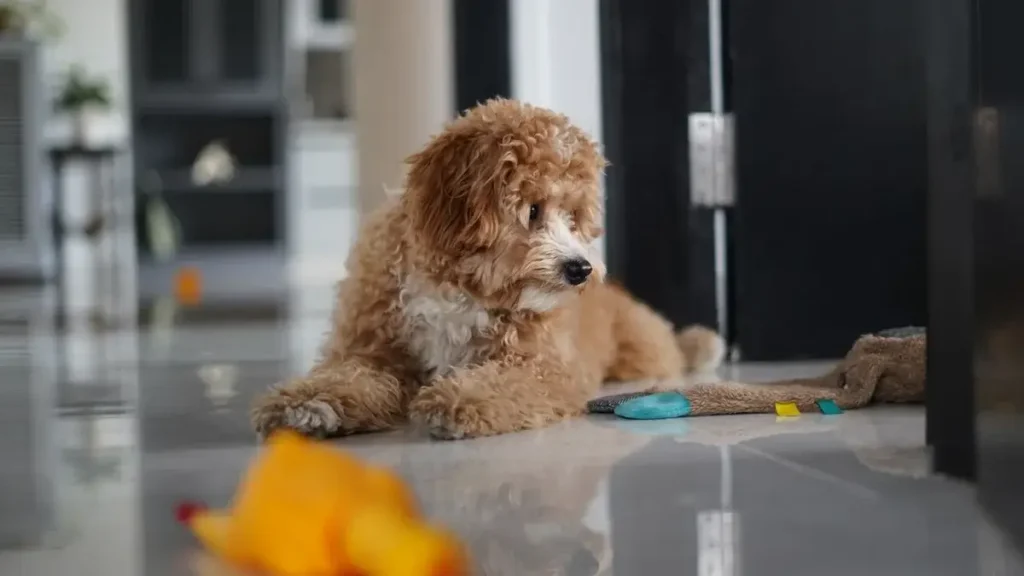
Puppy-proofing is essential. Puppies explore the world with their mouths, so everything within reach needs to be safe.
Puppy-Proofing Your Space
Get down on your hands and knees and look at your home from a puppy’s perspective. What can she reach? What looks interesting to chew?
Remove or secure electrical cords, books on low shelves, and anything small enough to swallow. Use baby gates to block off areas you cannot fully puppy-proof yet.
Dangerous Foods
Keep chocolate, grapes, raisins, onions, garlic, products containing xylitol, and other potentially harmful foods out of your puppy’s reach. Some foods can cause serious illness even in relatively small amounts, depending on the substance and the amount eaten.
If your puppy eats something potentially toxic, contact a veterinarian or an animal poison-control service promptly rather than waiting for symptoms. See our guide to human foods dangerous for dogs for more information.
Toxic Plants
Check the plants in your home and yard before allowing your puppy to explore freely. Some common ornamental plants can be toxic to pets, and the level of risk varies by plant and species. Keep unfamiliar plants out of reach until you have verified their safety.
If you suspect your puppy has chewed a poisonous plant, contact your veterinarian promptly. The ASPCA’s toxic and non-toxic plant database is a useful resource for checking specific plants.
Safe Sleeping Area
Create a designated sleeping area for your puppy. A crate or pen works well. This gives her a secure space and helps with house training.
Place the crate where your family spends time, like the living room, so your puppy does not feel isolated at night.
Feeding Your Puppy Properly
Proper nutrition during puppyhood is critical for growth and development. Get this right from the start.
Puppy Feeding Schedule
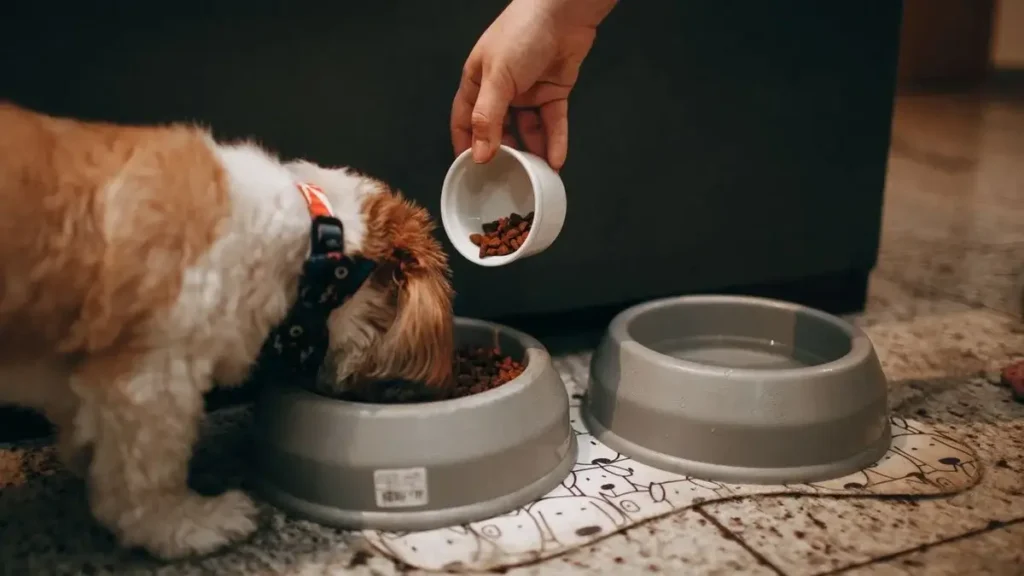
Young puppies generally need several small meals throughout the day. Many puppies between 8 and 12 weeks eat three or four meals daily, while older puppies can often transition to fewer meals as they grow.
The right schedule depends on your puppy’s age, breed size, health, and the feeding instructions for the food you choose. Follow the package guidance and your veterinarian’s advice, and measure portions rather than feeding unlimited amounts.
Water
Fresh water should always be available. Change it multiple times daily, especially during hot weather. Puppies need water more frequently than adults because they cannot regulate their temperature as well.
If your puppy seems to be drinking excessively, consult your vet, as this can be a sign of health issues. Our guide on dog dehydration symptoms explains what to watch for.
Best Food for Puppies
Choose a complete and balanced puppy food formulated for your puppy’s life stage and expected adult size. Check the nutritional adequacy statement on the label and follow the feeding guidance for your puppy’s weight and growth. Large-breed puppies may need food specifically formulated for controlled growth.
Do not choose a food based on the first ingredient alone. If you are unsure which formula is appropriate, ask your veterinarian for guidance. For more information, read our guide to best dog food for healthy growth and strong bones.
Foods to Avoid
Beyond the toxic foods mentioned earlier, avoid table scraps and people food. Human food is too rich and can cause digestive upset or obesity. Stick to quality puppy food and approved treats only.
Puppy Sleep and Daily Routine
Young puppies sleep a lot. This is normal and necessary for their development.
How Much Puppies Sleep
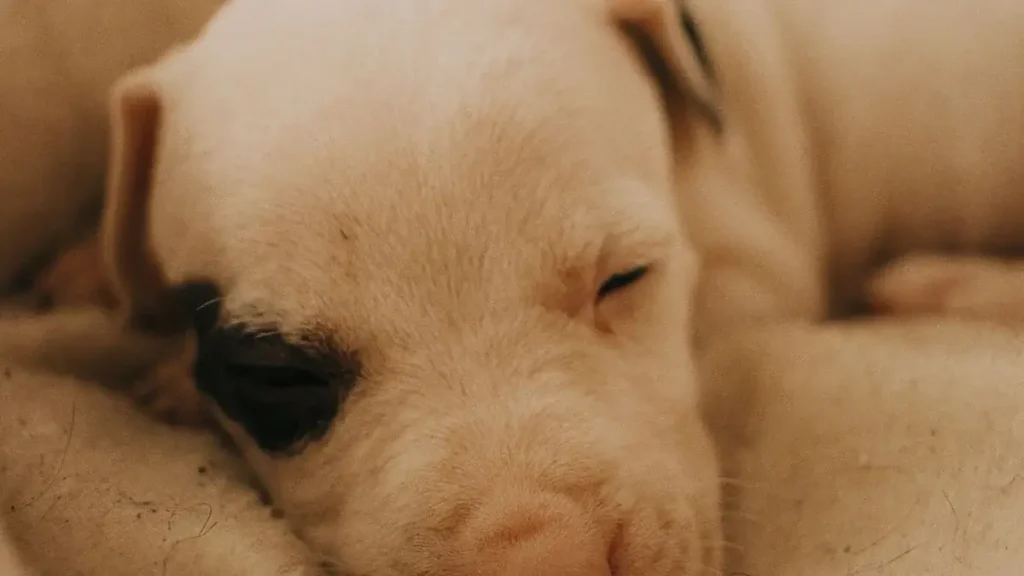
Puppies sleep 15 to 20 hours per day. This sounds like a lot, but it is how they grow. During these sleep hours, their bodies are developing rapidly.
Your puppy will have short bursts of intense play followed by deep sleep. This pattern is completely normal.
Establishing a Daily Routine
Puppies thrive on routine. Pick specific times for meals, outdoor potty breaks, play, training, and sleep.
A typical day might look like this:
7 AM: Wake up, potty break, breakfast. 8 AM: Play and training. 9 AM: Nap. 12 PM: Lunch and potty break. 1 PM: Play and exploration. 3 PM: Nap. 5 PM: Dinner and potty break. 6 PM: Family playtime. 8 PM: Bedtime routine.
Consistency helps your puppy feel secure and makes house training easier.
Night Routine
Create a calm bedtime routine. This signals to your puppy that it is time to sleep. Take her outside for a final potty break, then settle her into her crate or bed.Do not play with her just before bed. A quiet environment helps her wind down.
Exercise and Playtime
Exercise is important for puppies, but too much can be harmful to developing bones.
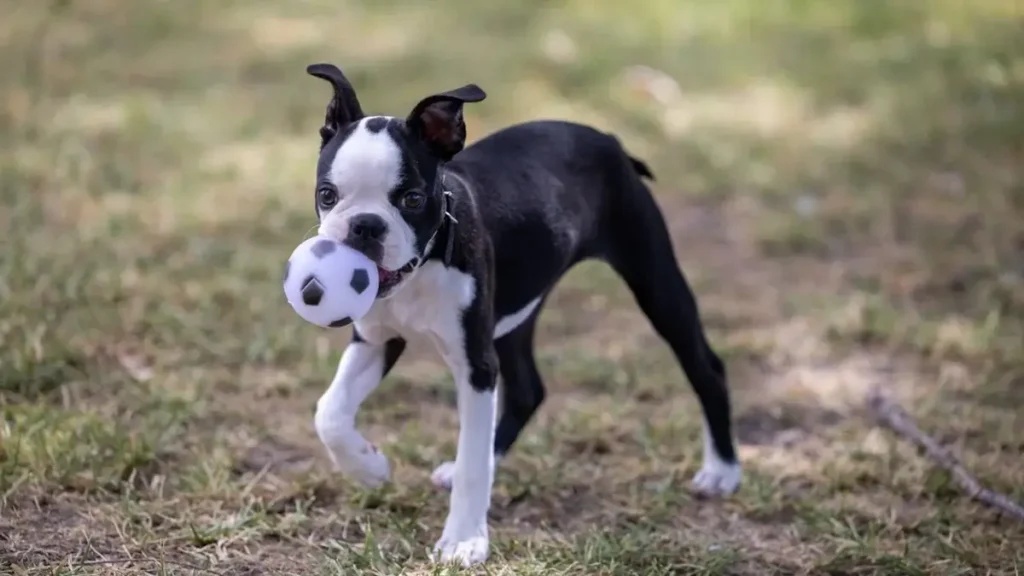
Safe Exercise for Puppies
Puppies benefit from short, age-appropriate play sessions, gentle exploration, and positive training. Avoid forcing a young puppy into prolonged running, repetitive jumping, or strenuous exercise, particularly on hard surfaces.
Watch your puppy for signs of tiredness and allow plenty of rest between activities. Exercise needs vary by breed, age, health, and individual development, so ask your veterinarian about appropriate activity for your puppy.
For more guidance, see our dog exercise routine guide and choose activities suited to your puppy rather than an adult dog.
Mental Stimulation
Mental exercise is just as important as physical exercise. A bored puppy becomes a destructive puppy.
Puzzle toys, training sessions, and interactive play all provide mental stimulation. Hide treats in toys to encourage problem-solving.
Interactive Toys
Toys like Chuckit launchers make playtime interactive and fun. Rope toys are great for tug games. Balls encourage chase and fetch.
Rotate toys every few days to keep your puppy interested. Check out our guide on best dog toys for active dogs for more options that work with puppies.
For a structured approach to exercise, see our dog exercise routine guide which explains appropriate activity levels by age.
Grooming and Hygiene
Grooming is not just about looking good. It keeps your puppy healthy and comfortable.
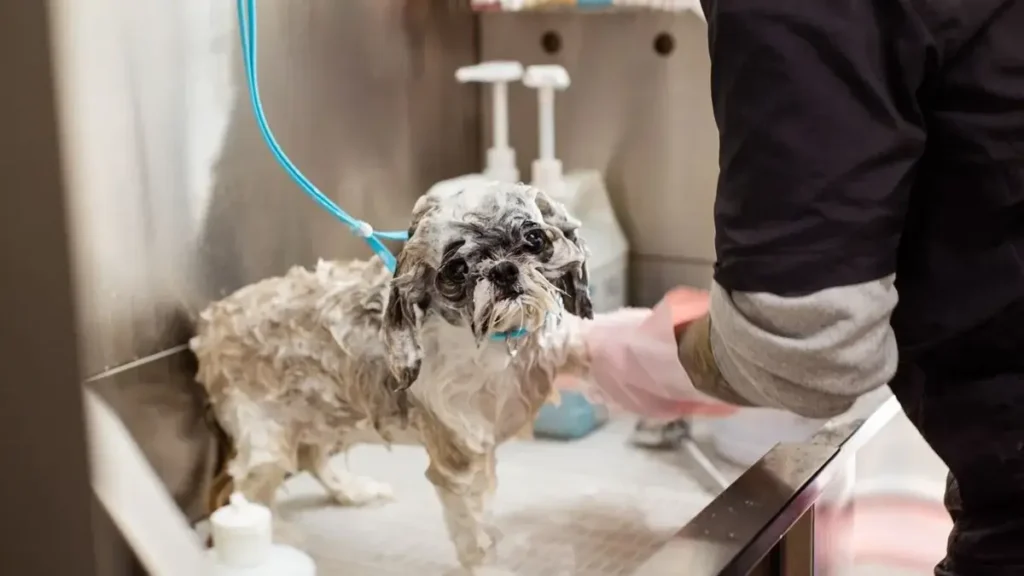
Bathing Your Puppy
Puppies do not need frequent baths. Once a month is usually enough unless they get particularly dirty.
Use warm water and a gentle, puppy-safe shampoo. Be careful around her eyes and ears. Make bath time positive with treats and praise.
For guidance on bathing frequency, check our article on how often should you bathe your dog which covers different coat types and ages.
Brushing
Even short-haired puppies benefit from regular brushing. This removes loose hair and helps you bond.
Brush 2 to 3 times per week. Long-haired puppies need daily brushing to prevent matting.
For detailed techniques, see our guide on dog grooming tips at home which includes step-by-step instructions.
Nail Trimming
Trim your puppy’s nails every 3 to 4 weeks. If you hear her nails clicking on the floor, they are too long.
If you are not comfortable doing this, your vet or groomer can do it for you.
Teeth Care
Start dental care early. Brush your puppy’s teeth several times per week with dog toothpaste.
This prevents plaque buildup and keeps her breath fresh. Good dental habits now prevent expensive dental problems later.
For comprehensive grooming information, check best dog shampoo for skin care which explains different coat requirements.
Puppy Vaccinations and Vet Visits
Vaccinations are one of the most important things you will do for your puppy. They protect her from serious, often fatal diseases.
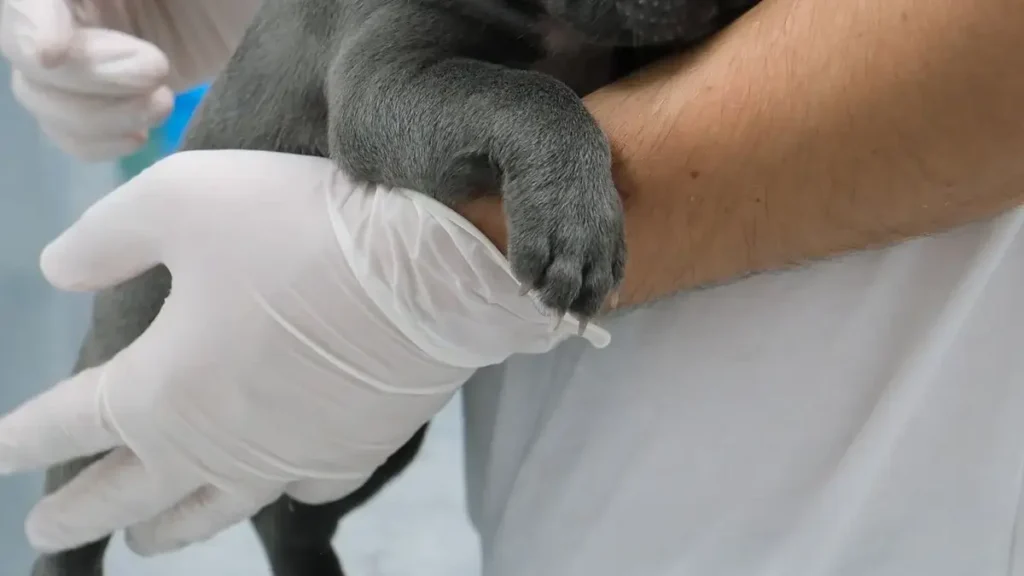
What Shots Does a Puppy Need?
Puppies need core vaccines that protect against distemper, parvovirus, and rabies. According to the American Kennel Club, most puppies receive their first vaccines at 6 to 8 weeks of age.
Other vaccines may be recommended based on your puppy’s lifestyle and local disease risk. Your vet will advise you on which ones are necessary.
Vaccination Schedule
Puppy vaccination schedules depend on age, previous vaccinations, health, local disease risks, and applicable rabies vaccination requirements. Your veterinarian will recommend when to begin vaccinations, which doses are needed, and when boosters should be given.
Bring any vaccination and medical records you received from the breeder, shelter, or previous owner. If records are missing, tell your veterinarian so they can determine the appropriate next steps.
Do not delay veterinary care while trying to follow a generic online schedule. A personalized plan is the safest way to protect your puppy.
Deworming
Puppies are commonly born with intestinal parasites. Your vet will deworm your puppy starting at her first visit.
Deworming typically happens every 2 weeks until 12 weeks of age, then monthly until 6 months old.
First Vet Visit
Schedule your puppy’s first vet appointment within the first few days of bringing her home. This establishes baseline health and identifies any issues early.
Bring any health records from the breeder or shelter. Your vet will examine your puppy completely and answer all your questions.
Basic Puppy Training
Training starts immediately. The sooner you begin, the better.
Potty Training
Potty training takes patience and consistency. Take your puppy outside frequently, especially after meals, after naps, and before bed.
Praise and treat her immediately when she goes in the right place. Do not punish accidents, as this creates fear and confusion.
Most puppies can hold it for about one hour per month of age. A 3-month-old can typically hold it for about 3 to 4 hours.
Name Recognition
Start teaching her name immediately. Use it in happy, positive situations. When she looks at you, praise and treat.
Never use her name in a negative way or for punishment.
Basic Commands
Teach sit first. It is the easiest command and builds confidence. Once she knows sit, move to come, then down.
Use high-value treats and keep training sessions short, just 5 to 10 minutes.
Positive Reinforcement
Always use positive reinforcement. Puppies learn best through rewards, not punishment.
Reward good behavior immediately so she makes the connection. This builds her confidence and makes training fun.
For detailed training techniques, see our guide on how to train a puppy at home which covers all the foundational commands.
Socialization
Socialization is learning to interact confidently with people, other dogs, and new environments.
Exposing Your Puppy to Other Dogs
Introduce your puppy to suitable, healthy, and appropriately vaccinated dogs in controlled environments when your veterinarian considers it safe. Avoid unknown dogs and areas where potentially infectious waste may be present until you have received advice about local disease risks.
A well-managed puppy class may also help with early learning and social skills. Ask your veterinarian which classes and environments are appropriate for your puppy’s vaccination stage.
Sounds and New Environments
Gradually introduce your puppy to everyday household sounds, different surfaces, gentle handling, car rides, and unfamiliar people. Keep each experience calm and positive, and allow your puppy to move away if they seem frightened or overwhelmed.
Socialization does not mean exposing a puppy to everything at once. The goal is to help them become comfortable with normal experiences while protecting their health and emotional well-being.
Critical Window
The most critical socialization period is between 3 and 12 weeks of age. Experiences during this time shape her personality for life.
Make the most of this window by exposing her to as many positive experiences as possible.
Common Mistakes New Puppy Owners Make
Learning from others’ mistakes can save you trouble.
Overfeeding
Overfeeding leads to obesity and puts stress on developing joints. Follow the feeding guidelines on your puppy food and measure portions carefully.
Do not give too many treats. They should be no more than 10 percent of daily calories.
Skipping Vaccinations
Some new owners delay vaccines to save money. This is a serious mistake. Puppies are vulnerable to deadly diseases.
Vaccination is one of the best investments you can make for your puppy’s health.
Too Much Exercise
Puppies have fragile bones and joints. Excessive exercise or jumping can cause permanent damage.
Follow the 5-minute-per-month guideline and avoid hard surfaces and jumping until she is fully grown.
Using Punishment
Punishment does not work with puppies. It creates fear and damage your bond.
Always use positive reinforcement. Reward the behavior you want to see more of.
Lack of Routine
Without a predictable routine, puppies may find it harder to learn when to eat, rest, play, and go to the bathroom. Set consistent times for meals, potty breaks, training, and sleep, while allowing adjustments for your puppy’s age and individual needs.
Frequently Asked Questions
How do you take care of a puppy for beginners?
Feed quality puppy food 3 to 4 times daily, provide fresh water constantly, establish a daily routine, start vaccinations immediately, begin basic training, and socialize her with people and environments. Schedule regular vet checkups and be patient as she learns.
How often should you feed a puppy?
Many young puppies eat three or four small meals a day. As they grow, they can often transition to fewer meals. The right schedule depends on age, breed size, health, and the food being fed. Follow the food label and your veterinarian’s advice, and measure portions to support healthy growth.
How much sleep does a puppy need?
Puppies sleep 15 to 20 hours per day. This is normal and necessary for growth. She will sleep heavily after play and training sessions.
When should you take a puppy to the vet?
Schedule a vet appointment within the first few days of bringing your puppy home. Then follow the vaccination schedule, which typically means vet visits at 6, 10, 14, and 16 weeks of age.
What do puppies need on the first day home?
Food and water bowls, a crate, a bed, toys, a collar and leash, and patience. Keep the first day calm and quiet. Let her explore at her own pace. Take her outside frequently for potty breaks.
How do you potty train a puppy?
Take your puppy to the designated potty area after waking, after meals, after play, and whenever they show signs of needing to go. Reward success immediately with praise or a small treat. Keep a consistent schedule, supervise your puppy closely, and clean accidents thoroughly without punishment. Progress varies, so adjust the routine as your puppy grows.
When can puppies go outside?
Puppies can begin experiencing the world in safe, controlled ways before their entire vaccination series is complete, but the type of exposure matters. Avoid high-risk areas and unknown dogs until your veterinarian advises that they are safe. Ask your vet about appropriate outdoor potty locations, puppy classes, and socialization opportunities in your area.
How often should puppies be bathed?
Once a month is usually enough unless they get very dirty. Use warm water and gentle, puppy-safe shampoo. Too frequent bathing can dry out her skin.
Final Thoughts
Taking care of a puppy requires time, patience, and consistency. Those first months set the foundation for the rest of her life.
Stay consistent with feeding, training, and socialization. Do not skip veterinary care. Invest in prevention through vaccinations and parasite control.
Most importantly, enjoy this special time. Puppyhood goes by quickly. The effort you put in now will pay off with a well-behaved, healthy, and happy adult dog.
For more guidance on specific topics, check our articles on pet emergency signs so you know when to seek immediate help, and review heat stroke prevention in dogs to keep your puppy safe during warm weather.
Related Articles : Signs Your Puppy Needs to Go Potty and Puppy Potty Training Mistakes and Stubborn Puppy Potty Training and Why Is My Puppy Pooping in the Crate at Night? And Puppy Potty Training Regression.
About the Author
David Jason has over 8 years of experience helping pet owners understand their dogs and cats. He shares practical, real world advice through mypetcaretips.com.