

Your puppy was calm five minutes ago. Now they are sprinting laps around the living room. This is puppy zoomies at night, and almost every new owner experiences it at some point.
The good news is simple. This behavior is normal. It rarely means anything is wrong.
Quick answer: Puppy zoomies at night happen because puppies are burning off leftover energy before settling down to sleep. Vets call this a Frenetic Random Activity Period, or FRAP. It is most common in the evening, after baths, after meals, or after a walk. Most puppies outgrow the intensity of this behavior between 1 and 2 years old.
What Are Puppy Zoomies at Night?
Zoomies are sudden bursts of high-energy activity. Your puppy runs in circles. They dash around furniture. They stop and start without warning.
Vets sometimes call this a FRAP, short for Frenetic Random Activity Period. It sounds clinical, but it just describes a burst of pure puppy energy. The episode usually lasts a few minutes. Then your puppy settles down just as quickly as they started.
Why Do Puppies Get Zoomies at Night?
Evenings are a common trigger for this behavior. Puppies build up energy throughout the day. Many spend hours resting, napping, or confined in a crate while you work or run errands.
By evening, that pent-up energy needs somewhere to go. Puppy zoomies at night often show up right when your household starts winding down. Your puppy has other plans. They still have energy left to burn before bed.
Common Triggers for Puppy Zoomies
A few specific moments tend to set off a zoomies episode.
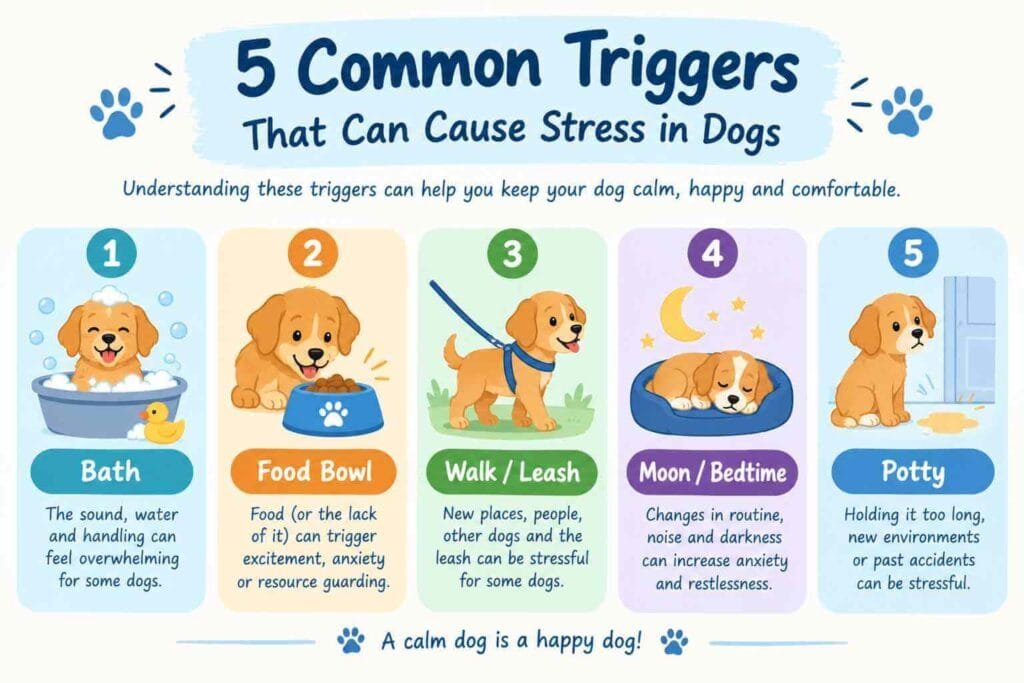
- After a bath. The relief of being done, combined with a rush of endorphins, often sparks a wild sprint.
- After eating. A sudden burst of energy from food can trigger a quick lap around the house.
- After a walk. This might seem backward, but exercise can release endorphins that spark extra excitement rather than calm your puppy down.
- Right before bed. Many puppies seem to sense bedtime is coming and squeeze in one last burst of play.
- After pooping. Some puppies celebrate finishing their business with a triumphant sprint.
Is It Normal or Something to Worry About?
Yes, this is normal. Puppy zoomies at night are a healthy way for young dogs to release excess energy. Almost every puppy goes through this phase.
The behavior is not a sign of poor training. It is not a behavior problem either. It is simply a young, developing nervous system working through a burst of energy the only way it knows how.
How to Manage Puppy Zoomies at Night
You cannot eliminate zoomies completely, and you probably should not try. You can reduce how often intense nighttime episodes happen.

Increase Daytime Exercise
A puppy who gets enough physical activity during the day has less pent-up energy by evening. Structured walks, play sessions, and active games all help drain that extra energy before it builds up too much.
Add Mental Stimulation
Physical exercise is not the whole picture. Puzzle feeders, short training sessions, and sniff-based activities tire out your puppy’s brain. A mentally tired puppy often settles faster than one who only got physical exercise.
Build a Consistent Bedtime Routine
A predictable wind-down routine signals to your puppy that sleep is coming. Calm activities before bed, like a slow walk or quiet cuddle time, help ease the transition instead of fighting against it.
Let the Episode Run Its Course
Once a zoomies episode starts, it usually only lasts a few minutes. Trying to stop it mid-burst rarely works well. Give your puppy space to run safely, then redirect to calm activity once the energy burns off.
Keeping Your Puppy Safe During a Zoomies Episode
Safety matters more than stopping the behavior. Clear breakable items from the immediate area before your puppy’s typical zoomies time. Puppies running at full speed do not always watch where they are going.

Check that floors are not too slippery, since hard sprints and sudden turns can cause slips or minor injuries. If your puppy tends to zoom near stairs or furniture edges, block off that area during high-energy times until they grow out of the behavior.
When Do Puppies Outgrow Zoomies?
Most puppies show less intense zoomies behavior somewhere between 1 and 2 years old. The exact timing depends on breed, individual energy level, and overall temperament.
Adult dogs still get zoomies occasionally. The frequency and intensity typically drop off significantly once a dog matures past the puppy and adolescent stages.
When to Talk to Your Vet
Most puppy zoomies at night need no intervention at all. A few situations are worth a vet conversation.
- Zoomies paired with aggression, biting, or destructive behavior
- Episodes that seem to cause your puppy pain or distress rather than joy
- Sudden changes in the pattern or intensity of zoomies
- Zoomies that happen so frequently they disrupt your household constantly
The American Kennel Club describes zoomies as a completely normal behavior, most common in puppies and younger dogs with extra energy to release. If frequent zoomies seem tied to insufficient exercise, the American Veterinary Medical Association recommends evaluating your dog’s overall daily activity levels and consulting your vet if anything about the behavior seems unusual or concerning.
Frequently Asked Questions
Why does my puppy get crazy energy bursts at night?
This is commonly called zoomies, or a Frenetic Random Activity Period. It happens because your puppy is releasing built-up energy before settling down for sleep.
Are puppy zoomies at night a sign of a behavior problem?
No. This is a normal developmental behavior, not a training issue or a sign that something is wrong with your puppy.
How long do puppy zoomies usually last?
Most episodes last just a few minutes. Your puppy typically settles down on their own once the burst of energy runs its course.
Can I stop my puppy from getting zoomies?
You cannot eliminate the behavior entirely, and you likely should not try. You can reduce frequency with more daytime exercise and mental stimulation.
At what age do puppies stop getting zoomies?
Most puppies show less intense zoomies behavior between 1 and 2 years old, though adult dogs can still get occasional bursts of energy.
Should I be worried if my puppy gets zoomies every night?
Not usually. Nightly zoomies are common, especially in young, energetic puppies. Talk to your vet if the behavior seems paired with distress or aggression.
Final Takeaway
Puppy zoomies at night are a normal, healthy part of raising a young dog. Your puppy is simply burning off the last of their energy before bed. A consistent routine, enough daytime exercise, and some patience will get you through this phase.
Our Dog Exercise Routine Guide covers how much daily activity helps drain that extra energy. If bedtime itself is a struggle, our Puppy Sleep Schedule by Age guide covers what to expect at each stage. For broader training foundations, our How to Train a Puppy at Home: Beginners Guide is a helpful next stop.
Author Bio
David Jason is the founder of My Pet Care Tips. He writes practical, research based guides to help pet owners raise healthier, happier dogs and cats. His content focuses on clear, beginner friendly advice backed by trusted veterinary resources and real world pet care best practices.