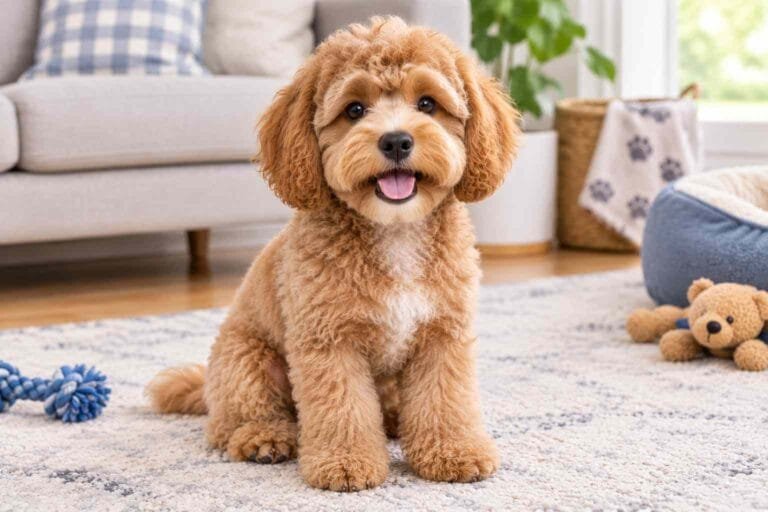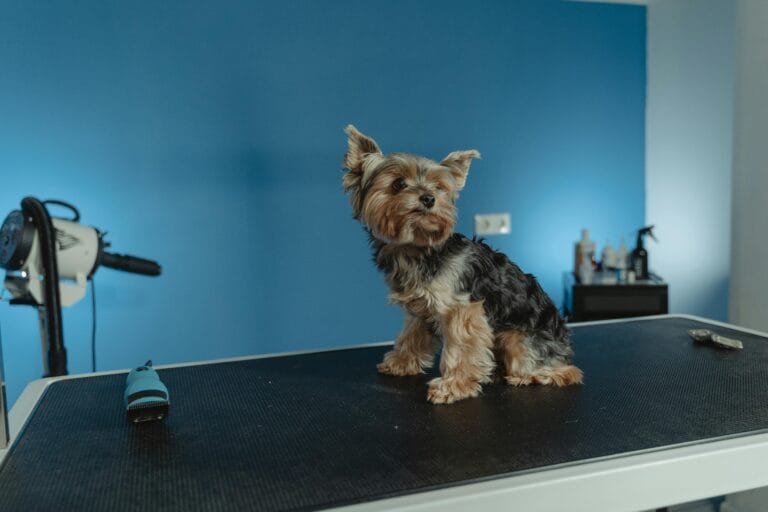
The best Shih Tzu haircuts are the ones that suit your dog’s coat, comfort and the amount of grooming you can realistically manage. A short puppy cut is often the easiest everyday option, while a teddy bear cut keeps a rounded face, a lion cut leaves a fuller mane, and a long show-style coat takes much more daily care.
Shih Tzu haircut names are not used exactly the same way by every salon. Two groomers may describe different lengths as a “puppy cut,” so a reference photo and a clear discussion of body length, face shape, ears and tail are more useful than the style name alone.
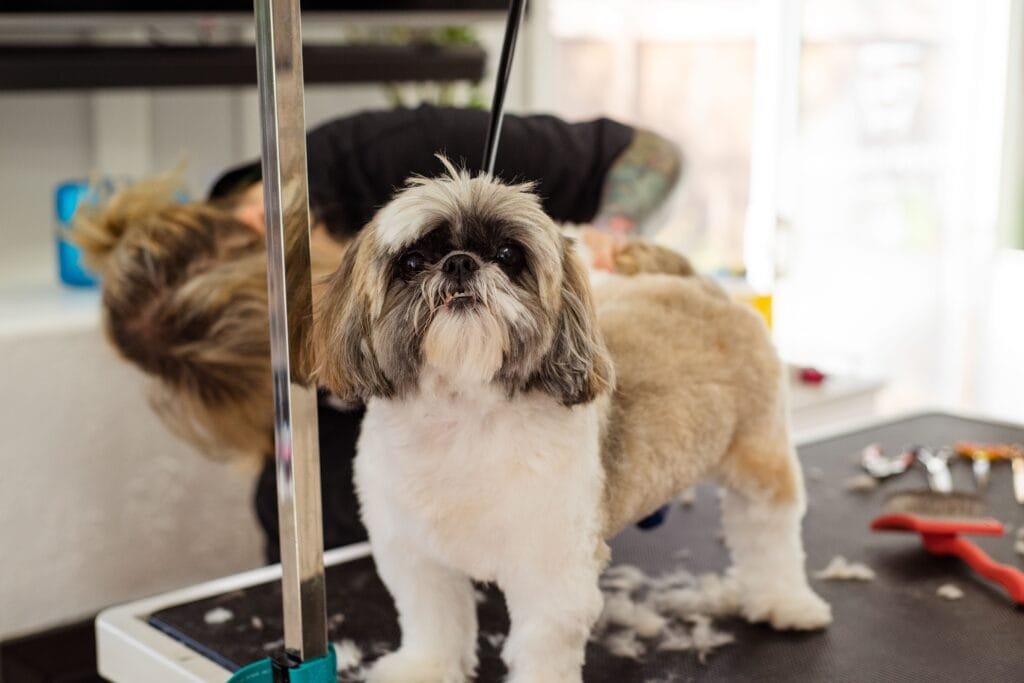
If you are comparing Shih Tzu haircut styles, start with the amount of brushing you can do between appointments. The right cut should look good, keep the hair manageable and leave your dog comfortable. Here are eight styles to discuss with a professional groomer, plus a simple way to explain exactly what you want.
Shih Tzu Haircuts at a Glance
| Haircut style | What it looks like | Upkeep at home | Good fit for |
|---|---|---|---|
| Puppy cut | Short, even body trim | Lower, but still needs regular brushing | Busy households and active pets |
| Teddy bear cut | Rounded, fuller face with a trimmed body | Moderate; face hair needs attention | Owners who like a soft, rounded look |
| Summer or utility trim | Short, practical coat with tidy feet and face | Lower to moderate | Owners who want an easy-to-clean style |
| Lion cut | Short body with a fuller head and tail | Moderate around longer sections | Owners who want a distinctive outline |
| Lamb leg cut | Shorter body with longer, shaped legs | Moderate; leg coat needs combing | Owners who want a little extra shape |
| Long or show-style coat | Long, flowing hair with a topknot | High; daily coat care | Owners who enjoy detailed grooming |
| Practical topknot | Shorter body with head hair tied up | Moderate; topknot needs daily attention | Owners who want hair kept away from the eyes |
| Long-ear puppy trim | Shorter body with longer ears | Moderate; ears can tangle | Owners who like a softer outline |
These are descriptive salon styles, not eight official breed-standard cuts. A groomer may combine features from more than one option. Always agree on the actual length and finish before the clippers come out.
8 Shih Tzu Haircut Styles to Consider
1. Puppy Cut
The Shih Tzu puppy cut is a short, practical trim that keeps the body at a fairly even length. The face, feet and sanitary areas can be shaped separately, depending on the dog’s coat and the owner’s preference. Despite the name, this cut is not just for puppies. Adult Shih Tzus can wear it too.
Many owners choose this style because a shorter coat is easier to wash, dry and keep free of outdoor debris. It can also make daily brushing less time-consuming than maintaining a full-length coat. It does not remove the need to check for tangles, especially behind the ears, under the legs and around the collar.
There is no single length that every salon means by “puppy cut.” Published grooming guides describe different lengths, so tell the groomer how much coat you want left rather than relying on the name. You can say, for example, “Please keep the body short but not shaved close to the skin, and show me the length before you start.”
2. Teddy Bear Cut
The teddy bear cut is recognized by its soft, rounded face. The cheeks and muzzle are shaped to create a plush appearance, while the body can be short, medium or longer. That is why two Shih Tzus can both have a teddy bear face and still have noticeably different body haircuts.
This style is a good option if you like a round face but do not want a full show coat. The main trade-off is the hair around the muzzle, cheeks and ears. Those areas can collect food and moisture and may tangle, so they need regular combing and sensible trimming.
Ask the groomer to keep the eyes clearly visible and the muzzle comfortable to maintain. If your dog dislikes face handling, let the groomer know before the appointment rather than insisting on a very sculpted finish.
3. Summer Cut or Short Utility Trim
A summer cut is usually a shorter, practical version of a pet trim. The body is clipped close enough to make routine coat care easier, while the face, ears and tail can be left a little fuller if you prefer. Some salons use “summer cut” and “puppy cut” almost interchangeably.
This style can suit dogs that spend time outdoors, get dirty easily or become uncomfortable when their coat is difficult to maintain. However, the shortest possible haircut is not automatically the best choice for warm weather. A haircut does not replace shade, fresh water, indoor cooling or sensible limits on activity during hot conditions.
Ask your groomer to choose a suitable length for your dog’s coat and skin. Avoid requesting a skin-close shave just because the season is warm. If the coat is tightly matted, let the groomer assess it rather than trying to remove mats with household scissors.
4. Lion Cut
The lion cut leaves the hair around the head and neck fuller while the body is trimmed shorter. Some versions also keep a plume at the end of the tail. The result gives the Shih Tzu a mane-like outline without maintaining a long coat over the entire body.
It is a distinctive style, but the longer mane and tail still need brushing. If those sections are left fluffy, they can tangle even when the body is clipped short. Ask the groomer how much length will remain around the face, chest and tail so the finished look matches your reference photo.
5. Long Coat or Show-Style Cut
A full-length Shih Tzu coat is the classic flowing look associated with the breed. The hair is kept long over the body and legs, and the hair on top of the head is usually gathered into a topknot so it does not fall across the eyes. This style can look striking, but it asks for the most consistent home care.
Long-coated Shih Tzus need thorough, regular brushing that reaches the hair close to the skin. Brushing only the visible surface can leave tangles underneath. Pay attention to friction areas such as behind the ears, under the front legs, around the collar and along the belly. The American Kennel Club’s Shih Tzu coat guide recommends daily brushing for a long coat and daily combing of the mustache and topknot.
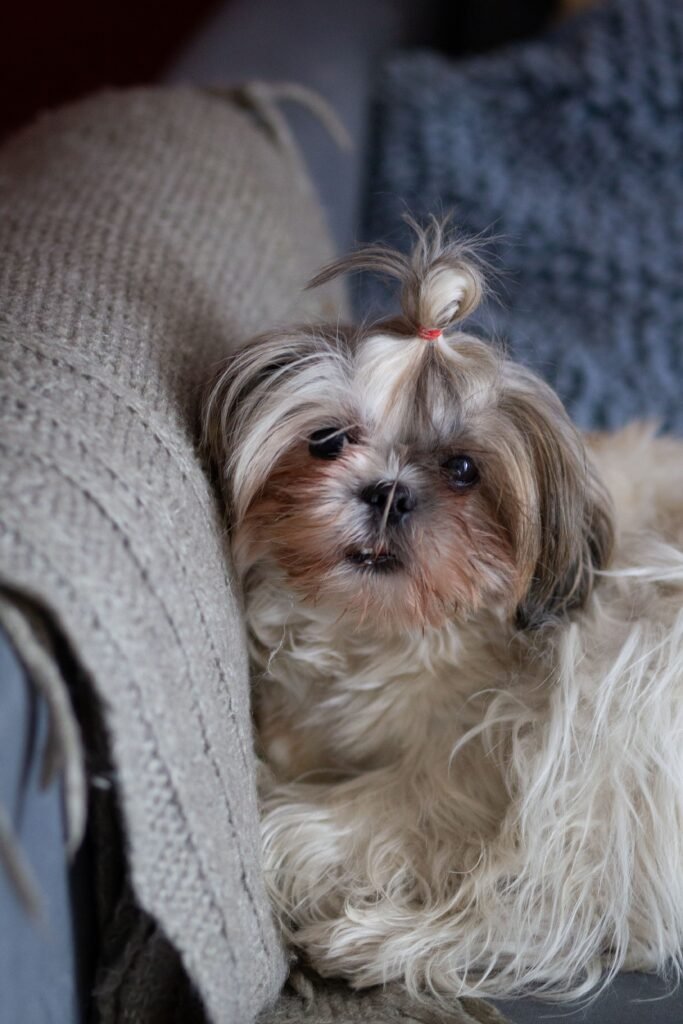
Choose this look only if you enjoy the routine or have reliable help from a groomer. If brushing becomes a daily struggle, a shorter pet trim may be kinder and more realistic for both you and your dog.
6. Practical Topknot With a Shorter Body
A practical topknot combines a shorter body trim with longer hair on the crown that can be tied back. It keeps some of the Shih Tzu’s familiar long-haired appearance while reducing the amount of coat you need to manage everywhere else.
The topknot needs gentle daily attention. Remove or loosen the band, comb the hair and redo it without pulling the skin or hair tightly. A topknot should keep hair away from the eyes, not create tension or discomfort. Ask your groomer to show you a simple way to secure it.
7. Long-Ear Puppy Trim
This variation keeps the body relatively short while leaving the ears longer and softer. It creates a different outline from an even puppy trim without committing to a full-length coat. The ear hair may be rounded, left straight or blended into the cheek, depending on the look you prefer.
Longer ear hair can pick up food, water and debris, and it can tangle where it rubs against the neck. Include ear length in your grooming instructions and ask how often the hair should be combed. Do not insert scissors or tools into the ear canal; ask a qualified groomer or veterinarian about any ear-care task you are unsure how to do safely.
8. Lamb Leg Cut
The lamb leg cut keeps the body shorter while leaving the legs fuller and more rounded. It creates a soft, shaped outline without the daily work of a full-length coat. The exact contrast between the body and legs is customizable, so bring a photo and ask the groomer to show how much length will remain on each area.
The longer leg hair needs regular combing, especially inside the legs, around the armpits and where the legs meet the body. This style is best for owners who like a little extra shape and can keep those areas tangle-free. Ask for a shorter leg finish if you want less brushing.
Optional finishing details: Some salons can add clean, neatly trimmed feet, a shorter sanitary area, rounded cheeks, longer ears or a fuller tail plume to a basic pet cut. These are custom details rather than separate full-body haircuts. Ask which parts will be shortened and which will stay longer so there is no confusion at pickup.
Summer Shih Tzu Haircuts: What Works Best?
Summer Shih Tzu haircuts usually focus on a shorter, easier-to-manage body trim. A puppy or utility cut is a common choice; owners who prefer a rounded face can ask for a teddy bear finish with a shorter body. A lion cut or lamb leg cut can also leave the body shorter while keeping selected areas fuller. Those longer sections still need regular combing, so choose a style you can maintain.
A haircut alone does not prevent overheating. Fresh water, shade, a cool resting place and sensible activity during hot weather still matter. Do not request a skin-close shave just because it is summer. If the coat is severely matted, let a professional groomer explain the safest practical option for that individual dog.
How Short Should a Shih Tzu Haircut Be?
There is no single clipper length that suits every Shih Tzu. The right finish depends on coat texture, skin condition, matting, the dog’s routine and how much brushing you can manage at home. Tell your groomer whether you prefer a short, medium or longer pet trim, and ask them to confirm the actual length before clipping. A front-and-side reference photo is more useful than the haircut name alone.
Shih Tzus have a double coat, so a skin-close shave should not be treated as an automatic summer solution. The American Kennel Club’s guidance on shaving a dog’s coat explains why close shaving can remove protective coat layers and may create coat or skin problems, depending on coat type. If the coat is severely matted, ask an experienced groomer to assess the safest practical option for your dog.
Puppy Cut vs. Teddy Bear Cut: What Is the Difference?
The simplest distinction is that a puppy cut describes the overall trim, while a teddy bear cut mainly describes the rounded shape of the face. A Shih Tzu can have a short puppy-style body with a teddy bear face. The terms are not mutually exclusive.
| Detail | Puppy cut | Teddy bear cut |
|---|---|---|
| Main feature | Shorter, fairly even coat | Rounded, fuller face |
| Body length | Usually kept short or practical | Can be short, medium or longer |
| Face finish | Often trimmed to blend with the body | Shaped to look round and plush |
| Home care | Usually less coat to comb | Face and muzzle need regular attention |
| What to tell the groomer | Specify the body length you want | Show the rounded face shape you prefer |
If you want a teddy bear appearance without a high-maintenance body coat, ask for a rounded face with a shorter body. Bring a photo that shows the front and side of the style you like.
How to Choose the Best Haircut for Your Shih Tzu
There is no single best Shih Tzu haircut for every dog. The right choice depends on coat condition, your daily routine and how your dog responds to grooming.
- If you have limited time for brushing: Ask about a short puppy or utility trim. It reduces coat length, but daily checks and basic brushing still matter.
- If you like a rounded face: Choose a teddy bear finish with a body length you can maintain.
- If you want a distinctive outline: Discuss a lion cut and how to care for the longer mane and tail.
- If you want extra shape on the legs: Ask about a lamb leg cut, and be realistic about combing the longer hair around the legs and armpits.
- If you enjoy coat care: A long coat with a topknot may suit you, provided you can brush it consistently.
- If your dog has mats: Let the groomer assess the coat before choosing a style. Do not pull at tight mats or try to cut them out close to the skin.
- If your dog dislikes face handling: Tell the groomer in advance and prioritize a safe, comfortable finish over a detailed facial shape.
Does a Shih Tzu Have a Double Coat?
Yes. The American Kennel Club describes the Shih Tzu coat as two distinct layers: a long, silky topcoat and a softer, fleecy undercoat. Coat thickness and texture vary between dogs, and some coats change as a dog matures. The AKC’s Shih Tzu coat guide explains why regular brushing and coat-specific care matter.
A haircut changes the length and shape of the coat, not its underlying structure. That is why one universal length or a blanket claim that every Shih Tzu should be shaved for summer is not a reliable rule. Ask the groomer to assess your dog’s coat, skin and any mats before choosing a clip length.
Shih Tzu coats can change as a dog matures, and coat texture varies between individuals. The American Shih Tzu Club’s guidance on choosing a pet haircut advises owners to consider the dog’s coat, environment, activities and the time they can give to grooming rather than treating one haircut as right for every pet.
What to Tell Your Groomer Before the Haircut
Style names can mean different things from one salon to another. A short conversation before the appointment helps prevent surprises. Bring one or two clear reference photos, then discuss these details:
- Body length: Explain how short or long you want the coat and ask the groomer to confirm the length before starting.
- Face shape: Say whether you prefer a rounded teddy bear face, a shorter practical face or a fuller natural look.
- Ears and tail: Explain whether you want them trimmed to match the body or left longer.
- Eyes and mouth: Ask for hair to be kept clear enough for comfortable vision and eating, without an overly close trim.
- Feet and hygiene areas: Discuss a neat finish around the paws and sanitary areas.
- Home routine: Be honest about how often you can brush. The groomer can suggest a style that fits your schedule.
- Coat condition: Mention any mats, sensitive areas, previous clipper irritation or handling difficulties before the session.
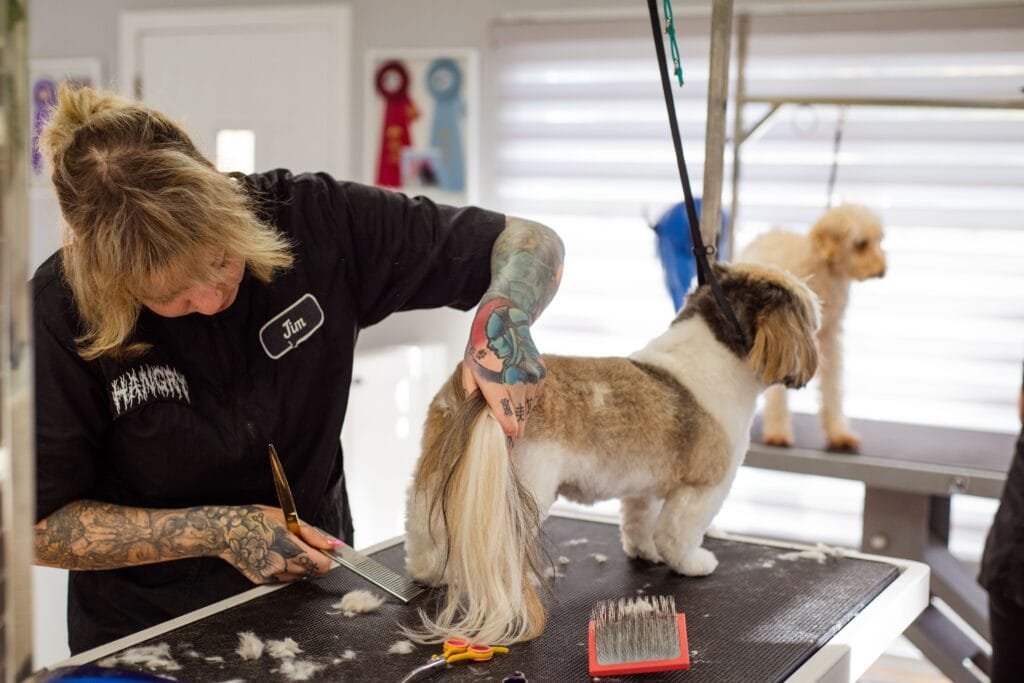
You can use this simple request: “I’d like a manageable pet trim with the body kept at [your preferred length], a rounded face, and the ears and tail left [shorter/longer]. Please keep the eyes clear and let me know if you find any mats or sensitive areas before going shorter.”
How to Maintain a Shih Tzu Haircut Between Appointments
Even a short haircut needs some attention between salon visits. A consistent routine helps you notice tangles early and keeps the coat comfortable.
Brush and comb the coat regularly
Long coats need daily brushing, including the hair close to the skin. Use a coat-appropriate brush and a comb to check whether tangles remain underneath. With a shorter trim, focus on a quick daily check of the ears, armpits, collar area, legs and tail. The American Shih Tzu Club’s companion-dog grooming guidance emphasizes regular grooming even for dogs kept in shorter pet clips.
Keep the face comfortable and tidy
Check the hair around the eyes and muzzle each day. Gently wipe away visible debris with a clean, damp cloth, and comb facial hair only if your dog is comfortable with it. Do not use pointed scissors close to the eyes. If the hair repeatedly falls into the eyes, ask a professional groomer for a safe trim.
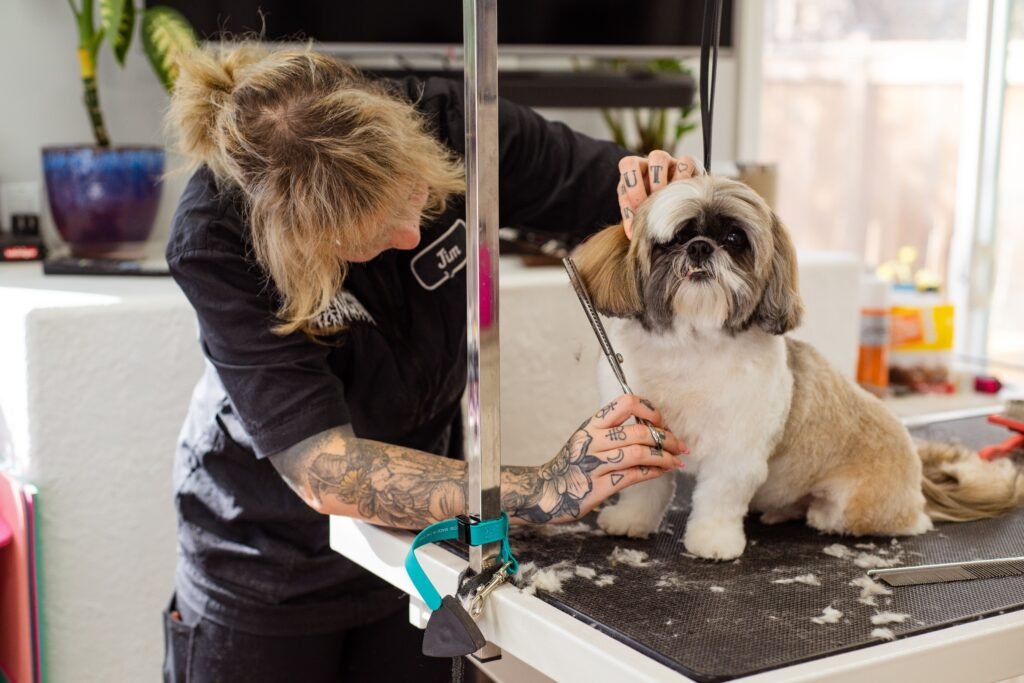
Bathe, rinse and dry thoroughly
Bathing frequency depends on coat length, activity, skin condition and how quickly your dog gets dirty. Use a dog-formulated shampoo, rinse thoroughly and dry the coat fully. Brushing before a bath helps you find tangles; do not soak a coat with tight mats and hope the water will loosen them.
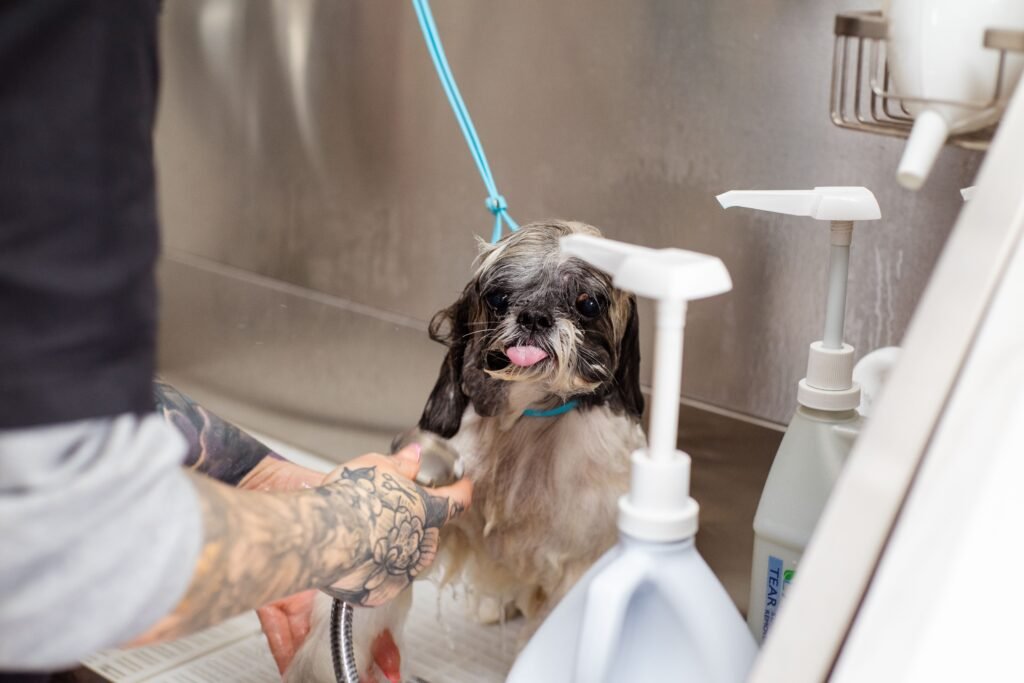
For a broader routine, see our guide to dog grooming at home for beginners. You can also read how often to bathe a dog and our guide to choosing a dog shampoo for skin care.
Can You Cut a Shih Tzu’s Hair at Home?
You can handle gentle brushing, combing and routine coat checks at home. Some owners also learn simple hygiene maintenance from a professional. A full haircut, clipper work and detailed shaping around the face are usually better left to an experienced groomer, especially if your dog moves suddenly or dislikes being handled.
Never try to cut a tight mat out with scissors close to the skin. Mats can pull the skin into the tangle, making it difficult to see where the hair ends and skin begins. If the comb cannot pass through without pulling, stop and ask a groomer to assess the coat.
If you are choosing a Shih Tzu partly because the breed is often described as low-shedding, remember that low visible shedding does not mean low grooming needs. Our guide to dogs that don’t shed much explains the difference between low shedding and a low-maintenance coat.
Frequently Asked Questions About Shih Tzu Haircuts
What is the best haircut for a Shih Tzu?
A short puppy or utility trim is often the easiest option to maintain. A teddy bear face is a popular alternative if you prefer a rounder look and can keep the facial hair combed.
What is the difference between a Shih Tzu puppy cut and a teddy bear cut?
A puppy cut describes a shorter overall trim, while a teddy bear cut describes a rounded face shape. The two can be combined by keeping the body short and shaping the face into a soft round finish.
How often does a Shih Tzu need a haircut?
The interval depends on coat growth, style and how neat you want the trim to stay. The AKC’s Shih Tzu coat guide notes that dogs with a puppy clip typically need professional grooming about every four to six weeks, but your groomer can recommend a schedule for your dog.
Does a Shih Tzu still need brushing after a short haircut?
Yes. A short trim reduces the amount of coat to manage, but regular brushing and daily checks still help catch tangles around the ears, legs, collar and tail.
Does shaving a Shih Tzu keep it cool in summer?
A shorter, comfortable trim may be easier to maintain, but shaving close to the skin is not automatically better. Ask a professional groomer about a suitable length and protect your dog from heat with shade, water and a cool resting place.
When should a Shih Tzu puppy get its first haircut?
There is no fixed age that suits every puppy. Start with gentle brushing and short, positive handling sessions early, then ask a groomer when a first salon visit or trim makes sense for your puppy’s coat growth and comfort. The Shih Tzu Club UK recommends getting puppies used to grooming early and notes that the timing of the first full clip depends on how quickly the coat grows. An introductory visit can simply help your puppy become comfortable with the salon rather than involve a full haircut.
Do male and female Shih Tzus need different haircuts?
No. There is no required male-only or female-only haircut. Puppy, teddy bear, lion and other pet trims can be chosen for either, based on coat condition, preferred face shape and the amount of grooming the owner can manage.
Are summer Shih Tzu haircuts different from regular puppy cuts?
Not always. Many salons use “summer cut” to describe a shorter puppy or utility trim, but names and lengths vary. Ask for the actual body length and face finish you want, and remember that a haircut does not replace normal heat precautions.
Sources and Further Reading
This guide draws on breed-club, kennel-club and veterinary grooming guidance. The sources below provide additional detail on coat care and choosing a pet haircut:
- American Kennel Club: The Glamorous Shih Tzu Coat, From Top Knot to Tail – long-coat care, puppy clips and topknot maintenance.
- American Kennel Club: Shih Tzu Breed Information – breed-specific grooming guidance.
- American Shih Tzu Club: Should My Pet Shih Tzu Have a Haircut? – factors to consider when choosing a full coat or pet clip.
- American Shih Tzu Club: Grooming the Companion Dog – brushing, coat changes and everyday grooming.
- VCA Animal Hospitals: Grooming and Coat Care for Your Dog – general coat-care guidance for dogs.
- American Kennel Club: Is It OK to Shave Your Dog’s Coat in Summer? – coat protection and warm-weather grooming considerations.
- The Shih Tzu Club UK: Grooming a Short Coat – practical care for clipped Shih Tzus.
Editorial Information
Published by the My Pet Care Tips Editorial Team. This article provides general grooming information and is not a claim of veterinary or professional-groomer review. Ask a qualified groomer for advice about your dog’s coat and a veterinarian about skin, eye or ear concerns. Read our Editorial Standards for information about sourcing, review and corrections.