

Introduction
One unexpected vet bill can genuinely shake your finances.
Bruno swallowed something he should not have at ten months old. One emergency vet visit, one X-ray, one overnight stay, and two follow-up appointments later, I was staring at a bill for two thousand four hundred dollars.
I was not prepared. Most pet owners are not.
Understanding vet costs in USA before you face an emergency is one of the most responsible things you can do as a pet owner. The USA has some of the most advanced veterinary care in the world, and that quality comes with real price tags that can surprise even experienced pet parents.
This guide gives you a transparent, honest breakdown of average vet costs in USA for 2026. Routine visits, emergencies, surgeries, dental care, specialist consultations, and regional differences. We also cover practical strategies to manage these costs without compromising your pet’s health.
Why Vet Costs Are So High in the USA in 2026

Before the numbers, it helps to understand why veterinary care costs what it does.
US veterinary schools are among the most rigorous and expensive in the world. Graduating vets carry significant student loan debt that affects their pricing. Advanced diagnostic equipment like MRI machines, CT scanners, and digital X-ray systems cost hundreds of thousands of dollars to purchase and maintain.
Inflation has pushed every component of veterinary care higher since 2023. Medications, anesthesia supplies, surgical equipment, and staff wages have all increased. According to the American Veterinary Medical Association, the demand for veterinary services has grown faster than the supply of trained vets, which drives prices upward in competitive markets.
The result is a veterinary landscape that delivers genuinely excellent care at costs that require real planning to manage.
Average Vet Visit Costs in USA — 2026 Updated
Cost Breakdown Table
| Service | Dog Average | Cat Average |
| Annual wellness exam | 50 to 100 dollars | 50 to 100 dollars |
| Core vaccinations | 75 to 200 dollars | 75 to 150 dollars |
| Blood work panel | 150 to 300 dollars | 150 to 300 dollars |
| Flea and tick prevention | 15 to 30 per month | 10 to 20 per month |
| Heartworm prevention | 5 to 15 per month | Not required |
| Dental cleaning | 300 to 800 dollars | 300 to 700 dollars |
| Spay surgery | 200 to 600 dollars | 200 to 500 dollars |
| Neuter surgery | 150 to 400 dollars | 150 to 300 dollars |
| Emergency visit | 100 to 350 per visit | 100 to 350 per visit |
| X-ray | 150 to 400 dollars | 150 to 400 dollars |
| Ultrasound | 300 to 600 dollars | 300 to 600 dollars |
| Overnight hospitalization | 600 to 1,500 per night | 600 to 1,500 per night |
Routine Checkup and Vaccination Costs
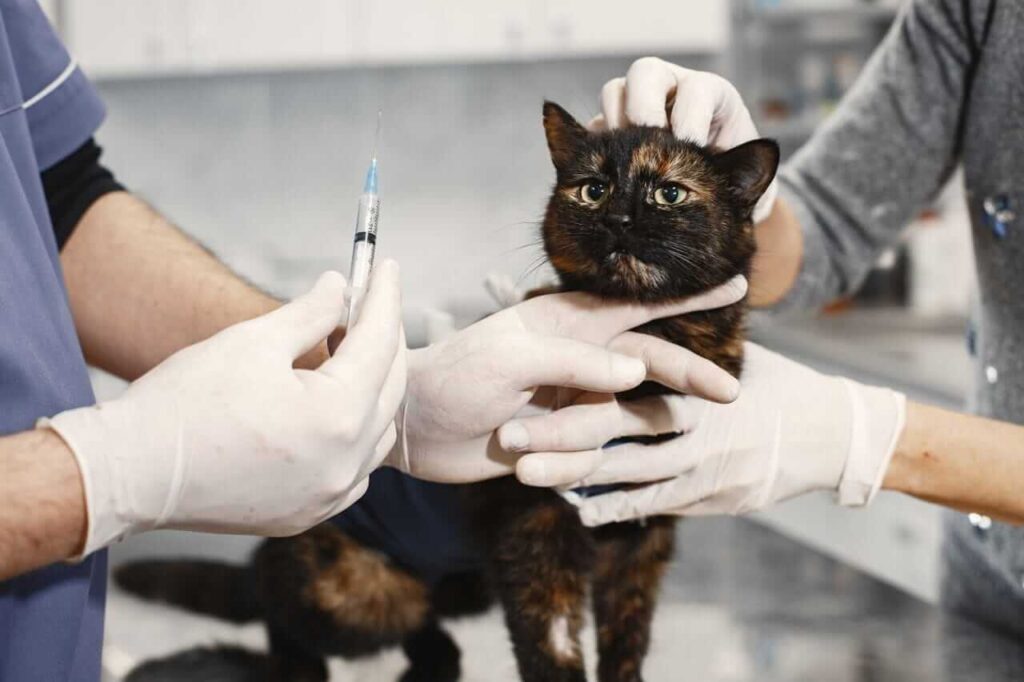
A standard annual wellness exam in the USA costs between fifty and one hundred dollars for the exam itself.
Vaccinations are additional. Core vaccines for dogs including rabies, distemper, parvovirus, and bordetella typically add seventy-five to two hundred dollars to that bill. Core vaccines for cats including rabies, FVRCP, and feline leukemia add seventy-five to one hundred and fifty dollars.
Many veterinary practices offer wellness packages that bundle the exam and vaccinations at a slight discount. These range from one hundred and fifty to three hundred and fifty dollars total and are worth asking about at your first visit.
Blood work is increasingly recommended at annual visits especially for dogs over five and cats over seven. A basic blood panel runs one hundred and fifty to three hundred dollars. A senior panel including thyroid and kidney function testing runs two hundred to four hundred dollars.
Emergency Vet Visit Costs
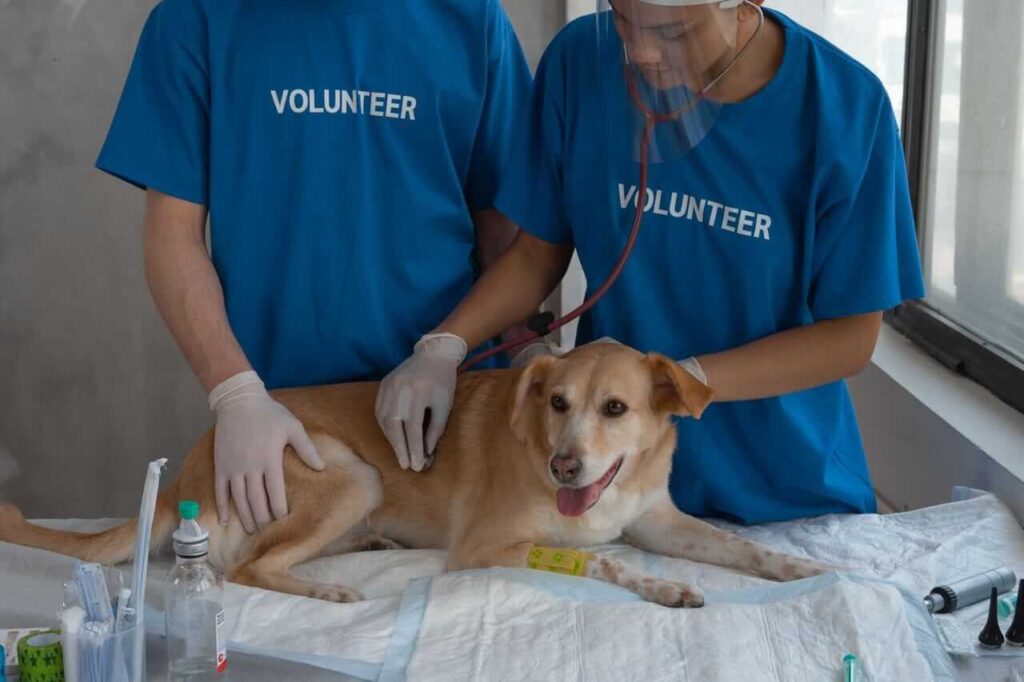
Emergency veterinary care is where costs genuinely shock most pet owners.
An emergency clinic visit in the USA starts at one hundred to three hundred and fifty dollars just to walk through the door, regardless of what treatment follows. The emergency consultation fee alone is typically higher than a standard daytime appointment.
Common emergency scenarios and their costs:
- Bloat in dogs — one thousand five hundred to seven thousand dollars, often requires emergency surgery
- Urinary blockage in cats — one thousand five hundred to three thousand dollars
- Foreign object ingestion — one thousand to five thousand dollars depending on whether surgery is needed
- Trauma from accident or fall — one thousand to eight thousand dollars
- Suspected poisoning — five hundred to three thousand dollars
- Seizure episode — five hundred to two thousand dollars
Twenty-four hour emergency animal hospitals charge significantly more than daytime practices. Weekend and holiday rates are typically higher. Emergency care in major US cities costs more than rural areas.
Specialist Consultation Fees
When your primary vet refers you to a specialist, expect costs to increase substantially.
Veterinary specialists in the USA including dermatologists, cardiologists, neurologists, oncologists, and orthopedic surgeons charge between two hundred and five hundred dollars for an initial consultation. Treatment from there depends entirely on the condition.
A veterinary cardiologist echocardiogram for suspected heart disease runs five hundred to eight hundred dollars. A veterinary neurologist MRI runs two thousand to four thousand dollars. Veterinary oncologist chemotherapy protocols for cancer run one thousand to over five thousand dollars per month.
These costs reflect genuinely world-class medical expertise. But they require financial preparation that most pet owners do not have in place.
Common Procedures Cost Breakdown — Dogs vs Cats
Spay and Neuter Surgery Costs
Spaying and neutering are among the most important health investments you make in your pet’s life.
They significantly reduce the risk of certain cancers and eliminate others entirely. They prevent unwanted litters. And they are much more affordable than treating the health conditions they prevent.
Dog spay surgery: Two hundred to six hundred dollars depending on size and location.
Dog neuter surgery: One hundred and fifty to four hundred dollars.
Cat spay surgery: Two hundred to five hundred dollars.
Cat neuter surgery: One hundred and fifty to three hundred dollars.
Low-cost spay and neuter clinics exist across the USA and offer these procedures for fifty to one hundred and fifty dollars. The ASPCA operates spay and neuter services and maintains a database of low-cost providers across the country.
Dental Cleaning and Tooth Extraction
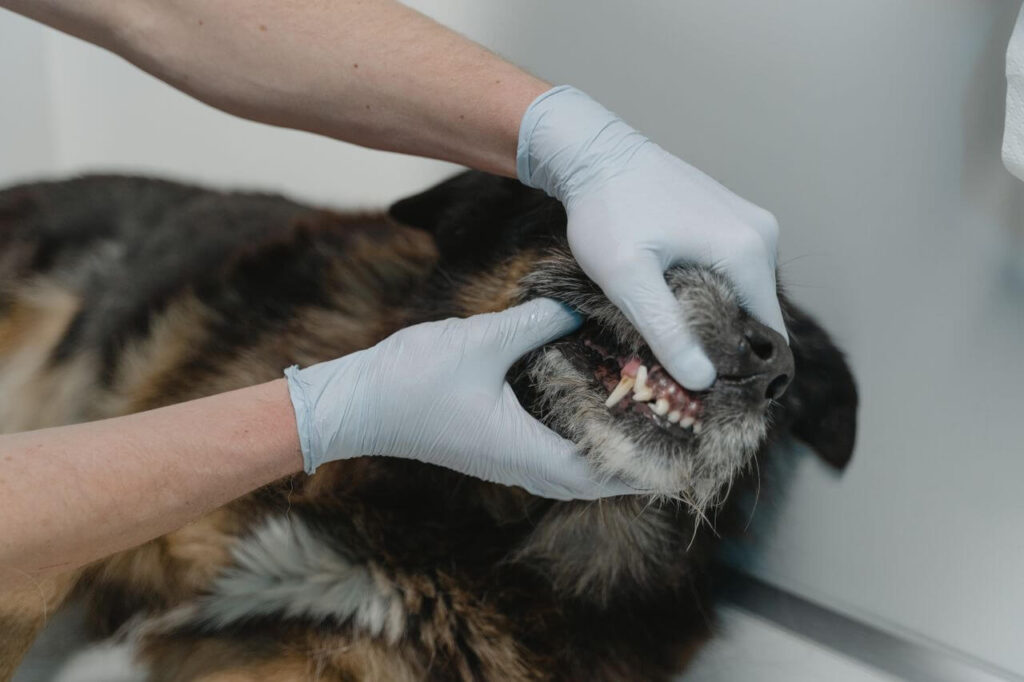
Dental care is consistently among the most underfunded areas of pet health in America.
A professional dental cleaning under anesthesia for dogs or cats costs three hundred to eight hundred dollars. This includes pre-anesthetic blood work, anesthesia monitoring, the cleaning itself, and dental X-rays.
Tooth extraction adds cost depending on the tooth and difficulty. Simple extractions cost fifty to one hundred and fifty dollars per tooth. Complicated extractions or surgical extractions cost one hundred and fifty to four hundred dollars per tooth.
Many dogs and cats need dental cleaning every one to three years. Without it, dental disease progresses to painful infections that cost far more to treat than prevention would have.
Common Illness Treatments
These are the most frequent reasons pet owners visit the vet outside of wellness exams.
Urinary tract infection in dogs: One hundred and fifty to four hundred dollars including exam, urine analysis, and antibiotics.
Skin allergies: Two hundred to one thousand dollars per year for management depending on severity and treatment approach.
Ear infections: One hundred to three hundred dollars per episode.
Digestive upset: One hundred and fifty to five hundred dollars for exam, diagnostic tests, and medication.
Respiratory infection: One hundred and fifty to three hundred dollars.
Senior Pet Health Treatments
Older pets face conditions that require ongoing management rather than one-time treatment.
Arthritis management: One hundred to five hundred dollars monthly for medication, joint supplements, and monitoring blood work.
Kidney disease management in cats: Two hundred to eight hundred dollars monthly for prescription food, fluids, and monitoring.
Hyperthyroidism in cats: One hundred to two hundred dollars monthly for medication, or one thousand to one thousand five hundred dollars for radioactive iodine treatment as a one-time cure.
Cancer treatment: Varies enormously from five hundred to over ten thousand dollars depending on cancer type, treatment protocol, and specialist involvement.
Regional Vet Cost Differences Across the USA

Where you live significantly affects what you pay for veterinary care.
State-Wise Cost Comparison Table
| Region | Cost Level | States | Routine Exam |
| High cost | Very Expensive | California, New York, Massachusetts | 100 to 250 dollars |
| Mid-high cost | Expensive | Texas, Florida, Washington | 75 to 150 dollars |
| Mid cost | Average | Illinois, Colorado, Georgia | 60 to 120 dollars |
| Lower cost | Affordable | Midwest, Southeast, Plains | 45 to 90 dollars |
San Francisco and New York City consistently report the highest veterinary costs in the USA. An annual wellness exam that costs sixty dollars in rural Kansas costs one hundred and eighty dollars in Manhattan.
This regional difference affects every service from basic exams through emergency care. Pet owners in high-cost metro areas should account for this in their healthcare budget and insurance planning.
How to Reduce Vet Costs in USA — Practical Tips
Preventive Care Strategies
Prevention is always significantly cheaper than treatment in veterinary medicine.
Annual wellness exams catch conditions early when they cost far less to manage. Regular dental care prevents the thousand-dollar cleanings that come from years of neglect. Maintaining healthy weight reduces the risk of diabetes, arthritis, and joint disease that require ongoing expensive management.
Year-round flea, tick, and heartworm prevention costs fifteen to forty dollars monthly. Treating a heartworm infection costs one thousand five hundred to three thousand dollars. The math is straightforward.
For more on preventive daily habits, read our complete guide on common pet health problems and how to prevent them before they develop.
Pet Insurance — Is It Worth It in 2026?

Insurance Plans Comparison Table
| Plan Type | Monthly Cost | What It Covers | Deductible |
| Accident only | 10 to 25 dollars | Injuries and accidents | 100 to 500 dollars |
| Accident and illness | 30 to 70 dollars | Most conditions | 100 to 500 dollars |
| Comprehensive | 50 to 100 dollars | Including wellness | 0 to 500 dollars |
| Wellness add-on | 15 to 30 extra | Vaccines, checkups | None |
Pet insurance in the USA operates on a reimbursement model. You pay the vet bill, submit a claim, and receive reimbursement based on your policy.
Most plans reimburse between seventy and ninety percent of covered costs after the deductible. Pre-existing conditions are not covered which makes enrolling while your pet is young and healthy critically important.
For a large breed dog prone to hip dysplasia or orthopedic issues, insurance paying thirty to fifty dollars monthly is almost certainly financially worthwhile over a lifetime. For cats prone to urinary issues or kidney disease, the same is true.
The break-even point for most policies happens with one significant illness or injury. After that, the financial value becomes clear.
Top-rated pet insurance providers in the USA for 2026 include Trupanion, Nationwide, Healthy Paws, and ASPCA Pet Health Insurance.
Low-Cost and Non-Profit Vet Clinics

Many US cities have low-cost veterinary clinics operated by non-profits, humane societies, and veterinary schools.
Veterinary school teaching clinics offer services at significantly reduced rates with faculty-supervised student veterinarians. The quality of care is typically excellent. These clinics are available in every state with an accredited veterinary school.
The ASPCA, Humane Society, and local shelters often run low-cost vaccination clinics and spay and neuter programs. Search your zip code at the ASPCA website for nearby low-cost resources.
Community health fairs in many cities offer free or discounted vaccinations several times per year.
At-Home Care and Telemedicine Options
Veterinary telemedicine has grown significantly since 2023 and provides a genuinely useful lower-cost option for non-emergency consultations.
Services like Vetster, AirVet, and Dutch allow you to video consult with a licensed veterinarian for fifteen to sixty dollars per session. For minor concerns, behavioral questions, and medication refills, telehealth eliminates the cost of an in-person visit.
At-home care for chronic conditions has also reduced the frequency of in-clinic visits for many pet owners. Subcutaneous fluid administration for cats with kidney disease, for example, can be performed at home after vet training, saving hundreds of dollars monthly in clinic visit fees.
Creating a Realistic Pet Healthcare Budget for 2026

Planning ahead makes vet costs manageable rather than shocking.
Annual budget for a healthy adult dog:
| Expense | Annual Cost |
| Wellness exam | 75 to 150 dollars |
| Vaccinations | 100 to 200 dollars |
| Heartworm and flea prevention | 180 to 480 dollars |
| Dental cleaning every 2 years | 150 to 400 averaged annually |
| Unexpected illness buffer | 500 to 1,000 dollars |
| Total Annual Estimate | 1,000 to 2,200 dollars |
Annual budget for a healthy adult cat:
| Expense | Annual Cost |
| Wellness exam | 75 to 150 dollars |
| Vaccinations | 75 to 150 dollars |
| Flea prevention | 120 to 240 dollars |
| Dental cleaning every 2 years | 150 to 400 averaged annually |
| Unexpected illness buffer | 500 to 1,000 dollars |
| Total Annual Estimate | 900 to 1,900 dollars |
Setting aside fifty to one hundred dollars monthly in a dedicated pet healthcare fund creates a buffer that prevents emergency vet bills from becoming financial crises.
When Vet Costs Are Worth Paying
Not every health concern requires an immediate emergency visit. But some always do.
Always worth the cost — go immediately:
- Breathing difficulty
- Collapse or inability to stand
- Male cat straining without producing urine
- Bloated or distended abdomen
- Suspected poisoning
- Seizures
- Pale or blue gums
Worth scheduling within 24 hours:
- Not eating for more than 24 hours
- Blood in stool or urine
- Persistent vomiting more than twice daily
- Sudden significant behavior change
- Limping that does not improve with rest
Can monitor at home with telemedicine consult:
- Mild single episode of vomiting
- Slight changes in stool consistency
- Minor skin irritation without open sores
- Early signs of ear sensitivity without discharge
Learning to distinguish these categories prevents both dangerous delays and unnecessary expensive visits.
Frequently Asked Questions
How much do vet visits cost in the USA on average?
A routine annual wellness exam costs fifty to one hundred and fifty dollars. When vaccinations are included, the total rises to one hundred and fifty to three hundred and fifty dollars. Emergency visits start at one hundred to three hundred and fifty dollars just for the consultation fee, with treatment added on top.
What are the average emergency vet costs in the USA?
Emergency vet costs in the USA range from three hundred dollars for a minor injury to over eight thousand dollars for surgeries, extended hospitalization, or complex cases. The most common emergencies including blockages, bloat, and trauma typically cost between one thousand five hundred and five thousand dollars total.
Is pet insurance worth it for covering vet costs?
For most pet owners, yes. One significant illness or surgery typically exceeds the total cost of a full year of premiums. For breeds predisposed to expensive conditions like hip dysplasia, cancer, or urinary disease, the value is even clearer. Enroll while your pet is young and healthy to avoid pre-existing condition exclusions.
How can I reduce high vet bills in the USA?
Prevention is the most powerful cost reduction strategy. Annual wellness exams, regular dental care, healthy weight maintenance, and year-round parasite prevention prevent the most expensive conditions. Pet insurance, low-cost clinic programs, and veterinary telemedicine for non-emergencies also significantly reduce overall spending.
What is the average cost of spay and neuter surgery?
Dog spay costs two hundred to six hundred dollars. Dog neuter costs one hundred and fifty to four hundred dollars. Cat spay costs two hundred to five hundred dollars. Cat neuter costs one hundred and fifty to three hundred dollars. Low-cost clinics and non-profit programs offer these procedures for fifty to one hundred and fifty dollars.
How much does dental cleaning cost for dogs and cats?
Professional dental cleaning under anesthesia costs three hundred to eight hundred dollars for dogs and three hundred to seven hundred dollars for cats. This includes pre-anesthetic blood work, anesthesia, cleaning, and X-rays. Tooth extractions add fifty to four hundred dollars per tooth depending on complexity.
Why are vet costs so high in certain states?
Cost of living, commercial real estate prices, local wage rates, and competitive market conditions all drive regional differences. California, New York, and Massachusetts consistently have the highest veterinary costs in the USA. Rural areas and Midwestern states are significantly more affordable for the same quality of care.
What should be included in a monthly pet healthcare budget?
Include monthly prevention costs for flea, tick, and heartworm medications. Divide annual wellness exam and vaccination costs into a monthly amount. Set aside funds for one or two unexpected issues per year. Consider pet insurance premiums as part of the monthly total. The combined amount typically runs fifty to one hundred and fifty dollars monthly for a single healthy pet.
Final Thoughts
That two thousand four hundred dollar bill for Bruno was a turning point for me.
After that experience, I enrolled him in pet insurance, started setting aside a monthly healthcare fund, and committed to annual wellness exams no matter what. Over the next four years, those decisions saved me significantly more than they cost.
Understanding vet costs in USA is not about being pessimistic about your pet’s health. It is about being genuinely prepared so that when something happens, you can focus entirely on your pet’s recovery instead of the financial shock.
Plan ahead. Consider insurance while your pet is healthy. Use preventive care consistently. Know where your nearest emergency clinic is before you need it.
The cost of being prepared is always lower than the cost of being surprised.
What was your most expensive vet bill and what was the condition? Share in the comments below. Your experience might help another pet owner know what to expect or plan for in advance.
Also read:
→ Common Pet Health Problems
→ Pet Emergency Signs
→ Dog Exercise Routine Guide
→ Best Cat Food for Healthy Growth
→ Indoor Cat Care Guide
Author Bio
Written by David Jason
Founder of My Pet Care Tips
Dog and cat owner with over 8 years of hands-on experience navigating real veterinary costs in the USA. Every figure in this guide is sourced from current veterinary industry data and personal experience.
Last Updated: June 10, 2026
Sources: AVMA, ASPCA, North American Pet Health Insurance Association, Banfield Pet Hospital State of Pet Health Report 2026
Note: Costs vary by location provider and individual pet health status. Always get a written estimate before authorizing treatment.