
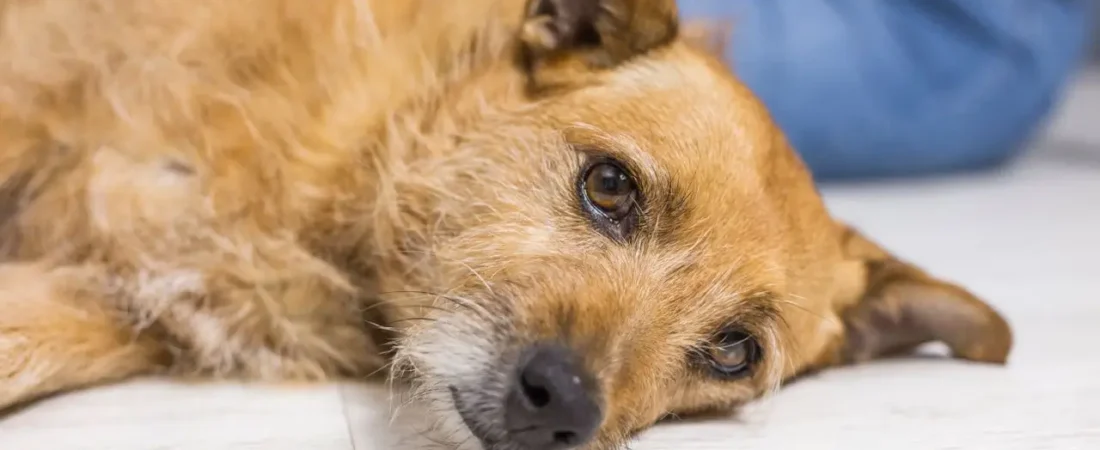
My dog Bruno refused his water bowl one August morning in Texas.
I barely noticed at first. By afternoon he was lying flat, his eyes looked sunken, and when I gently pinched the skin on his neck it stayed tented for a full second before falling back.
That was the moment I realized I was looking at dehydration that had been developing all day while I went about my normal routine.
Dehydration in dogs can develop quickly and quietly. Understanding dog dehydration symptoms before you need to recognize them is one of the most practical things you can do as a dog owner, particularly during summer months when heat accelerates fluid loss dramatically.
This guide walks you through every sign, two simple home tests, emergency indicators, and exactly what to do when you spot them.
Why Dehydration is Dangerous for Dogs
Water makes up about eighty percent of your dog’s body.
It regulates body temperature, supports organ function, moves nutrients through the body, and lubricates joints. When fluid levels drop even ten percent below normal, organ function starts being compromised. At fifteen percent fluid loss, the situation becomes life-threatening.
Dogs lose water through panting, urination, bowel movements, and normal daily activity. In hot weather or during illness involving vomiting or diarrhea, fluid loss accelerates significantly. Unlike humans who consciously seek water throughout the day, dogs often do not drink adequately unless water is highly accessible and fresh.
Early Dog Dehydration Symptoms You Should Never Ignore
Mild Dehydration Signs
These signs indicate early dehydration that is treatable at home if caught now.
Reduced energy — your dog seems quieter than usual and less interested in activity
Dry or sticky gums — healthy gums feel slick and moist, not tacky
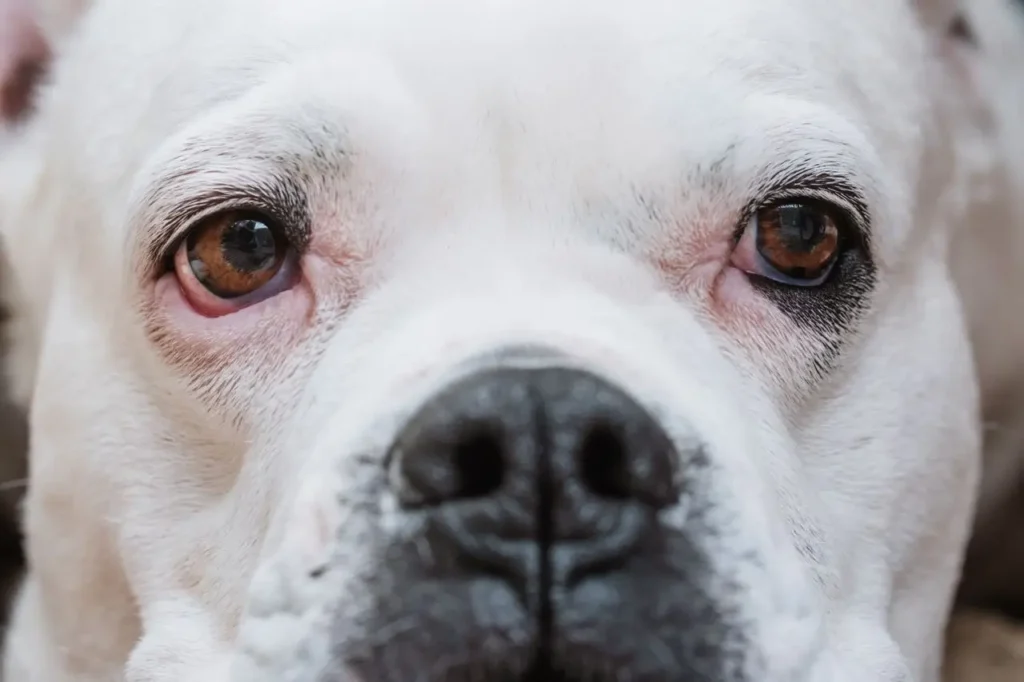
Slightly sunken eyes — eyes appear slightly less bright and full than normal
Reduced urination — fewer bathroom trips or darker colored urine
Loss of appetite — mild dehydration often reduces interest in food
Panting more than usual — without heat or exercise as an obvious cause
Moderate Dehydration Signs
These signs mean dehydration has progressed and needs attention today.
- Skin tenting — pinched skin does not spring back immediately
- Visibly sunken eyes — a noticeable change from your dog’s normal appearance
- Dry nose — a consistently dry nose alongside other signs
- Thick or ropy saliva
- Lethargy that does not improve with rest
- Significant reduction in urination
How to Check for Dehydration in Dogs at Home
Skin Tent Test
This is the fastest and most reliable home test for dehydration.
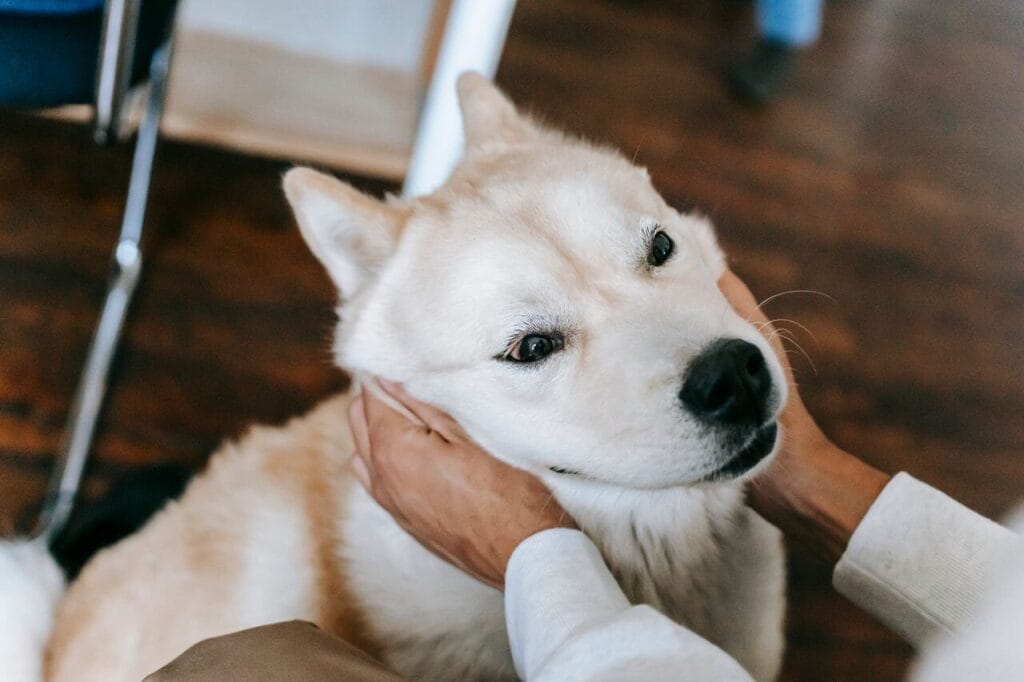
Gently pinch a small fold of skin at the back of your dog’s neck between your fingers. Lift it slightly and release.
- Spring back immediately — normal hydration
- Returns slowly in one to two seconds — mild to moderate dehydration
- Stays tented and falls slowly — significant dehydration, vet needed
- Practice this test when your dog is healthy so you know what their normal response looks like.
Gums and Eyes Check
Healthy gums are pink, slick, and moist. Press your finger firmly against the gum and release. Color should return in under two seconds. This is called capillary refill time.
- Under 2 seconds, moist gums — normal
- 2 to 3 seconds, tacky gums — mild dehydration
- Over 3 seconds, dry or pale gums — serious, contact vet immediately
Look at your dog’s eyes. Dehydration causes the eyes to appear slightly sunken in the socket and less bright than normal. This becomes more visible as dehydration progresses.
Other Easy Tests
Saliva check: Lift your dog’s lip and observe the saliva. Normal saliva is clear and watery. Thick, ropy, or foamy saliva suggests dehydration.
Urine color: Pale yellow urine indicates good hydration. Dark yellow or amber urine suggests your dog is not drinking enough.
Severe Dog Dehydration Symptoms — Emergency Signs
Symptom Severity Table
| Symptom | Mild | Moderate | Severe — Emergency |
| Energy level | Slightly low | Noticeably low | Collapsed or unresponsive |
| Gums | Slightly tacky | Dry | Pale, white, or bluish |
| Skin tent | 1 second | 2 seconds | Stays tented |
| Eyes | Slightly dull | Slightly sunken | Visibly sunken |
| Urination | Slightly reduced | Significantly reduced | None |
| Heart rate | Normal | Slightly elevated | Rapid and weak |
Go to the emergency vet immediately if your dog shows:
- Complete collapse or inability to stand
- Pale, white, or bluish gums
- Rapid, weak heartbeat
- Unresponsiveness or confusion
- Eyes that appear visibly sunken in the socket
- No urination for more than twelve hours
For more on recognizing critical symptoms, read our guide on pet emergency signs.
Common Causes of Dehydration in Dogs
Understanding causes helps prevent future episodes.
Hot weather and heat exposure: Dogs lose enormous amounts of fluid through panting during summer heat, particularly in humid climates where panting is less efficient.
Vomiting and diarrhea: Fluid loss during illness is one of the most common causes of acute dehydration. Even a few hours of vomiting can significantly dehydrate a dog.
Inadequate water access: Dogs often do not drink enough if water is stale, placed in an inconvenient location, or their bowl is too small.
Fever: Any illness causing elevated body temperature increases fluid loss.
Increased exercise: Active dogs in hot weather can lose fluids faster than they drink, particularly during long hikes or intense play sessions.
Kidney disease: Kidney problems cause excessive urination which leads to chronic fluid loss.
For summer-specific dehydration risks, read our complete guide on heat stroke prevention in dogs.
How to Treat Mild Dehydration at Home
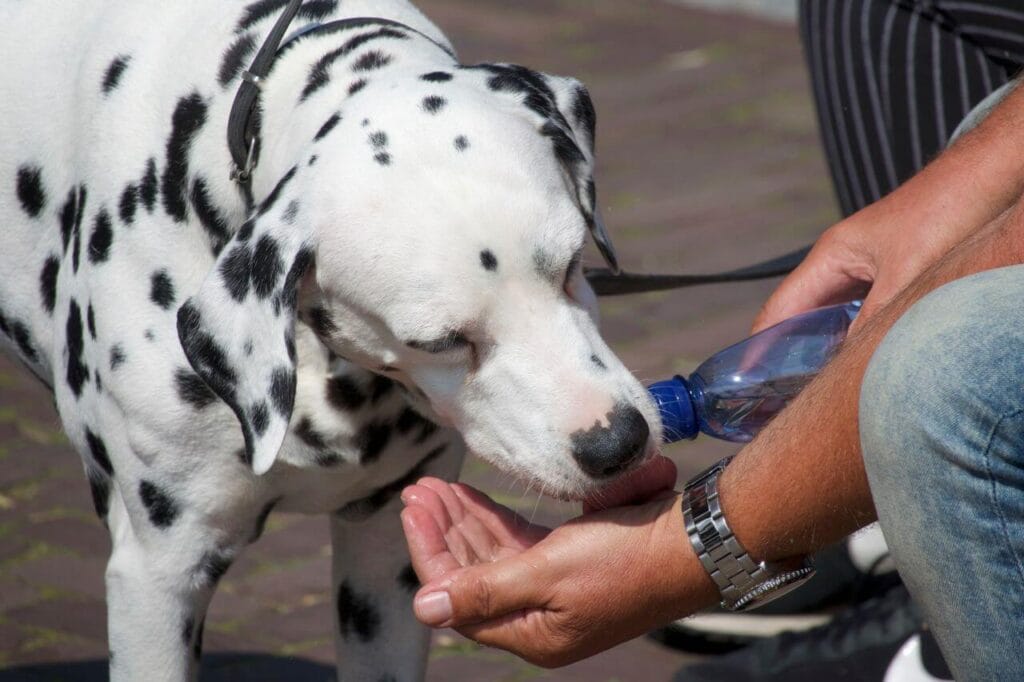
If your dog shows mild signs and is conscious, alert, and able to swallow, these home strategies work well.
Offer fresh cool water immediately. Change the water bowl to ensure it is fresh. Add a few ice cubes to make it more appealing. Some dogs drink significantly more from a pet water fountain where water is moving.
Try low-sodium chicken broth. A small amount of plain low-sodium broth added to water or offered separately often encourages reluctant drinkers to take in more fluid.
Offer electrolyte-enhanced water. Dog-specific electrolyte supplements are available at most pet stores. Do not use human sports drinks as they contain artificial sweeteners and higher sugar levels than are safe for dogs.
Offer small amounts frequently. Do not let a dehydrated dog drink a large amount all at once as this can trigger vomiting. Offer small amounts every few minutes over thirty to sixty minutes.
Move to a cool environment. Reducing heat exposure slows ongoing fluid loss while rehydration is underway.
Monitor closely. Recheck gum color and skin tent every thirty minutes. If there is no improvement within one to two hours, contact your vet.
When to Take Your Dog to the Vet Immediately
Do not attempt home treatment for moderate to severe dehydration.
Go to the vet same day if:
- Skin tent test shows tenting for more than two seconds
- Gums are dry, pale, or tacky
- Capillary refill time exceeds two seconds
- Your dog is not drinking even when water is offered
- Dehydration is occurring alongside vomiting or diarrhea
- Your dog is a puppy, senior, or already unwell from another condition
Go to the emergency vet right now if:
- Any severe signs from the table above are present
- Your dog has collapsed
- Gums are pale, white, or bluish
- Your dog is unresponsive
Veterinary treatment for dehydration typically involves intravenous or subcutaneous fluid therapy that rehydrates far faster and more safely than anything achievable at home in moderate to severe cases.
The cost of treating dehydration ranges from one hundred to several hundred dollars depending on severity. For a full cost breakdown, read our guide on vet costs in USA.
Best Ways to Prevent Dehydration in Dogs
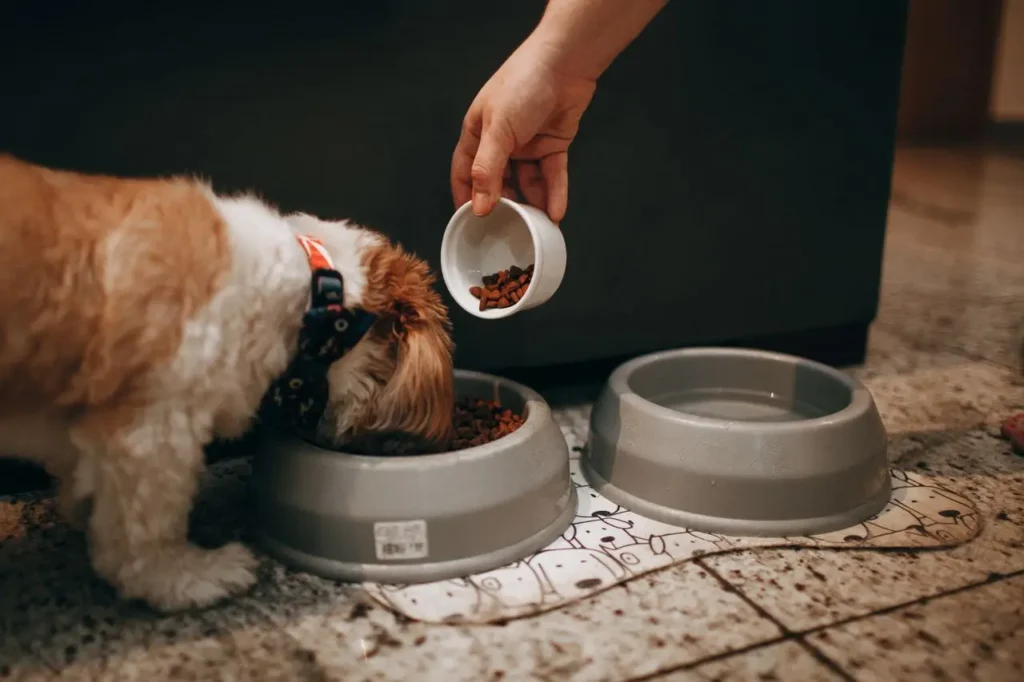
Prevention is always simpler than treatment.
- Provide fresh water in multiple locations throughout your home
- Change water at least once daily and clean bowls weekly
- Consider a pet water fountain as many dogs drink significantly more from moving water
- Carry water on every outdoor outing regardless of expected duration
- Offer water proactively every twenty to thirty minutes during outdoor activity
- During illness involving vomiting or diarrhea, contact your vet early before dehydration sets in
- Monitor water intake during hot weather and increase access points
For complete warm weather prevention strategies, read our article on dog summer care tips.
Frequently Asked Questions
What are the main dog dehydration symptoms?
Early signs include reduced energy, sticky gums, slightly sunken eyes, reduced urination, and mild panting. The skin tent test and gum check are the two most reliable ways to confirm mild dehydration at home.
How do you check if your dog is dehydrated?
Pinch the skin on the back of your dog’s neck and release. It should spring back immediately. If it takes one second or more to return, your dog is likely dehydrated. Also check gum moisture and color. Dry or tacky gums with slow capillary refill time over two seconds indicate dehydration.
What should I do if my dog shows signs of dehydration?
For mild signs, offer fresh water with small amounts of low-sodium broth to encourage drinking, move to a cool environment, and monitor closely. For moderate to severe signs, contact your vet immediately. Do not try to home treat significant dehydration.
Can a dog recover from dehydration at home?
Mild dehydration can resolve at home with fresh water and reduced heat exposure within a few hours. Moderate and severe dehydration requires veterinary fluid therapy. Any dog that is not improving within one to two hours of home treatment should see a vet the same day.
How much water should a dog drink daily?
A general guideline is one ounce of water per pound of body weight per day under normal conditions. A thirty-pound dog needs approximately thirty ounces daily. During hot weather, illness, or increased activity, needs increase significantly and can nearly double.
Final Thoughts
Bruno was back to normal by the next morning after a vet visit and IV fluids.
The experience made me far more attentive to his water intake during summer months and changed how I set up water access throughout our home. I added a second water bowl in a different room, started carrying water on every walk, and now do a quick gum check during hot weather as part of our routine.
Dog dehydration symptoms are subtle in the early stages and become dangerous quickly if missed. Now you know exactly what to look for and exactly what to do.
Share your experience in the comments if you have ever dealt with dehydration in your dog. What was the first sign you noticed?
Also read: Pet Emergency Signs and Heat Stroke Prevention in Dogs and Dog Summer Care Tips and Vet Costs in USA
Author Bio
Written by David Jason
Founder of My Pet Care Tips
Dog owner with over 8 years of
hands-on experience managing dog
health including summer-related
conditions. Every recommendation
is based on real experience and
trusted veterinary sources.
Last Updated: June 17, 2026
Sources: ASPCA, VCA Hospitals,
American Veterinary Medical
Association