
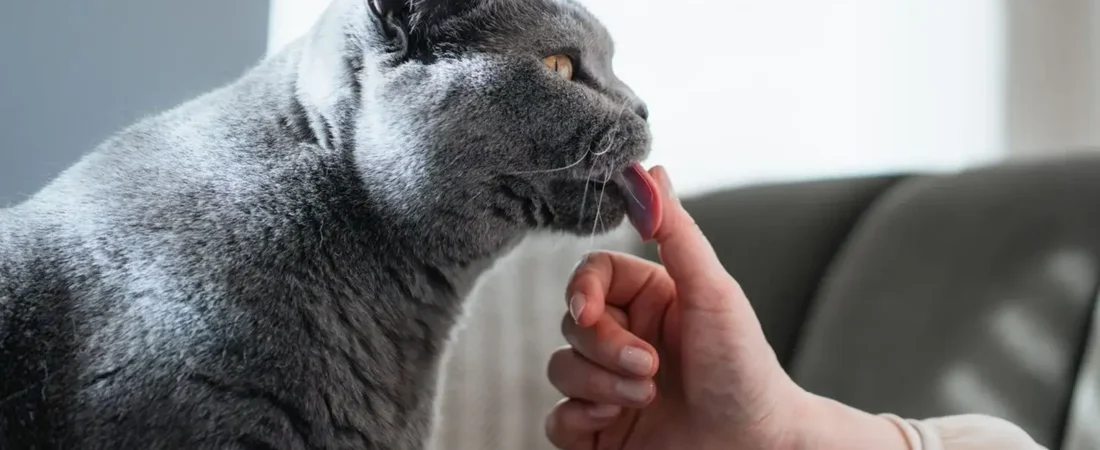
You’re sitting on the couch, half asleep, and suddenly you feel it — that rough little tongue on your hand. Your cat is licking you again. Is it love? Hunger? Stress? Or something else entirely?
If you’ve ever asked yourself why does my cat lick me, you’re not alone. It’s one of the most common questions cat owners search for, and the answer isn’t just one thing. Cats lick people for many different reasons, and most of them are actually good news.
Quick Answer
Cats usually lick you because they love you, trust you, or see you as part of their family. Licking is a natural grooming behavior cats use to bond with people and other cats. It can also mean your cat wants attention, is marking you with their scent, or in some cases, is stressed. Most licking is normal and affectionate.
Why Do Cats Lick People?
Licking is one of the oldest ways cats communicate. Kittens are groomed by their mother from birth, so licking becomes tied to comfort and safety early on.
When your adult cat licks you, they’re using that same instinct. Why do cats lick people so often? Because grooming is one of the main ways cats build and maintain social bonds. According to the Cornell Feline Health Center, grooming behaviors like this are rooted in early maternal care and carry over into adult social bonding, including bonds with humans.
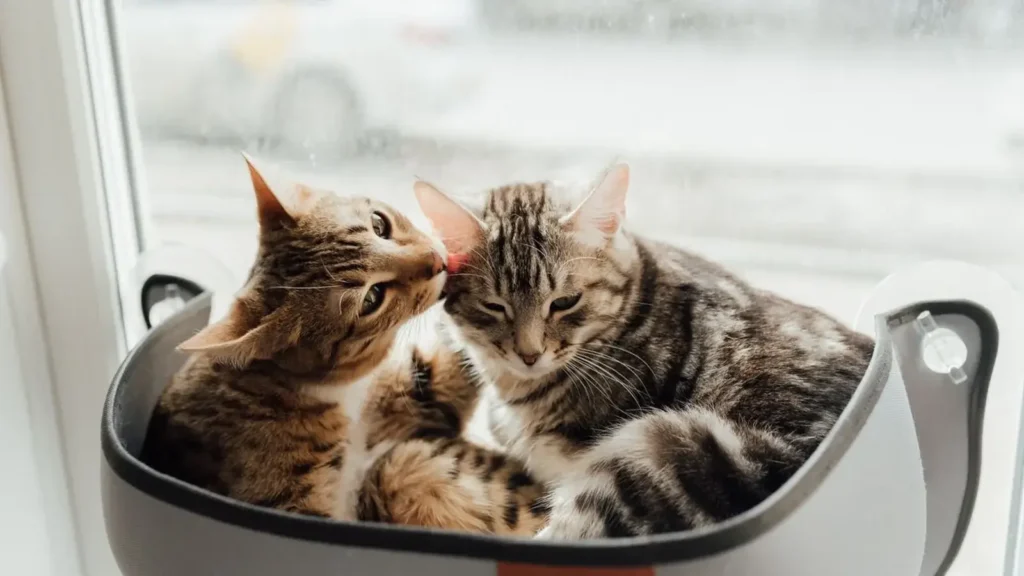
Cats groom each other in a behavior called allogrooming. It’s reserved for cats they trust and feel close to. When your cat licks you, they’re treating you the same way like a member of their colony.
This behavior also has a practical side. It helps cats:
- Strengthen social bonds
- Share scent within a group
- Show submission or affection
- Reduce tension between family members
If your cat grooms you regularly, it’s usually a strong sign of trust. You can learn more about how cats express closeness in Signs Your Cat Actually Loves You.
9 Reasons Why Does My Cat Lick Me So Much
1.Because They Love You
This is the reason most owners hope for, and often, it’s true. Licking is a form of affection in the cat world. When your cat licks your hand, arm, or face, they’re showing love the way they know how.
2. They Are Grooming You
Cats groom the people and animals they consider family. If your cat licks you the same way they lick themselves or another cat, they may simply be including you in their grooming routine. Check out Cat Grooming Tips at Home to understand feline grooming habits better.
3. They Trust You
Licking requires closeness. A cat won’t put their tongue on someone they feel unsafe around. If your cat licks you while relaxed, with soft eyes and a loose body, that’s a trust signal.
4. To Mark You With Their Scent
Cats have scent glands in their mouths. Licking transfers their scent onto you, which tells other animals, “This person is mine.” It’s a subtle form of ownership and belonging.
5. They Want Attention
Sometimes licking is simply a way to say, “Notice me.” If your cat licks you right before mealtime or when you’re busy on your phone, they may be asking for interaction.
6. They Like the Taste of Your Skin
Sweat contains salt, and some cats are drawn to that taste. Lotions, food residue, or scented soap can also make your skin more interesting to lick.
7. Habit From Kittenhood
Kittens who were licked by their mother, or who were bottle-fed by humans, sometimes carry the behavior into adulthood. It becomes a soothing, familiar habit.
8. Stress or Anxiety
Licking can be a self-soothing behavior. If your cat licks you excessively during stressful moments, like when guests arrive or during a move, anxiety could be the cause. This overlaps with other behavior changes described in Cat Behavior Problems Solutions.
9. Medical or Behavioral Issues
In rare cases, excessive licking is linked to compulsive disorders or underlying pain. The AAFP (American Association of Feline Practitioners) notes that sudden or repetitive licking can sometimes signal an underlying medical condition, so a vet visit is the safest next step if it becomes constant or intense.
Why Does My Cat Lick Me and Purr?
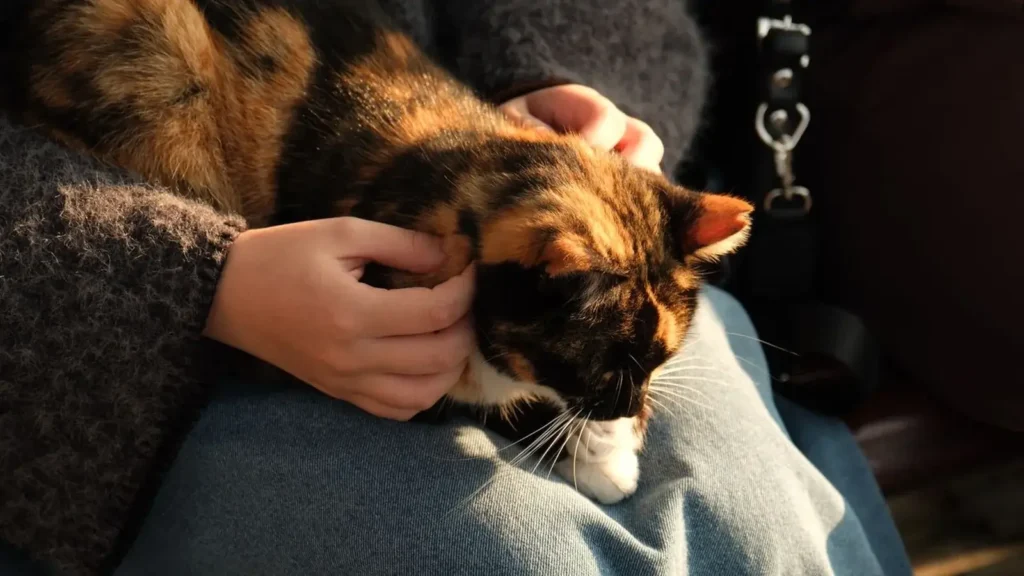
Licking combined with purring is almost always a good sign. It usually means your cat feels happy, calm, and secure. Purring is your cat’s way of expressing contentment, and pairing it with licking shows deep comfort in your presence.
This combination is common during cuddle time, naps, or quiet bonding moments, similar to the behavior explained in Why Does My Cat Sleep on My Chest.
Why Does My Cat Lick Me Then Bite Me?
This pattern, often called a “love bite,” is common and usually harmless.
Common causes:
- Overstimulation from too much petting
- Play behavior left over from kittenhood
- A way of saying, “That’s enough for now”
Cats have sensitive nerve endings. What starts as affectionate grooming can quickly become overstimulating, leading to a gentle nip.
Why Does My Cat Lick My Hand Then Bite Me?
Hands are a common target because they smell like food and get the most direct contact. Licking your hand, then biting, often means your cat enjoyed the attention but has now reached their limit. Watch their tail and ears. Flicking or flattened ears are early warning signs before a bite.
Why Does My Cat Lick Me So Much at Night?
Nighttime licking is common because cats are naturally more active at dawn and dusk. Your cat may lick you at night to:
- Get your attention while you’re still
- Bond during quiet, calm hours
- Seek comfort before sleep
If it disrupts your sleep, a consistent bedtime routine and evening play session can help reduce it.
Why Does My Cat Lick Me in the Morning?
Morning licking is often a wake-up call. Your cat may be hungry, wanting playtime, or simply excited that you’re awake. It’s one of the most common ways cats greet their favorite person.
Why Does My Cat Lick Me After I Shower?
This one surprises a lot of owners, but it makes sense once you know why.
Possible reasons:
- Salt – Your skin may taste saltier after sweating in a hot shower.
- Soap smell – New scents can be unfamiliar or intriguing to your cat.
- New scent – Your cat may be trying to re-mark you with their own scent after washing yours away.
Why Is My Cat Licking Me So Much All of a Sudden?
A sudden increase in licking deserves attention. It can be harmless, but it can also point to an underlying issue.
Watch for these warning signs:
- Excessive or nonstop licking
- Sudden changes in behavior
- Signs of stress, like hiding or pacing
- Pain or discomfort while being touched
VCA Animal Hospitals advises that any sudden change in a cat’s grooming or licking habits is worth mentioning to your vet, since it can be an early indicator of stress, pain, or skin problems.
Why Does My Cat Lick Me Aggressively?
Aggressive or intense licking is different from gentle grooming licks. It can feel rougher, faster, or paired with biting.
Common causes:
- Overstimulation
- Compulsive licking behavior
- Underlying stress or anxiety
If this happens often, try shorter petting sessions and give your cat more control over when contact starts and stops.
Should You Let Your Cat Lick You? Is It Safe?
Benefits:
- Strengthens your bond
- Reduces stress for your cat
- Shows trust and affection
Risks:
- Cat saliva can carry bacteria
- Open wounds or scratches increase infection risk
- Excessive licking can irritate your skin
PetMD notes that while occasional licking is safe for most healthy people, it’s best to avoid letting cats lick broken skin, wounds, or areas near the eyes or mouth.
When to stop: Gently redirect your cat if licking becomes rough, prolonged, or targets broken skin.
When Should You Be Concerned?
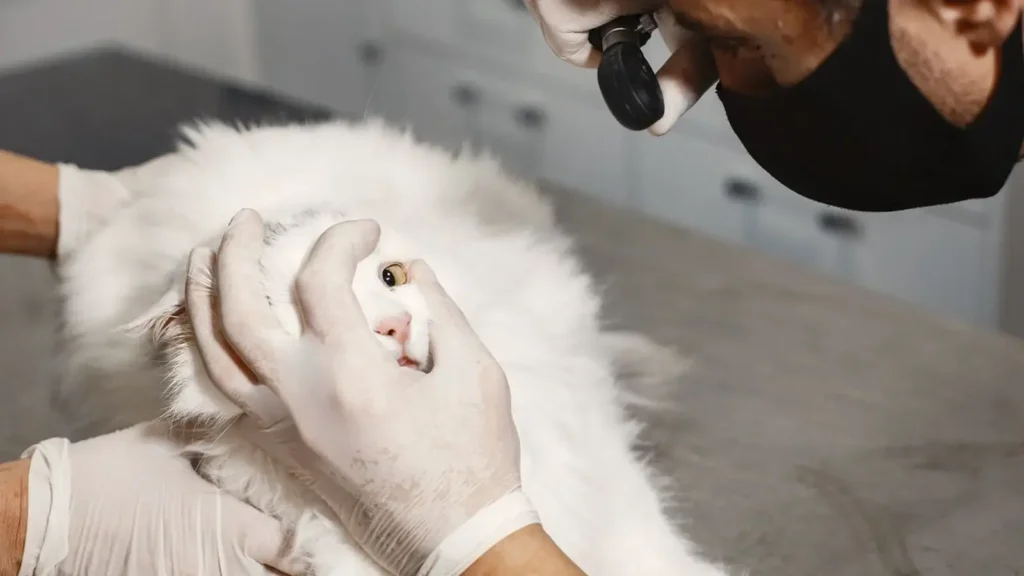
Most licking is normal. But certain signs mean it’s time to pay closer attention.
| Warning Sign | What It Might Mean |
| Excessive licking | Stress, anxiety, or compulsive behavior |
| Sudden behavior change | Illness, pain, or environmental stress |
| Skin irritation on your cat | Allergies or skin conditions |
| Loss of appetite | Underlying medical issue |
| Signs of pain | Injury or illness needing vet care |
If your cat is also eating less, this guide on Why Is My Cat Not Eating can help you spot related warning signs early.
How to Respond When Your Cat Licks You
Do’s:
- Stay calm and let them finish
- Offer gentle praise or a soft voice
- Redirect with a toy if it becomes too intense
Don’ts:
- Don’t pull your hand away quickly
- Don’t punish or yell
- Don’t ignore repeated signs of overstimulation
Positive reinforcement works best. Reward calm affection with gentle petting or a treat, so your cat learns that gentle licking gets a good response.
Frequently Asked Questions
What does it actually mean when a cat licks you?
It usually means your cat trusts you, feels bonded to you, or is grooming you the way they would groom another cat.
Why do cats lick their favorite person?
Cats often groom the person they feel closest to as a way of including them in their social group.
Is it okay to let my cat lick me?
Yes, in most cases. Just avoid letting them lick open wounds or broken skin.
Why does my kitten lick me?
Kittens often mimic the grooming they received from their mother. It’s a normal, comforting behavior.
Can cats lick because of anxiety?
Yes. Stress and anxiety can cause excessive licking, both on themselves and on their owners.
Should I stop my cat from licking me?
Not unless it becomes excessive, aggressive, or targets broken skin. Occasional licking is a healthy bonding behavior.
Final Thoughts
So, why does my cat lick me? Most of the time, it’s a sign of love, trust, and comfort. Cats use licking the same way they groom each other as a bond-building habit passed down from kittenhood.
Pay attention to your cat’s body language. Calm, relaxed licking is a compliment. Sudden, aggressive, or nonstop licking is worth watching more closely. When in doubt, a quick check-in with your vet can offer peace of mind.
For more on understanding your cat’s daily habits, take a look at Cat Care Guide for Beginners and Indoor Cat Care Guide.
Author Bio
David Jason
Founder, My Pet Care Tips
David Jason is the founder of My Pet Care Tips, a website dedicated to helping everyday pet owners care for their dogs and cats with practical, easy-to-follow advice. His focus is on breaking down real-world pet behavior, health, and grooming topics into simple guidance that any beginner pet parent can trust and use right away. David works closely with veterinary sources and trusted animal health organizations to make sure every article on the site stays accurate, current, and genuinely helpful — not just SEO filler. When he’s not writing, he’s usually spending time with his own cats and dogs, which is where most of his firsthand pet care insight comes from.