

Introduction :
Bruno used to sprint to the door every morning.
These days he gets up slowly, stretches carefully, and takes his time on the stairs. Watching an energetic dog transition into his senior years is genuinely bittersweet. But it does not have to mean a lesser life.
Senior dog care tips make a real difference. With the right food, the right routine, and some simple home adjustments, older dogs can live comfortable, happy, and deeply connected years right alongside you.
This guide covers everything you need to know about caring for your senior dog in 2026. Health monitoring, nutrition, daily routines, joint support, and home modifications that change daily life for an aging dog.
When is a Dog Considered Senior?
The answer depends on size.
Smaller dogs age more slowly than large breeds. A Chihuahua is not a senior at seven but a Great Dane often is.
| Breed Size | Senior Age |
| Small breeds under 20 lbs | 10 to 12 years |
| Medium breeds 20 to 50 lbs | 8 to 10 years |
| Large breeds 50 to 90 lbs | 7 to 8 years |
| Giant breeds over 90 lbs | 5 to 6 years |
Signs your dog has entered senior years:
- Moving more slowly or stiffly after rest
- Sleeping significantly more than before
- Grey appearing around the muzzle and eyes
- Less interest in play or exercise
- More frequent urination or accidents
- Changes in appetite or thirst
Senior Dog Health Problems and Early Signs
Arthritis and Mobility Issues
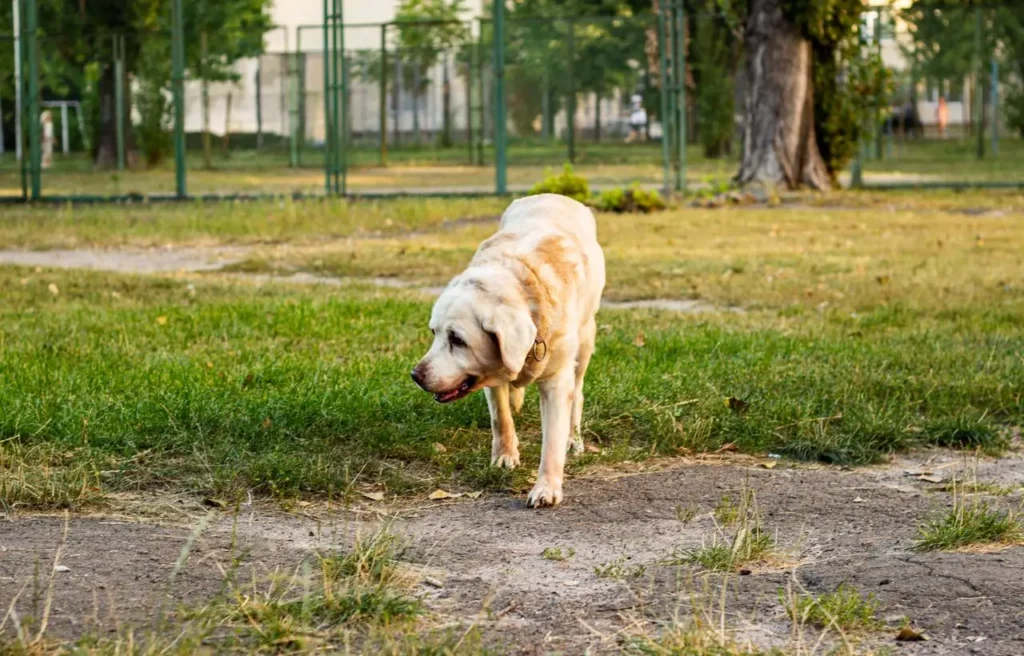
Arthritis affects over eighty percent of dogs over eight years old.
It develops gradually which is why many owners attribute early signs to normal aging rather than a treatable condition.
Signs of arthritis in senior dogs:
- Stiffness after resting that improves after a few minutes of movement
- Reluctance to climb stairs or jump onto furniture
- Limping that worsens in cold or damp weather
- Decreased interest in walks that were previously enjoyable
- Changed posture or guarded movement
Signs of Pain in Senior Dogs
Senior dogs rarely vocalize pain openly. Watch for these subtle signals instead.
- Panting without heat or exercise as a cause
- Reluctance to be touched in a specific area
- Aggression or withdrawal from normally welcome interaction
- Licking or chewing at a joint
- Difficulty finding a comfortable resting position
For a full guide on recognizing pain and critical symptoms, read our article on pet emergency signs.
Senior Dog Dementia Symptoms
Canine Cognitive Dysfunction affects an estimated twenty-eight percent of dogs aged eleven to twelve.
Signs include disorientation in familiar spaces, getting stuck in corners, staring at walls, disrupted sleep cycles with nighttime restlessness, house training regression, and reduced recognition of family members.
If you notice these signs, speak with your vet. Several medications and supplements have shown meaningful improvement in symptoms when started early.
Best Food for Senior Dogs
Nutrition is one of the most powerful tools for managing aging in dogs.
Senior dogs have different needs than adults. Many need fewer calories as activity decreases. Many need reduced phosphorus to support kidney health. And most benefit from added joint-supporting nutrients like glucosamine and omega-3 fatty acids.
What to look for in senior dog food:
- Named protein as the first ingredient
- Reduced phosphorus for kidney support
- Added glucosamine and chondroitin
- Omega-3 fatty acids from fish oil
- AAFCO nutritional adequacy statement for adult maintenance
- Lower calorie density than adult food if weight gain is a concern
When to switch to senior formula:
Most dogs benefit from transitioning to a senior formula at the age ranges listed in the table above. Transition gradually over seven to ten days to avoid digestive upset.
According to the American Kennel Club, regular weight checks and body condition assessments become especially important in senior dogs as both obesity and weight loss create serious health risks in older animals.
For more on choosing quality nutrition, read our guide on best dog food for healthy growth and strong bones.
Daily Senior Dog Care Routine
Low Impact Exercise Tips
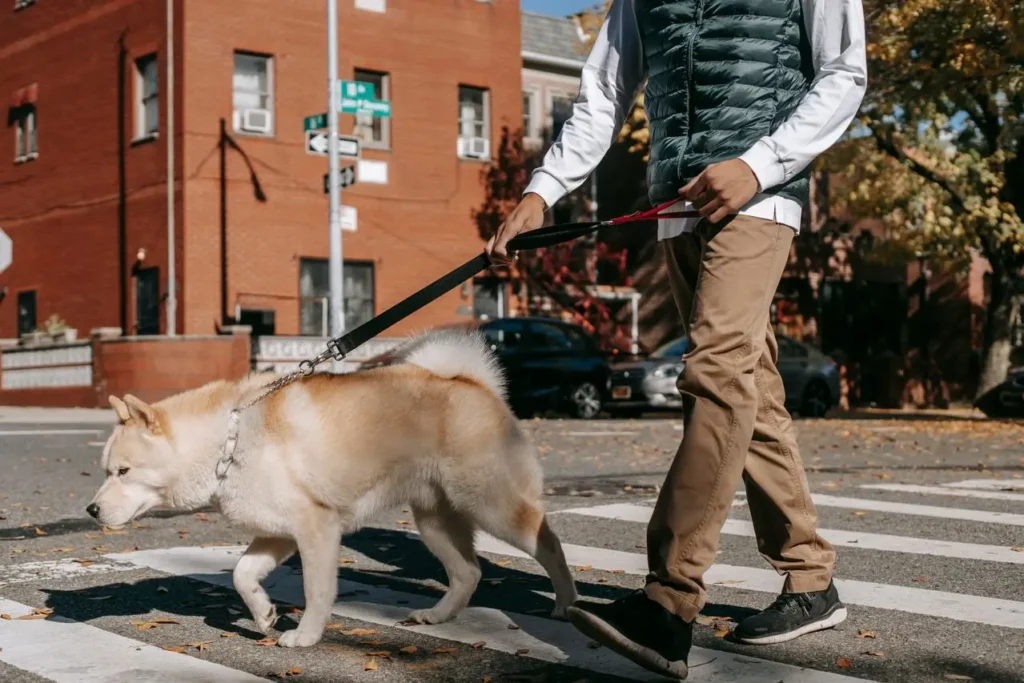
Senior dogs still need daily exercise. They just need it adjusted.
Short frequent walks work better than long infrequent ones. Three ten-minute walks spread throughout the day keeps joints moving without overtaxing them. Swimming is excellent for arthritic dogs because water supports body weight while providing resistance and movement.
Stop activity immediately if you notice limping, panting without exertion, or reluctance to continue. These are signs of overexertion in a senior dog.
For breed-specific exercise guidance, read our complete dog exercise routine guide.
Grooming Tips for Senior Dogs
Senior dogs need more frequent grooming checks rather than less.
Reduced mobility means they groom themselves less effectively. Check paws weekly for overgrown nails that cause discomfort and affect gait. Brush coats regularly to prevent matting in dogs that can no longer reach certain areas. Check skin for lumps, bumps, or new growths during every grooming session.
Daily Routine Table
| Time | Activity |
| Morning | Short 10 min walk, fresh food and water |
| Midday | Gentle interaction or light play, check water |
| Afternoon | Second short walk or gentle indoor movement |
| Evening | Main meal, joint supplement if prescribed |
| Before bed | Final short bathroom walk, comfortable bedding check |
Home Modifications for Senior Dogs

Simple home changes dramatically improve daily comfort for arthritic and aging dogs.
Best Bed for Senior Dogs with Arthritis
Orthopedic memory foam beds are the single best home investment for a senior dog with joint pain. They distribute weight evenly and reduce pressure on painful joints during the many hours older dogs spend resting. Look for beds with low entry sides that do not require stepping over a high wall.
The PetFusion Ultimate Dog Bed and the Big Barker Orthopedic Dog Bed are consistently top-rated options in the USA for large senior dogs.
Ramps, Non-Slip Mats, and Easy Access
Hardwood and tile floors are slippery for dogs with reduced muscle strength. Non-slip rugs or yoga mats placed along frequently traveled routes prevent falls and give arthritic dogs confidence when moving.
Ramps or steps leading to your sofa, bed, or car significantly reduce joint stress compared to jumping. For dogs that previously jumped into your car, a ramp rated for their weight prevents the joint impact of landing that becomes increasingly damaging as arthritis progresses.
Baby gates block stair access for dogs whose balance and strength make stairs genuinely risky, while still allowing full ground-floor movement.
Senior Dog Arthritis Remedies and Joint Support

Best Joint Supplements for Senior Dogs 2026
These supplements have the most consistent evidence behind them for senior joint health.
Glucosamine and Chondroitin: Support cartilage health and reduce joint inflammation. Most senior dog foods include these, but additional supplementation is often recommended for dogs with moderate to severe arthritis. Cosequin DS and Dasuquin are the most widely recommended US brands.
Omega-3 Fish Oil: Reduces systemic inflammation that worsens joint pain. Look for supplements providing EPA and DHA specifically. Nordic Naturals Omega-3 Pet and Zesty Paws Omega Bites are popular USA options.
Turmeric with Piperine: Natural anti-inflammatory properties with some evidence supporting joint pain reduction. Always use dog-specific formulations and discuss with your vet before starting.
Natural Ways to Help Mobility
Beyond supplements, these daily habits support joint health naturally.
Gentle range-of-motion massage around joints before morning walks warms up stiff tissue. Warm compress applied to arthritic joints for ten minutes before activity reduces stiffness. Maintaining a healthy body weight removes unnecessary stress from every joint with every step.
According to the ASPCA, maintaining a healthy weight is one of the most impactful interventions for arthritic dogs, with even a ten percent reduction in body weight producing measurable improvements in mobility.
How Often Should Senior Dogs See the Vet?
Annual visits are minimum for adult dogs. Senior dogs need twice-yearly wellness exams.
Their bodies change faster than adult dogs and conditions like kidney disease, hyperthyroidism in cats, diabetes, and heart disease often show no obvious symptoms until significantly advanced. Blood work and urinalysis at every six-month visit catch these conditions when treatment is most effective.
Between visits, monthly home health checks covering weight, coat quality, gum color, eye clarity, and behavioral changes give you valuable early warning signals. For guidance on managing vet costs, read our complete article on vet costs in USA explained.
Frequently Asked Questions
When is a dog considered senior?
Giant breeds over ninety pounds reach senior status around five to six years. Large breeds between fifty and ninety pounds around seven to eight years. Medium breeds around eight to ten years. Small breeds under twenty pounds typically around ten to twelve years.
What are the best senior dog care tips?
Switch to a senior-appropriate diet, reduce exercise intensity while maintaining daily movement, add joint supplements, create a comfortable low-impact home environment with non-slip surfaces and orthopedic bedding, and schedule twice-yearly vet visits for early detection of age-related conditions.
What is the best food for senior dogs?
Look for senior-specific formulas with named protein as the first ingredient, reduced phosphorus for kidney support, added glucosamine and chondroitin, and omega-3 fatty acids. Hill’s Science Diet Senior and Royal Canin Senior are consistently recommended by US veterinarians.
How do I know if my senior dog is in pain?
Panting without heat or exercise, reluctance to be touched in specific areas, changes in gait or posture, withdrawal from interaction, licking at joints, and difficulty settling into a comfortable position are all pain indicators in senior dogs.
What are good joint supplements for senior dogs?
Cosequin DS and Dasuquin for glucosamine and chondroitin support. Nordic Naturals Omega-3 Pet for anti-inflammatory EPA and DHA. Always discuss new supplements with your vet before starting, particularly if your dog is on other medications.
How much exercise does a senior dog need?
Three ten to fifteen minute walks daily works better than one long walk for most senior dogs. The total duration should be adjusted based on your dog’s individual comfort and condition. Any limping, excessive panting, or reluctance to continue signals the need to reduce intensity.
Final Thoughts
Bruno still gets excited about walks.
He just needs a little longer to get going these days and prefers the gentle morning route over the longer afternoon one we used to do. And honestly, those quieter slower walks have become some of my favorite time with him.
Senior dogs give you something younger dogs cannot. A depth of connection built over years of shared life. Taking care of that connection means adjusting to their changing needs with the same love they have always given you.
Share your senior dog’s age and the biggest challenge you are navigating right now in the comments below. The community here genuinely helps each other through every stage of pet ownership.
Also read: Pet Emergency Signs and Dog Exercise Routine Guide and Common Pet Health Problems and Vet Costs in USA Explained
Author Bio
Written by David Jason
Founder of My Pet Care Tips
Dog owner with over 8 years of
hands-on experience caring for
dogs through every life stage
including senior years. Every
recommendation is based on real
experience and trusted veterinary
sources.
Last Updated: June 17, 2026
Sources: AKC, ASPCA, AVMA,
VCA Hospitals Senior Pet Care
Note: Always consult a licensed
veterinarian before starting any
new supplement or medication
for your senior dog.