
Last summer, a dog owner in Phoenix, Arizona left her back door open thinking her yard was safe enough.Her Labrador Bruno spent forty minutes outside in 108-degree heat. By the time she found him, he was collapsed on the patio, panting uncontrollably, with bright red gums. He survived. But only because she acted immediately.
Stories like this are becoming more common every single year.
Dog summer care tips are more important than ever in 2026. Heatwaves across the USA are breaking historical records. Texas, Florida, Arizona, and California are seeing temperatures that were unimaginable just a decade ago. And our dogs have no way of telling us when they are dangerously close to heatstroke.
In this guide, you will find everything you need to keep your dog safe this summer. We cover warning signs, safe walking times, cooling products, emergency steps, and breed-specific advice. All in simple, practical language you can act on today.
Why Dog Heat Safety Matters More in 2026
The numbers are alarming.
Emergency vet visits related to heat exhaustion and heatstroke in dogs have increased significantly over the past three years across the USA. According to the American Kennel Club, dogs can develop heatstroke in as little as fifteen minutes when exposed to extreme temperatures.
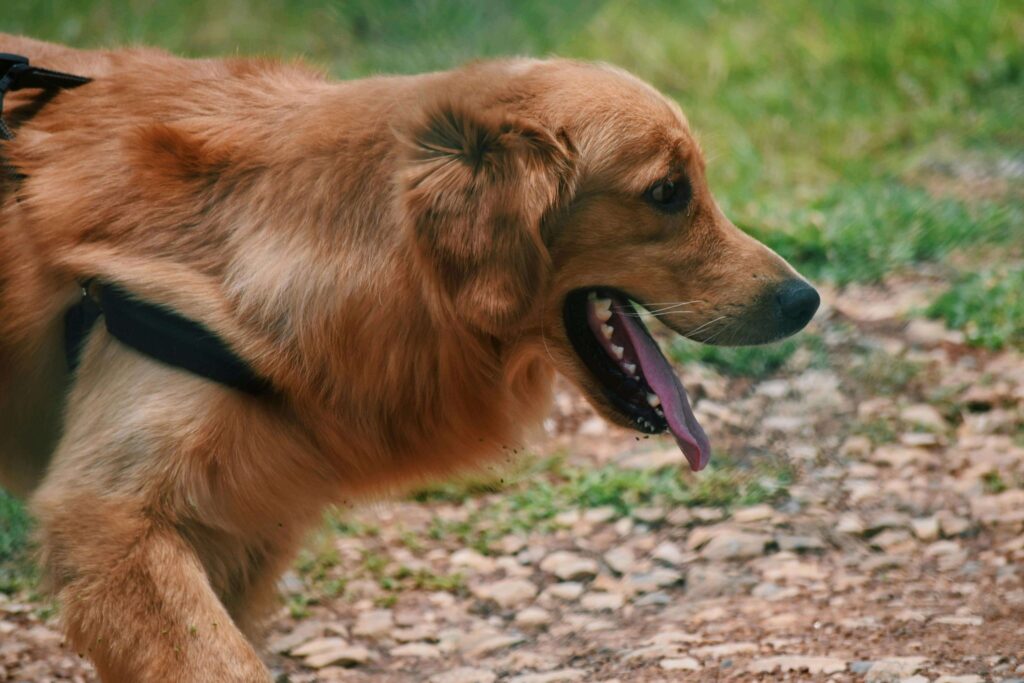
Unlike humans, dogs cannot sweat through their skin. They cool themselves almost entirely through panting. When the air around them is already hot and humid, panting becomes far less effective. Their body temperature rises fast. And it can reach dangerous levels before you even notice something is wrong.
The problem is not just about air temperature either.Ground temperature matters just as much. On a 90-degree day in Texas or Florida, asphalt pavement can reach 150 degrees or more. That is hot enough to cook an egg. And your dog is walking directly on it with bare paws.
This is why having a solid plan for summer is not optional anymore. It is genuinely life-saving knowledge.
When Is It Too Hot to Walk Your Dog?

This is one of the most common questions dog owners ask every summer.
The simple answer is this. If the temperature is above 90 degrees Fahrenheit, your walk should be very short. If it is above 95 degrees, skip the walk entirely and exercise indoors instead.
But air temperature is only part of the picture.
Understanding Dog Summer Care Tips for Different US Climates
The USA has wildly different summer conditions depending on where you live.
In Arizona and Nevada, dry desert heat hits 110 degrees or more. The air is hot but low in humidity. Dogs dehydrate faster than usual in these conditions.
In Florida and the Gulf Coast states, summer brings extreme humidity alongside heat. High humidity makes panting far less effective because the air is already saturated with moisture. A 90-degree humid day in Miami is actually more dangerous than a 100-degree dry day in Phoenix.
In Texas, you get both. Intense heat and high humidity in the eastern part of the state. Dry scorching heat in the west.
In California, the coast is manageable but inland valleys hit dangerous temperatures fast. The Central Valley regularly sees 105 to 115 degrees in July and August.
The key dog summer care tips vary slightly by region. But the foundation is the same everywhere. Avoid peak heat hours, protect paws from hot pavement, and always ensure access to fresh water.
Essential Dog Summer Care Tips Every Owner Should Know
Before we get into specific topics, here are the most important dog summer care tips to keep close at all times.
- Walk your dog before 8 AM or after 7 PM during summer
- Always carry water and a collapsible bowl on walks
- Never leave your dog in a parked car for any amount of time
- Check pavement temperature with your bare hand before walking
- Watch for early signs of overheating constantly
- Provide shade and cool water in the yard at all times
- Limit outdoor playtime to under fifteen minutes during peak heat
- Freeze treats and toys to help your dog cool down at home
Signs of Heatstroke and Heat Exhaustion in Dogs
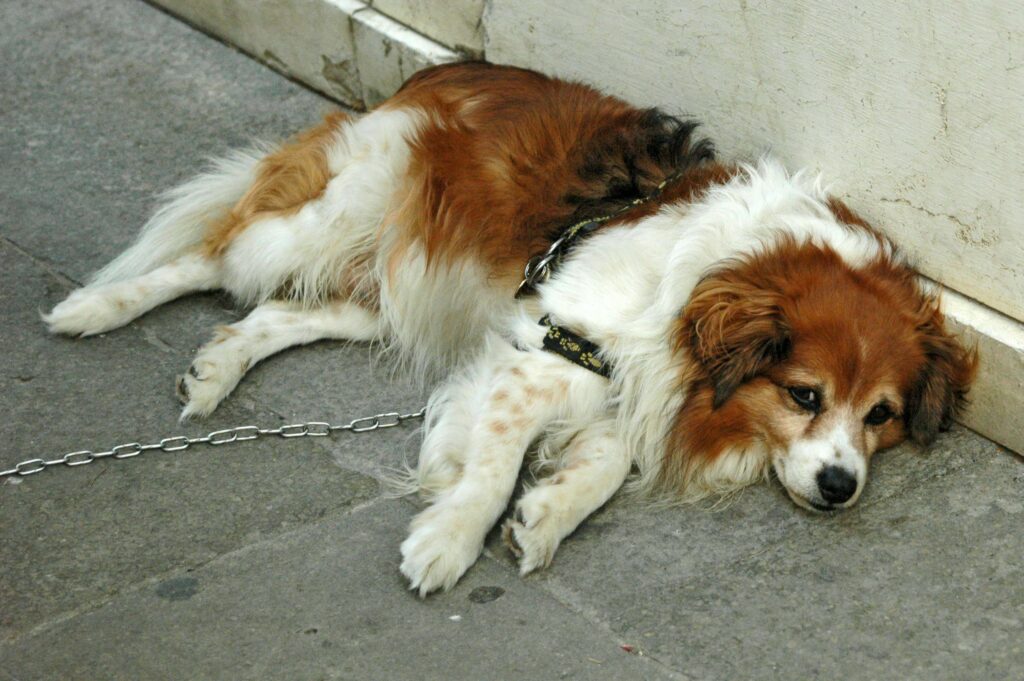
Knowing the difference between a hot dog and a dog in crisis could save their life.
Symptom Comparison Table
| Symptom | Heat Exhaustion | Heatstroke Emergency |
| Panting | Heavy | Extreme and desperate |
| Gum color | Pink but dry | Bright red or pale |
| Drooling | Excessive | Thick and ropy |
| Energy level | Tired and slow | Collapsed or unable to stand |
| Eyes | Glassy | Glazed or unfocused |
| Vomiting | Possible | Likely with blood |
| Body temperature | 103 to 104 F | Above 104 F |
What to Do Immediately
If your dog shows signs of heatstroke, act within seconds. Every minute matters.
Step 1: Move your dog to a cool shaded or air-conditioned space immediately.
Step 2: Apply cool water to their body. Focus on the neck, armpits, and groin area. Do not use ice cold water. It constricts blood vessels and actually slows cooling.
Step 3: Place a fan near them if available.
Step 4: Offer small sips of cool water if they are conscious and able to swallow.
Step 5: Call your vet or emergency animal hospital immediately. Do not wait to see if they improve on their own.
Step 6: Transport them to the vet even if they seem to recover. Internal damage from heatstroke is not always visible from the outside.
According to the ASPCA, heatstroke can cause organ failure even after a dog appears to have recovered. Immediate veterinary care is non-negotiable.
Best Ways to Keep Dogs Cool in Extreme Heat 2026
Keeping your dog cool is not complicated. But it does require some planning.
Practical Dog Summer Care Tips for Hot Pavement and Paw Burns
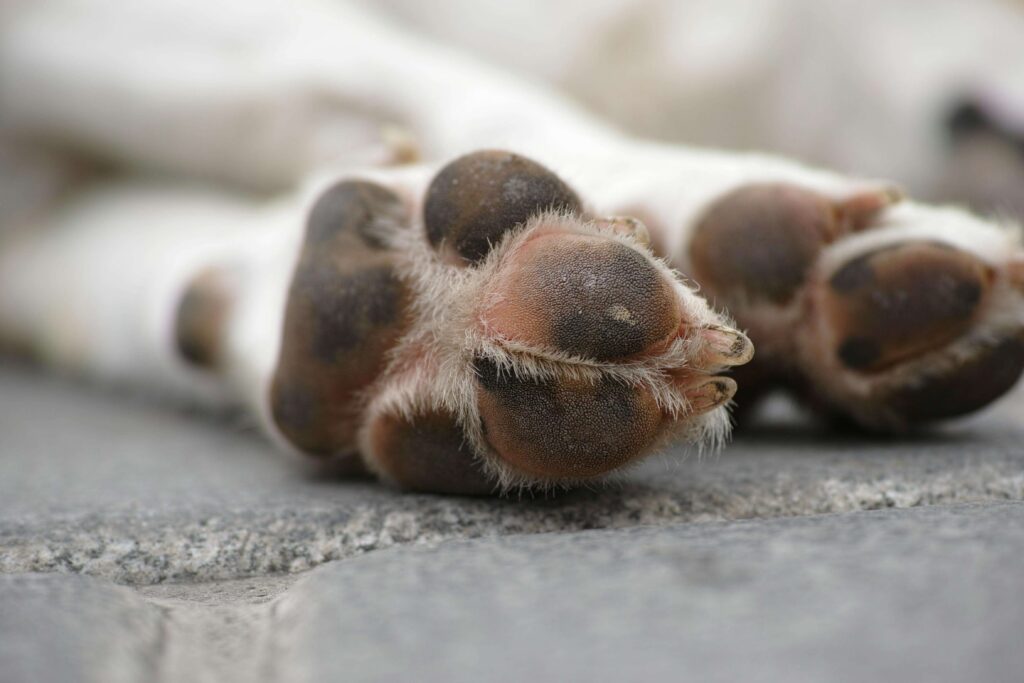
Paw burns are one of the most overlooked summer injuries in dogs.
Your dog walks on pavement that could be hot enough to cause burns in thirty seconds. Yet most owners only notice something is wrong when their dog starts limping days later when the damage is already done.
Here is a simple test. Place the back of your hand flat on the pavement for seven seconds. If you cannot hold it there comfortably, it is too hot for your dog’s paws.
To protect paws:
- Walk on grass whenever possible instead of pavement
- Use dog booties for pavement walks during summer
- Apply paw balm before and after walks to protect the skin
- Walk during early morning or evening when pavement has cooled
- Check paws after every walk for redness, blistering, or raw patches
At home cooling tips:
- Set up a paddling pool in a shaded area of the yard
- Place cooling mats in your dog’s favorite resting spots
- Keep blinds closed during the hottest part of the day to reduce indoor temperature
- Run a fan near their sleeping area
- Give frozen treats throughout the day
Top Cooling Products for Dogs in Hot Weather — 2026 Reviews
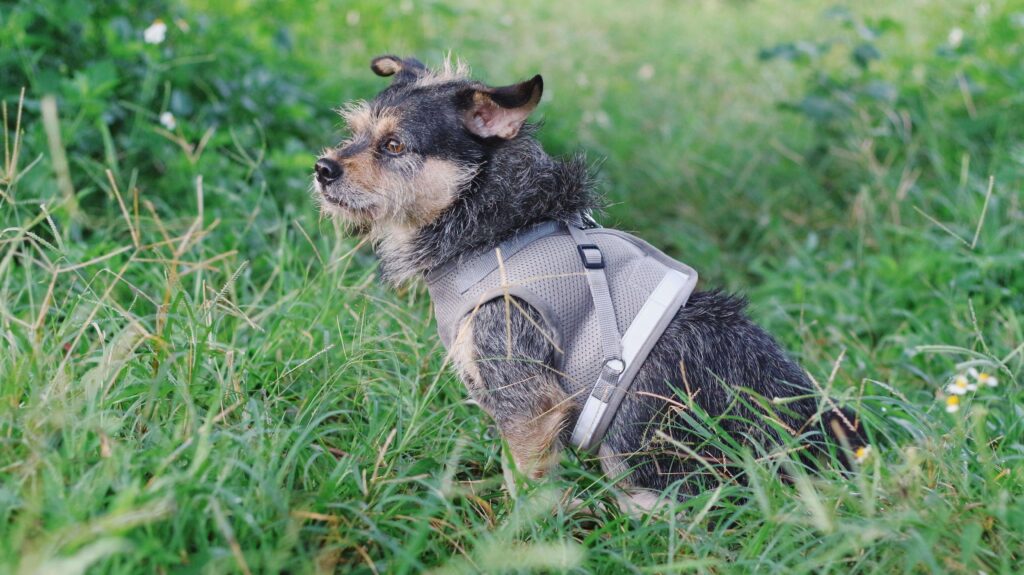
Comparison Table
| Product | Type | Best for | Price Range | Rating |
| Ruffwear Swamp Cooler Vest | Cooling Vest | Active outdoor dogs | High | 9.5/10 |
| The Green Pet Shop Cooling Mat | Cooling Mat | Indoor use | Medium | 9/10 |
| Kurgo Cooling Bandana | Bandana | Quick portable relief | Low | 8.5/10 |
| KONG H2O Portable Fountain | Water Bottle | Walks and hiking | Medium | 9/10 |
| Chillz Cooling Mat | Pressure Activated Mat | Budget-friendly option | Low | 8/10 |
Ruffwear Swamp Cooler Vest is the top pick for active dogs. It uses evaporative cooling technology to keep body temperature down during outdoor activities. Soak it in water, wring it out, and put it on. It stays cool for hours.
The Green Pet Shop Cooling Mat is ideal for home use. It is pressure-activated, requires no water or electricity, and stays cool for up to three to four hours of continuous use.
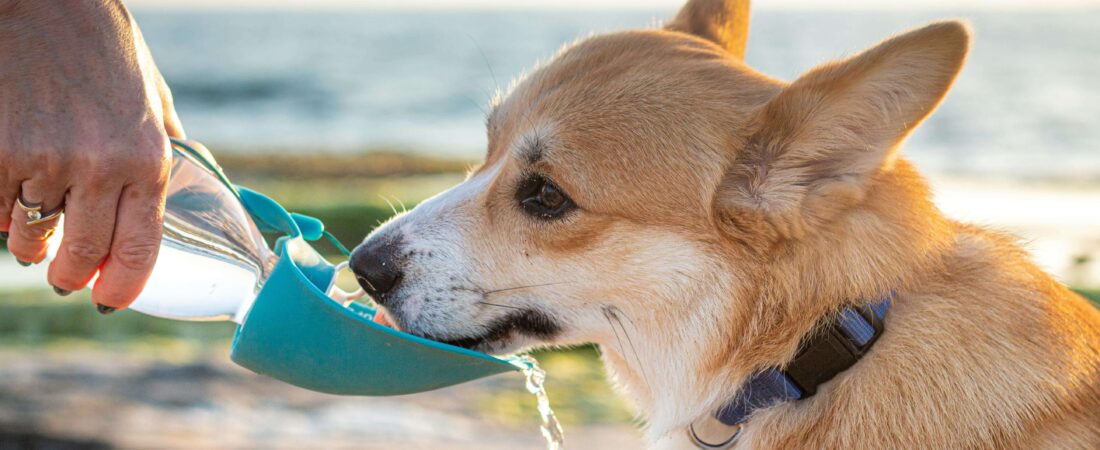
KONG H2O Portable Water Bottle combines a water bottle and bowl in one product. It is lightweight and easy to carry on any walk. Keeping your dog hydrated is the single most important thing you can do in summer heat.
All of these products are available on Chewy and Amazon.
Breed Specific Dog Heat Safety Advice
Not all dogs handle heat the same way. Some breeds are significantly more vulnerable than others.
Brachycephalic Breeds — Bulldogs, Pugs, French Bulldogs
These dogs have short flat faces and narrow airways.
They struggle to breathe normally even in cool weather. In summer heat, their already limited ability to pant means they overheat in a fraction of the time other breeds do. A Bulldog can develop heatstroke in temperatures that a Labrador would handle easily.
For these breeds, outdoor time during summer should be extremely limited. Air conditioning is not optional. It is essential.
Double-Coated Breeds — Huskies, Golden Retrievers, German Shepherds
common myth is that shaving a double-coated breed helps them stay cool in summer.
It actually makes things worse. The double coat insulates against both cold and heat. Shaving it removes that natural protection and exposes the skin to direct sun, which increases the risk of sunburn and overheating. Brush regularly to remove loose undercoat instead.
Senior Dogs
Older dogs regulate body temperature less efficiently.
Their cardiovascular systems are not as strong. They tire more quickly. They may also be on medications that increase heat sensitivity. Senior dogs need shorter outdoor sessions, more frequent water breaks, and extra monitoring during hot weather.
Puppies
Young puppies cannot regulate body temperature as effectively as adult dogs.
They also do not know when to stop playing. They will keep running and playing even when they are dangerously overheated because they simply do not know any better. Keep outdoor play sessions under ten minutes during summer and watch them closely.
Never Leave Your Dog in a Car During Summer
This section could save a dog’s life.
On a 90-degree day, the inside of a parked car reaches 130 degrees within minutes. Cracking a window makes almost no difference. The temperature inside continues to climb regardless.
Dogs left in parked cars during summer die every year in the USA. Every. Single. Year.
There is no acceptable reason to leave a dog in a parked car during summer in the USA. Not even for five minutes. Not even in the shade. Not even with a window cracked.
If you see a dog in distress inside a hot car, note the car details and call 911 immediately. Many US states have laws allowing citizens to break car windows to rescue animals in distress without legal consequences.
Homemade Ways to Cool Down Your Dog in Summer

You do not need to spend a lot of money to keep your dog cool.
These simple homemade solutions work really well.
Frozen Peanut Butter Kong: Fill a KONG toy with plain peanut butter and freeze overnight. Gives your dog something cold to work on during the hottest part of the day. Always check that peanut butter does not contain xylitol before using it. Read our guide on human foods that are dangerous for dogs to learn more.
Frozen Chicken Broth Cubes: Pour plain low-sodium chicken broth into an ice cube tray and freeze. Offer a few cubes throughout the day. Most dogs absolutely love them.
DIY Cooling Mat: Soak an old towel in cool water, wring it out lightly, and lay it in a shaded spot. Let your dog lie on it to bring their body temperature down.
Kiddie Pool: A simple plastic paddling pool filled with a few inches of cool water gives dogs a way to cool off on their own terms whenever they need it.
Senior Dog Summer Care Tips During Heatwaves
Senior dogs need extra attention during summer heatwaves.
Keep all outdoor activity to early morning before 8 AM. Watch for subtle signs of overheating that are easy to miss in older dogs, including unusual panting, reluctance to move, and confusion.
Make sure their sleeping area is the coolest room in your home. A cooling mat under their bed adds extra relief. Fresh water should be available in multiple locations so they do not have to walk far to stay hydrated.
If your senior dog takes any medications, ask your vet whether any of them increase heat sensitivity. Some heart and blood pressure medications do exactly that.
Dog Hydration Tips During Heatwaves
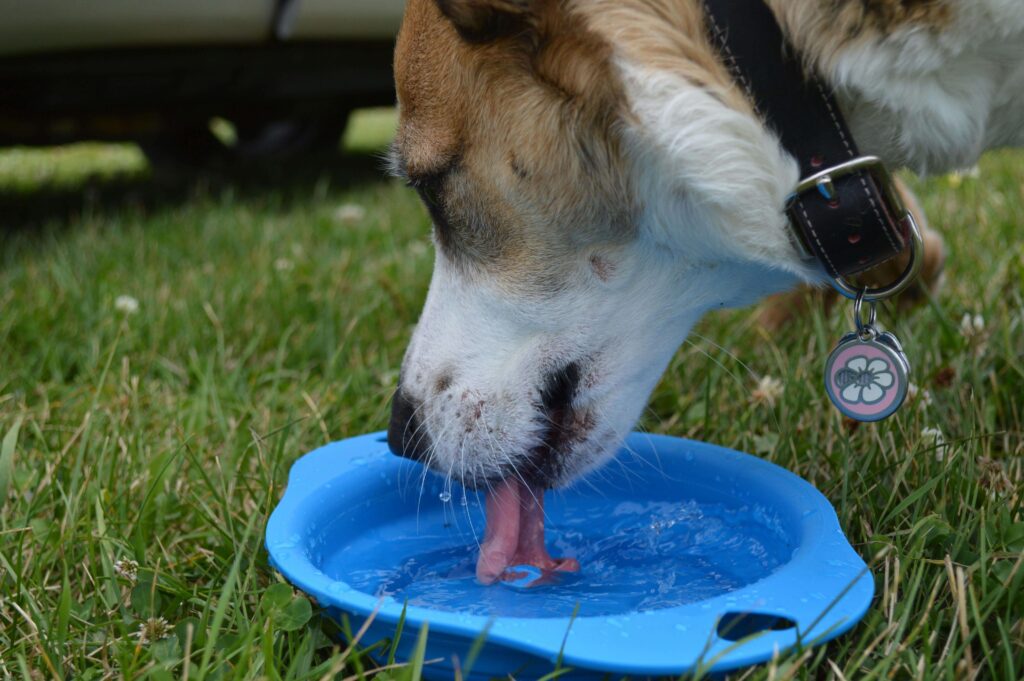
Dehydration sneaks up on dogs faster than most owners realize.
By the time your dog looks thirsty, they are already mildly dehydrated. Prevention is everything.
- Provide fresh cool water in multiple locations around your home
- Change water at least twice daily during summer
- Add ice cubes to water bowls to keep them cool longer
- Bring water on every outing no matter how short
- Offer water proactively every thirty minutes during outdoor activity
- Add a splash of low-sodium broth to water if your dog is reluctant to drink
A simple dehydration test: gently pinch the skin on the back of your dog’s neck. It should spring back immediately. If it stays tented for a second, your dog needs water right away.
For more detail guide read our artical : Dog dehydration symptoms
Best Cooling Mat for Dogs — 2026 Reviews
The best overall cooling mat for most dog owners in 2026 is The Green Pet Shop Dog Cooling Mat.
It requires no refrigeration or electricity. The pressure-activated gel inside absorbs body heat automatically when your dog lies on it. It recharges itself after fifteen minutes of non-use. It comes in multiple sizes for all breeds and is easy to clean with a damp cloth.
For larger dogs, the Arf Pets Self Cooling Mat offers a larger surface area at a competitive price point.
Both are available on Chewy and Amazon with free shipping.
Natural Remedies for Dog Heat Stress
These natural approaches support recovery from mild heat stress.
Coconut water in small amounts provides electrolytes that help rehydrate faster than plain water. Offer a few tablespoons after exercise in the heat.
Aloe vera gel applied to paw pads after a hot walk soothes any minor irritation and cools the surface temperature of the paw.
Chamomile tea cooled to room temperature and offered in small amounts has mild calming and anti-inflammatory properties that can help a mildly stressed dog settle.
For any sign of actual heatstroke, skip home remedies entirely and go straight to the vet.
Summer Safety Tips for Bulldogs and Pugs
Bulldogs and Pugs need a completely different summer plan compared to other breeds.
Keep them indoors with air conditioning running during any part of the day when temperatures exceed 80 degrees. Morning walks should happen before 7 AM and last no longer than ten minutes. Always carry water. Watch their breathing constantly during any outdoor activity.
Signs of overheating in flat-faced breeds appear faster and escalate quicker than in other dogs. Loud, raspy breathing that suddenly gets worse, blue-tinged gums, or sudden collapse require emergency vet care within minutes.
Pet Insurance and Heatstroke Coverage in the USA
Heatstroke treatment in the USA can cost between 1,500 and 5,000 dollars or more depending on severity.
That includes IV fluids, oxygen therapy, bloodwork, organ function monitoring, and potentially overnight hospitalization. Most pet owners are not financially prepared for that bill.
Pet insurance in the USA typically costs between 30 and 80 dollars per month. Most comprehensive plans cover emergency heatstroke treatment because it is classified as an accident rather than a pre-existing condition.
If you live in a high-heat state like Texas, Arizona, or Florida and have a breed that is vulnerable to heat, pet insurance is genuinely worth serious consideration before summer arrives.
Frequently Asked Questions
What are the most important dog summer care tips in 2026?
The most critical dog summer care tips are walking only during early morning or evening hours, never leaving your dog in a parked car, providing constant access to fresh water, recognizing heatstroke symptoms early, and knowing your specific breed’s heat vulnerabilities.
What are the signs of heatstroke in dogs?
Key signs include extreme panting, bright red or pale gums, thick ropy drooling, weakness or collapse, vomiting, glazed eyes, and body temperature above 104 degrees Fahrenheit. Any of these signs require immediate cooling and emergency vet contact.
When is it too hot to walk your dog in summer?
Above 90 degrees Fahrenheit, walks should be very brief. Above 95 degrees, skip the walk entirely. Always check pavement temperature by placing your hand on it for seven seconds. If it is uncomfortable for your hand, it is harmful to your dog’s paws.
How can I protect my dog’s paws from hot pavement?
Walk on grass when possible, use protective dog booties, apply paw balm before and after walks, and walk only during early morning or late evening when pavement has cooled. Always check pavement temperature before heading out.
What are the best cooling products for dogs?
The Ruffwear Swamp Cooler Vest for active dogs, The Green Pet Shop Cooling Mat for home use, and the KONG H2O Portable Water Bottle for walks are the top-rated options for 2026.
How do I keep my senior dog safe in summer heat?
Keep outdoor time to early morning only, provide cooling mats, ensure water is accessible in multiple locations, monitor for subtle overheating signs, and check with your vet whether any medications increase heat sensitivity.
Is pet insurance worth it for heatstroke emergencies?
Yes, especially for flat-faced breeds, large breeds, senior dogs, and owners in high-heat US states. Heatstroke treatment can cost 1,500 to 5,000 dollars. A comprehensive policy averaging 30 to 80 dollars per month covers emergency treatment when you need it most.
What should I do if my dog shows signs of overheating?
Move them to a cool space immediately, apply cool but not ice cold water to their body focusing on neck, armpits, and groin, offer small sips of water if conscious, and call your vet or emergency animal hospital right away. Do not wait to see if they recover on their own.
Final Thoughts
Summer in the USA is beautiful.
Backyard barbecues, beach trips, long evenings on the porch. Your dog wants to be part of all of it. And they absolutely can be, as long as you stay one step ahead of the heat.
The dog summer care tips in this guide are not complicated. They just require awareness and a little preparation. Know your dog’s limits. Know your local climate. Act before problems start rather than after.
Keep water cold and accessible. Walk early. Watch for warning signs. And never underestimate how fast extreme heat can become dangerous.
Your dog is counting on you to know these things. Now you do.
Share your own summer safety routine in the comments below. And if you found this guide helpful, send it to another dog owner before summer peak heat arrives in your area.
Also read: Heat Stroke Prevention in Dogs , Dog Summer Care Texas Florida and Pet Emergency Signs , Dog Exercise Routine Guide and Vet Costs in USA
Author Bio
Written by David Jason
Founder of My Pet Care Tips
Dog owner and animal care enthusiast with over 8 years of hands-on experience caring for dogs through every season. Every article is researched using trusted veterinary sources to help everyday US pet owners make safe and confident decisions for their dogs.Last Updated: May 26, 2026
Sources: AKC, ASPCA, Chewy,Veterinary Emergency Group USA
Note: Always consult a licensed veterinarian for any emergency health situation with your dog.