
Introduction
If you live in Texas or Florida, you already know how brutal summer can be for your dog.A neighbor of mine in Houston lost track of time during a quick afternoon errand. Her Labrador was in the backyard for less than an hour. By the time she got home, he was lying flat, panting uncontrollably, and barely responsive. An emergency vet visit and a very long night later, he survived. But it was close.Dog summer care looks different in Texas and Florida than almost anywhere else in the country.
Texas brings dry, scorching heat that regularly tops one hundred and five degrees. Florida brings a different kind of danger entirely, with humidity levels that make even moderate temperatures feel oppressive and turn ordinary panting into an ineffective cooling mechanism.
This guide gives you region-specific, practical dog summer care strategies built for the unique challenges of these two states. Heatstroke recognition, safe walking windows, paw protection, hydration, and a complete daily routine that actually works when the forecast says one hundred and two degrees with ninety percent humidity.
Why Dog Summer Care is Critical in Texas and Florida
These two states present genuinely different versions of the same danger.
In Texas, the threat is dry intense heat. Cities like Dallas, Houston, San Antonio, and Austin regularly see temperatures between ninety-five and one hundred and ten degrees from June through September. The dry air accelerates dehydration even as it makes the heat feel slightly more tolerable than humid climates.
In Florida, the threat is humidity. Miami, Tampa, Orlando, and Jacksonville frequently combine ninety-degree temperatures with humidity levels above eighty percent. This combination is uniquely dangerous because dogs cool themselves almost entirely through panting, and panting becomes far less effective when the surrounding air is already saturated with moisture.
According to the American Veterinary Medical Association, heatstroke cases in dogs have risen consistently across both states over recent years, with emergency veterinary clinics in Texas and Florida reporting some of the highest heat-related case volumes in the country during peak summer months.
Understanding which danger your region presents shapes how you should actually approach summer care.
Signs of Heatstroke and Heat Exhaustion in Dogs
Early Warning Signs Every Owner Must Know
Heatstroke develops in stages, and catching it early changes the outcome dramatically.
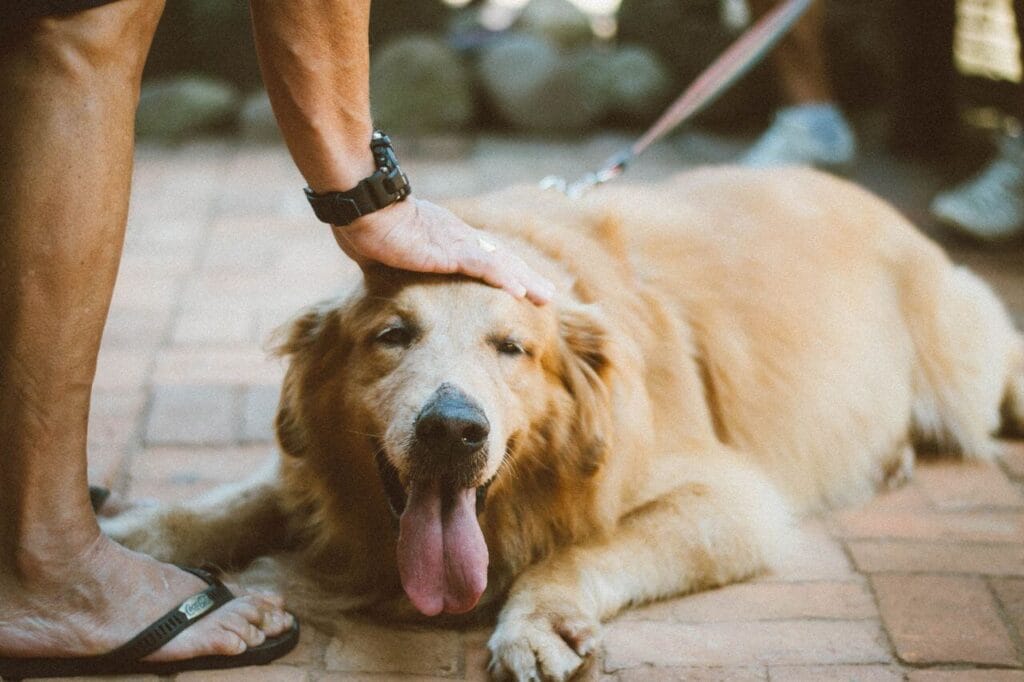
Heat exhaustion signs:
- Heavy panting that does not slow with rest
- Excessive drooling
- Bright pink or red gums
- Restlessness or seeking shade repeatedly
- Slightly elevated body temperature
Heatstroke signs — emergency level:
- Extreme panting that sounds desperate
- Thick, ropy drooling
- Gums turning very red, pale, or bluish
- Vomiting or diarrhea
- Weakness or stumbling
- Collapse or inability to stand
- Body temperature above 104 degrees Fahrenheit
- Seizures in severe cases
Brachycephalic breeds, senior dogs, overweight dogs, and dogs with dark coats progress through these stages faster than other dogs in Texas and Florida conditions.
Emergency Actions — What to Do Immediately
If you suspect heatstroke, act within seconds.
Step 1: Move your dog to shade or air conditioning immediately.
Step 2: Apply cool water, not ice cold water, to the neck, armpits, and groin area. Ice cold water constricts blood vessels and actually slows the cooling process.
Step 3: Use a fan if available to increase evaporative cooling.
Step 4: Offer small sips of cool water if your dog is conscious and able to swallow.
Step 5: Call your vet or nearest emergency animal hospital immediately, even if your dog seems to be improving.
Step 6: Transport to the vet regardless of apparent recovery. Internal organ damage from heatstroke is not visible externally and requires professional evaluation.
For more guidance on recognizing critical symptoms, read our complete guide on pet emergency signs.
Safe Walking Times and Paw Burn Prevention in Hot Weather
When Is It Too Hot to Walk Your Dog in Texas or Florida?
Safe Walking Temperature Chart
| Temperature | Texas (Dry Heat) | Florida (High Humidity) |
| Under 80°F | Safe for normal walks | Safe for normal walks |
| 80 to 90°F | Shorten walks, watch closely | Shorten walks significantly |
| 90 to 95°F | Early morning or evening only | Avoid midday entirely |
| 95 to 100°F | Brief 5-10 min relief breaks only | Indoor exercise recommended |
| 100°F plus | Indoor exercise only | Indoor exercise only |
In Texas, the dry heat means the temperature reading itself is the primary danger indicator. Walks should happen before 8 AM or after 7 PM throughout the peak summer months from June through September.
In Florida, humidity makes the heat index, not just the air temperature, the more important number to watch. A ninety-degree day with eighty-five percent humidity can have a heat index well over one hundred degrees, which is significantly more dangerous than the thermometer alone suggests.
Dog Paw Burns on Hot Pavement — How to Check and Protect
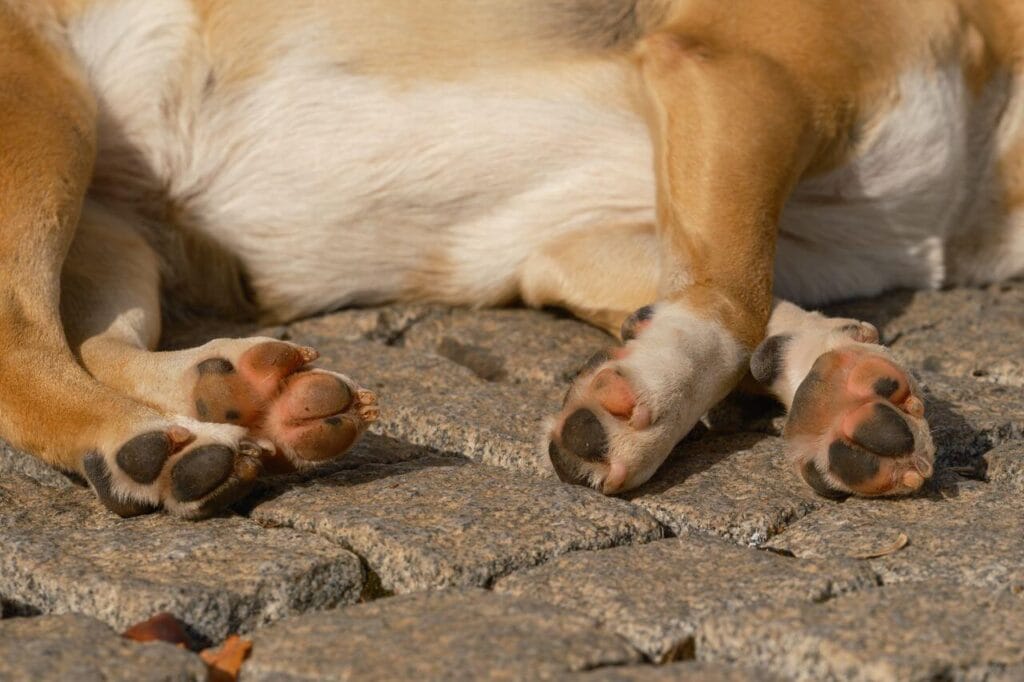
Pavement temperature is often overlooked but causes real, painful injuries every summer in both states.
On a ninety-degree day, asphalt can reach one hundred and forty to one hundred and sixty degrees. That is hot enough to cause second-degree burns in under a minute.
The seven-second test: Place the back of your hand flat on the pavement. If you cannot hold it there comfortably for seven seconds, it is too hot for your dog’s paws.
Protection strategies:
- Walk on grass whenever possible instead of pavement or asphalt
- Use dog booties rated for hot surfaces during summer months
- Apply paw balm before and after walks to add a protective layer
- Time walks for early morning when pavement has cooled overnight
- Check paws after every walk for redness, blistering, or raw patches
Florida’s sandy beach areas present a similar hazard. Sand can reach extremely high temperatures in direct sun and should be tested the same way before extended beach time.
Best Ways to Keep Dogs Cool in Florida and Texas Heat
Indoor Cooling Solutions for Dogs
Air conditioning is not optional for dogs in either state during peak summer. It is essential.
If central air conditioning is limited, a dedicated fan directed at your dog’s resting area, cooling mats placed in their favorite spots, and keeping blinds closed during peak afternoon hours all help maintain a safer indoor temperature.
Tile and hardwood floors stay naturally cooler than carpet. Many dogs in hot climates instinctively seek out these surfaces, and allowing access to them during the hottest hours supports natural cooling behavior.
Outdoor Cooling Tips for High Humidity
In Florida specifically, managing humidity matters as much as managing temperature.
Outdoor shade structures with good airflow work better than enclosed shelters, which trap humid air. A kiddie pool with a few inches of cool water gives dogs a way to self-regulate their body temperature during yard time. Misting systems and outdoor fans designed for patios significantly improve comfort during necessary outdoor time.
Limit unsupervised outdoor time in Florida humidity even when temperatures seem moderate. The combination of heat and moisture is deceptively dangerous compared to dry heat at the same thermometer reading.
Best Cooling Products for Dogs in 2026
Cooling Products Comparison Table
| Product | Best For | Texas or Florida | Price Range |
| Ruffwear Swamp Cooler Vest | Active outdoor dogs | Both | High |
| The Green Pet Shop Cooling Mat | Indoor resting spots | Both | Medium |
| Chillz Cooling Bandana | Quick portable cooling | Texas dry heat | Low |
| KONG H2O Water Bottle | Walks and outings | Both | Medium |
| Portable Misting Fan | Patio and yard time | Florida humidity | Medium |
| Elevated Cooling Cot | Airflow underneath dog | Both | Medium |
The Ruffwear Swamp Cooler Vest uses evaporative cooling technology and works particularly well in Texas dry heat where evaporation happens efficiently. In Florida’s humid air, evaporative cooling products are somewhat less effective, making cooling mats and direct water-based cooling more reliable choices.
All products are available through Chewy and Amazon with regular shipping to both states.
Hydration and Nutrition Tips for Summer Care for Dogs
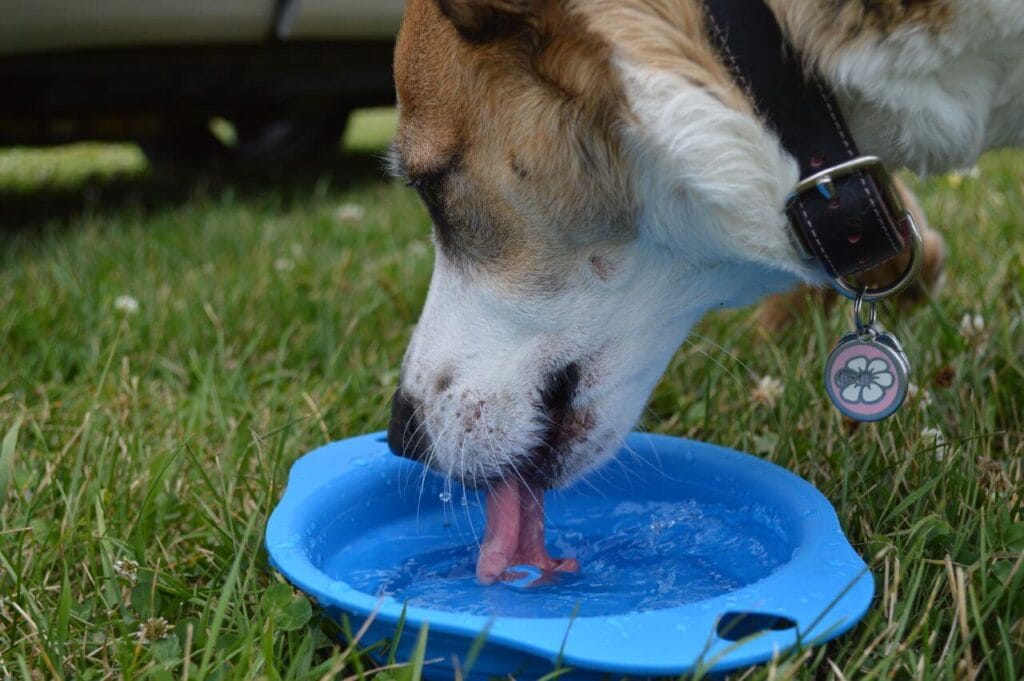
How Much Water Does a Dog Need in Extreme Heat?
Water needs increase significantly during Texas and Florida summers.
A general guideline is one ounce of water per pound of body weight daily under normal conditions. During extreme heat and increased activity, this can nearly double. A fifty-pound dog that normally needs about fifty ounces daily may need closer to eighty to one hundred ounces during peak summer heat.
Always carry water on any outing, even short ones. Offer water every twenty to thirty minutes during any outdoor activity. Add ice cubes to home water bowls to keep water appealing and cool throughout the day.
A simple hydration check: gently pinch the skin at the back of your dog’s neck. It should spring back immediately. If it stays tented even briefly, your dog needs water right away.
For more detail guide read our artical: Dog dehydration symptoms
Best Summer Diet Adjustments
Many dogs naturally eat slightly less during extreme heat as their activity level decreases. This is normal and not usually a concern unless accompanied by other symptoms.
Feeding during cooler parts of the day, offering smaller more frequent meals instead of one large meal, and adding wet food or a small amount of low-sodium broth can help maintain hydration and appetite during the hottest months.
For complete nutrition guidance, read our article on best dog food for healthy growth and strong bones.
Special Care for Brachycephalic and Senior Dogs in Hot Climate
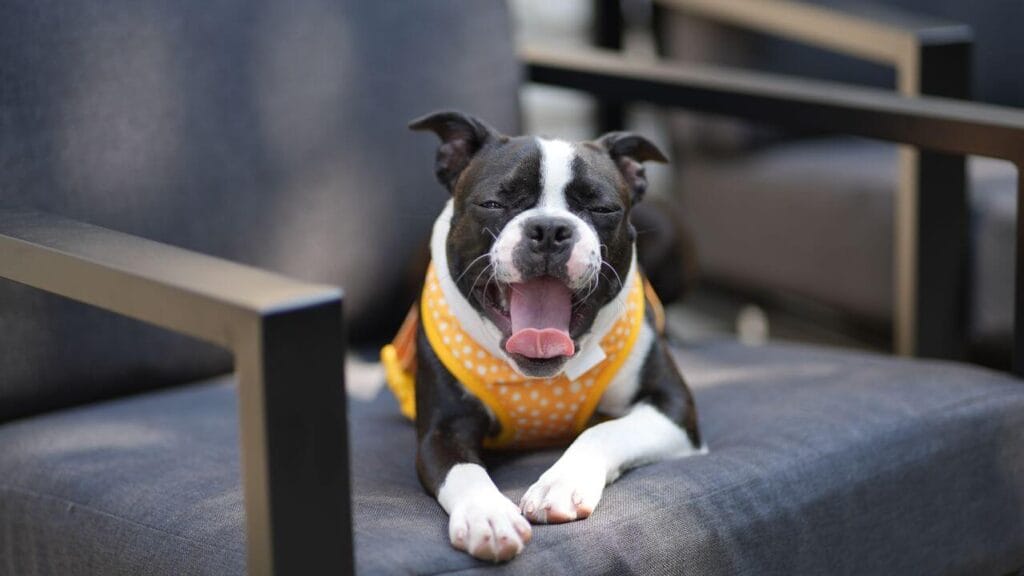
Flat-faced breeds including Bulldogs, Pugs, French Bulldogs, and Boston Terriers face dramatically higher heatstroke risk in both Texas and Florida.
Their compromised airways already limit effective panting in normal conditions. In extreme heat or high humidity, this limitation becomes genuinely dangerous within minutes rather than hours. These breeds should have minimal outdoor exposure during summer, with bathroom breaks kept under five minutes during peak heat hours.
Senior dogs regulate body temperature less efficiently due to age-related changes in cardiovascular function. Many are also on medications that increase heat sensitivity. Senior dogs in Texas and Florida need shorter outdoor sessions, closer monitoring, and immediate access to cool indoor spaces at all times during summer months.
Complete Daily Dog Summer Care Routine for Texas and Florida
Morning (before 8 AM):
Walk or exercise during the coolest part of the day. Check pavement temperature before heading out. Bring water regardless of walk length.
Midday (10 AM to 4 PM):
Keep dogs indoors with air conditioning or in well-shaded, ventilated outdoor areas only. Avoid all but the briefest bathroom breaks. Refresh water bowls and add ice if needed.
Afternoon (4 PM to 6 PM):
Continue limiting outdoor exposure as this remains one of the hottest parts of the day in both states, even as the sun begins to lower.
Evening (after 7 PM):
Second walk or exercise session once temperatures have dropped meaningfully. Check paws again after any outdoor activity.
Throughout the day:
Monitor for early heat exhaustion signs continuously. Keep cooling products accessible. Never leave your dog in a parked car under any circumstances, even briefly, even with windows cracked.
Frequently Asked Questions
What are the best dog summer care tips for Texas and Florida heat?
Walk only during early morning or evening hours, always test pavement before walks, keep dogs indoors with air conditioning during peak afternoon heat, provide constant access to fresh water, and know the early signs of heatstroke. In Texas, focus on managing intense dry heat. In Florida, focus on managing humidity which reduces panting effectiveness.
How do I keep dogs cool in Florida’s high humidity?
Prioritize air conditioning and indoor cooling over outdoor evaporative products, which are less effective in humid air. Use cooling mats, provide a kiddie pool for self-regulation, and limit outdoor time even on days that do not feel excessively hot by temperature alone, since the combined heat index matters more than the thermometer reading.
What are signs of heatstroke in dogs?
Extreme panting, thick ropy drool, very red or pale gums, weakness, vomiting, collapse, and body temperature above 104 degrees Fahrenheit are all heatstroke signs requiring immediate emergency veterinary care.
When is it too hot to walk your dog in a Texas summer?
Above ninety-five degrees, walks should be extremely brief with relief breaks. Above one hundred degrees, exercise should move entirely indoors. Always check pavement temperature with the seven-second hand test regardless of air temperature reading.
How do I protect my dog’s paws from hot pavement?
Walk on grass when possible, use protective dog booties, apply paw balm before and after walks, and time outdoor activity for early morning or late evening when surfaces have cooled significantly from daytime peak temperatures.
What are the best cooling products for dogs in extreme heat?
The Ruffwear Swamp Cooler Vest works well in Texas dry heat through evaporative cooling. Cooling mats and portable misting fans are more effective in Florida’s humid conditions. A portable water bottle is essential in both states for any outdoor activity.
How much exercise should dogs get in summer?
Dogs still need daily exercise, but timing matters more than duration during summer. Move exercise sessions to early morning and evening, keep midday activity to brief bathroom breaks only, and supplement with indoor mental stimulation and play when outdoor conditions are unsafe. For complete guidance, read our dog exercise routine guide.
What should I do if I suspect heat exhaustion in my dog?
Move to a cool shaded or air-conditioned area immediately, apply cool water to the neck and groin area, offer small sips of water, and monitor closely. If symptoms progress to heatstroke level including collapse, extreme weakness, or vomiting, go to the emergency vet immediately regardless of apparent improvement.
Final Thoughts
Texas and Florida summers are genuinely beautiful, and your dog deserves to enjoy them safely alongside you.
The key is understanding which specific danger your region presents and adjusting accordingly. Dry intense heat in Texas demands attention to temperature and hydration. Humid conditions in Florida demand attention to airflow and cooling efficiency, since panting alone often is not enough.
Build the daily routine that fits your climate. Watch for early warning signs before they escalate. Keep cooling products accessible. And never underestimate how quickly extreme heat or humidity can turn dangerous, even during a quick errand or short backyard visit.
My neighbor’s Labrador recovered fully, and that close call changed how seriously her entire family approaches summer heat every single year since. Learn from that story before you need to live it yourself.
What is your best summer cooling tip for keeping your dog safe in Texas or Florida heat? Share it in the comments below. Your experience might genuinely help another local dog owner this summer.
Also read:
→ Heat Stroke Prevention in Dogs
→ Dog Summer Care Tips
→ Pet Emergency Signs
→ Dog Exercise Routine Guide
→ Common Pet Health Problems
Author Bio
Written by David Jason
Founder of My Pet Care Tips
Dog owner with over 8 years of hands-on experience managing pet care through extreme seasonal conditions. Every tip in this guide is based on real experience and trusted veterinary sources specific to high heat US climates.
Last Updated: June 16, 2026
Sources: AVMA, ASPCA, Texas Veterinary Medical Association,Florida Veterinary Medical Association, VCA Hospitals
Note: Always consult a licensed veterinarian for any emergency heat-related symptoms in your dog.