
Last Updated: May 24, 2026
Author: David Jason | Pet Care Writer with 8+ Years of Experience
Introduction
My friend called me in a panic last summer. Her dog Max had been scratching for weeks. She thought it was just dry skin. By the time she took him to the vet, he had a full-blown skin infection that cost her over eight hundred dollars to treat. The crazy part? It was completely preventable. As dog owners, we love our pets more than anything. But most of us only visit the vet when something goes seriously wrong. The truth is, knowing the most common dog health problems early can save your dog from unnecessary suffering and save you from a massive vet bill. This guide covers the 12 most frequent common dog health problems reported across the USA in 2026. For each one, you will find simple symptoms to watch for, easy prevention tips, and clear guidance on when to call your vet. Let us get into it.
Why Dog Health Problems Are Increasing in 2026
Lifestyle Changes Affecting Dog Health
Our dogs are living longer than ever before.
That is great news. But longer lives also mean more health challenges along the way.
More dogs today are spending long hours indoors. Many are eating processed foods that lack real nutritional value. Daily exercise has dropped for a lot of pets. These changes are directly linked to rising rates of obesity, dental disease, and joint problems across the country.
Most At Risk Dogs
Not every dog faces the same risks. Here is a quick breakdown.
- Small breeds — more prone to dental disease and knee problems
- Large breeds — higher risk of hip issues, bloat, and certain cancers
- Senior dogs — more vulnerable to arthritis, thyroid problems, and organ disease
- Flat-faced breeds like Bulldogs — chronic breathing and eye issues
How Regular Checkups Help
Here is something most people do not realize.
Most serious dog illnesses show zero symptoms in the early stages. Your dog looks and acts completely fine. But something is quietly developing inside.
Annual wellness exams catch these problems before they become expensive emergencies. According to the American Kennel Club, a routine checkup costs a fraction of what emergency treatment costs for the same condition caught too late.
Top 12 Most Common Dog Health Problems
1. Skin Allergies and Itching

Skin allergies are one of the most common dog health problems today. Some dogs scratch constantly because of food allergies, pollen, dust, fleas, or even certain shampoos.
Symptoms:
- Constant scratching
- Red or irritated skin
- Paw licking
- Hair loss
- Ear irritation
Prevention Tips:
Keep your dog clean and use flea prevention regularly. Feeding high quality food can also reduce allergy flare ups.
Common Causes:
Pollen, dust mites, flea bites, certain food ingredients, and even some cleaning products can trigger reactions.
When to See a Vet:
If the itching lasts more than a few days or the skin becomes swollen or infected, contact your veterinarian.
2. Ear Infections
Ear infections are very common, especially in dogs with floppy ears. Moisture trapped inside the ears can quickly lead to bacteria growth.
Symptoms:
- Head shaking
- Bad smell from ears
- Redness
- Ear discharge
- Pain when touching ears
Prevention Tips:
Dry your dog’s ears after swimming or bathing. Clean the ears gently with a vet approved cleaner.
Common Causes:
Bacteria, yeast, moisture trapped after swimming or bathing, and underlying allergies.
When to See a Vet :
Do not ignore ear infections. Untreated infections can lead to hearing problems and severe pain.
3. Obesity

Dog obesity has become a major problem in recent years. Many owners unknowingly overfeed their pets or give too many treats.
Excess weight puts pressure on the joints and increases the risk of diabetes and heart disease.
Symptoms:
- Rapid weight gain
- Low energy
- Difficulty running
- Heavy breathing
Prevention Tips:
Feed proper portions and make sure your dog gets daily exercise. Even short walks can help maintain a healthy weight.
Common Causes:
Overfeeding, too many treats, not enough exercise, and sometimes an underlying thyroid problem.
When to See a Vet:
If your dog struggles to move or gains weight very quickly, schedule a checkup.
4. Dental Disease
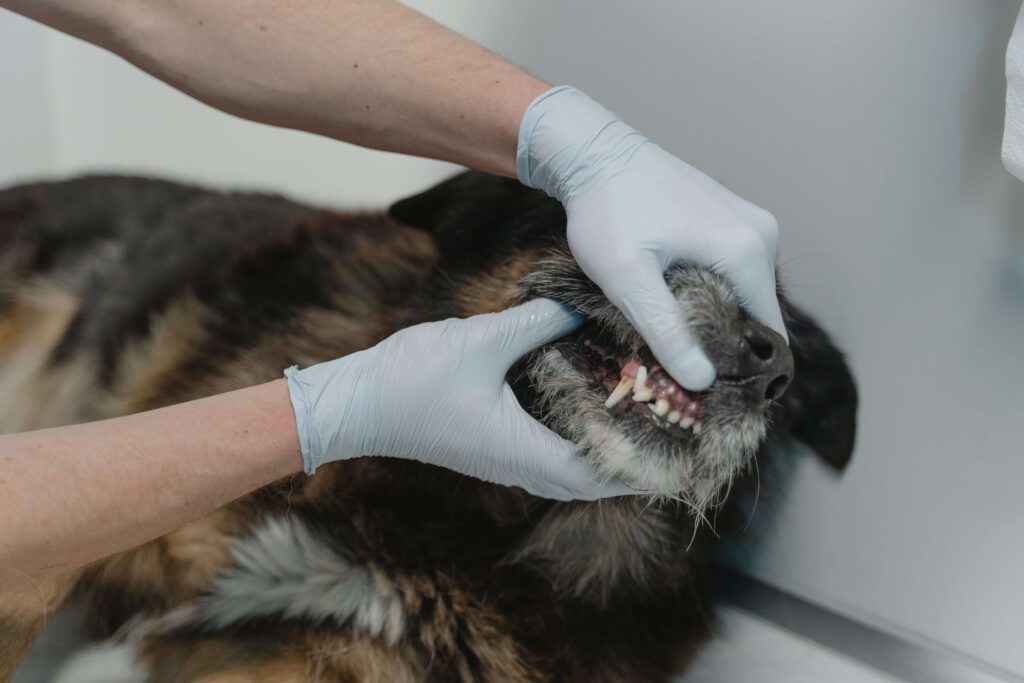
Dental disease affects millions of dogs every year. Plaque and bacteria can damage the teeth and gums over time.
Many pet owners do not realize that bad dental health can also affect the heart, kidneys, and liver.
Symptoms:
- Bad breath
- Yellow teeth
- Gum bleeding
- Trouble chewing food
Prevention Tips:
Brush your dog’s teeth regularly and use dental chews approved by vets.
Common Causes:
Plaque and tartar buildup from lack of dental care leads to gum disease, tooth loss, and in serious cases, heart and kidney complications.
When to See a Vet:
If your dog refuses food or shows signs of mouth pain, seek professional dental care.
5. Arthritis and Joint Problems

Arthritis is especially common in older dogs and large breeds. Joint pain can make simple movements difficult and painful.
Symptoms:
- Limping
- Difficulty standing up
- Stiff walking
- Less activity
Prevention Tips:
Healthy weight management is one of the best ways to protect joints. Joint supplements may also help some dogs.
Common Causes:
Age-related cartilage breakdown, previous injuries, obesity, and genetic factors in certain breeds.
When to See a Vet:
Visit the vet if your dog avoids stairs, struggles to walk, or seems to be in pain.
For more details read our artical :
6. Gastrointestinal Problems
Vomiting and diarrhea are very common in dogs. Sometimes the cause is simple, like eating spoiled food. Other times it may point to infection or poisoning.
Symptoms:
- Vomiting
- Diarrhea
- Loss of appetite
- Weakness
Prevention Tips:
Avoid feeding table scraps and sudden diet changes. Keep harmful foods out of reach.
Common Causes:
Eating too fast, getting into garbage, food intolerance, infections, and parasites.
When to See a Vet:
If vomiting continues for more than a day or there is blood in the stool, contact a vet immediately.
7. Parasites

Fleas, ticks, and heartworms can seriously affect your dog’s health. Parasites spread diseases and may even become life threatening.
Symptoms:
- Excessive scratching
- Hair loss
- Weakness
- Coughing
Prevention Tips:
Use monthly parasite prevention medication and check your dog after outdoor walks.
Common Causes:
Contact with infected animals or environments. Skipping preventive medication.
When to See a Vet:
Difficulty breathing or extreme weakness should be treated as an emergency.
8. Urinary Tract Infections
Urinary tract infections can cause pain and discomfort in dogs. Female dogs are slightly more likely to develop UTIs.
Symptoms:
- Frequent urination
- Blood in urine
- Pain while urinating
- Accidents inside the house
Prevention Tips:
Make sure your dog always has clean drinking water and regular bathroom breaks.
Common Causes:
Bacterial infection, bladder stones, and hormonal changes.
When to See a Vet:
If your dog cannot urinate or cries while trying, seek emergency veterinary care.
9. Eye Problems
Eye infections and vision issues can appear suddenly. Some breeds are naturally more prone to eye diseases.
Symptoms:
- Red eyes
- Cloudiness
- Eye discharge
- Squinting
Prevention Tips:
Keep the eye area clean and avoid exposing your dog to dust or harsh chemicals.
Common Causes:
Conjunctivitis, dry eye syndrome, cataracts in older dogs, and structural issues in flat-faced breeds.
When to See a Vet:
Sudden blindness or eye injuries require immediate medical attention.
10. Hot Spots
Hot spots are painful skin sores that develop quickly. Dogs often lick or bite the area constantly, making it worse.
Symptoms:
- Red moist skin
- Hair loss
- Swelling
- Constant licking
Prevention Tips:
Regular grooming and flea control can reduce the risk of hot spots.
Common Causes:
Allergies, insect bites, moisture trapped in the coat, and stress-related licking.
When to See a Vet:
If the sore spreads or becomes infected, your dog may need medication.
11. Hypothyroidism
Hypothyroidism happens when the thyroid gland does not produce enough hormones. It is more common in middle aged and older dogs.
Symptoms:
- Weight gain
- Low energy
- Hair thinning
- Dry skin
Prevention Tips:
Routine blood tests can help detect thyroid problems early.
Common Causes:
The immune system attacking the thyroid gland, or natural thyroid tissue degeneration. More common in middle-aged and older dogs.
When to See a Vet:
Persistent tiredness and unexplained weight gain should never be ignored.
12. Cancer
Cancer is sadly becoming more common in senior dogs. Early detection can improve treatment success.
Symptoms:
- Lumps or bumps
- Weight loss
- Loss of appetite
- Fatigue
Prevention Tips:
Regular wellness exams and checking your dog for unusual lumps can help catch cancer early.
Common Causes:
Genetic predisposition, environmental factors, and age.
When to See a Vet:
Any rapidly growing lump or major behavioral change should be examined by a vet.
Symptom Checker
Some symptoms are mild and can be monitored at home. Others need immediate veterinary care.
Emergency Symptoms
Call a vet immediately if your dog has:
- Trouble breathing
- Severe bleeding
- Repeated vomiting
- Seizures
- Sudden collapse
- Bloated stomach
- Inability to urinate
Symptoms You Can Monitor
These symptoms may improve within 24 hours:
- Mild itching
- Temporary low appetite
- Occasional loose stool
- Mild tiredness
If symptoms worsen, contact your veterinarian.
Prevention Tips for a Healthy Dog
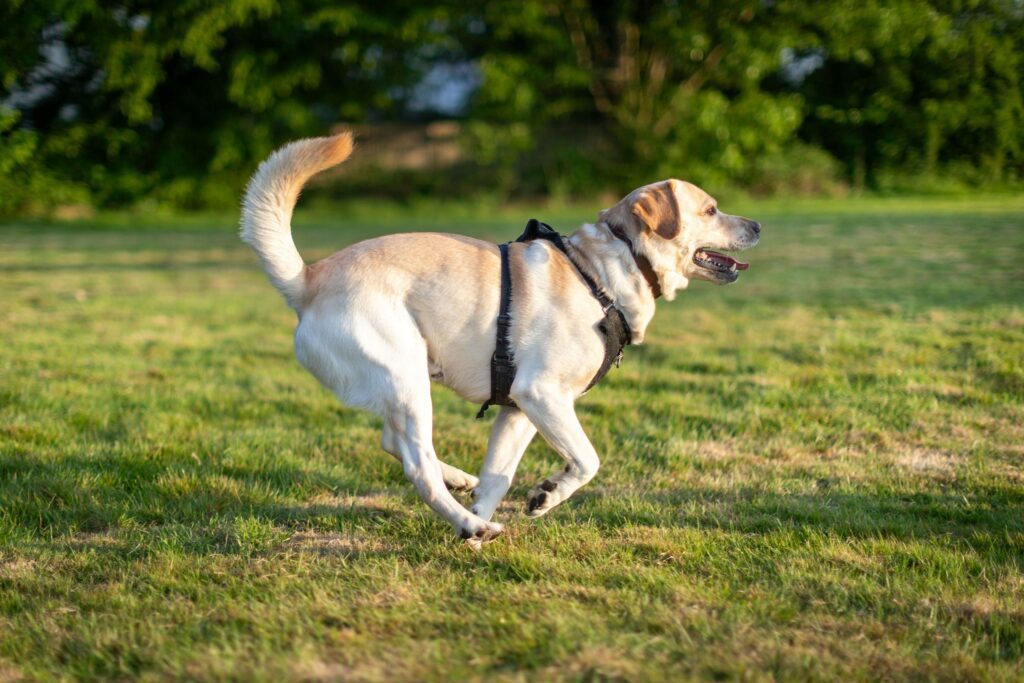
Keeping your dog healthy does not always require expensive treatments. Small daily habits make a big difference.
Daily Habits That Help
- Provide fresh water daily
- Feed balanced meals
- Exercise every day
- Brush teeth regularly
- Groom your dog often
- Schedule yearly vet visits
Vet Checkup Schedule
Puppies need frequent visits during vaccinations. Adult dogs should see a vet once a year. Senior dogs benefit from checkups every six months.
Nutrition, Exercise and Dental Care
Good food is the foundation of everything.A diet with quality protein as the first ingredient and no unnecessary fillers prevents many of the most common problems on this list. For detailed guidance, read our guide on best dog food for healthy growth and strong bones.
Daily exercise is equally important. Even a thirty-minute walk each day does more for your dog’s long-term health than almost any supplement on the market.
The Role of Vet Wellness Exams
According to the ASPCA, annual wellness exams are the single most effective tool for catching disease early in dogs.Many serious conditions show no outward symptoms until they are advanced. Bloodwork and physical examination find them before they become crises.
Average Treatment Costs in the USA
Vet care costs can vary depending on location and severity.
| Health Problem | Average Cost |
| Ear Infection | $150 to $400 |
| Skin Allergies | $200 to $2,000 yearly |
| Dental Cleaning | $300 to $1,000 |
| Arthritis Treatment | $100 to $500 monthly |
| Cancer Treatment | $3,000 or more |
Pet insurance can help reduce emergency medical expenses.
How Pet Insurance Can Help
Pet insurance in the USA costs between 30 and 100 dollars per month on average.For breeds prone to expensive conditions like cancer or hip dysplasia, insurance can save thousands over a lifetime. The key is enrolling before any condition is diagnosed as pre-existing conditions are not covered.
Affordable Home Care Options
Prevention is always cheaper than treatment. Here is the proof.
- Monthly flea prevention costs 15 to 30 dollars versus hundreds for treating an infestation
- A dog toothbrush costs under 15 dollars versus 500 for a professional dental cleaning
- A quality diet costs more upfront but dramatically reduces vet visits over time
Frequently Asked Questions
What are the most common dog health problems?
The most common issues include allergies, ear infections, obesity, dental disease, arthritis, digestive problems, parasites, and cancer.
What are signs that my dog is sick?
Common warning signs include vomiting, diarrhea, low energy, appetite loss, scratching, coughing, and unusual behavior. For detail guide read our artical on Dog dehydration symptoms.
How often should dogs visit the vet?
Healthy adult dogs usually need one checkup per year. Senior dogs often need visits every six months.
What human foods are dangerous for dogs?
Chocolate, grapes, raisins, onions, garlic, and xylitol are the most dangerous. Read our complete guide on human foods that are dangerous for dogs for the full list with symptoms and what to do.
What is the average cost of treating dog ear infections in the USA?
A single ear infection visit typically costs between 100 and 300 dollars including the exam, diagnosis, and medication. Chronic recurring infections can add up to significantly more each year.
Final Thoughts
Here is the honest truth about common dog health problems.
Most of them are preventable. Most of them are manageable when caught early. And most of them become expensive and painful only when they are ignored for too long.
You do not need to be a vet to keep your dog healthy. You just need to pay attention, stay consistent with daily care, and never skip those annual checkups.
Create a simple monthly health routine. Check your dog’s weight, skin, ears, eyes, and teeth regularly. Notice when something seems different. Act early. That is genuinely the best medicine available.
If you want to help your dog stay healthy from the inside out, start with what goes in their bowl.
Read our complete guide on :
→ Dog Exercise Routine Guide
→ Best Dog Food for Bone Health
→ Dog Summer Care Tips
→ Vet Costs in USA
→ Pet Emergency Signs
→ Dog Shampoo for Skin Care
Have you dealt with any of these common dog health problems with your own dog? Share your story in the comments. Your experience might help another pet parent catch something early and make all the difference.
Author Bio
Written by David Jason
Founder of My Pet Care Tips
Dog owner and animal care enthusiast with over 8 years of hands-on experience. Every article is researched using trusted sources to help everyday pet owners make confident decisions for their dogs.
Last Updated: May 24, 2026
Sources: AKC, ASPCA,Banfield Pet Hospital 2026
Note: Always consult a licensed veterinarian for advice specificto your dog’s health needs.